

[For an explanation of these 18 posts, see Part 1 published on 3/27/2019.]
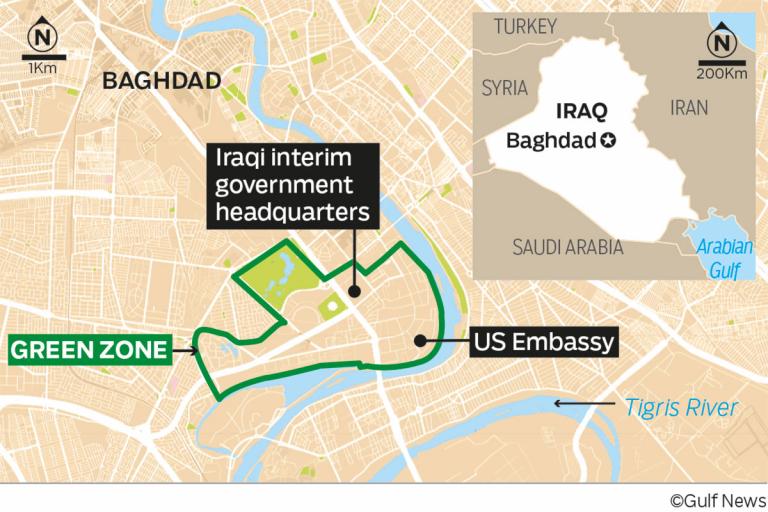 Baghdad Trench and Wall
In 2003, the U.S. and its allied, U.N.-approved, coalition forces attacked Iraq and overthrew its President Saddam Hussein and his government. Eventually, the U.S. had to establish a walled-compound in Bagdad, Iraq’s capital, to thwart Islamic attacks. Called “the Green Zone,” it still exists today as a very secure fortress.
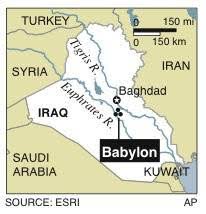 In September, 2006, the newly-formed Iraqi government announced plans to dig a water-filled trench around the sixty-mile circumference of Baghdad to stop terrorists. The city would not actually be surrounded by a single trench; rather, a network of trenches would coincide with already-existing irrigation canals and other obstacles such as a fence. The purpose was to enable the searching of all vehicles entering Baghdad by causing them to pass through any of a total of twenty-eight checkpoints along the fence.
Kirkuk followed suit the next month. This Iraqi city is located 180 miles north of Baghdad. It had a population of one million people who were predominantly Kurdish. City officials dug a ten-mile trench around western and southern Kirkuk to keep out car bombers and help make the city gun-free. The Kurds wanted to make oil-rich northern Iraq an autonomous zone, if not an independent Kurdish state.
In early 2016, Iraq announced it also was building a sixty-five mile, ten-foot high wall along its trench around Baghdad to further protect the city from terrorist attacks.





 Ad-Free & Subscriber Log-In