

Several years ago, I was in my kitchen, making a citrus-aide drink. The Lord spoke to me, clear as day: “What will you do with your harvest?”
I promptly dropped the lime from the citrus press into the already squeezed juice of several other lemons and limes. I didn’t know what to make of it. Spiritual harvest is always a popular topic, but it’s often described as the “end of the line.” Usually when we think of harvest, we think we’re done with work. This meant God’s question to me was most interesting, if not poignant.
What does come after our spiritual harvest? How do we prepare for whatever comes next?
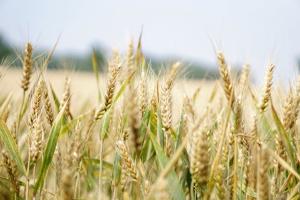
The idea of harvest
A lack of understanding about spiritual harvest reveals a lack of understanding about Biblical symbolism. No longer living in an agricultural society,we use terms like “seasons,” “seed time,””harvest,” and, yes, “sowing” and “reaping” quite improperly. We try to adapt them to a mindset we don’t rightly understand, which causes us to misunderstand what God teaches us. “Harvest” was a season in ancient understanding. It did not have the connotation of today, that of the “good life” that is labor-free. It was the tine of year when crops were ready to collect, process, and gather – “harvest” – from the work of the preceding seasons, seed time and cultivation.
Harvest time indicated a change in seasonal work. Farmers went from watering, watching, and maintaining their crops to collecting them all for the next phase of whatever it was they did. The crops didn’t harvest themselves; the farmers had to get out there, gather, and, well…do the work. After that, crops were used for either other products (such as wine or grain) or were processed for sale. Before they even got to the sale stage, crops were set aside for tithes, offerings, and taxes.
After harvest, plants would go to seed, meaning the plants would die. In that process, seeds from the plants would remain, were gathered, and were saved for planting next spring. This is proof that in each season – yes, even harvest – there is the promise of the next season, waiting to be revealed.
Why the context of harvest matters
Today we think harvest means never having to work. To many, it’s a state of endless rest from labor, never having to labor or work again. It’s obvious that when people were hearing God’s words about times and seasons in the Bible, they knew an awful lot that we don’t today. A Biblical harvest doesn’t mean rest. It means work!
So yeah…After harvest…then what?
The harvest is past, the summer has ended, and we are not saved. (Jeremiah 8:20, CJB)
We must be careful about taking “harvest” out of context. In fact, we need to be careful about taking any season out of context. “Harvest” is not the end of work, and I think Jeremiah addresses the question God asked me quite nicely. After harvest, what comes next? What is the product of the harvest? What are you going to do with it?
It is perfectly possible, reasonable, and happening all the time. The harvest comes and goes, the seasons change…and nobody is saved, nor changed, nor healed, nor delivered, nor anything…from a”harvest.”
The importance of bearing fruit
We talk a lot about fruit and about bearing fruit in the Kingdom, but have we ever thought about why? Yes, we understand fruit to be the result of work or of a product, but what is it about fruit that is so relevant? There are so many different uses for fruits and fruit products. These uses are more than just decorative (example: wax fruit might be decorative, but it serves no purpose). A piece of fruit can be beautiful to look at,but if you don’t do anything with it, it will eventually rot away. Harvested fruit doesn’t stay in its original state long! Here are some different uses for fruit:
- Baking
- Poaching
- Juicing
- Fermenting
- Savory dishes
- Pits: Used in many liqueurs for flavoring (such as apricot pits in amaretto)
- Leftover peels: Compost
No matter what you do with harvested fruit, its natural state changes. If you eat it fresh, you remove peels and discard seeds. In cooking or baking, it is cut up and often mashed or crushed. If it is juiced or fermented, the fruit is pressed to the point where its liquids and extracts come forth. Even pits and peels have their own purpose in flavor extracts and composts!
Fruit is more than just a product of a harvest. It is also a rich, flowing resource from which extended work and harvest exist. From the harvest comes a whole new season of work, to bring the crops to their most purposeful product.
A continuing spiritual harvest to collect
Harvest time is exciting, there is no doubt about it. Still, God has a work for us to do after we’ve received whatever promises we receive. No harvest comes without a purpose, and that purpose is to enhance or do something else. Even in harvest – you are going to be pressed, minced, chopped, boiled, baked, cooked, stewed, poached, or used to do something else. What is done with the fruit is just as important – if not more so – than the fruit itself. Fruit does not just point to the tree, it also points to everything that the fruit will become.
Your harvest points to everything you are supposed to be in Jesus!
The summary of spiritual harvest
He then told them a parable: “The land of a certain rich man produced an abundant crop, so he thought to himself, ‘What should I do, for I have nowhere to store my crops?’ Then he said, ‘I will do this: I will tear down my barns and build bigger ones, and there I will store all my grain and my goods. And I will say to myself, “You have plenty of goods stored up for many years; relax, eat,drink, celebrate!”’ But God said to him, ‘You fool! This very night your life will be demanded back from you, but who will get what you have prepared for yourself?’ So it is with the one who stores up riches for himself, but is not rich toward God.” (Luke 12:16-21, NET)
Harvest by itself doesn’t mean much. It is the product that comes from harvest that is relevant. Any one of us can generate things unto ourselves, but just generating things is not going to benefit or bring much from harvest. Having stuff doesn’t mean you are in God’s will; it means you have stuff. You can be the most prosperous person in the world and still not saved. Bringing forth a product from your harvest…bringing forth God’s promise…that means you are in God’s will.
Yeah…the harvest is just the beginning.















 Ad-Free & Subscriber Log-In