

Finding Yourself series: stripping away the meaningless
Science explores the physical world. Religion and spirituality explore meaning in the spiritual world, which finds its physical representation in actions and symbols. In the act of communion, the symbolic spiritual becomes physical.
Metaphorically, the communion elements—bread and wine—represent the physical incarnation of Jesus. He gave his body… to do what? To end the need for ritual sacrifice and priests for the forgiveness of sins, and to establish a new covenant. (This, of course, doesn’t end the personal need to make amends to those we have wronged.)
In observing this sacrifice, we are in communion with God, meaning we are no longer separated by our own conscience for our behavior. True communion is “the sharing or exchanging of intimate thoughts and feelings, especially when the exchange is on a mental or spiritual level.” In that moment, we acknowledge we are forgiven and that God completely forgets our wrongdoings.
Now, I’m going to recognize the old and the new. And I’m going to protest constructively.
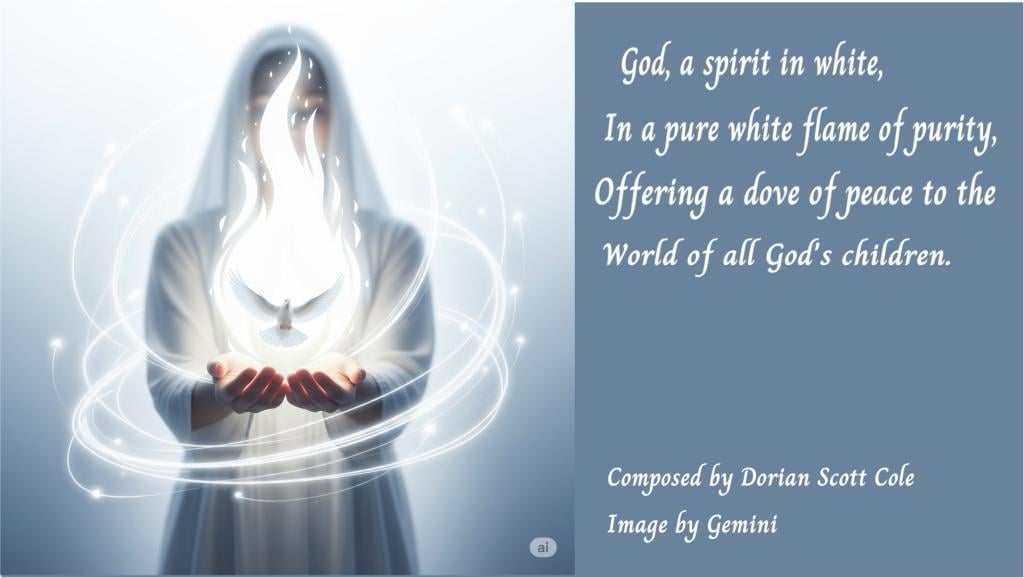
Reference verses
“While they were eating, Jesus took some bread, and after a blessing, He broke it and gave it to the disciples, and said, “Take, eat; this is My body.” And when He had taken a cup and given thanks, He gave it to them, saying, “Drink from it, all of you; for this is My blood of the covenant, which is poured out for many for forgiveness of sins.” – Matthew 26:26–28
“Again I say to you, that if two of you agree on earth about anything that they may ask, it shall be done for them by My Father who is in heaven. For where two or three have gathered together in My name, I am there in their midst.” – Matthew 18: 19-20
The origin of communion
The Christian communion ceremony originates from the Last Supper. Jesus broke the bread, saying it represented his broken body given for them. He then gave them wine, representing his blood, poured out for the forgiveness of sins and to establish a new covenant.
But often, our modern remembrance of it stops there.
The Last Supper was, in fact, the annual Passover Seder, a meal commemorating the night God protected the Israelites from the tenth plague by having them smear lamb’s blood on their doorposts. The Seder is a celebratory feast, a remembrance of God’s act of liberation and their journey from slavery to freedom.
Jesus used this existing ceremony to commemorate a new kind of freedom: the liberation from the demoralizing, punishing, and detrimental aspects of wrongdoing in our lives.
For early Christians, communion was a communal meal, often called the “breaking of the bread.” It took place weekly in homes and included readings, prayers, and hymns. It was both a solemn act of remembrance and a joyful, festive fellowship meal symbolizing unity and community.
Alas and alack, some early Christians began to abuse this “love feast,” leading to Paul’s warning in 1 Corinthians 11 that those who ate or drank without “recognizing the body” were bringing judgment upon themselves.
If there is anything noteworthy about Christians, it’s that they like to eat together in fellowship. (Beer parties have not yet been approved; they tend to get out of hand. Wine tastings, maybe.) Fellowship and communion are closely related, with communion being deeper.
The conversion to ceremony
Since ~1955, I’ve experienced communion in almost every format, whether weekly or monthly. I’ve seen the bread and faux wine get passed through the pews. I’ve stood in a circle and drunk from the same cup. I’ve gone down the aisle to be served by the priest. I’ve stood in another circle and passed the elements around—which is where I somehow usually manage to make a mess of it.
I confess, ceremony has little meaning to me. I fully understand that ceremony is a very reassuring thing for a lot of people, but to me, it isn’t spiritually tangible or meaningful.
I also have a second, more practical protest. In this day of serious communicable diseases—many of which aren’t eliminated by alcohol-based hand cleaner and are propagated by speaking over the bread and wine—I find the ceremonies themselves to be classic spreaders of disease. For those of us with health risk factors, this is a significant concern.
Back to basics
It’s always been part of my nature to eliminate the useless and meaningless and get back to original meanings, which are often the basics. This isn’t to say tradition is always meaningless; ceremony can have tremendous meaning.
But I, along with today’s new generations, want something spiritually tangible. That doesn’t mean we want to “touch” it. We want a meaningful and emotionally touching experience.
The experience is in the recounting of what Jesus did in our lives, and what living as a Christian does in our lives. Spirituality is a lived experience.
In the Seder meal—which Jesus and his apostles celebrated at the Last Supper—the Jewish people recount the many things God did for them:
-
Slavery and redemption: The Seder tells of the Jewish people’s descent into slavery in Egypt and their eventual redemption and freedom.
-
Miracles: It recounts the miracles associated with the Exodus, such as the parting of the Sea of Reeds.
-
Biblical commandment: The practice is based on a biblical commandment to tell children about the Exodus from Egypt on the first night of Passover.
It’s ritualistic, symbolic, and participatory (ceremonial)
-
Haggadah: Families read from the Haggadah, a text that includes the story, prayers, and instructions for the Seder.
-
Matzah: Unleavened bread eaten to remind participants of the haste with which the Israelites left Egypt.
-
Maror (Bitter Herbs): Eaten to remember the bitterness of slavery.
Interactive experience: The Seder is designed to be an engaging and immersive experience, with participants, including the youngest child, taking part in the telling of the story.
Modern relevance: The story is often connected to modern struggles for freedom, with participants encouraged to see themselves as if they personally left Egypt, not just historically, but in the present day.
The Seder meal represents a lived experience. Trust in God. Faith. Experience.
An alternate communion design
The more often things are repeated, the less meaningful they can become—although ceremony can certainly be a big source of comfort. The Jews hold their Seder once a year. Jesus said of his ceremony, “As often as you do it, do it in remembrance of me.”
A different form of communion, one that follows the Seder pattern, might look like this: a lived experience that recalls our lived experiences with God.
1. The Recounting
Instead of a single, brief scripture reading, the service would be built around a “recounting” of the Christian story of redemption.
(The Seder Haggadah Element: Tells the story of slavery in Egypt and the Exodus.)
Communion Version: The leader and community would “recount” the story of humanity’s “the demoralizing, punishing, and detrimental aspects of wrongdoing” (using your article’s language: “). It would tell of the need for redemption, the promise of a savior, and the fulfillment of that promise.
2. Participatory Storytelling
A key element often lacking. Instead of a silent, individual ritual, it would become a communal act of testimony.
(Seder: The youngest child asks, “Why is this night different?” and everyone participates in telling the story.)
Communion Version: The leader might ask, “Why do we take this meal?” This would be a cue for participants to share. The experience is in the recounting of what Jesus did in your life. The ceremony would build in time for people to briefly share:
“I remember the bitterness of my own ‘slavery’…”
“I remember the joy of my ‘liberation’…” This makes the “remembrance” active and personal, not just historical.
3. Symbolic Elements
Communion’s elements (bread and wine) could be used to evoke specific feelings, or touchpoints for the story. The communion service could start with a symbolic acknowledgment of the “wrongdoing” that caused the need for sacrifice. This makes the “forgiveness” part of the ceremony a palpable relief.
(The Seder uses physical elements to evoke specific feelings (bitterness, haste).
Seder Maror and Matzah Element: The “Bread of Affliction” (Confession): The Seder remembers the bitterness of slavery.)
The “Bread of Life” (Liberation): The bread represents the “broken body.” In this new ceremony, it would be presented after the confession as the “Bread of our Freedom”—the solution to the bitterness.
The “Cup of the Covenant” (Celebration): The wine represents the “new covenant.” This would be the “joyful, festive” part of the meal, a true celebration of the “journey to freedom” that Jesus initiated.
4. Modern Relevance
The leader would frame the ceremony not just as remembering a 2,000-year-old event, but as a “lived experience” for today. The closing question would be: “Now that we have remembered our liberation, how will we live as free people this week? How will we bring this freedom to others?”
(The Seder encourages participants to “see themselves as if they personally left Egypt.” A Seder-style communion would do the same.
5. Connects to modern struggles for freedom
The leader would mention struggles that we face today, and how in communion with Jesus and communion (fellowship) with each other we break free of the bonds that hold us. This integrates the entire community into communion.
By adopting this pattern, communion would shift from a “reassuring ceremony” to an “emotionally touching experience”—exactly the “spiritually tangible” element new generations are looking for.
6. The Charge
This should be the imperative that we leave communion with: Love others. Do to others as you would have done for yourself. Without this charge we are simply a party in a beer hall with fun as the only goal. Spirituality and religion are about living spiritual ideals.
7. Continued communion
As we leave the communion service we need to remind ourselves that God is within us. Christ Consciousness is with us at every moment. We live in communion with God. For those who accept their Christ Consciousness, everything we do is an expression of our spirituality.
Anyone can commune with God
For some reason, possibly out of a fear of abuse, the church relegated Communion to a sacrament that is only the province of the ordained. This practice harkens back to the time when only priests administered ceremonial functions. This flies in the face of Jesus’ teaching that forgiveness is available to all through direct contact with God. No priest is needed.
Perhaps communion as a service should be overseen by someone trained to conduct ceremony and watch for abuse. But I regard this stricture as an abuse of power. Anyone can commune with God at any time, and Jesus said that “where two or more are gathered in his name he is with them.” Communing with God, forgiveness, and the new covenant are lived experiences, not ceremony, and restricting them to ceremony undermines their true purpose. Lay leaders and others should be enabled to conduct a Communion ceremony.
The Jews at the time of the prophets were known to abuse the symbol of God, the Temple, by having religious feasts and then going out and abusing people the rest of the week. It was the cause of God’s distrust and animosity toward them that eventually got them invaded and deported.
The real abuse is not having a good time in God’s honor—which I believe God respects and finds glory in if we tell what God has done for us—but using forgiveness and God’s tolerance as a springboard to neglecting our responsibilities as Christians the rest of the week. As Jesus said, as we do it to the least of our people, (anytime of the week), we do it to him.
This should be the imperative that we leave Communion with:
-
Love others. (John 13:34)
-
Do to others as you would have them do for yourself. (Matthew 7:12 and Luke 6:31)
Conclusion
If communion is to be more than a passive, reassuring ritual—if it is to become the “emotionally touching experience” that new generations are seeking—it must reclaim its roots.
By re-adopting the pattern of the Seder, the ceremony is transformed. It ceases to be a silent, individual act and becomes a participatory, communal recounting of our own story. We don’t just observe; we are invited to share what God has done in our lives. The elements become more than symbols; they become tangible touchpoints in this story, connecting the “bitterness” of our own slavery to past wrongdoing to the profound joy of our “liberation.”
This is not a new invention; it’s a return. It is the recovery of the original “breaking of the bread”—a joyful, festive, and deeply personal celebration of freedom, shared in a community that is living that freedom today in communion with Christ and each other.
Concluding Challenge
To “find ourselves,” we need to realize what is truly important to us. We need to pay attention and learn. Sometimes this means clearing away what is not meaningful to discover or re-discover what is.
Our communion traditions of ceremony can be important on a weekly or monthly basis. But equally important is the deeper sense of the presence of Jesus in our lives, experienced through a more robust communion that is packed with tangible meaning.
The challenge, then, is this: What is truly important to you? Pay attention to your life, and learn from it.
“Our answer is God; God’s answer is us; Together we make the world better.”
– Dorian Scott Cole
“With hate we have more to lose than gain. Break the cycle.”
– Dorian Scott Cole
Some of my recent articles on my Author’s website: DorianScottCole.com
Food Service for Those In Need in a A Self-Supporting Food Service Model
Revitalizing Economically Depressed Areas – Systemic and intractable problems – Part 3
Keystone Compact for a More Representative Government












 Ad-Free & Subscriber Log-In