


Siofra Bradigan: A High Priestess Guide to Healing Trauma
Throughout history, religion, has significantly influenced the development and direction of our beliefs and lives. Indeed, constructed systems of faith, have shaped our moral values, social norms, and cultural practices. And, as a result, dictate how we understand divinity and how we live our existence.
Ancient history tells us that that The High Priestess was a prominent figure in religion. In addition, they were known to be “different” and revered during antiquity. 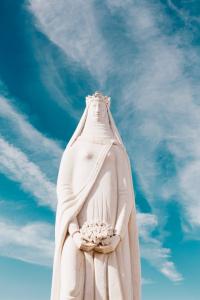
As a matter of fact, today the High Priestess “archetype” in tarot, represents a woman who possesses the ability to wield her power with wisdom and discernment. In the same way, the High Priestess is characterized by her sensibility and empathy.
Certainly, the High Priestess strives to remain aware of her inner thoughts and external surroundings. Furthermore, she is regarded as possessing wisdom that surpasses her age. Last but not least, The High Priestess archetype is a figure of deep insight and understanding.
The Silent Suffering of Women Under Patriarchal Control
On the contrary, patriarchy, has prevailed for centuries. Although it appears we have made significant strides in society, women continue to be underestimated, abused and tortured.
As a matter of fact, still today there exists a more troubling reality. Another reality, that usually happens behind closed doors, away from friends and family.
All too often, the true nature of intimate relationships is obscured. More often than not, friends and family members are kept in the dark about the abuse that takes place in the home away from prying eyes.
While, husbands, fathers and partners often appear composed and respectful in public, they reveal their true “self” in secret.
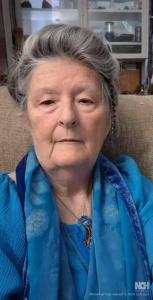
High Priestess Siofra Bradigan embodies the essence of her title beyond the realm of tarot; she is a magical practitioner who traverses the mundane and the spiritual realms. Siofra resides in Oregon with her husband, Ian.
They are both practitioners of magic. And, they are a very knowledgeable couple that share their wisdom and art through various platforms, like YouTube, Etsy and Siofra’s Magic Cove.
In Siofra’s live discussion sessions held on Sundays, alongside her insightful husband Ian, they engage with participants on topics related to esoterica, paganism, trauma, healing and more.
Siofra and Ian create an open environment where they encourage questions from participants. In addition to offering invaluable insights and support to those seeking knowledge or simply wishing to listen.
Their goal is to let people know that they are not alone in their struggles. And, that we can heal ourselves.
I had the opportunity to speak with Siofra one-on-one about critical topics like trauma and domestic abuse, as well as the healing processes associated with these experiences. Her approach is both compassionate and informative.
For those interested in learning more, a series of interviews with Siofra Bradigan will be available in 2026. In the meantime, you can explore her educational videos and discussion forums focusing on magical practices and their applications in everyday life. Similarly questions about healing are also invited, particularly concerning trauma.
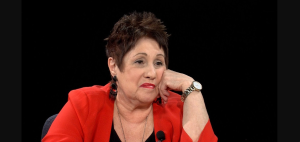
Exploring Domestic Abuse and Patriarchy in Dr. Phyllis Chesler’s Works
Another astute woman is Dr. Phylis Chesler. Chesler writes about domestic abuse and torture in her books, “Patriarchy” and “Women and Madness.” She describes how uncountable women in the 19th century were kidnapped from their beds or off the streets. Oftentimes, fathers and husbands demanded their daughters or wives be placed in asylums for expressing their beliefs.
In addition, Chesler shares details about her own abuse in her book ” An American Bride in Kabul” Chesler married a Muslim man when she was in college. Her husband flew her to Afghanistan to visit his family where she was taken hostage by his Muslim family.
In her books, Phylis Chesler also explores the effects of patriarchal rule, shedding light on how women were abused, and still are today. Historically, it was often fathers, brothers, and husbands who played the role of antagonists, leading women to mental institutions.
Chesler highlights that, in the past, women held minimal value in American culture, a sentiment that resonates today as women continue to be undervalued in various aspects of society.











 Ad-Free & Subscriber Log-In