
From Saturday Morning Breakfast Cereal. Read more

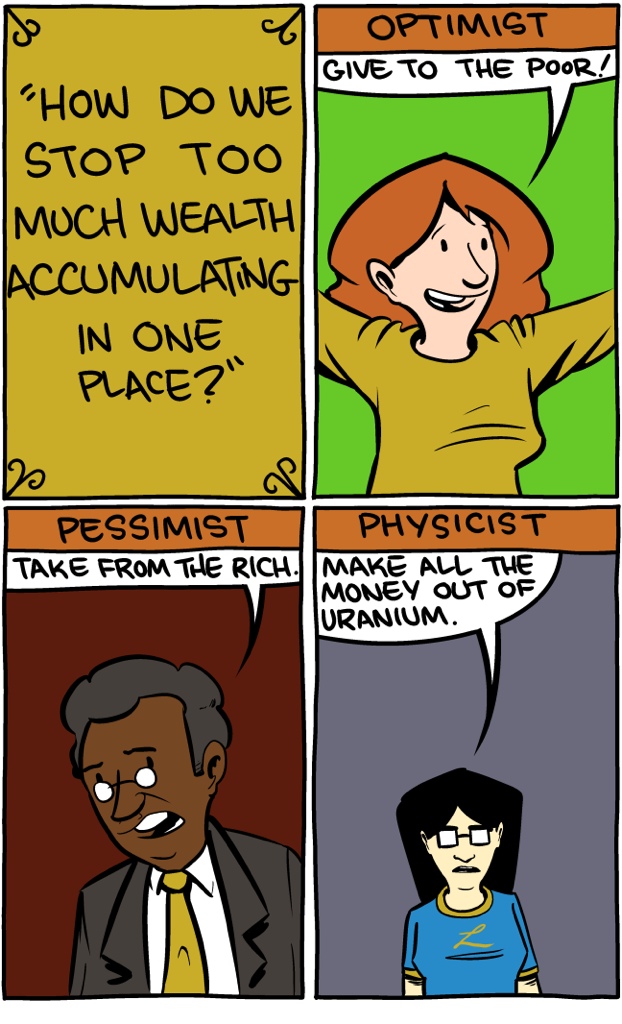
From Saturday Morning Breakfast Cereal. Read more

As modern people, we often find it hard to believe that ancient people lived as they did. And in the case of some practices, like human sacrifice, we may suspect that reports are exaggerated. In a discussion in a comment thread, this subject came up. Ezekiel 20:25-26 seems to suggest that child sacrifice in Israel was once not only common but required by law. Of course, laws which simply say that every firstborn male is to be offered to God... Read more

Someone posted this photo of an action figure on Facebook, and I thought that the symbolism was poignant. Lots of people have a “Jesus” who is “bendable” and “poseable” and so he is flexible enough to fit in with – and even serve as a symbol of – their values and worldview. Read more

Today my class on “Religion and Freedom of Expression” met for the first time. It is a class with a non-traditional format – we meet a few Saturday mornings for a few hours, plus also four evenings when students attend lectures in our public lecture series and have dinner and a Q&A time with the speakers beforehand. The reading was Randall Bezanson’s book How Free Can Religion Be? which is a pretty wonderful treatment of the history of the Supreme Court’s... Read more
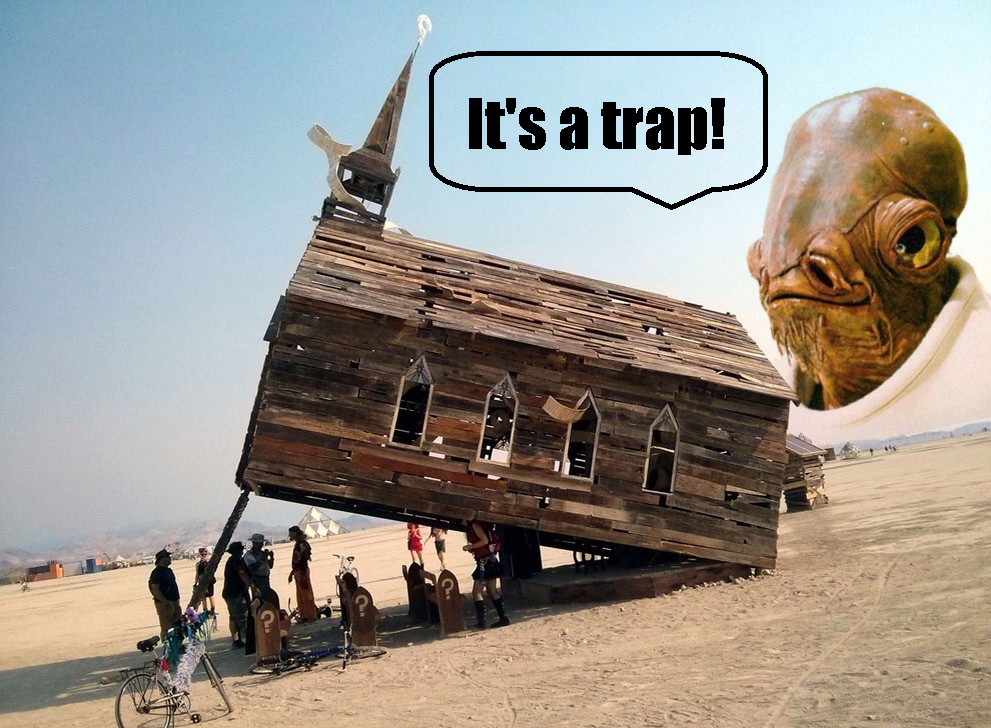
When I shared an image in a post called “Church Trap” recently, I mentioned resisting the temptation to add Admiral Ackbar to the image. It turns out that I’m not as good at resisting temptation as I thought I was, and so here it is: Read more

From Cartoon Church Read more

Early last year, I posted about the fact that we had made a squirrel baffle by tying the large bird seed bag on the pole that our bird feeder was on. You can click through to see a photo and read about the design. I had always been astonished that the squirrels seemed to have given up trying to circumvent it, since they are known for their persistence. Today I found out why. Here is what turned out to be... Read more

I love John Rutter’s music. This setting of “This is the Day” was performed at the royal wedding by the Westminster Abbey Choir. HT Methoughts, mefeats, and medefeats. Read more
Larry Hurtado posted recently about his talk on “fallacies and fashions” in New Testament studies. One fashionable fallacy he focused on is the notion of a pre-Christian Gnostic redeemer myth, as was posited by the History of Religion School in the 20th century. As Hurtado mentions, Carsten Colpe (in Die religionsgeschichtliche Schule: Darstellung und Kritik ihres Bildes vom gnostischen Erlosermythus) offered very important and powerful critiques of Richard Reitzenstein’s claims, which were widely accepted at that time. But if there... Read more

My religion and science fiction class will be discussing clones next time. If this SMBC comic is anything to go by, it shouldn't take too long… Read more


Select your answer to see how you score.








 Ad-Free & Subscriber Log-In