

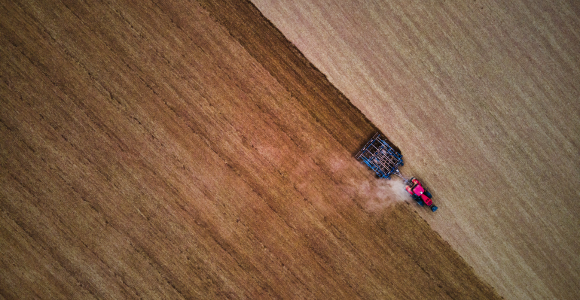
Lastly, the hard-packed ground of misogyny and patriarchy, the hard-packed ground of racism and White supremacy, the hard-packed ground of White Christian nationalism, the hard-packed ground of homophobia, biphobia, and transphobia must be broken up, and that process always involves disruption and conflict. But the ultimate goal is always a justice that produces peace. This is what it means to be a peacemaker!
Welcome Readers! Please subscribe to Social Jesus Here.
This is Part 3 of When Justice Means Division
(Read this series from the beginning at Part 1 and Part 2.)
With our hands on the plow, peacemakers are preparing our social soil for the seed of justice. We know that when watered by others justice will produce a peace where everyone has enough not simply to survive but also to thrive. Peacemakers, even when disrupting the hard-packed social soil, are still working toward a world matching Micah 4:4’s description where every person will “sit under their own vines and under their own fig trees, and no one shall make them afraid.”
What does this kind of peacemaking look like? Representative John Lewis tweeted in June 2018, “Do not get lost in a sea of despair. Be hopeful, be optimistic. Our struggle is not the struggle of a day, a week, a month, or a year, it is the struggle of a lifetime. Never, ever be afraid to make some noise and get in good trouble, necessary trouble.”
Note those three words: good, necessary, trouble. It’s good, necessary trouble that Jesus himself was getting into in our reading this week. It was this kind of trouble that he modeled for his followers to get into too.
Lastly, Jesus confronts his listeners’ inability to discern what was happening around them at this moment. This also is fitting given our present context. In the face of growing authoritarianism and the dismantling of democratic norms in the U.S., silence is not an option for peacemakers. Voter suppression and reorganization, disinformation, attacks on laws that provide protection for the marginalized in our society, and political violence threaten the very foundation of a safe, compassionate, just home for everyone where everyone’s voice is heard. Standing up now means defending the safety of the vulnerable and marginalized, holding leaders accountable, and protecting the rights of all—especially the most vulnerable. It means rejecting fascist rhetoric and resisting efforts to centralize power through fear and retaliation. Democracy, justice, peace are not self-sustaining in any society; they depend on the courage and commitment of everyday people to speak out and take a stand, even when, as our reading this week reminds us, those choices initially cause division.
Are you receiving all of RHM’s free resources each week?
Begin each day being inspired toward love, compassion, justice and action. Free.
Sign up at HERE.














 Ad-Free & Subscriber Log-In