


Magi Details
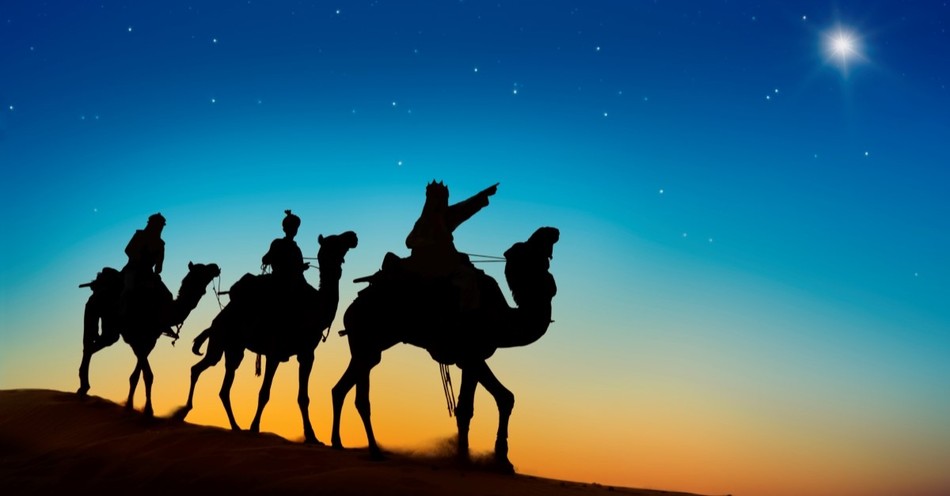
The story of the Magi plays a very significant part in the Christmas story. According to sources, Magi (singular: Magus) refers primarily to ancient Persian priests/wise men. They’re famously known in Christian tradition as the Three Wise Men who visited baby Jesus with gifts (gold, frankincense, myrrh), symbolizing the first Gentiles recognizing Christ. These “wise men from the East” followed a star to find Jesus, marking a significant event for early Christianity, celebrated at Epiphany (Jan 6). They represent wise Gentiles, astrology, and the universal recognition of Jesus.
The Gospel of Matthew describes the Wise Men as following a star that led them to the location of Jesus’ birth. The Bible doesn’t provide detailed information about their identities, except that they were “Magi from the East.” Tradition and folklore have added various details about them, such as their names (Caspar from Europe, Melchior from Asia, and Balthazar from Africa), their countries of origin, and their roles as representatives of different races or ages. History also depicts them as representing the three sons of Noah viz Japhheth, Shem, and Ham, through whom the whole earth was populated after the flood. They’re eastern priest-sages usually associated with the area near Babylon and said to look into the mysteries of the universe through astronomy, astrology, and natural sciences.
Magi’s Gifts Then
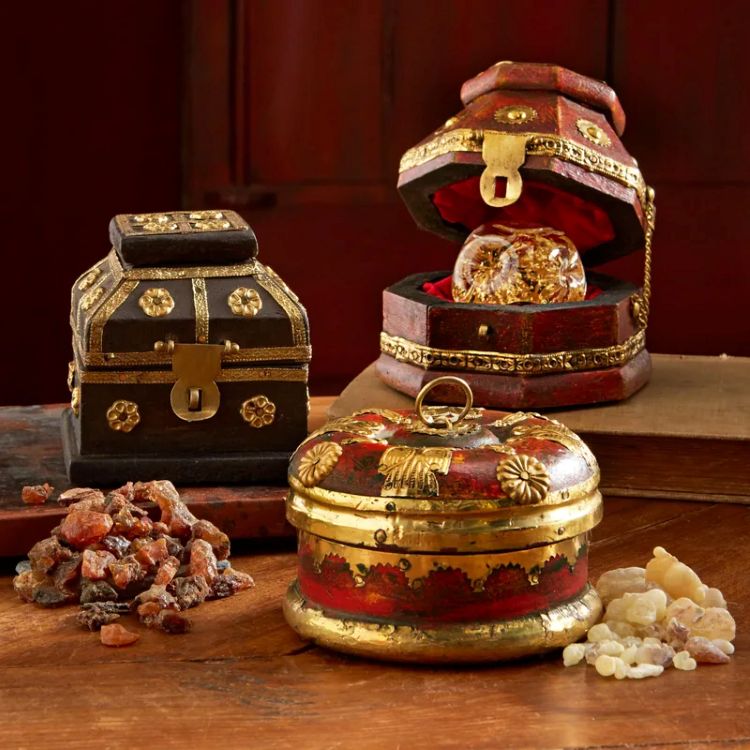
Biblical enactments and plays always focus on the gifts they brought – Gold, Frankincense, and Myrrh. Christian tradition has construed from the three different types of gifts that the number of wise men who visited as being three. In reality, the number could have been more, probably a band of them. However, what captures our attention is not their number but the gifts or type of gifts they brought. These valuable items were standard gifts to honor a king or deity in the ancient world: gold as a precious metal, frankincense as perfume or incense, and myrrh as anointing oil. Apparently, these same three items were among the gifts, recorded in ancient inscriptions, as being used to felicitate dignitaries and royalty.
When you visit a king, you naturally bring gold, a costly gift to show highest honor and greatest respect for his majesty. In the Bible, gold symbolizes divine glory, purity, holiness, eternal value, and spiritual wealth, often representing God’s character and presence, seen in the golden Ark of the Covenant and the heavenly New Jerusalem.
Gifts in detail
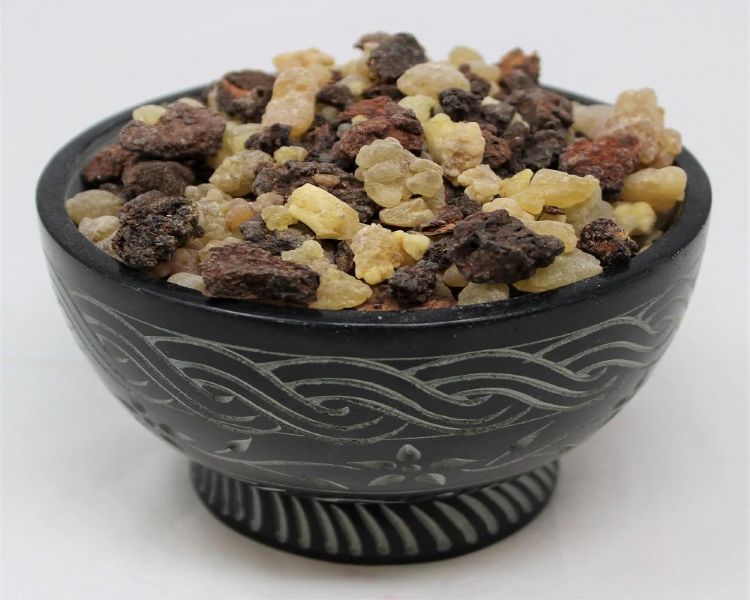
Frankincense is a sacred, aromatic resin from Boswellia trees, used extensively in Israelite worship for temple incense, grain offerings, and sacred oils, symbolizing holiness and prayer rising to God. It occurs 17 times in the Bible, and is liquid gold that shaped ancient economies and religious practices. The frankincense trade created one of history’s most remarkable economic networks. Ancient routes stretched from modern-day Oman through Yemen and up the Red Sea to Jerusalem. Archaeological evidence confirms frankincense was traded as far as Rome by the 1st century BCE.
Myrrh was priced greatly being used for embalming and anointing as well as purification. All the handmaidens who were gathered in Susa for King Ahasureus underwent a mandatory 12-month royal beauty regimen before meeting him. This involved six months of purification by oil of myrrh, and six months of beautification by sweet spices.
In ancient times, myrrh was a highly prized resin used extensively for embalming (especially by Egyptians). It was a sacred ingredient in religious rites for purification and pleasing gods, in costly perfumes and cosmetics. Potent medicine for wounds, skin issues, inflammation, and oral hygiene due to its antiseptic and analgesic properties, it was valued across cultures from Egypt to China.
Magi’s Prophetic Gifts
The Magi, we must remember, were likely astrologers or scholars from the East who interpreted a celestial event as the birth of a great king. They have also been identified and referred to as wise men and kings who came to visit and honor the newborn king. In the ancient world of the East, priests paid particular attention to the stars and gained an international reputation for astrology, then highly regarded as a science. Their foresight and intuition extended beyond identification of the event. They choose and presented gifts that symbolically foretold the three roles of Jesus.
Gold represents His kingship and divine royalty; Frankincense (an incense) signifies His divinity and priesthood; and Myrrh (an embalming spice) foreshadows His sacrificial death, suffering, and humanity. Sources declare that these precious gifts were befitting for a king, prophet, and priest, acknowledged Jesus as the Christ, since myrrh wasn’t just a valuable spice but a prophetic message from the East. It announced Jesus as the King who would die to redeem His people, fulfilling ancient prophecies about the Messiah.
Frankincense and myrrh were produced for some 5,000 years, and these aromatic resins were the region’s most important commodity, with a trade network that reached across Africa, Asia and Europe. Today, the demand for frankincense and myrrh has subsided, but numerous Chinese, Greek, Latin and Sanskrit sources remind us of their past importance in the ancient world.
Magi’s Thoughtful Gifts
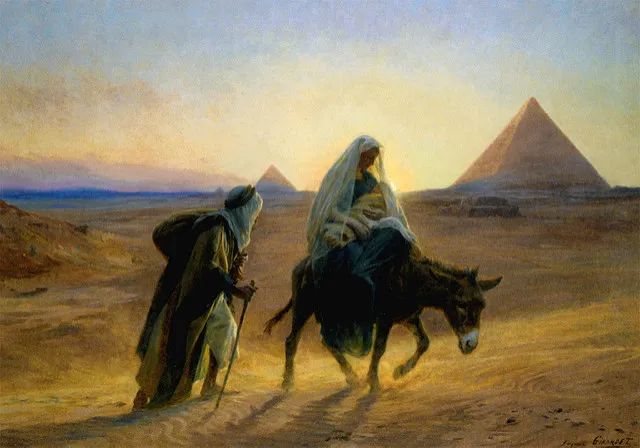
The gift of the Magi were not just prophetic and foreseeing, but also practical and useful, seen in hindsight of the purging that followed the visit of the Magi. Their seeking for the one who has been born king of the Jews in the palace of then reigning ruler of Judea, King Herod let loose a blood bath of all infants under the age of two. Each of them warned by an angel, the Magi took another route home, while Joseph fled to Eygpt with his small family of Mary and Jesus, to save the Infant just as Jochebed did of His forerunner Moses!
Alone in an alien land, uprooted from their native town and country, the small family would have had no fear for survival, thanks to the gift of the Magi! According to tradition, Joseph, Mary, and Jesus lived in Egypt for roughly three to four years, fleeing King Herod’s decree and staying until Herod’s death around 4 B.C. Joseph being a carpenter had his profession at his hand’s end, and would have only needed the means to set up shop in Eygpt. The Magi’s gift was not to be put on display or on a showcase, but was very real and utilitarian, enabling the family to live well by their gifts!
God orchestrated every small and big thing for the birth and care of His Son, all through His life, until it was time for Him to die for the sins of the world!
Gift of the Magi Now
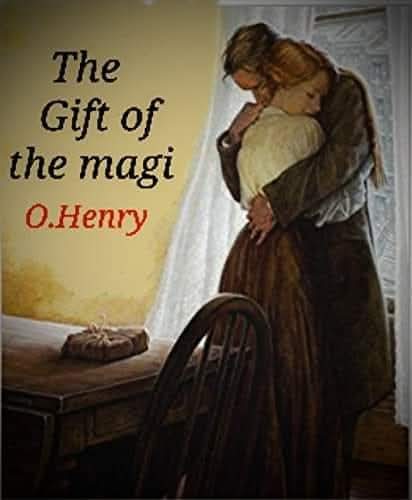
O’Henry, the American novelist and writer, immortalized the gift of Magi in a short story of the same title, giving the struggles of a young couple to find gifts for each other given their lack of money.
The tale ends with this note: The magi, as you know, were wise men—wonderfully wise men—who brought gifts to the Babe in the manger. They invented the art of giving Christmas presents. Being wise, their gifts were no doubt wise ones, possibly bearing the privilege of exchange in case of duplication. And here I have lamely related to you the uneventful chronicle of two foolish children in a flat who most unwisely sacrificed for each other the greatest treasures of their house. But in a last word to the wise of these days let it be said that of all who give gifts these two were the wisest. Of all who give and receive gifts, such as they are wisest. Everywhere they are wisest. They are the magi.
Published in O’Henry’s story collection, The Four Million in 1906, this story portrays how a couple rich in love but poor in money, buy each other gifts, and teaching us all about sacrifice and giving.
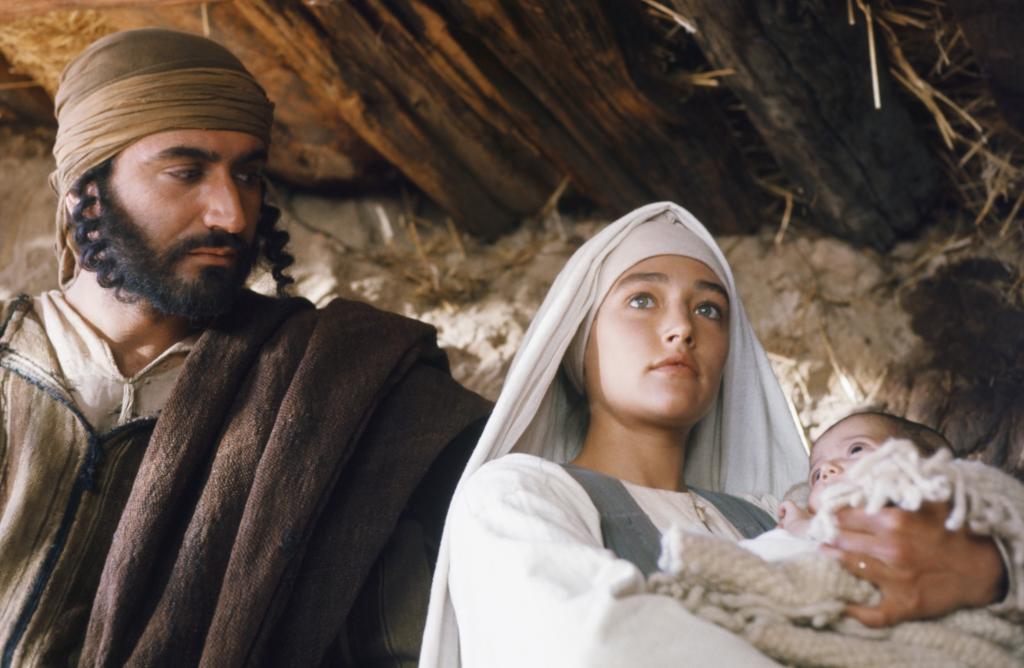
The gift of the Magi today is celebrated as pointing to the ultimate gift of God, the Son Who was born to be the Savior of the world by the sacrifice of Himsel through the eternal Spirit for the propitiation of sins of all people at all times!
The Magi travelled afar to see the One Who was God born of a virgin to be the Son of Man and the Lamb of God that would make us all worthy to stand before our God by His precious blood.
What Do We Learn About Gifting
Give to honor who others are or will be, and not on how they are today, since the Magi only saw a baby but honored Him for who and what He was born to be!
Be prophetic in your giving, being led by the Lord, rather than by a person’s estate or state, so that your gift provides for others in their time of need!
Give not seeing the situation or circumstances or place they’re in, just as the Magi offered respect in spite of the lowliness of surrounding and of the people they came to see!
Be gracious and timely in giving when it is appropriate, for these sages did not debate or procrastinate but left as soon as they saw the signs of His birth!
Go the extra mile to seek Him and find Him, since the wise men travelled a long distance to meet Him even though they only saw a sign in the skies of His arrival on earth!
Let this Christmas season and celebration see us imitating the Magi, in spite of the cost of person, time and effort!
Let us pay tribute to Triune God this Christmas season, gifting Him our time, effort, resources, family, and glorifying Him with the sacrifice of ourself!
HERE’S A GIFT THAT YOU CAN GIVE!

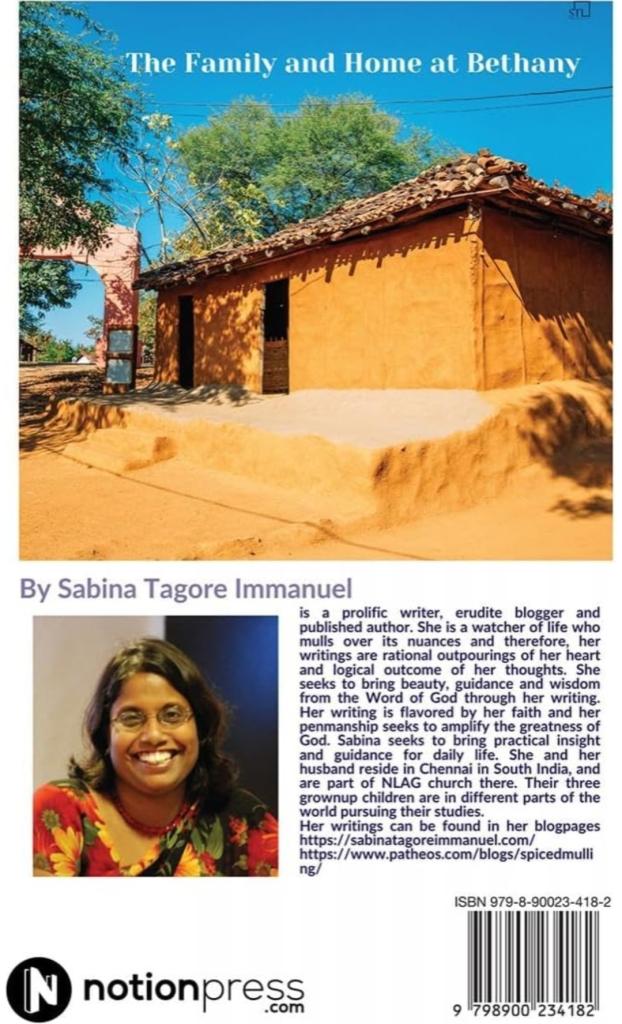
In a world where families are pulled in countless directions, A Tale of Three Siblings offers something precious: a vision of what’s possible when we truly make space for Christ in our everyday lives. This isn’t about perfection—it’s about presence. It’s about discovering that the same Jesus who felt so at home in Bethany wants to be at home with us too.

As paperback, hardback, and Kindle versions!
Free shipping available till end of the year!
Order from Notion Press website!
Can be purchased from Barnes & Noble website in the
















 Ad-Free & Subscriber Log-In