2022-09-24T10:41:26-05:00

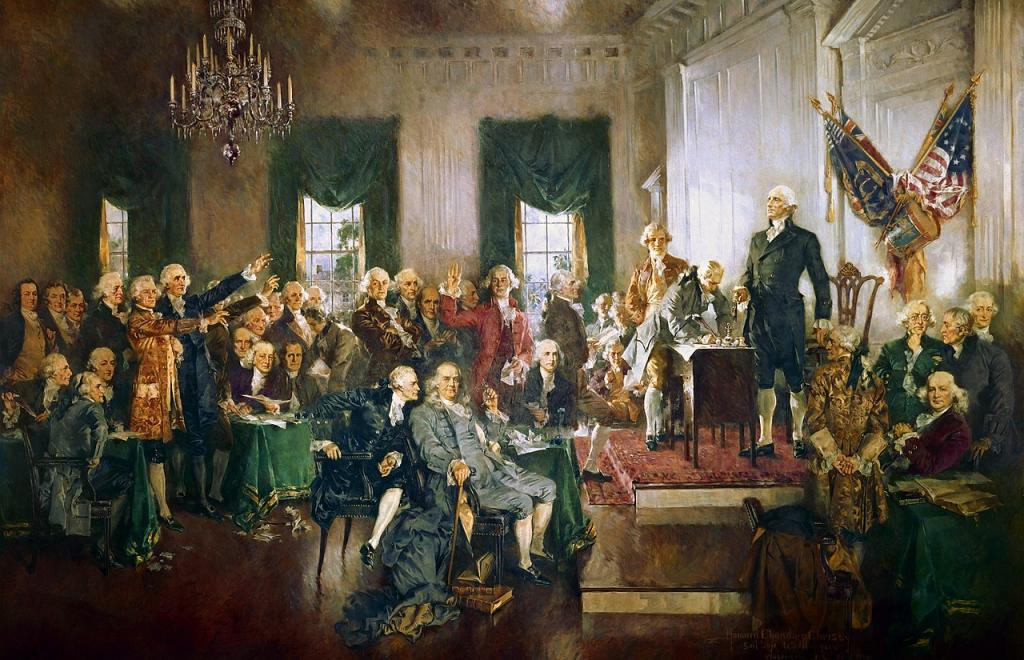
One of the most persistent popular themes of American history is that the United States is a Christian nation. It was explicitly founded to be a Christian nation, the story goes, and its laws and values are based on Christianity. This is what the founders of the nation intended. Therefore, Christianity deserves a privileged position in U.S. law and public policy. A recent poll of U.S. adults found that 61 percent of Republicans — but only 17 percent of Democrats... Read more
2023-08-14T13:41:20-05:00

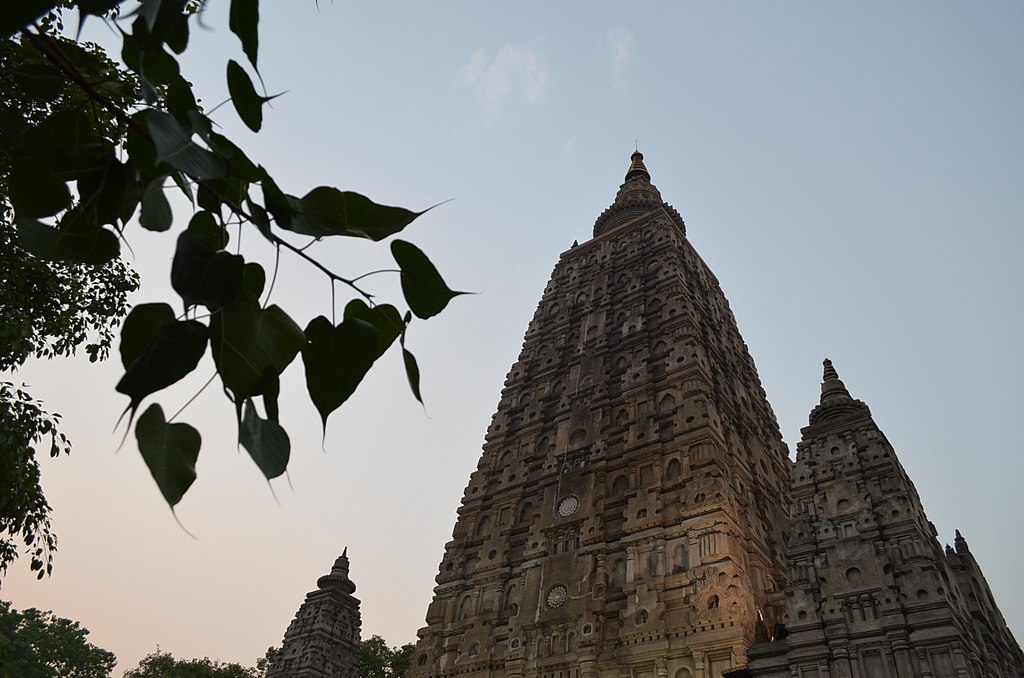
The Mahabodhi Temple is believed to mark the place where the Buddha realized enlightenment. This is the central, foundational event in the tradition of Buddhism. But the temple was neglected for centuries, and its origins forgotten, until it caught the attention of European scholars and archeologists in the 19th century. Today the restored temple is an object of reverence but also of heated sectarian dispute between Buddhists and Hindus. It has twice been the target of terrorist attacks. The temple... Read more

2022-12-06T10:50:48-06:00

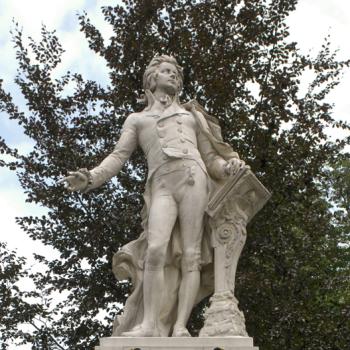
The 1984 film Amadeus — and the stage play on which it was based — took liberties with history, including the story behind the composition of the Mozart Requiem in D Minor. But the real story is just as dramatic and is the stuff of legend — and wild conspiracy theories. So let’s try to sort fact from fiction. The year was 1791, and the young Austrian composer Wolfgang Mozart was enjoying a prolific period. That year he completed two operas.... Read more

2022-09-08T15:09:26-05:00

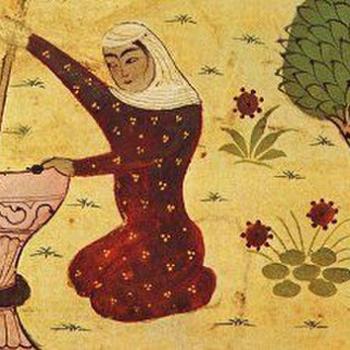
Rābiʿah al-ʿAdawīyah (713/17–801), also called Rabi’a of Basra or Rabi’a Basri, was a woman, poet, and mystic who made significant contributions to Islam. According to traditional stories, Rabi’a was born into a poor family of Basra, in what is now Iraq, then sold into slavery when her parents died. Her practices of piety and prayer impressed her master, who freed her. She spent much of the rest of her life in the desert outside Basra, living independently, writing her poems,... Read more

2022-09-08T15:08:44-05:00

St. Paul’s Chapel of Trinity Church, New York City, is an old Episcopal church with a lot of history. It’s a history that stretches from the colonial period and the Revolution to the September 11 terrorist attacks, when it became “The Little Chapel That Stood.” St. Paul’s Chapel belongs to the same congregation as Trinity Church, which is a few blocks south on the corner of Wall Street and Broadway. The Trinity congregation was established in 1697, and as New... Read more

2022-09-02T12:32:36-05:00

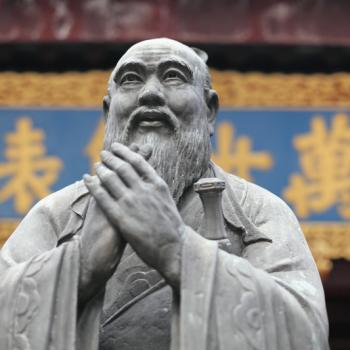
The Axial Age was a period of world history. It’s called “Axial Age” because it was a pivotal time, a turn on an axis, in religion and philosophy. The oldest of our great world religions became what they are today in the Axial Age. The first of the great philosophers whose work still shapes civilization lived in the Axial Age. The phrase “Axial Age” was coined by the German philosopher Karl Jaspers (1883–1969), in his book Vom Ursprung und Ziel... Read more

2022-09-02T13:06:21-05:00

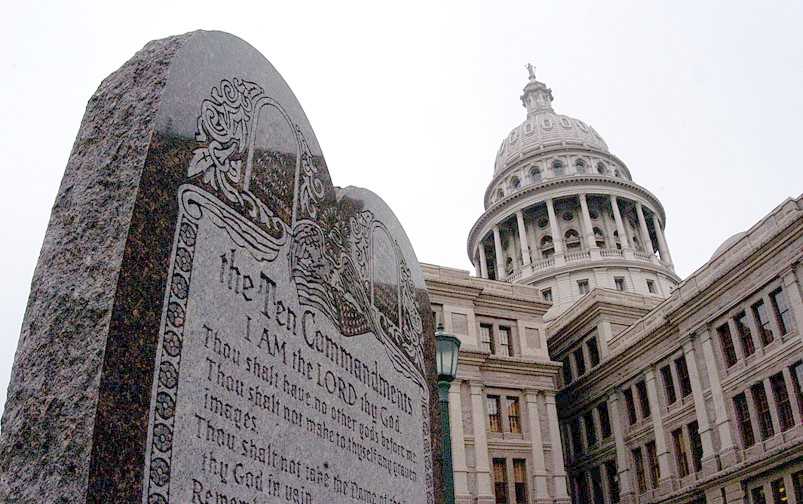
Is U.S. law based on the Ten Commandments? Over the years, many in the U.S. have called for displaying the Ten Commandments in public schools and courthouses. To sidestep the obvious conflict with the establishment clause, it’s argued that U.S. law is based on the Ten Commandments. So, displaying the Commandments is not really about religion, they say, even though several Commandments (versions vary) are directions about how humans should relate to God. Which pretty much makes it about religion.... Read more

2022-08-25T14:39:33-05:00

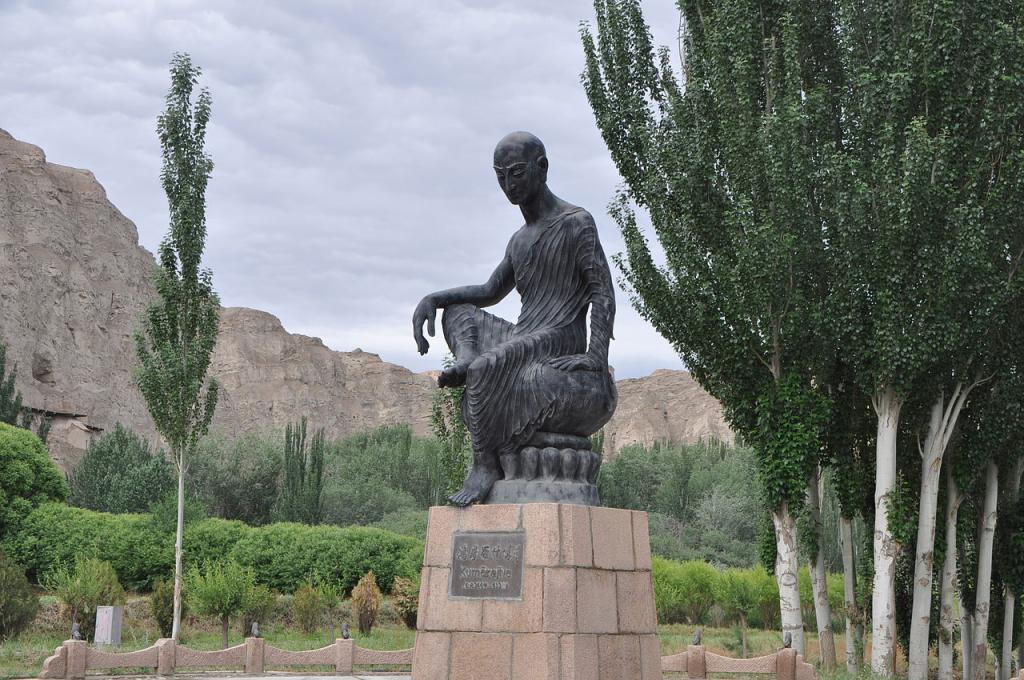
Kumarajiva (344–413 CE)  is remembered for translating many significant Buddhist scriptures from Sanskrit into Chinese. His influence on the development of Buddhism in China cannot be overstated. And he accomplished this while being caught up in outrageous political upheavals and intrigues in China. For example, Kumarajiva spent several years of his life as the hostage of a rogue warlord. But in order to appreciate what Kumarajiva went through, you need a bit of background into China’s history. Big Troubles In... Read more

2022-08-22T17:14:07-05:00

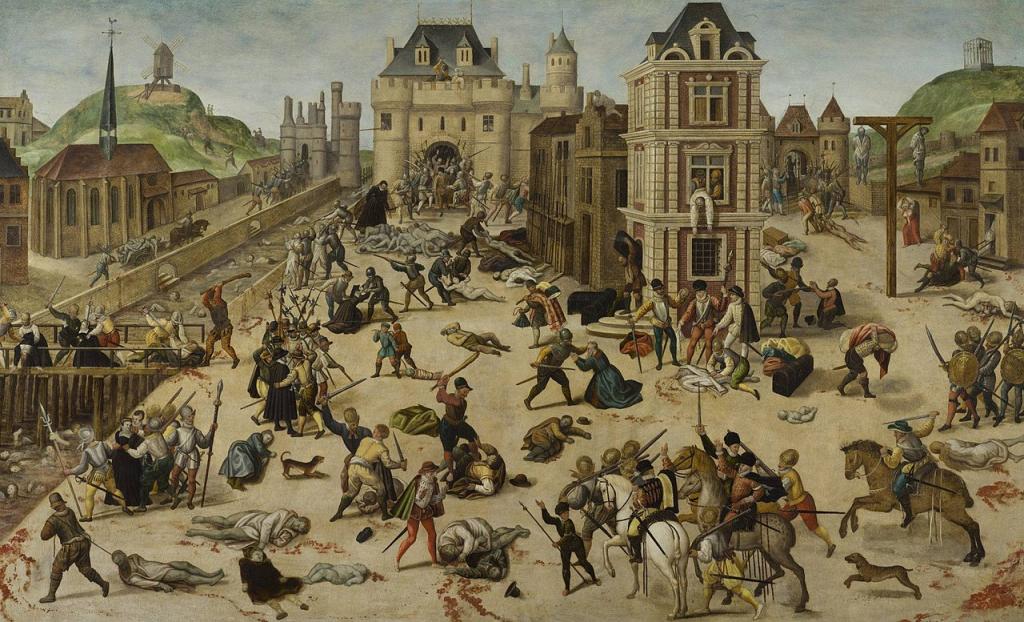
Descriptions of the Saint Bartholomew’s Day Massacre, 1572, are gut-wrenching to read even now. The mob violence spread out from Paris and through the French provinces over a period of more than two months. It’s hard to know how many died; historians today say that 20,000 to 30,000 is a probable figure, with 2,000 to 3,000 dead in Paris alone. The slaughter began in Paris on Sunday, August 24, the feast day of Bartholomew the Apostle.  Within a few hours... Read more

2022-09-27T10:31:55-05:00

Yes, there were Jews in colonial America. It wasn’t just Puritans and Quakers. The history of Judaism in North America began in 1654, when 23 Sephardic Jews arrived in the Dutch colony of New Amsterdam, or today’s New York City. Like the Puritans, they were refugees from religious persecution. About Sephardic Jews The Sephardi or Sepharadim are Jews of Spanish and Portuguese descent. Historians believe the first Jewish communities on the Iberian Peninsula date to the time after the destruction... Read more

Follow Us!


TAKE THE
Religious Wisdom Quiz

What does "Sabbath" mean?

Select your answer to see how you score.


Browse Our Archives