

This week, the big news has centered on Ukraine and the potential for an end to the years-long war between Ukraine and its oppressor, Russia. Eleven months into President Trump’s second administration, he still hasn’t ended the war after he boasted that he could end it by the first day of his second term.
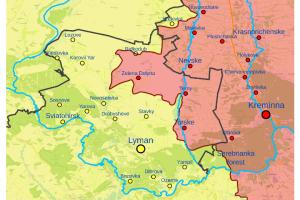
Without keeping his promise, the president said he was disappointed in Ukraine for not showing him any gratitude for trying to broker a peace deal, which most leaders say would only benefit the oppressor, Russia.
Then the president posted an AI image of himself on the throne with Democrats bowing before him. The president has an unhealthy obsession with being praised and exerting power, which contradicts our Christian and conservative values:
- Humility
- Loving-kindness
- Forgiveness
- Unselfishness
The president also posted a video of himself dropping feces from an airplane on anyone protesting his power and authority. Yet, at the same time, President Trump believes he deserves to receive the Nobel Peace Prize.
Earlier this year, he admitted that it was his goal during the first attempt to end the war between Russia and Ukraine during the Alaska peace summit. Instead of receiving the praise the president wants for his latest peace plan between the two countries, many world leaders are critical of it due to its concessions to Russia.
The president is out to say or do whatever it takes so that he can receive the glory and praise that is only due to God (Psalm 29:2, Isaiah 42:8, Matthew 4:10).
What Is Praise
We often attribute praise to spiritual matters, but it applies to every aspect of our earthly life. Praise is defined as “To express a favorable judgment of, glorify: commend.” Knowing this, we must be careful who or what we praise.

Who or what we praise will receive our devotion and admiration, and if it is anyone other than God, we are committing idolatry. We live in a fallen world that trusts in itself or the pleasures of this corrupt kingdom. God’s people are called to be different (1 Peter 2:9).
God’s people are called to praise and thank God only (Psalm 150:6, Colossians 3:16:17). No man or woman or other god is worthy of God’s people’s praise.
That is why the ball has a lot to say about praising and thanking God (Psalm 100:4, Hebrews 13:15).
As God’s people, we are to put our hope and faith into God alone, not temporary happiness, greatness, or ourselves (Jeremiah 17:7, Philippians 4:6-7). Years ago, in men’s ministry, I learned that there is no such thing as a “Self-made man, because it is God alone who creates and equips us for His purposes (Ephesians 2:8-10).
Because our God is creator and giver of all things, we must praise and thank Him alone (Genesis 1:31, James 1:17). Only God deserves our praise (1 Corinthians: 15:57, Romans 1:25; 8:28; 11:36, Ephesians 3:20, Colossians 3: 17, 1 Timothy 4:4-5, 1 Thessalonians 5:18). The Apostle Paul remembered his Jewish education about praising and thanking God.
Yāḏâ
The prophet Moses tells us how, after the fall, mankind looked to themselves or this fallen world for happiness and greatness (Genesis 11:4-9). God set His people apart from the selfish and corrupt world to be His holy people to serve and praise Him only (Leviticus 9:2, Deuteronomy 14:2)
One of the Hebrew words in the Old Testament for praise is yāḏâ, and it can also mean, “Give thanks, make confession, thankful, or thanksgiving,” depending on the context it is used in.
Because of God’s divine deliverance and mercy on His people, Judaism emphasizes praising God alone and giving Him thanks (Leviticus 6:1-8:36, Psalm 22:1; 100:4). Even within the Jewish sacrifice system, one of the sacrifices offered was specifically to give thanks to God:
- Olah
- Zevach Sh’lamim
- Chatat
- Asham
- Parah Adumah
- Food and Drink Offerings
The Messiah came as a humble King instead of as a powerful earthly king His people foolishly wanted; He humbled himself and became the final sin sacrifice (Chatat) on the cross to redeem anyone who would believe in Him, regardless of nationality or political party.

Jesus taught His followers to follow His example of sacrifice by denying themselves daily to follow Him (Matthew 16:24-26). We do not sacrifice to be saved; we sacrifice because we are saved and give thanks to God by humbling ourselves and denying ourselves.
Our Lord constantly praised God for his goodness and provision (Matthew 11:25, Luke 10:21). He taught His Disciples to serve and to give others with joy (Matthew 25:35-40, Luke 6:38).
Our Rabbi thanked God for His followers and for God’s miracles (Matthew 11:25-26, John 17:6-26). Jesus set the standard for thanking God with more than words, but His entire life.
Thanksgiving
In other big news this week, Americans are celebrating the Thanksgiving holiday. Today, we celebrate nearly 250 years of God’s blessing and provision, despite our evil ways.

Originally, the purpose of Thanksgiving was not about holiday sales or even big meals together with our families; it was to celebrate the harvest of food God had faithfully provided the colonists.
Sadly, many of us only take time to thank God for His goodness and provision during the holidays like Thanksgiving. Our sinful nature makes us focus on what we want instead of God’s divine nature (Proverbs 28:26, Romans 7:18-20:)
- Greedy
- Lustful
- Deceptive
As an American of Native American descent, I know the dark side of Thanksgiving. My ancestors experienced how the Christian settlers oppressed and attacked Native Americans to take what they selfishly wanted.
Not all of the Native American Indians willingly shared or surrendered to the European settlers. Like the first Adam and his offspring, the colonists wanted more than what God had already given them, so they took it by force, glorifying themselves, not the God they claimed to follow.
As we celebrate Thanksgiving today, we need to remember that it is by how we live and act daily, not lip-service, that we yāḏâ (Isaiah 29:13, Matthew 15:8-9)!














 Ad-Free & Subscriber Log-In