

The big news this week centered on Pete Hegseth. A number of senators brought numerous charges of impeachment against him over his abuse of power and his dealings with Iran and other nations. His wilting of earthly power and force is both un-American and anti-Christian.
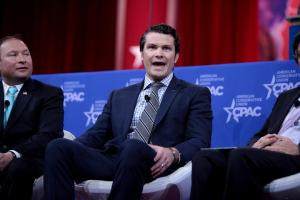
Unsurprisingly, he shared a controversial prayer and quote from the dark movie Pulp Fiction, which twisted scripture to justify his ungodly actions:
- Revenge
- Abuse of power
- Deception
Both Pete Hegseth and President Trump have focused on following the ways of this world and their corrupt hearts more than obeying God and doing His will (Proverbs 3:5-6, Jeremiah 17:9)
The Bible warns us about abusing power to rule over or oppressing others (Ecclesiastes 4:1, Mark 10:42-45). The God of this world has once again led God’s people astray (Jeremiah 23:16, 2 Corinthians 4:4).
Just like the world, the president and his administration have foolishly put their hope into the wrong things for peace, instead of God (Proverbs 23:4-5, Matthew 6:19-21).
What Is Hope
Hope is something none of us can live without. Because we all live in a fallen world full of hardship and suffering, it is hope that helps us survive. Hope is defined as “To want something to happen or be true: trust.”

However, we must learn to place our hope in the right place, or we will be disappointed or hurt. The world puts its hope into temporary and meaningless things. It values immediate satisfaction and whatever makes them comfortable or happy.
That is why sin is so enticing; it gives us a temporary feeling of happiness. If we aren’t wise, it is possible to mistake sin as being a part of God’s blessing, just because we are happy or feel good about something.
God’s people know to find peace and rest in God alone. When we find them in anyone else, we are guilty of idolatry and unfaithful to the God we claim to belong to.
That is why the Bible has a lot to say about hope and where God’s people find it (Psalm 39:7, Hebrews 10:23; 11:1). Because of sin, we live in a fallen world full of death and destruction (Ecclesiastes 7:20, Romans 5:12).
Before we come to Jesus, we all put our hope into the natural, temporary things of this world (Ephesians 1:13; 5:8, James 4:4, 1 John 2:15-17).
God gives us new life, hope, and purpose once we learn to trust and rest in His will (Romans 8:28; 12:2, 2 Corinthians 5:17, Ephesians 2:10, Colossians 3:3). The Apostle Paul remembered his Jewish education about why God’s people need hope and where we find it.
Tiqvâ
The Torah tells us that the first Adam put his hope into temporary greatness and listened to Satan instead of God (Genesis 3:1-6). Hope was lost because of mankind’s sin (Genesis 3:9-19).
Even God lost hope in humanity because of our sin and evil hearts (Genesis 6:4-5). The Hebrew word in the Old Testament for hope is tiqvâ, and it can also mean, “Expectation, cord, or the thing that I long for,” depending upon the context it is used in.
After God rescued His people, He commanded them to put their hope in Himself alone and not trust other gods or themselves (Exodus 14:30-31, Deuteronomy 4:39-40, Psalm 146:3-5, Proverbs 3:5-6, Isaiah 2:22). That is why Judaism emphasizes putting their hope in God and spreading His hope (Psalm 71:5; 130:5, Isaiah 40:31):
- Tikvah
- Defining despair
- resilience and survival
- Tikkum Olam
- Active versus passive
The arrival of Jesus the Messiah gave God’s people great hope because they were living in dark times (Matthew 1:21-23, Luke 2:10-11, John 1:14). He didn’t come as His people hoped He would.
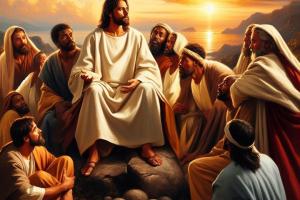
Jesus reminded His followers about the hope of God despite our hardships here (Matthew 6: number 25-34, John 16:33)
Our Lord reminded His followers not to put their hope into temporary earthly things, but to store up their treasures in Heaven (Matthew 6:19-21). Jesus understood just how temporary earthly greatness and pleasures are (Matthew 16:26, Luke 12:15-21).
Strait Of Hormuz
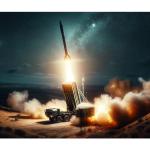
In other big news this weekend, the Strait of Hormuz was reclosed less than 24 hours after President Trump said it was open and he could trust Iran. This weekend, Iran even attacked an Indian vessel that tried to cross the Strait.
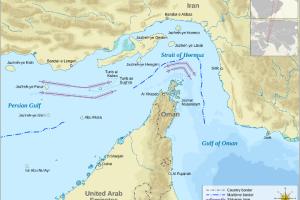
So far, Iran has blamed the United States for its closure, and they have no intention of returning to peace talks. The Iranian leadership has blamed the US for breaking the temporary cease-fire that the president and his administration negotiated.
There is no telling how the markets will react to the news after putting their hope into a temporary plan by an earthly and fallen leader:
- Greedy
- Deceptive
- Unloving
- Vengeful
The president and his administration have failed to understand that this world, its pleasures and greatness, are just as temporary as the cease-fire they negotiated. Things and money will never truly satisfy the people of God (Ecclesiastes 5:10, Luke 12:15, Hebrews 13:5).
Earthly success and greatness will mean nothing in Heaven, especially for God’s people (Matthew 19:30, Luke 14:11). This fallen Temorary world will come to an end one day. That is why God’s people must focus on our Heavenly tiqvâ (Philippians 3:20, Colossians 3:2)!








 Ad-Free & Subscriber Log-In