
- Trending:
- Pope Leo Xiv
- |
- Israel
- |
- Trump
- |
- Social Justice
- |
- Peace
- |
- Love
RELIGION LIBRARY
Vaishnavite Hinduism
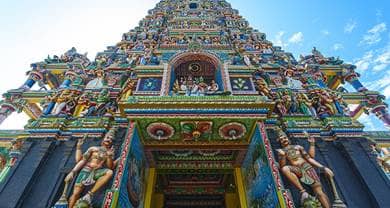
Vaishnavite Hinduism, also known as Vaishnavism or Vishnuism, is one of the major sub-traditions of Hinduism and has the largest numbers of followers within the tradition. The sectarian branch of Vaishnavism has its origins in the cult of Vasudeva-Krishna, perhaps as early as the 4th century B.C.E., and by the 2nd century C.E. it had joined with the cult of Narayana to form what is now known as Vaishnavism. As the name implies, Vaishnavas regard Vishnu as the supreme God above all other gods. Vishnu is often characterized as having six qualities: all power, all knowledge, supreme strength, supreme majesty, unlimited energy, and absolute self-sufficiency. Like other Hindu gods, Vishnu also has incarnational forms, in the Vaishnava context known as avataras; there are classically ten of these—Krishna, Rama are two of the most popular—although there are many others. The corpus of sacred Vaishnava texts is vast, and includes the Ramayana, the Mahabharata (especially the Bhagavadgita), the Bhagavata Purana, and many others. Likewise, Vaishnava philosophical/theological schools cover a vast array of positions, from dualistic (dvaita) to non-dualistic (advaita), from highly personal understandings of the divine to more abstract conceptions.
Quick Facts
| Formed | 300 |
| Adherents | 350,000,000 |
| Deity | Vishnu, various Avataras (Krishna, Rama, etc), Hindu pantheon |
| Sacred Text | Mahabharata, Ramayana, Puranas |
| Origin | India |
| Headquarters | None |












 Ad-Free & Subscriber Log-In