

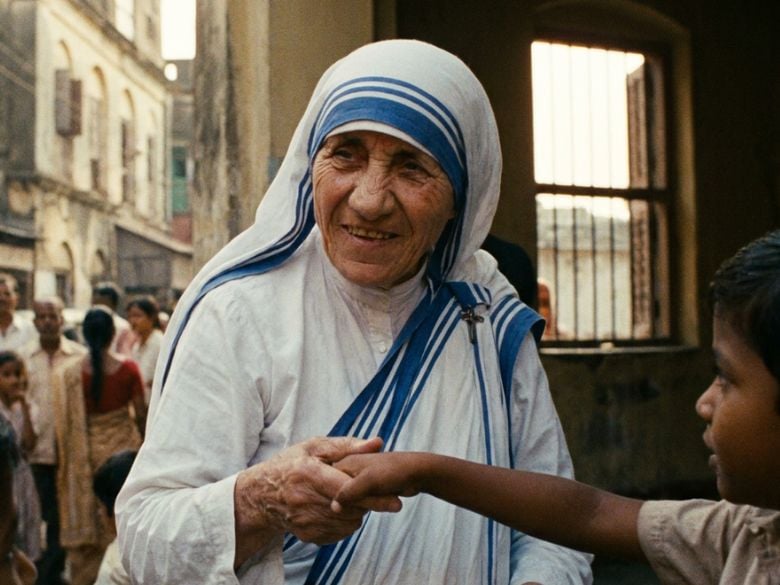
Why do some people today hate Mother Teresa so much?
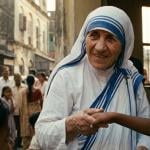
For many Christians, especially Catholics, Mother Teresa appears as one of the clearest examples of sacrificial love in the modern world. Yet even though she dedicated her life to serving the poor, the sick, and the dying, she remains one of the most criticized religious figures of our time.
Some criticisms arise from genuine concerns or misunderstandings. Others, however, may reflect deeper assumptions, spiritual discomforts, ideological beliefs, or personal wounds that people themselves may not fully recognize.
This article will not attempt to answer every accusation against Mother Teresa. Instead, it will look into some of the deeper reasons why hostility toward her continues even decades after her death.
Here are some of the reasons we can explore as we try to uncover why Mother Teresa is hated so much:
1. A high standard of perfection
Being a saint and a recipient of the Nobel Peace Prize, she is naturally held to a very high standard of perfection. Any human weakness or fault is therefore magnified as though she has committed a grave crime not befitting her image of virtue and holiness.
This is similar to what often happens to celebrities whenever they commit a mistake. While many of us may be guilty of falling into more serious errors, theirs are magnified for all the world to see and talk about.
2. Some people’s hatred of the Catholic Church
Being a Catholic, Mother Teresa also suffers from the many things the world hates about the Catholic Church.
Isn’t this one of the reasons she is being criticized? Some people accuse her of helping the poor just so that she could convert them to the Catholic faith.
But could this charge against her reflect a deeper hatred for her spiritual belief?
3. Lack of understanding about suffering
Mother Teresa has so many quotes about the value of suffering that many people assume she wanted to see people suffer!
If that’s the case, however, why help the poor, the sick, the hungry and the dying at all? Why not leave them to their own suffering?
Redemptive suffering, which is the suffering offered out of love and joined with the suffering of Christ is not something that many people can understand.
Catholics don’t value suffering for the sake of suffering. If we compare it to raising a family, it makes no sense to let your children suffer hunger for hunger’s sake. But if you allow them to suffer the many hours spent studying so that they can do better in school, then that suffering has value.
Even those who try to improve their physical health know the value of exercise. When you spend hours working out at the gym, you don’t label it as useless suffering because it does your body good in the end.
4. Not sharing one’s perspective of eternal life
Many people can easily disagree with Mother Teresa’s ways because they don’t share her belief in eternity.
When you don’t believe in eternal life, you naturally cling to all the good that you see only in this mortal life. What could benefit you in eternity may look so displeasing to you now because you would hate what it could take away from you in the here and now.
5. Mother Teresa’s stand on abortion
Mother Teresa was very clear when it came to the issue of abortion.
Here is a very strong statement from her in her Nobel Peace Prize speech:
“And I feel one thing I want to share with you all, the greatest destroyer of peace today is the cry of the innocent unborn child. For if a mother can murder her own child in her own womb, what is left for you and for me to kill each other?”
Some people may hate Mother Teresa not for the good she has done but for what she stands for. And it is easier to question her reputation than to refute the truth of what she says.
6. Our idea of charity
Many people today have a very specific idea when it comes to charity. While it may involve some giving or effort, it may not require the complete giving of oneself out of love for others.
This latter kind of charity is what Mother Teresa fulfilled. Why leave behind every comfort in the world, have only two clothes to wear and choose the worst sandals for your feet if not to be a vessel of Christ’s outpouring love.
For many, this kind of generosity sounds crazy. And if this could be seen as crazy, what more the other deeds in Mother Teresa’s life? To them, it just doesn’t make sense. And if it seems too good to be true, perhaps everything is just a facade.
But Mother Teresa only followed the example of her Lord. Jesus Christ was not only someone who multiplied bread and gave it away. He became living bread and sacrificed Himself at the cross to save us all.
7. Our fear of the light
Mother Teresa shone like a great light in that part of the world that needed it most. Where others were absent, she volunteered her presence and lived a loving life boldly with no hesitation. She went ahead into a life of suffering so that she could alleviate the suffering of many. She also spoke the truth without holding back.
And if she therefore stands for truth and light, those among us who may fear both truth and light would detest her. She would be disbelieved and shut off.
Because if not, her life would always be an annoying testament to what we are not or do not wish to be.
The Deeper Reasons
Not every criticism against Mother Teresa comes from hatred or bad intentions. Some concerns arise from genuine questions about suffering, charity, medicine, or religion. Yet beneath many reactions may also lie deeper spiritual and personal struggles that people themselves may not fully realize.
Sometimes these reactions stem from beliefs that, if challenged, could shake a person’s entire worldview. At other times, they may arise from wounds that still hurt whenever they are touched.
What we should be wary of is the tendency to discredit others without sufficient evidence or because of fears and discomforts that we ourselves do not wish to confront.
Are we truly seeking the good of others? Or are we merely defending what we want to believe is right?
No one wants to see themselves as being in the wrong. Because of this, we may sometimes point our fingers at those who challenge our understanding of truth, goodness, or morality.
Perhaps Mother Teresa remains such a challenge to the modern world. May we have the wisdom to discern what is true, the courage to face it honestly, and the humility to acknowledge our faults and seek the healing that we need.
“Why do you notice the splinter in your brother’s eye, but do not perceive the wooden beam in your own eye? How can you say to your brother, ‘Let me remove that splinter from your eye,’ while the wooden beam is in your eye?” – Matthew 7:3-4 (NABRE)
“Those who are well do not need a physician, but the sick do. I did not come to call the righteous but sinners.” – Mark 2:17 (NABRE)
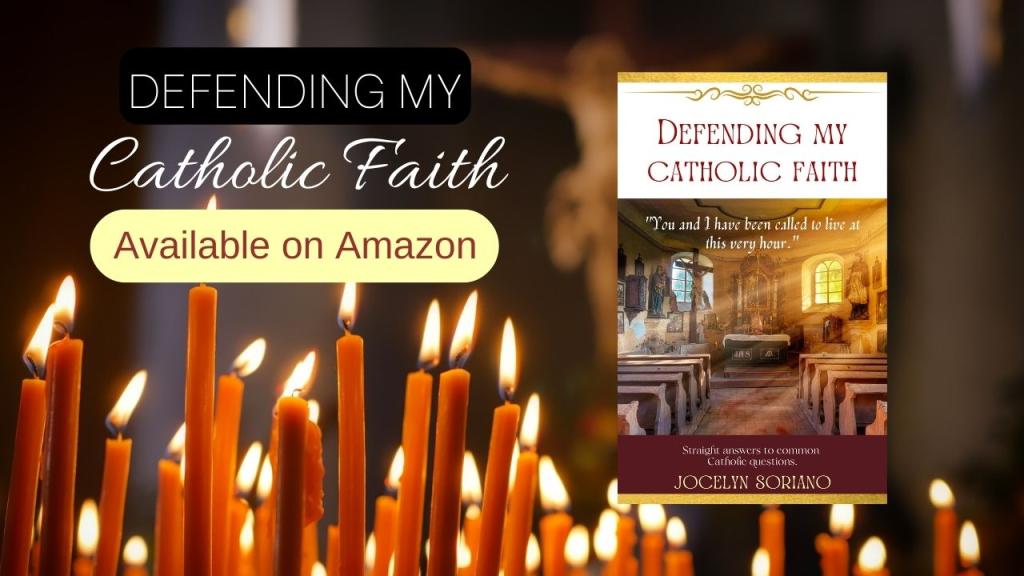
Do you have questions about being a Catholic? See Jocelyn Soriano’s book Defending My Catholic Faith.
“Always be ready to give an explanation to anyone who asks you for a reason for your hope.” – 1 Peter 3:15 (NABRE)
Get my books on other Digital Stores
You may also want to read:
What Religion Gives Us a God Who Suffers With Us?










 Ad-Free & Subscriber Log-In