

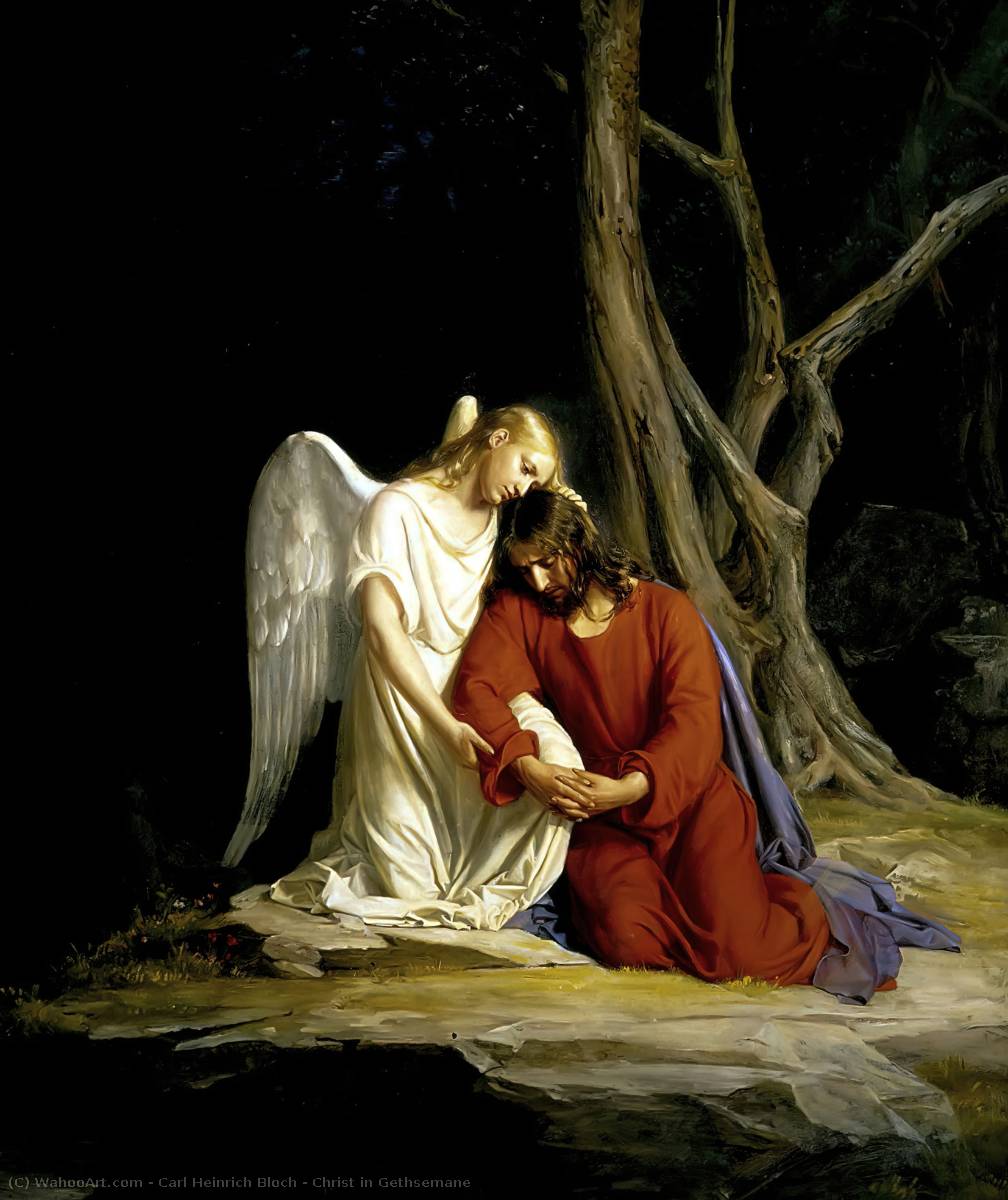
I’ve been sitting with Psalm 91 this week—a psalm of profound power and promise. For millennia, people of faith have turned to it in times of trial, seeking God’s protection amid life’s tribulations. Some scholars connect it to ancient Israelite warfare, suggesting it may have been recited before battle. Targumic traditions from the time of Christ link it to David and a blessing spoken over Solomon. Whatever its precise origins, Psalm 91 has become a cornerstone of Christian prayer and spiritual resilience.
Historically, monastic communities prayed this psalm daily. Even now, many Christians commit it to memory, reciting it as part of their evening or night prayers. There’s something deeply consoling about its rhythm—a reminder that in a world that wounds, distracts, and overwhelms, we are not abandoned. We have a refuge.
What struck me most this week was how this psalm appears in the temptation of Christ. In Matthew 4 and Luke 4, Satan quotes verses 11 and 12, urging Jesus to throw Himself from the temple, claiming that angels will bear Him up. On the surface, Psalm 91 seems to promise divine protection from harm. But a closer reading reveals something deeper: not a guarantee of physical invincibility, but a rootedness in God’s presence—a life hidden in Him.
There’s a subtle temptation here, both in Scripture and in our own lives: to treat our relationship with God as a means to an end, rather than the end itself. Verse 9 reminds us that our refuge is not a place or circumstance, but God Himself. Verse 1 speaks of dwelling in His shelter, abiding in Him. And verse 16 promises “length of days” and the revelation of God’s saving power—a phrase intimately tied to the name of Jesus, Yeshua.
Satan, that venomous viper, seeks to distort this truth. He tempts us to see God as a divine vending machine—dispensing favors if we offer the right sacrifice. But he conveniently omits verse 13:
“You will tread upon the lion and the adder; the young lion and the serpent you will trample underfoot.” Christ is the one who fulfills this verse as he crushes the serpent’s head on the cross.
We live in tension. We are vulnerable. Loving God does not exempt us from pain. In John 16:33, He tells us plainly:
“In this world you will have tribulation.”
But it does anchor us in hope. Jesus completes the warning with a declaration “But take heart—I have overcome the world.”
Christ tramples the serpent. He breaks the snares of the fowler. He is our refuge, our shelter, our salvation.
Human life is not for the faint of heart. Few make it out unscathed. But Psalm 91 offers a daily invitation to trust—not in outcomes, but in God’s presence.
So I pray:
God, my protector, defend me under Your wings. Let me find refuge in You and trust in Your faithfulness. May I always rely on Christ—the one who tramples the viper, breaks the snares, and reveals Your saving power for all my days. Amen.










 Ad-Free & Subscriber Log-In