

As I continue to highlight history, I now delve into the decade that gave us the greatest most terrible war in the history of mankind. Also it gave us one of the most famous disasters of the 20th century that would inspire one of the biggest movie blockbusters of all time. Exploration was happening at the bottom of the world. Tarzan first swung into literature. It is also when cinema started to turn out the big stars of the new medium including Charlie Chaplin. It gave us the birth of a saint and the death of a famous author and the start of the carrier of a detective priest and also of the Boy Scouts. It’s all here in the 1910’s.
115 Years Ago

February 8, 1910 – The Boy Scouts of America youth organization is incorporated by publisher, adventurer and philanthropist William D. Boyce.

March 1, 1910 – The Wellington, Washington avalanche sweeps away two Great Northern Railway (U.S.) passenger trains in the Cascade Mountains, killing 96, making it the worst snowslide accident in United States history.

March 10, 1910 – Release of In Old California, the first film made in Hollywood, California, directed by D. W. Griffith.
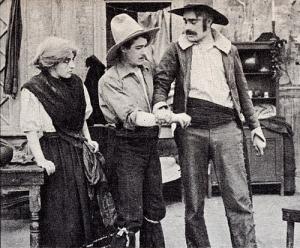
March 12, 1910 – American actress Florence Lawrence becomes “the first true movie star” after movie mogul Carl Laemmle of Independent Moving Pictures (I.M.P.) names her in advertisements announcing that he has signed the leading lady who has hitherto only been billed as “The Biograph Girl” by Biograph Studios. Until now, studios had a policy of not releasing the names of their players, and prohibiting distributors from revealing the information. Lawrence’s first I.M.P. release is The Broken Oath.
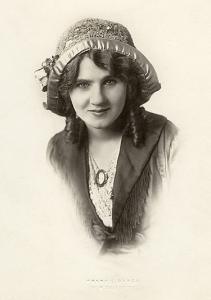
March 18, 1910 – The first cinematic version of Mary Shelley‘s Frankenstein (1818) is released in the United States by Edison Studios. One of the first horror films, it features (unbilled) actor Charles Ogle as the monster.
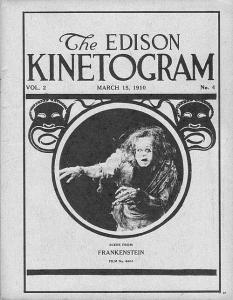
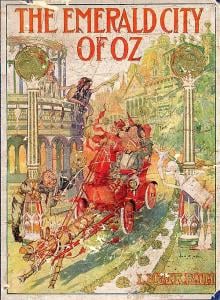
March 24, 1910 – The Wonderful Wizard of Oz, directed by Otis Turner, based on the 1900 novel by L. Frank Baum. Sometime in 1910 Oz book # 6 The Emerald City of Oz was published.
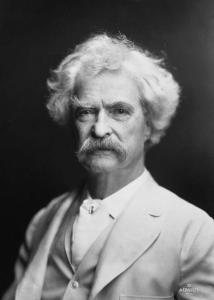
April 20, 1910 – Halley’s Comet reappears after 76 years, and Mark Twain dies at his home, Stormfield, the day after the comet‘s perihelion. In his autobiography, Twain wrote, “I came in with Halley’s comet in 1835. It’s coming again next year (1910), and I expect to go out with it. The Almighty has said no doubt, ‘Now here are these two unaccountable freaks; they came in together, they must go out together.'”
April 27, 1910 – Legendary author Mark Twain (November 30, 1835 – April 21, 1910) dies.
June 19, 1910 – The first unofficial Father’s Day is observed. It was founded in the state of Washington by Sonora Smart Dodd.
July 4, 1910 – Canals on Mars? Giovanni Virginio Schiaparelli (March 14, 1835 – 4 July 4,1910) dies. He was an Italian astronomer and science historian. Among Schiaparelli’s contributions are his telescopic observations of Mars. In his initial observations, he named the “seas” and “continents” of Mars. During the planet’s “great opposition” of 1877, he observed a dense network of linear structures on the surface of Mars, which he called canali in Italian, meaning “channels”, but the term was mistranslated into English as “canals” Mars in fiction § Canals. He helped answer the question is their Life on Mars? (sqpn.com).
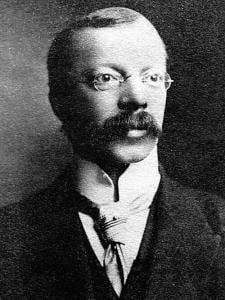
July 22, 1910 – A wireless telegraph sent from the SS Montrose results in the identification, arrest and execution of murderer Dr. Crippen. He was arrested for murder in 1910 while onboard a transatlantic liner the SS Montrose, becoming the first fugitive caught by using wireless telegraphy, he was found guilty and hanged.
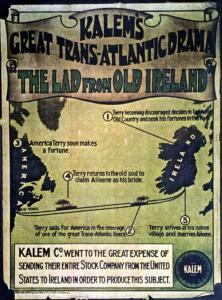
August, 1910 – Kalem Studios director Sidney Olcott becomes the first American to make a motion picture outside of the United States, The Lad from Old Ireland (released November 23).
August 19, 1910 – Saint Alphonsa (August 10, 1910 – July 28, 1946) is born.
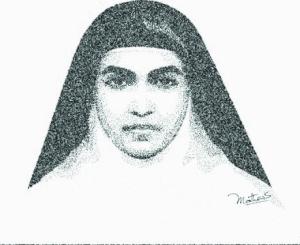
August 26, 1910 – Mother Teresa (August 26, 1910 – September 5, 1997) is born.

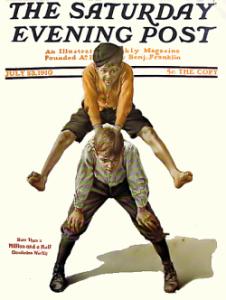
September, 1910 – G. K. Chesterton‘s fictional detective Father Brown makes a first U.K. appearance in the short story “The Blue Cross” in the Story-Teller magazine (London), having previously appeared on June 23 as “Valentin Follows a Curious Trail” in The Saturday Evening Post (Philadelphia).
September 1, 1910 -The Vatican introduces a compulsory oath against modernism (Sacrorum antistitum), to be taken by all priests upon ordination.
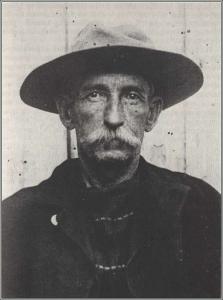
September 10, 1910 – American criminal Bill Miner stages Canada’s first-ever train robbery. Bill Miner, was an American bandit, originally from Kentucky, who served several prison terms for stagecoach robbery. Known for his unusual politeness while committing robberies, he was widely nicknamed the Grey Fox, Gentleman Robber or the Gentleman Bandit. He is reputed to have been the originator of the phrase “Hands up!” Legend has it that Bill Miner admonished his cohorts to fire their guns when in danger of capture but “do not kill a man”.
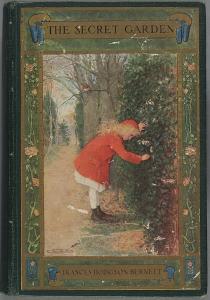
November 1910 – August 1911 –Frances Hodgson Burnett – The Secret Garden
November 20, 1910 – The Mexican Revolution begins, when Francisco I. Madero proclaims the elections of 1910 null and void, and calls for an armed revolution at 6 p.m. against the illegitimate presidency/dictatorship of Porfirio Díaz.
114 Years Ago
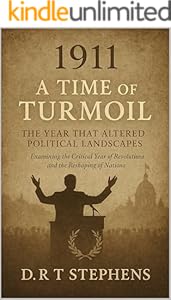
G. K. Chesterton – The Innocence of Father Brown
J. M. Barrie – Peter and Wendy (later editions Peter Pan and Wendy) is published.
1911 -“Let Me Call You Sweetheart” – the Peerless Quartet
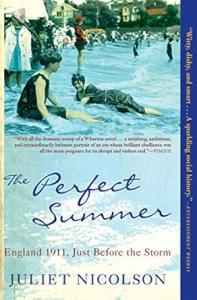
The Perfect Summer: England 1911
by
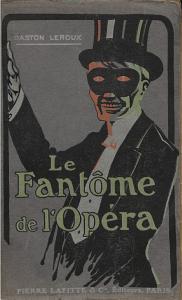
March 1911 – Gaston Leroux – The Phantom of the Opera
April 8, 1911– Winsor McCay releases his first film Little Nemo, one of the earliest animated films.
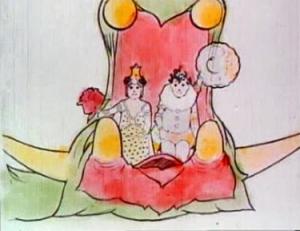
April 27, 1911 – Huanghuagang Uprising: In China, rebels take five villages in an attempt to create a power base to fight Imperial rule; those who die are remembered as “The 72 Martyrs” (the event is also called the “Second Guangzhou Uprising” and the “Yellow Flower Mound Revolt”).
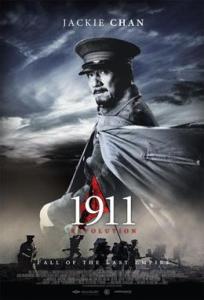
October 4, 1911 – China adopts “Cup of Solid Gold” as its first national anthem. However, it is never performed publicly and is replaced a few months later with a new composition.
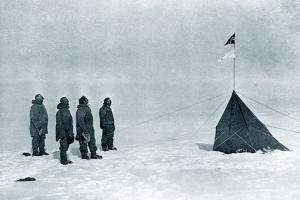
December 14, 1911 – The first ever expedition to reach the Geographic South Pole was led by the Norwegian explorer Roald Amundsen. He and four others arrived at the pole five weeks ahead of a British party led by Robert Falcon Scott as part of the Terra Nova Expedition. Amundsen and his team returned safely to their base, and later heard that Scott and his four companions had died on their return journey.
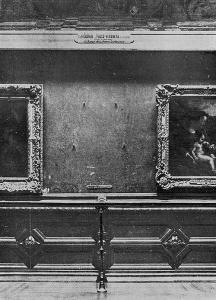
August 21, 1911 – Leonardo da Vinci‘s Mona Lisa is stolen from the Louvre museum in Paris by Vincenzo Peruggia; the theft is discovered the following day when painter Louis Béroud arrives to sketch it but the painting is not located until December 1913. Poet and art critic Guillaume Apollinaire and his friend Pablo Picasso are questioned over the theft.
December 1911– – The first ever expedition to reach the Geographic South Pole was led by the Norwegian explorer Roald Amundsen. He and four others arrived at the pole five weeks ahead of a British party led by Robert Falcon Scott as part of the Terra Nova Expedition. Amundsen and his team returned safely to their base, and later heard that Scott and his four companions had died on their return journey.

December 2, 1911– The Australasian Antarctic Expedition, led by Douglas Mawson, leaves Hobart to begin an expedition to Antarctica.

113 Years Ago
1912 -The popular song “When Irish Eyes Are Smiling” was written and published in the United States for the show The Isle O’ Dreams.
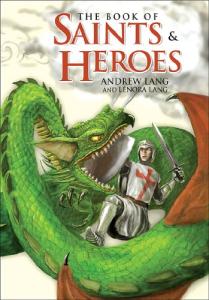
1912 – The Book of Saints and Heroes by Andrew Lang
1912 – Sir Arthur Conan Doyle – The Lost World
1912 – Moonlight Bay, by Percy Wenrich and Edward Madden.
1912 – Bertrand Russell, The Problems of Philosophy
Russell called the book his ‘shilling shocker’ and saw it as a short, cheap book, written for a general audience; it has been his most read book for decades. It has often been set as a textbook for philosophy students. However reception of the book among philosophers has not always been positive, for instance, Geoffrey Warnock characterized the book’s treatment of perception as having made an “appalling hash” of the topic.
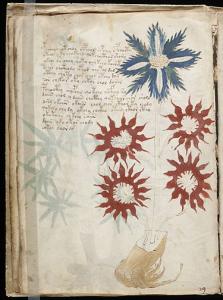
1912 –The Voynich Manuscript Polish book dealer Wilfrid Voynich (November 12, 1865 – March 19, 1930) purchases a manuscript which ends up being named after him. The Voynich manuscript is an illustrated codex, hand-written in an unknown script referred to as ‘Voynichese’. The vellum on which it is written has been carbon-dated to the early 15th century (1404–1438). Stylistic analysis has indicated the manuscript may have been composed in Italy during the Italian Renaissance. The origins, authorship, and purpose of the manuscript are debated. Hypotheses suggest that it is a script for a natural language or constructed language; an unread code, cypher, or other form of cryptography; or perhaps a meaningless hoax.
January 6, 1912 – New Mexico becomes the 47th U.S. state.

German geophysicist Alfred Wegener first presents his theory of continental drift.
January 17, 1912 – The Terra Nova Expedition led by Captain Robert Falcon Scott attained the pole where they found that a Norwegian team led by Roald Amundsen had preceded them by 34 days.

February 14, 1912 – Arizona is admitted as the 48th state.

March 6, 1912 – Oreos were introduced by Nabisco,

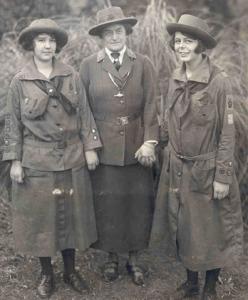
March 12, 1912 – The Girl Scouts of the USA is founded by Juliette Gordon Low, in Savannah, Georgia.
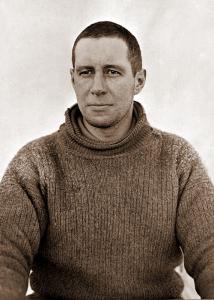
March 16, 1912 – Lawrence Oates, dying member of Scott‘s South Pole expedition, leaves the tent saying, “I am just going outside and may be some time.”
April 15, 1912
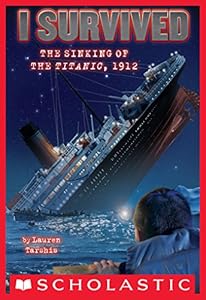
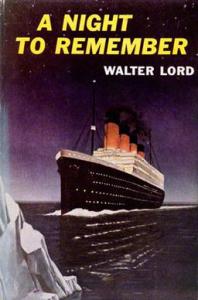
Sinking of the RMS Titanic: RMS Titanic strikes an iceberg in the northern Atlantic Ocean and sinks with the loss of more than 1,500 lives.
A Night to Remember
by Walter Lord
Millvina Dean
(February 2, 1912 – May 31, 2009)
She was a British civil servant, cartographer, and the last living survivor of the sinking of the RMS Titanic on 15 April 1912. At two months old, she was also the youngest passenger aboard.
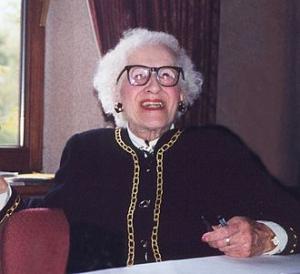
April 30, 1912 – Universal Film Manufacturing Company is founded in New York, the oldest surviving film studio in the United States. It was founded by Carl Laemmle (1867–1939) and others.
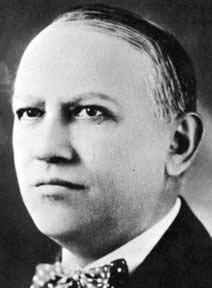
May 8, 1912 – Famous Players Film Company, the forerunner of Paramount Pictures, is founded by Adolph Zukor.
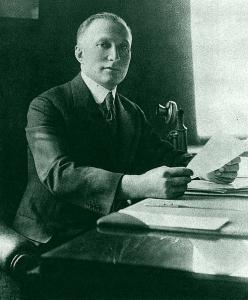
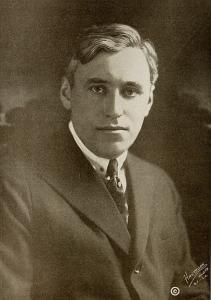
July 4, 1912 – Mack Sennett, who has previously worked as an actor and comedy director with D. W. Griffith, forms a new company with New York City entrepreneur Adam Kessel, Keystone Studios. It will play an important role in developing slapstick comedy as the home to the Keystone Cops, English actor Charlie Chaplin, and others.
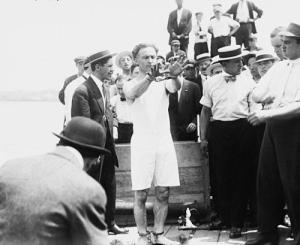
July 7, 1912 – Harry Houdini first performs his escape from a nailed and roped packing crate after it had been lowered into water.
October 1912 –Edgar Rice Burroughs‘ character Tarzan (Viscount Greystoke, raised as a feral child by the fictional Mangani great apes) first appears in Tarzan of the Apes in the American pulp magazine The All-Story. His other popular series first book A Princess of Marsis also published this year.

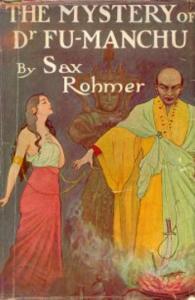
October 1912 – Sax Rohmer‘s character Fu Manchu (a “Yellow Peril” master criminal) first appears in “The Zayat Kiss” in the English pulp magazine Story-Teller, as the first installment of The Mystery of Dr. Fu-Manchu.
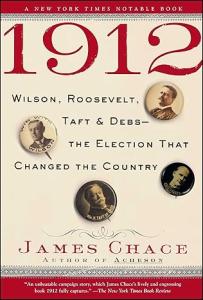
November 5, 1912 – 1912 United States presidential election: New Jersey Governor Woodrow Wilson wins over former president Theodore Roosevelt and incumbent president William Howard Taft.
November 18, 1912 – Muhammadiyah is a major Islamicnon-governmental organization in Indonesia. The organization was founded by Ahmad Dahlan in the city of Yogyakarta as a reformist socioreligious movement, advocating ijtihad – individual interpretation of Qur’an and Sunnah, as opposed to Taqlid – conformity to the traditional interpretations propounded by the ulama.

112 Years Ago
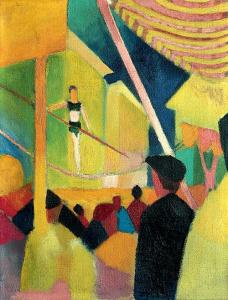
1913 – August Macke – Tightrope walker (Seiltänzerin)
1913 – Fred W. Wolf of Fort Wayne, Indiana, introduced the first domestic refrigerator.

1913 -“Danny Boy” w. Frederic Weatherly m. trad
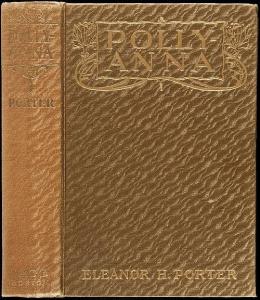
1913 – Eleanor H. Porter – Pollyanna
1913 –
I think that I shall never see
A poem lovely as a tree.
A tree whose hungry mouth is prest
Against the earth’s sweet flowing breast;A tree that looks at God all day,
And lifts her leafy arms to pray;A tree that may in summer wear
A nest of robins in her hair;Upon whose bosom snow has lain;
Who intimately lives with rain.Poems are made by fools like me,
But only God can make a tree.
-
-
-
- — Joyce Kilmer (1886–1918), “Trees”, first published this year
-
-
by
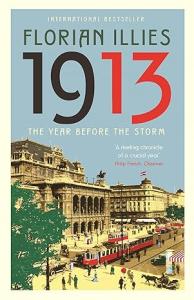
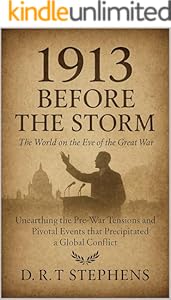
January 1, 1913 – Pope Pius X made a radical revision of the Roman Breviary, to be put into effect, at latest, on this date. See Reform of the Roman Breviary by Pope Pius X. Pope Pius XII allowed the use of a new translation of the Psalms from the Hebrew and established a special commission to study a general revision, concerning which all the Catholic bishops were consulted in 1955. His successor, Pope John XXIII, implemented these revisions in 1960. Pray Station Portable
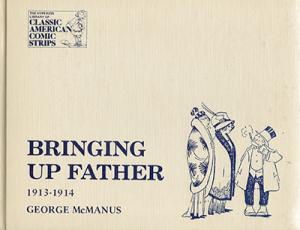
January 12, 1913 – George McManus‘ Bringing Up Father makes its debut. It will run uninterrupted until 28 May 2000.
February 3, 1913 – The Sixteenth Amendment to the United States Constitution is ratified, authorizing the Federal government to impose and collect income taxes on all sources of income, not just some.
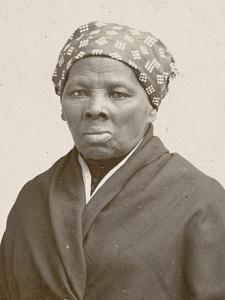
March 10, 1913 – Harriet Tubman (Underground Railroad) Harriet Tubman (c. March 1822 – March 10, 1913) dies.
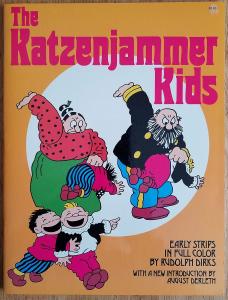
March 16, 1913 –Rudolph Dirks draws his final The Katzenjammer Kids gag and leaves his newspaper. They instantly hire a replacement artist, Harold Knerr, who continues the series in his place. This comic started in 1897 and become the longest-running comic strip of all time, only ending in 2006.
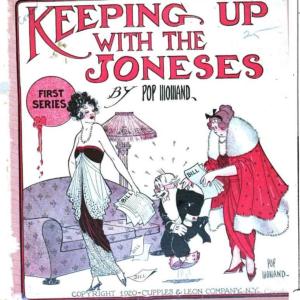
March 31, 1913 – Arthur R. “Pop” Momand‘s Keeping Up with the Joneses makes its debut. It will run until April 16, 1938. The comic coined the well-known catchphrase “keeping up with the Joneses“, referring to people’s tendency to judge their own social standing according to that of their neighbors.
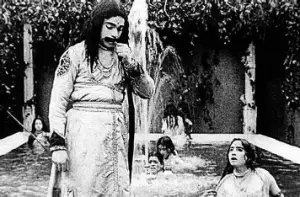
April 21, 1913 – The first full-length Indian (and Marathi) feature film Raja Harishchandra (silent) has its première (public release May 3).
April 26, 1913 – Mary Phagan is raped and strangled on the premises of the National Pencil Factory in Atlanta. Leo Frank is tried and convicted for the crime.
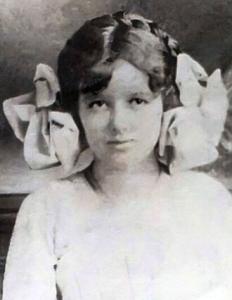
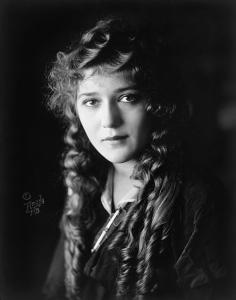
May 1913– Mary Pickford signs a contract with Adolph Zukor‘s Famous Players Film Company for $500 per week, becoming the company’s first superstar.
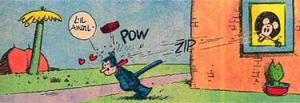
October 28, 1913 –George Herriman‘s Krazy Kat makes its debut. It will receive a Sunday page from 23 April 23, 1916 on.
December 29, 1913 – Charlie Chaplin signs a contract with Mack Sennett to begin making films at Keystone Studios.
111 Years Ago
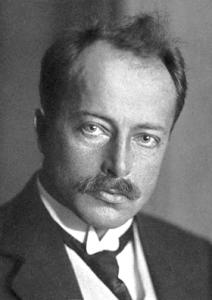
1914 –Max von Laue (1879–1960) discovers the diffraction of x-rays by crystals which earns him the Nobel Prize in Chemistry,
January 5, 1914 – Ford Motor Company announces an eight-hour workday, and a daily wage of $5.
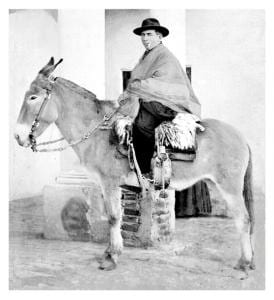
January 6, 1914 – Saint Jose Gabriel del Rosario Brochero (March 16, 1840 –January 26, 1914) dies.
February 2, 1914 – Charlie Chaplin‘s first film, Making a Living, is released.
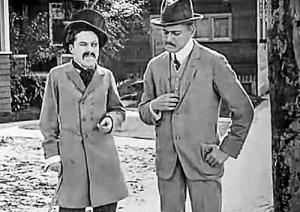
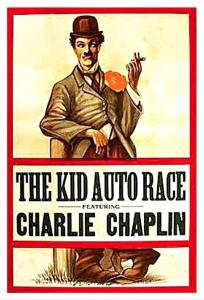
February 7, 1914 – Release of Charlie Chaplin’s second film, the Keystone comedy Kid Auto Races at Venice, in which his character of The Tramp is introduced to audiences (although first filmed in Mabel’s Strange Predicament, released two days later).
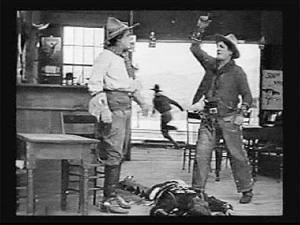
February 12, 1914 –The Squaw Man (1914) was an American silent Western film directed by Cecil B. DeMille and Oscar C. Apfel, and starring Dustin Farnum. It was DeMille’s directorial debut and the first feature-length film to be shot in what is now Hollywood.
May 14, 1914 – Woodrow Wilson signs a Mother’s Day proclamation.

March 23, 1914 – Saint Rafqa Pietra Choboq Ar-Rayès (June 29, 1832 – March 23, 1914) dies.

March 29, 1914 – Katherine Routledge and her husband William Scoresby Routledge arrive on Easter Island to make the first true study of it (departing August 1915).
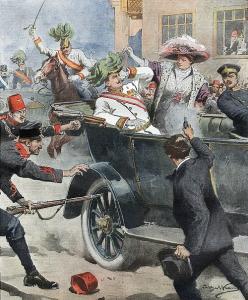
June 28,1914
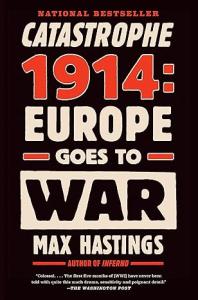
Assassination of Archduke Franz Ferdinand of Austria: Serbian nationalist Gavrilo Princip, 19, assassinates Archduke Franz Ferdinand of Austria and his wife, Duchess Sophie, in Sarajevo, Bosnia and Herzegovina, triggering the July Crisis overnight and eventually World War I. Anti-Serb riots in Sarajevo and Zagreb break out.
August 15, 1914– The Panama Canal is inaugurated with the passage of the SS Ancon.
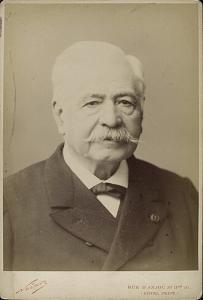
September 1914 – J. R. R. Tolkien writes a poem about Eärendil, the first appearance of his mythopoeic Middle-earth legendarium. Eärendil will much later appear in The Silmarillion. At this time Tolkien is an Oxford undergraduate staying at Phoenix Farm, Gedling, near Nottingham.
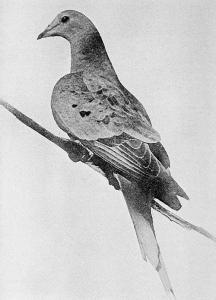
September 1, 1914 – Martha, the last known passenger pigeon, dies, in the Cincinnati Zoo.
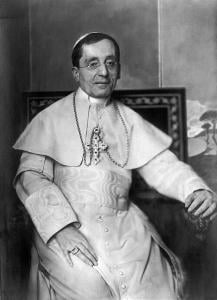
September 3, 1914 – Pope Benedict XV (Giacomo della Chiesa) succeeds Pope Pius X, becoming the 258th pope.
December 24, 1914 – World War I: An unofficial and temporary Christmas truce begins between British and German soldiers on the Western Front.
110 Years Ago

1915 – Dan W. Quinn -“At the Fountain of Youth” – Columbia
Dan was an American tenor. He was one of the first American singers to become popular in the new medium of recorded music. Quinn was a very successful recording artist whose career spanned from 1892 to 1918. Quinn recorded many of his hits in the legendary Tin Pan Alley of New York City.
1915 –Rainmaker Charles Hatfield The San Diego city council, pressured by the San Diego Wide Awake Improvement Club, approached Charles Hatfield to produce rain to fill the Morena Dam reservoir. On January 5, 1916 – Heavy rain began—and grew gradually heavier day by day in San Diego.
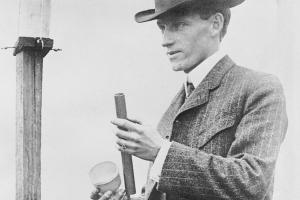
January 19, 1915 – St. David Galván Bermúdez dies.
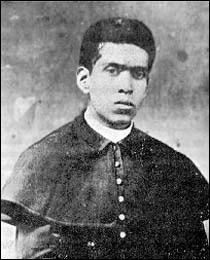
February 1, 1915 – Fox Film Corporation is founded by William Fox.
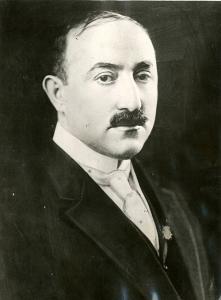
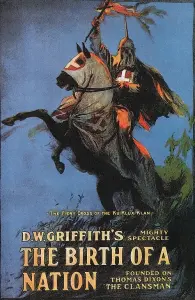
February 8, 1915 – D.W Griffith‘s The Birth of a Nation premieres at Clune’s Auditorium Los Angeles and breaks both box office and film length records (running at a total length of over three hours).
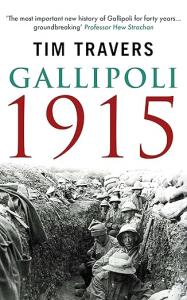
April 25, 1915 – WWI: Start of the Gallipoli Campaign by land forces (lasting until January 1916) – A landing at Anzac Cove is conducted by Australian and New Zealand Army Corps, and a landing at Cape Helles by British and French troops, to begin the Allied invasion of the Gallipoli peninsula in the Ottoman Empire.
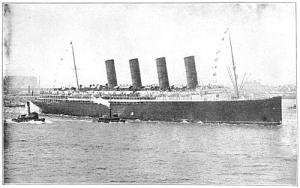
May 7, 1915 – The British ocean liner RMS Lusitania was torpedoed by U-20, a German U-boat, off the Old Head of Kinsale in Ireland and sunk in 18 minutes. 1,198 lives were lost, including 128 Americans. The sinking proved to be a factor in the American decision to enter World War I two years later.
July 16, 1915 – Ellen Gould White (Seventh-Day Adventist Prophet) Ellen Gould White (November 26, 1827 – July 16, 1915) also known as Seventh-Day Adventist Prophetess (sqpn.com) dies. She was an American woman author and co-founder of the Seventh-day Adventist Church. Along with other Adventist leaders such as Joseph Bates and her husband James White, she was instrumental within a small group of early Adventists who formed what became known as the Seventh-day Adventist Church. White is considered a leading figure in American vegetarian history. Smithsonian named her among the “100 Most Significant Americans of All Time”
June 17, 1915 – Shortly after submitting his patent application for the Raggedy Ann doll’s design, Johnny Gruelle applied for a registered trademark for the Raggedy Ann name, which he created by combining words from two of James Whitcomb Riley poems, “The Raggedy Man” and “Little Orphant Annie“. (Riley was a well-known Hoosier poet and a Gruelle family friend and neighbor from the years when they resided in Indianapolis.) The U.S. Patent Office registered Gruelle’s trademark application (107328) for the Raggedy Ann name on November 23, 1915.

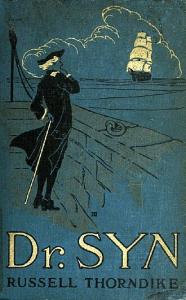
July 1915 – Russell Thorndike – Doctor Syn: A Tale of the Romney Marsh
July 1915 –
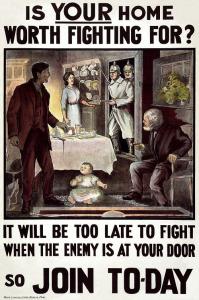
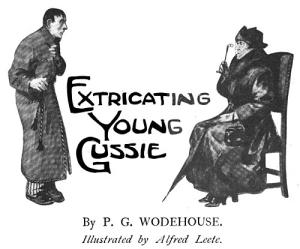
September 15, 1915 – P. G. Wodehouse‘s story “Extricating Young Gussie” is published in The Saturday Evening Post (U.S.). It introduces as characters Jeeves and Bertie.
November 18, 1915 – Release of Inspiration, the first mainstream movie in which a leading actress (Audrey Munson) appears nude.
109 Years Ago
1916 – The first standardized minigolf courses to enter commercial mass-production were the Thistle Dhu (“This’ll Do”) course in Pinehurst, North Carolina.

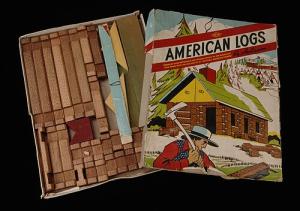
1916 – John Lloyd Wright invents Lincoln Logs.
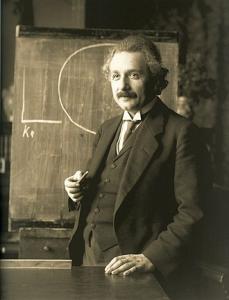
1916 – Albert Einstein publishes “Die Grundlage der allgemeinen Relativitätstheorie” on general relativity in Annalen der Physik 49 and shows that the field equations of general relativity admit wavelike solutions. This will be demonstrated in 2016.
1916 –Las Lajas Shrine in Colombia, begun; completed 1949. The Sanctuary of Our Lady of the Holy Rosary of Las Lajas) is a Catholic minor basilica located within the canyon of the Guáitara River in Ipiales, Nariño Department, Colombia. The Marian shrine is dedicated to the Blessed Virgin Mary as Our Lady of the Rosary. It is a popular pilgrimage site for Christians from both Colombia and neighboring Ecuador, due to a Marian apparition that is purported to have taken place in the 18th century.

1916 –Charlie Chaplin signs for Mutual Film for a salary of $10,000 a week and a signing on fee of $150,000, making him one of the highest-paid people in the United States.
1916 –
I shall be telling this with a sigh
Somewhere ages and ages hence:
Two roads diverged in a wood, and I—
I took the one less traveled by,
And that has made all the difference.
— last verse (lines 16-20)
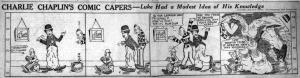
February 29, 1916 –E.C. Segar draws the daily newspaper series Charlie Chaplin’s Comic Capers for a few months, until July 15, 1916.
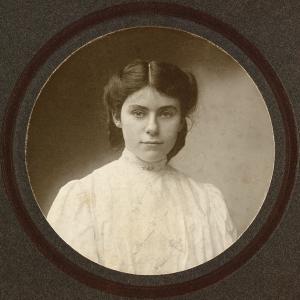
March 22, 1916 – J. R. R. Tolkien and Edith Bratt marry at St Mary Immaculate Roman Catholic Church, Warwick, England. They will serve as inspiration for the fictional characters Beren and Lúthien. Tolkien leaves for military service in France at the beginning of June.
April 24–30, 1916
by
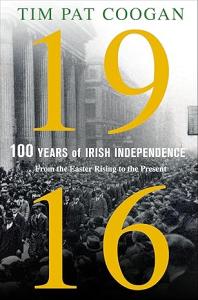
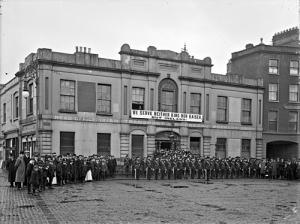
The Easter Rising occurs in Ireland. Members of the Irish Republican Brotherhood proclaim an Irish Republic, and the Irish Volunteers and Irish Citizen Army occupy the General Post Office and other buildings in Dublin, before surrendering to the British Army.
June 24, 1916 – Mary Pickford signs a contract for $10,000 a week plus profit participation, guaranteeing her over $1 million per year.
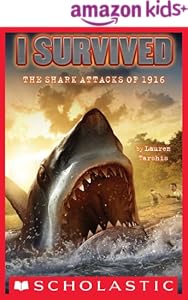
July 1–12, 1916 – Jersey Shore shark attacks of 1916: At least one shark attacks 5 swimmers along 80 miles (130 km) of New Jersey coastline, resulting in 4 deaths and the survival of one youth, who requires limb amputation. This event is the inspiration for author Peter Benchley, over half a century later, to write Jaws.
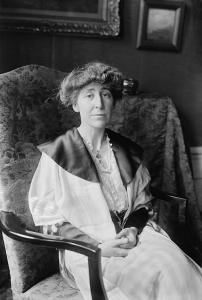
November 7, 1916 – Republican Jeannette Rankin of Montana becomes the first woman elected to the United States House of Representatives.
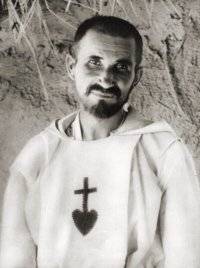
December 1, 1916 – St. Charles de Foucauld dies.
December 4, 1916 – The Rink, directed by and starring Charles Chaplin, with Edna Purviance.

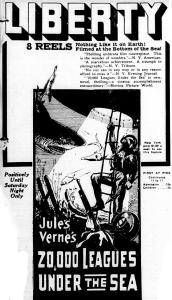
December 24, 1916 –20,000 Leagues Under the Sea, directed by Stuart Paton for Universal Pictures, starring Curtis Benton and Alan Holubar (as Capt. Nemo), based on the novel by Jules Verne.
December 29, 1916 – James Joyce‘s semi-autobiographical novel A Portrait of the Artist as a Young Man is first published complete in book form, in New York by B. W. Huebsch.
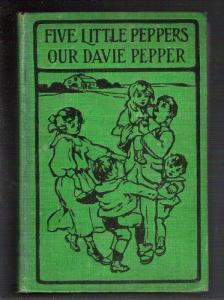
Margaret Sidney – Five Little Peppers Our Davie Pepper – the last of the many Five Peppers books.
108 Years Ago
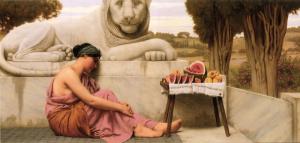
J. W. Godward – The Fruit Vendor
1917 -The first known stories of Pecos Bill were published by Edward O’Reilly for The Century Magazine, and collected and reprinted in 1923 in the book Saga of Pecos Bill.

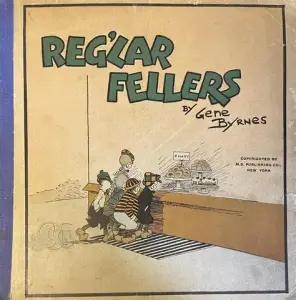
1917 – Gene Byrnes‘ Reg’lar Fellers makes its debut.
January 22, 1917 – François-Bérenger Saunière (April 11, 1852 – January 22, 1917) was a French Catholic priest in the village of Rennes-le-Château, in the Aude region. He was a central figure in the conspiracy theories surrounding the village, which form the basis of several documentaries and books such as the 1982 Holy Blood, Holy Grail by Michael Baigent, Richard Leigh, and Henry Lincoln. Elements of these theories were later used by Dan Brown in his best-selling 2003 novel The Da Vinci Code, in which the fictional character Jacques Saunière is named after the priest.
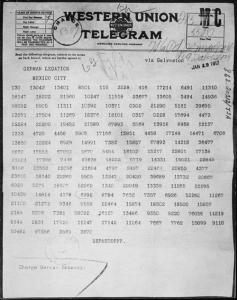
February 24, 1917 – WWI: Walter Hines Page, United States ambassador to the United Kingdom, is shown the intercepted Zimmermann Telegram, in which Germany offers to give the American Southwest back to Mexico, if Mexico will take sides with Germany, in case the United States declares war on Germany.
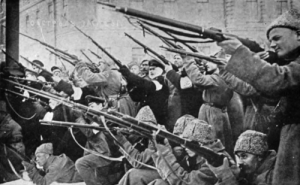
March 8, 1917– The February Revolution begins in Russia: Women calling for bread in Petrograd start riots, which spontaneously spread throughout the city.
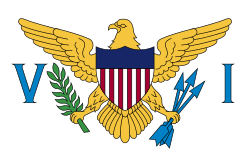
March 31, 1917 – The United States takes possession of the Danish West Indies, which become the US Virgin Islands, after paying $25 million to Denmark.
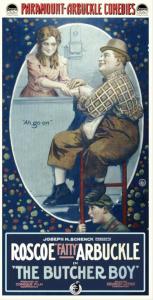
April 23, 1917 – Release in the United States of the short The Butcher Boy, the first of Roscoe “Fatty” Arbuckle‘s series of films with the Comique Film Corporation, and Buster Keaton‘s film debut.
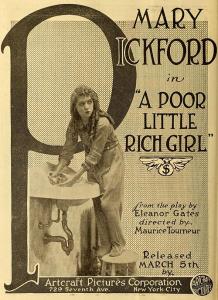
March 5. 1917 – The Poor Little Rich Girl, starring Mary Pickford
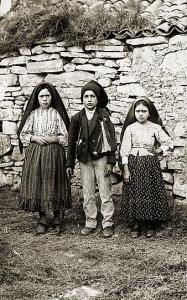
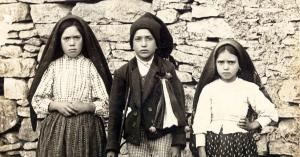
May 13–October 13,1917 (at monthly intervals) – 10-year-old Lúcia Santos and her cousins Francisco and Jacinta Marto report experiencing a series of Marian apparitions near Fátima, Portugal, which become known as Our Lady of Fátima.
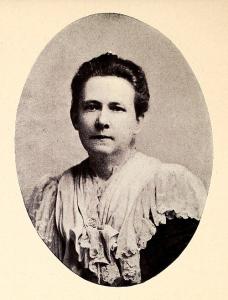
June 4, 1917 – The first Pulitzer Prizes are awarded: Laura E. Richards, Maud Howe Elliott and Florence Hall receive the first Pulitzer for a biography, (for Julia Ward Howe). Jean Jules Jusserand receives the first Pulitzer for history, for his work With Americans of Past and Present Days. Herbert Bayard Swope receives the first Pulitzer for journalism, for his work for the New York World.
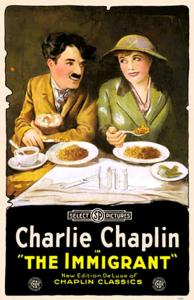
June 17, 1917 – The Immigrant, starring Charlie Chaplin and Edna Purviance
July 13, 1917 – “Over There” w.m. George M. Cohan
July, 1917 – The Cottingley Fairies The first Cottingley Fairies photographs are taken in Yorkshire, England, apparently depicting fairies (a hoax not admitted by the child creators until 1981).

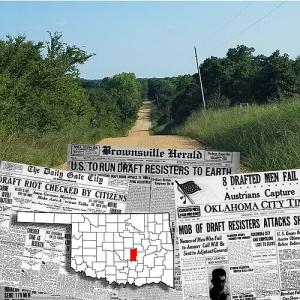
August 2–3, 1917 – The Green Corn Rebellion, an uprising by several hundred farmers against the WWI draft, takes place in central Oklahoma.
- September 1917 -The Industrial Workers of Africa, South Africa’s first predominantly black trade union, is established in Johannesburg.
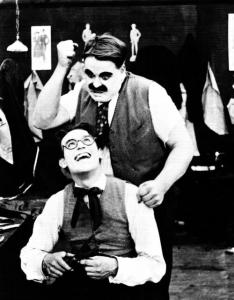
September 9, 1917 – Over the Fence – The film is notable as the debut of Lloyd’s “Glasses” or “Boy” character. Prints of the film survive at the film archive of the Museum of Modern Art.
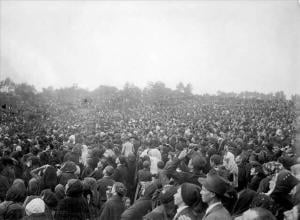
October 13, 1917 -The “Miracle of the Sun” is witnessed by an estimated 70,000 people in the Cova da Iria in Portugal.
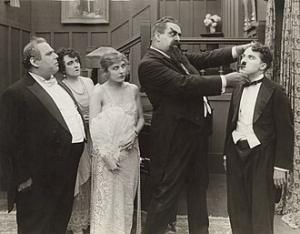
October 22, 1917 –The Adventurer, a Charlie Chaplin short.
November 7, 1917 – (N.S.) (October 25, O.S.) – October Revolution in Russia: The workers of the Petrograd Soviet in Russia, led by the Bolshevik Party and leader Vladimir Lenin, storm the Winter Palace and successfully destroy the Kerensky Provisional Government after less than eight months of rule. This immediately triggers the Russian Civil War.

November 26, 1917 – The National Hockey League is formed in Montreal, as a replacement for the recently disbanded National Hockey Association.

December 22, 1917 – St. Frances Xavier Cabrini dies.
107 Years Ago

January 1918 – 1918 flu pandemic: The “Spanish flu” (influenza) is first observed in Haskell County, Kansas.

January 2, 1918 – Robert Moore Brinkerhoff’s Little Mary Mixup makes its debut.

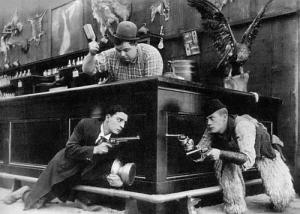
January 20, 1918 – Out West – It is a satire on contemporary Westerns, starring Roscoe ‘Fatty’ Arbuckle, Buster Keaton, and Al St. John.
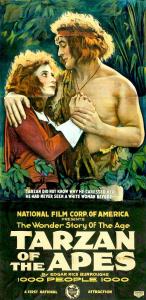
January 27, 1918 – Tarzan makes his film debut in Tarzan of the Apes.
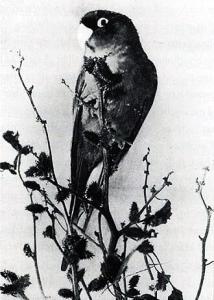
February 21, 1918 – The last known Carolina parakeet (the only parrot species native to the eastern United States) dies in Cincinnati Zoo.
July 17, 1918 – WWI: RMS Carpathia (famed for rescuing survivors of the RMS Titanic) is torpedoed and sunk off the east coast of Ireland, by Imperial German Navy submarine U-55; 218 of the 223 on board are rescued.
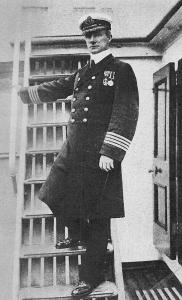
Also on this Date – Execution of the Romanov family: By order of the Bolshevik Party, and carried out by the Cheka, former emperor Nicholas II, his wife Alexandra Feodorovna, their children, Olga, Tatiana, Maria, Anastasia, Alexei and retainers are shot at the Ipatiev House, in Ekaterinburg, Russia.

June 28, 1918 – The Fleischer Studios launch their Out of the Inkwell series, which marks the debut of Koko the Clown.
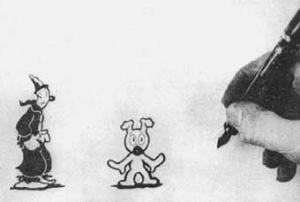
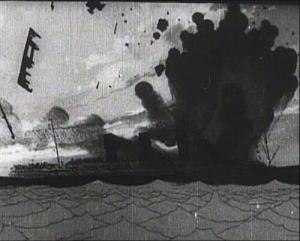
July 20, 1918 – Winsor McCay releases The Sinking of the Lusitania, a landmark in realistic animation. The cartoon is based on the real-life sinking of the RMS Lusitania, which brought the United States into the First World War.
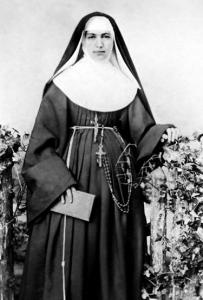
August 8, 1918 – St. Marianne Cope dies.
August 13, 1918 – Women enlist in the United States Marine Corps for the first time. Opha May Johnson is the first woman to enlist.
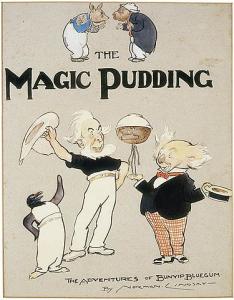
October 1918 – Norman Lindsay – The Magic Pudding: Being The Adventures of Bunyip Bluegum and his friends Bill Barnacle and Sam Sawnoff. It is a comic fantasy and a classic of Australian children’s literature that has remained popular and continued to be adapted for film and theatre.
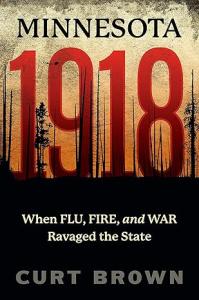
October 12, 1918 – Cloquet Fire: The city of Cloquet, Minnesota, and nearby areas are destroyed in a fire, killing 453.
November 11, 1918 – End of WWI: Armistice of 11 November 1918 – Germany signs an armistice agreement with the Allies, between 5:12 AM and 5:20 AM, in the “Compiègne Wagon“, Marshal Foch‘s railroad car, in the Forest of Compiègne in France. It becomes official on the 11th hour of the 11th day of the 11th month. At 10:59 U.S. soldier Henry Gunther (June 6, 1895 – November 11, 1918) becomes (probably) the last killed in action.
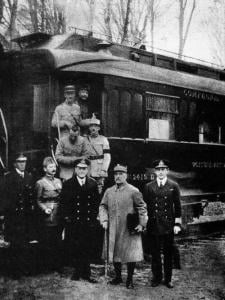
Photograph taken after reaching agreement for the armistice that ended World War I. This is Ferdinand Foch‘s own railway carriage in the Forest of Compiègne. Foch’s chief of staff Maxime Weygand is second from left. Third from the left is the senior British representative, Sir Rosslyn Wemyss. Foch is second from the right. On the right is Admiral Sir George Hope.
November 24, 1918 – Frank King‘s Gasoline Alley makes its debut. It will become one of the longest-running comics series of all time. Walt Wallet makes his debut on December 15, 1918.

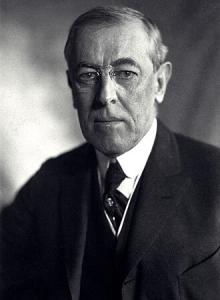
December 13, 1918 –President Woodrow Wilson arrives in France to take part in World War I peace negotiations and to promote his plan for a League of Nations, an international organization for resolving conflicts between nations. HISTORY
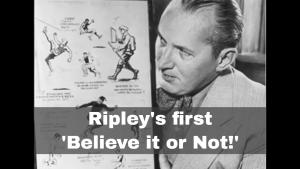
December 19, 1918 –Robert L. Ripley‘s Ripley’s Believe It or Not makes its debut.
106 Years Ago

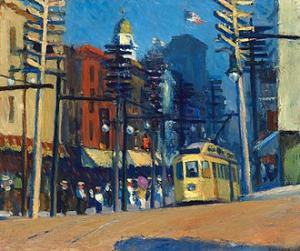
Yonkers – Edward Hopper -1916-1919
C. S. Lewis -Spirits in Bondage (1919; published under pseudonym Clive Hamilton)
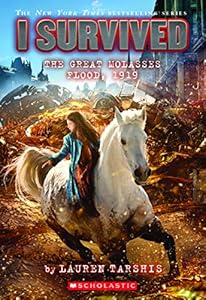
January 15, 1919 – Great Molasses Flood: A wave of molasses released from an exploding storage tank sweeps through Boston, Massachusetts, killing 21 people and injuring 150.
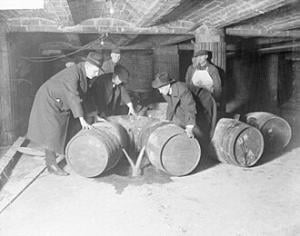
January 16, 1919 – The Eighteenth Amendment (Amendment XVIII) to the United States Constitution established the prohibition of alcohol in the United States. Prohibition agents destroying barrels of alcohol.
January 18, 1919 -The Paris Peace Conference opens in France, with delegates from 27 nations attending for meetings at the Palace of Versailles.
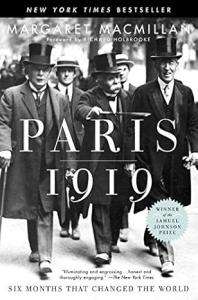
January 25, 1919 – The League of Nations is founded in Paris, France.
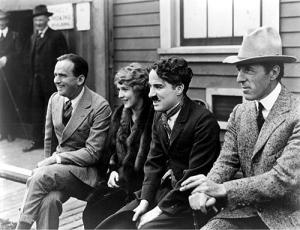
February 5, 1919 – Charlie Chaplin, Mary Pickford, Douglas Fairbanks and D. W. Griffith launch United Artists.
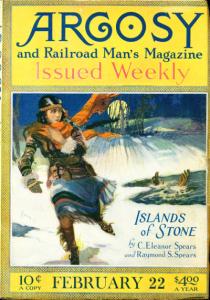
February 22, 1919 – The Runaway Skyscraper by Murray Leinster is his first published science fiction story in Argosy magazine.
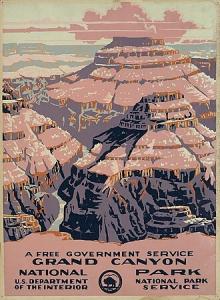
February 26, 1919 – Grand Canyon National Park: An act of the United States Congress establishes most of the Grand Canyon as a United States National Park.
March 19, 1919– The first spoken word radio transmission from east to west across the Atlantic wa made by Marconi’s Wireless Telegraph Company from Ballybunion to Louisburg, Nova Scotia.
April 4, 1919 – Fatima seer St. Francisco Marto dies.
May 10, 1919 – Charleston riot in Charleston, South Carolina killing three black men; beginning of Red Summer.
by

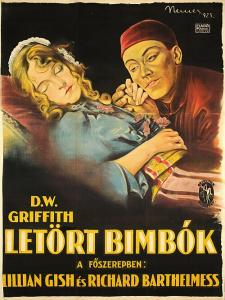
May 13, 1919 –Broken Blossoms, directed by D. W. Griffith, starring Lillian Gish and Richard Barthelmess.
June 1919 – Earl W. Bascom, rodeo cowboy and artist, along with his father John W. Bascom at Lethbridge, Alberta, Canada, designs and makes rodeo’s first reverse-opening side-delivery bucking chute, which becomes the world standard.
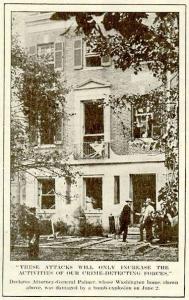
June 2, 1919 – 1919 United States anarchist bombings: Eight mail bombs are sent to prominent figures.
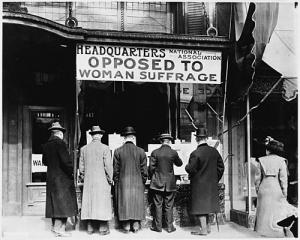
June 4, 1919 – Women’s rights: The United States Congress approves the Nineteenth Amendment to the United States Constitution, which would guarantee suffrage to women, and sends it to the states for ratification.
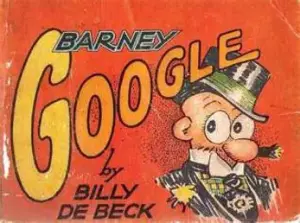
June 17, 1919 – Billy DeBeck‘s Barney Google makes its debut. It will become one of the longest-running comics series of all time.
June 28, 1919 – The Treaty of Versailles is signed, formally ending World War I.
June 29, 1919 – Saint José Gregorio Hernández (October 26, 1864 – June 29,1919) dies.
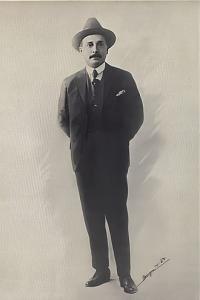
June 28, 1919 – The Treaty of Versailles is signed, formally ending World War I.
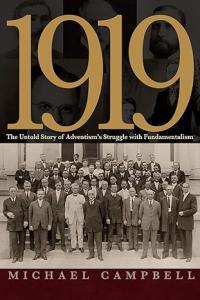
July 1 to August 9, 1919 – 1919 Bible Conference of the Seventh-day Adventist Church takes place.
by
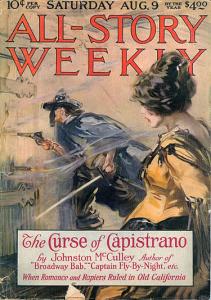
August 9, 1919 – The Curse of Capistrano by Johnston McCulley in The All-Story Magazine, featuring the character Zorro.
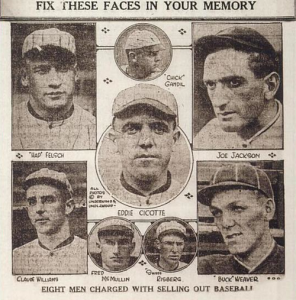
October 1 – 9, 1919 – Cincinnati Reds (NL) defeats Chicago White Sox (AL) to win the 1919 World Series by 5 games to 3
Even before game one of this World Series, there are rumours that some White Sox players have agreed to throw the series to the Reds for payment from gamblers. This will explode a year later in the Black Sox Scandal.
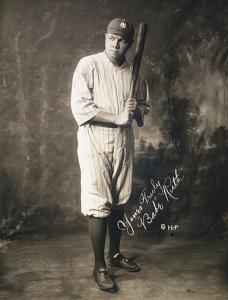
Also Babe Ruth hits 29 home runs for the Boston Red Sox, breaking the single season record of 27 set by Ned Williamson in 1884
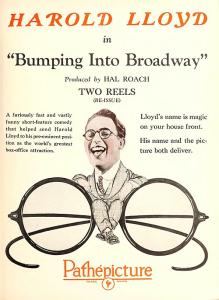
November 2, 1919 –Bumping into Broadway, starring Harold Lloyd and Bebe Daniels. This film is notable as Lloyd’s first two-reeler featuring his “glasses” character.
November 9, 1919 –The Sullivan Studios releases Feline Follies, which marks the debut of Felix the Cat.

December 18, 1919 – Debut of E.C. Segar‘s Thimble Theatre, one of the longest-running newspaper comics of all time.
December 19, 1919 –The characters Ham Gravy and Olive Oyl make their debut in E.C. Segar‘s Thimble Theatre.
December 26, 1919 – American baseball player Babe Ruth is traded by the Boston Red Sox to the New York Yankees for $125,000, the largest sum ever paid for a player at this time, a deal made public at the beginning of January 1920.
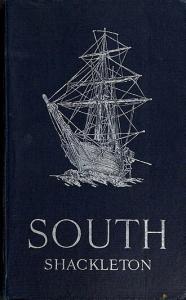
1919 – South is a book by Ernest Shackleton describing the second expedition to Antarctica led by him, the Imperial Trans-Antarctic Expedition of 1914 to 1917. It was published in London by William Heinemann in 1919. In the book Sir Ernest Shackleton,described his belief that an incorporeal companion joined him and his men during the final leg of his 1914–1917 Antarctic expedition, which became stranded in pack ice for more than two years and endured immense hardships in the attempt to reach safety. Shackleton wrote, “during that long and racking march of thirty-six hours over the unnamed mountains and glaciers of South Georgia, it seemed to me often that we were four, not three”. His admission resulted in other survivors of extreme hardship coming forward and sharing similar experiences. This has become known as The third man factor or third man syndrome. The Third Man Syndrome refers to the reported situations where an unseen presence, such as a spirit, provides comfort or support during traumatic experiences.
HOARATS
To Understand
What I love and How I Write About History
Hit the Link Above.

To understand about this particular series I’m writing about, please read
The Catholic Bard’s Guide To History Introduction
And to view a historical article click on










 Ad-Free & Subscriber Log-In