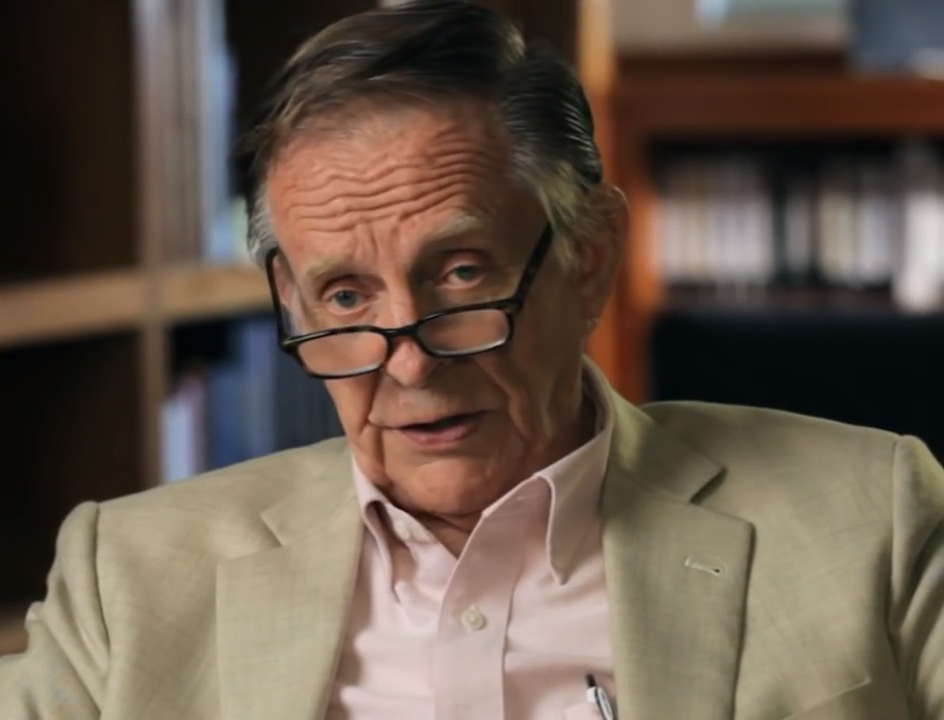
Richard L. Bushman in the 2016 film By Study and Also by Faith
Materials from our “chapter reprint series” are now appearing each week on Wednesdays rather than on Thursdays. This may prove both distressing and confusing to at least one member of our audience, who experienced a psychological crisis on a previous occasion when he became disoriented, accusing us of trying to trick him, so I want to make the fact unmistakably clear that we aren’t claiming these to be new articles. They are republications, online, of chapters that had previously appeared in print. New articles appear on Fridays, as they have always done. The chapter reprint for this week is Steadfast in Defense of Faith: “The Book of Commandments as Literature,” written by Richard L. Bushman:
Part of our book chapter reprint series, this article originally appeared in Steadfast in Defense of Faith: Essays in Honor of Daniel C. Peterson, edited by Shirley Ricks, Stephen D. Ricks, and Louis Midgley. For more information, go to https://interpreterfoundation.org/books/steadfast-in-defense-of-faith/.
“Some years ago, I began reading scriptures in a new way. Instead of reading for doctrine or for the story, I became aware of scriptures as literary creations. I sensed that like science fiction, romance novels, and histories, scriptures invite us to enter alternative worlds. They imagine places quite different from the humdrum world where we live every day. In scripture, miracles occur, God and angels come to earth, voices from heaven speak to people, and God controls events. One way the scriptures influence us is by inviting us to inhabit a world where God reigns and where pleasing Him brings great rewards. The effectiveness of scripture in shaping our lives depends partly on its effectiveness as a literary creation.”
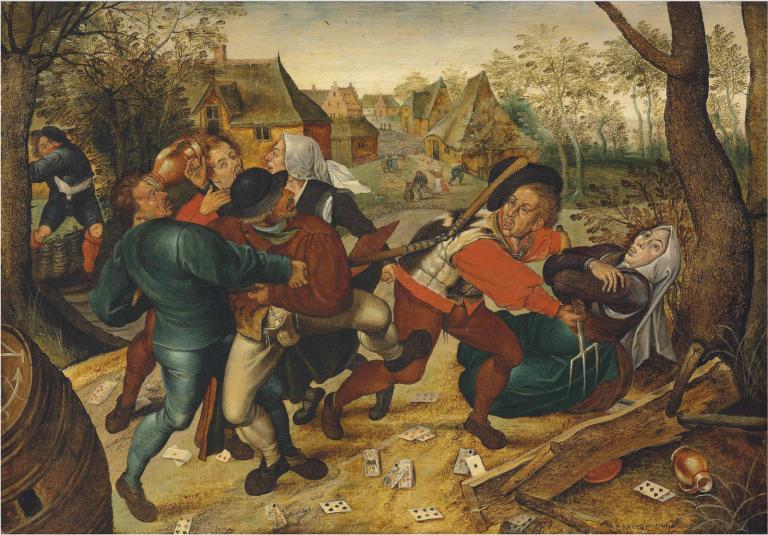
Pieter Brueghel the Younger, “A Country Brawl” (1610), a Wikimedia Commons public domain image. This isn’t perhaps the ideal form that a civil political or religious discussion should take.
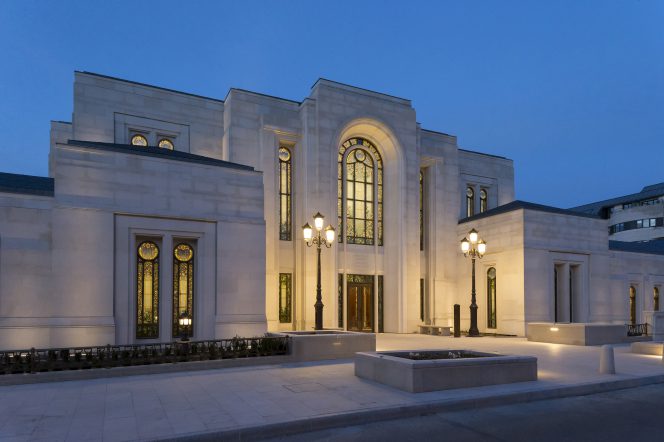
The Paris France Temple by night (LDS Media Library). The temple is located within easy walking distance — I’ve walked it myself — of the famous Parc de Versailles.
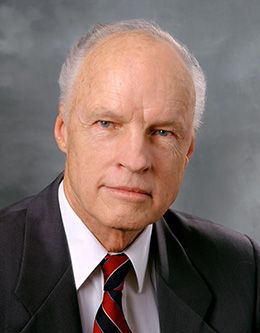
Truman G. Madsen (1926-2009). He would have celebrated his hundredth birthday late this year.
Mortality can be painful. It brings losses. I mention two of them here:
Tim Guymon, who served for many years as the typesetter for Interpreter: A Journal of Latter-day Saint Faith and Scholarship, passed away last month. He lived in Florida, and I never met him. But Allen Wyatt did, and here’s a brief tribute that Allen wrote for our website: “A Note of Passing.”
The independent Latter-day Saint historian Ardis Parshall also died, just the other day. I had some slight contact with her — I find two emails from her, both from several years ago — and may or may not have actually met her once. I knew her mainly by reputation. We were co-signatories in 2018 to an amici curiae brief that was filed with the Supreme Count of the United States regarding President Trump’s proposed “Muslim travel ban.” Here is a tribute to her by Sam Brunson: “In Memory of Ardis Parshall.”
I’ve commented here on several occasions that Truman Madsen was a major influence on me at a pivotal time in my life, and that he continued to be an influence on me and ended up as a friend. I still feel his loss, and I miss him. Meridian Magazine has republished one of his essays in connection with this year’s “Come, Follow Me” curriculum of study in the Old Testament. I recommend it to you: “Power from Abrahamic Tests”
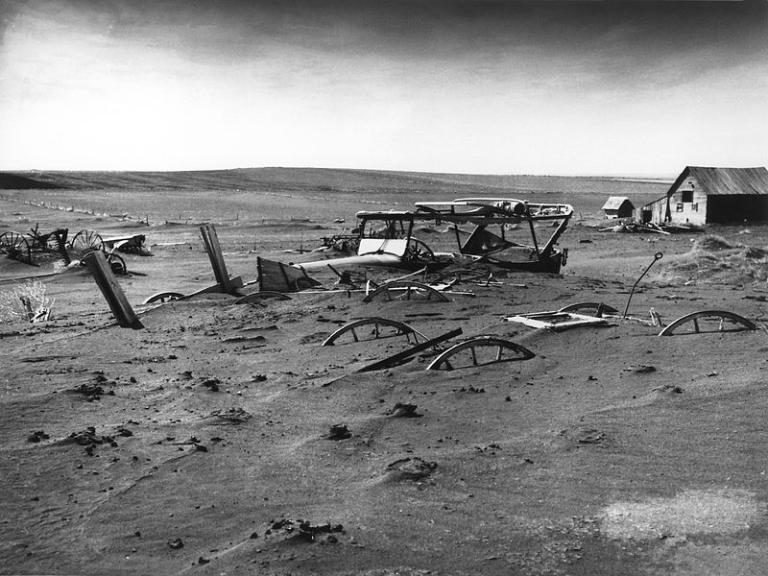
America’s elites once viewed the country’s Christians as silly but essentially harmless, and the territories in which they were dominant as mere cultural and intellectual wastelands. But that benign view, represented by the photo above, has now been replaced in some quarters by a more ominous perspective that regards them as a dangerous threat. (Wikimedia Commons public domain photograph)
I close with a trio of abominations, one quite localized, the other global, and the third “musical” (if you’re willing to call it “music”), from the Christopher Hitchens Memorial “How Religion Poisons Everything” File™:
As a specimen of the damage done to music by theists and theism, I think that this performance of Morten Lauridsen’s O Magnum Mysterium from eleven years ago illustrates that damage powerfully and horrifically. The choir is the St Jacobs Ungdomskör, performing in a church in Stockholm, Sweden. I typically cite this piece as one of my examples of Christmas music, but I only ran across this performance just now, and felt that I had to inflict it upon others:
O magnum mysterium
Et admirabile sacramentum
Ut animalia viderent Dominum natum
Jacentem in praesepio!
Beata Virgo, cujus viscera
Meruerunt portare
Dominum Christum
Alleluia
O great mystery,
and wonderful sacrament,
that animals should see the newborn Lord,
lying in a manger!
Blessed is the virgin whose womb
was worthy to bear
the Lord, Jesus Christ.
Alleluia!
Just think what wonderful music we could have, what a wonderfully rich culture we might enjoy, if we could only escape the influence of religion!













 Ad-Free & Subscriber Log-In