


Immigration can impact the culture of our country. There is strength in our differences, but a lack of assimilation can negatively impact our culture. With the dramatic rise in illegal immigration during the Biden years, the question of assimilation is on the table. What is the right “balance” to strengthen the culture of our society? Let’s take a look.
Different Types of “Assimilation”
There are three very different types of integration in our country:
- Immigrants adopt the dominant culture’s norms, language, and civic identity:
- This protects national cohesion and a shared civic life.
- This risks the loss of heritage and pressure to conform.
- Immigrants keep their culture while adopting shared civic rules and language:
- This creates a balance of unity and diversity.
- The risk is that we end up with parallel communities if integration fails.
- State protects multiple cultural identities equally:
- This provides cultural freedom.
- The risks here are fragmentation and weak shared norms.
Most countries don’t operate under a single model—they blend them. Almost every nation—liberal or conservative—requires civic, not cultural, assimilation. They mostly require:
- Obey the laws of the receiving nation.
- Learn the national language (for citizenship).
- Understand civic principles (constitution, rights, duties).
- Respect public order and equality laws.
These requirements should be common sense to everyone. These are about functioning in society, not erasing identity. The most “balanced” approach is civic assimilation with cultural freedom. This allows the immigrants to retain much of their culture while adhering to the norms and expectations of their new nation.
The Culture in the United States
The United States today operates overwhelmingly under an integration model rather than full cultural assimilation. Federal policy is fragmented, but states and cities are increasingly building systems that support language access, civic participation, and upward mobility rather than demanding cultural uniformity. This stands in stark contrast to China, which recently passed a law requiring full assimilation of all ethnic groups to embrace a common language and culture:
“The new law adopted by China’s rubber-stamp legislature on Thursday mandates the Communist Party to ensure the country’s 55 officially recognized ethnic minorities embrace a common language and culture centered on the country’s Han Chinese majority. It cements Xi’s reversal of decades-old ethnic policies that had tolerated more expressions of diversity.”
One hot topic is Sharia Law, and its place in America. There have been attempts to pass legislation that would bar the implementation of Sharia Law in American cities. At this point, the approach has been to bar the implementation of Sharia Law proactively. Make no mistake, Sharia Law is NOT compatible with the U.S. Constitution. Any Muslim immigrants to the United States must live under the laws defined by the U.S. Constitution.
We encourage diversity as a country and believe that our differences make us stronger. We want immigrants to retain their culture and “blend in” with the other cultures that make up the United States. Every major wave of immigrants brought cultural gifts that reshaped America for the better:
- Germans brought Christmas traditions, kindergarten, and community associations.
- Irish immigrants reshaped labor rights and Catholic parish life.
- Italians brought foodways, festivals, and family‑centered community structures.
- Jewish immigrants brought scholarship, law, medicine, and civic activism.
- Caribbean, African, and Latin American immigrants have revitalized churches, neighborhoods, and entire industries.
America is a mosaic — unity through diversity.
The Catholic View

In Jesus’ time, Jewish communities expected newcomers to:
- Respect the moral law
- Honor the community’s basic norms
- Avoid practices that harm the common good
But they did not demand:
- Ethnic conformity
- Cultural erasure
- Abandoning language, dress, or heritage
This is the exact distinction modern nations struggle with today. Judaism practiced civic, not cultural, assimilation, much like the United States today.
Jesus consistently welcomed:
- Samaritans
- Romans
- Syrians
- Hellenized Jews
- “God‑fearers” who honored Israel’s God without becoming ethnically Jewish
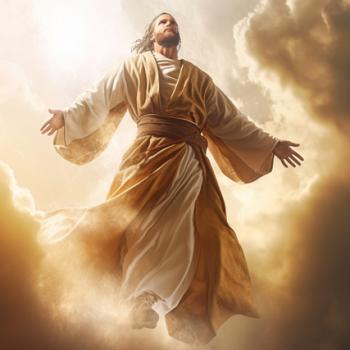
He never demanded cultural assimilation. He demanded conversion of the heart — justice, mercy, faithfulness. Jesus builds a community of transformed people, not uniform people.
Today’s nations can follow the same wisdom of Jesus’ time: require civic responsibility, protect human dignity, and resist the temptation to confuse unity with uniformity. Scripture teaches us that shared commitments — not forced sameness — build a just and flourishing society.
Please share your thoughts about this article in the “Comments” section.
Peace
If you like this article, you might enjoy:
Terror: The Impact of Policies on Security Threats
Operation Epic Fury: A Just War?
Lent: A Season of Holy Awareness












 Ad-Free & Subscriber Log-In