

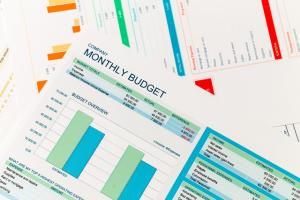
New York City Mayor Mamdani took office on January 1, 2026. In the first month of his administration, Mamdani announced he had inherited “an enormous budget deficit.” Discussions have now started about how to plug the deficit. Did Mamdani inherit this deficit, or is the deficit the result of his plans for the city? Let’s take a look.
Mayor Adams Budget History
Mayor Eric Adams took office on January 1, 2022. Throughout his administration, there have been concerns around the budgeting process, as Mayor Adams’ projected budget deficits were forecast to grow through 2029. New York City Comptroller Brad Lander reported on December 16, 2025, that projected much higher budget deficits were left for the Mamdani administration:
- $2.8 billion (FY 2026)
- $10.4 billion (FY 2027)
- $13.24 billion (FY 2028)
- $12.36 billion (FY 2029)
The article stated:
“The Comptroller’s Office estimates that underbudgeting and fiscal risks could widen the budget gap to more than $10 billion in FY 2027, a budget that the incoming administration will be required to balance in February, shortly after taking office.”
“After years of budget gimmicks, the Adams Administration is walking out the door, leaving the next administration holding the bag as they stare down a more than $10 billion budget gap. Closing a gap of this magnitude is a tall order and undermines the ability to make the investments New Yorkers require. Even amid the Trump Administration’s reckless punishment of cities and states like New York, transparent and responsible financial planning can steady the course and ensure that we meet our City’s long-term needs,” said New York City Comptroller Brad Lander.“
How Did NYC Spending Grow So Fast?
A single factor didn’t drive NYC’s spending growth — it was the result of long‑term structural expansion, temporary revenue windfalls, and new recurring obligations that accumulated over more than a decade:
- The spending base ballooned before the pandemic: Between 2012 and 2019, city‑funded spending increased by $19.7 billion (40.7%), growing 5.7% per year, far faster than inflation. This created a very high baseline that future budgets had to sustain.
- Spending continued to rise even during and after the pandemic: Despite recession conditions, city‑funded spending still grew 22.6% from 2019 to 2025. Even excluding asylum‑seeker costs, spending still rose 17.3%. This shows that the city’s cost structure was expanding regardless of emergency pressures.
- Federal COVID aid temporarily masked the true cost of new programs: NYC used federal pandemic aid to start or expand recurring programs — but those federal dollars were temporary. Once the aid expired, the city had to absorb those costs into its own budget, creating what watchdogs call “fiscal cliffs.
- Revenue windfalls from Wall Street encouraged higher spending: Record personal and business income tax revenues — driven by unusually strong Wall Street profits — allowed the city to expand services. But these revenues were not permanent, and spending commitments outlasted the boom.
- Underbudgeting and deferred decisions compounded the problem: The NYC Comptroller found that the Adams administration repeatedly underbudgeted ongoing costs, leaving “large budget gaps (both budgeted and hidden)” and deferring difficult choices.
- Rising costs in social services, health care, and asylum‑seeker support: The State Comptroller noted that NYC faced rising costs from slowing economic growth, increased demand for social services, and the restructuring of federal and state funding.
The bottom line is that New York City has been plagued by financial mismanagement, reckless spending, and really bad financial decisions for well over a decade.
What’s Next for New York City?

Many people on social media are blasting Mamdani for the budget deficit, when in reality, he has inherited a financial mess. That’s not to say that his policies wouldn’t have exacerbated the situation; they would have. There are some very serious issues here related to how New York City has been managed:
- NYC’s budget rules create incentives to hide problems: NYC is legally required to “balance” its budget every year. But that requirement applies only to the current year, not future years. This makes the budget look balanced even as structural problems grow beneath the surface. Fiscal watchdogs — the Comptroller, Citizens Budget Commission (CBC), and NYC Independent Budget Office (IBO) — have been warning about this behavior for decades.
- Underbudgeting has been a recurring issue; it highlights the NYC government’s lack of transparency about the situation. Underbudgeting occurs when the city budgets less than it expects to spend and then “fixes” it mid‑year. This hides the true cost of government from the public. Watchdogs have documented underbudgeting under:
- Mayor Bloomberg (especially in overtime and homeless services).
- Mayor de Blasio (special education, homeless shelters, labor costs).
- Mayor Adams (rental assistance, overtime, shelter capacity, public assistance).
- Temporary federal aid masked long‑term problems, and revenue booms made the city look healthier than it was.
The NYC government has not consistently been upfront about its budget issues. The city’s balanced‑budget rules, political incentives, and reliance on temporary revenues have encouraged administrations to “cook the books.” Mamdani is already discussing depleting critical city reserves to help plug as much of the gap as possible. He has also discussed raising property taxes on NYC residents.
The Catholic View
Jesus teaches us in the Gospels that everything we do is about the people. The people who will feel the pain first are the poor, the elderly, children, and newcomers to New York City. This will also impact families that struggle to make ends meet. The problem is a large budget gap. Either critical services will be cut, or taxes will be raised. This will only further burden citizens.
Jesus repeatedly calls out dishonesty, evasiveness, and half‑truths. If budgets were obscured, problems hidden, or responsibilities avoided, He would challenge that directly. The NYC government has a history of hiding the truth and lying to the people. They must be held accountable.
The Gospel Charge
Matthew 25:31-40 states:
“When the Son of Man comes in his glory, and all the angels with him, he will sit upon his glorious throne, and all the nations* will be assembled before him. And he will separate them one from another, as a shepherd separates the sheep from the goats. He will place the sheep on his right and the goats on his left. Then the king will say to those on his right, ‘Come, you who are blessed by my Father. Inherit the kingdom prepared for you from the foundation of the world. For I was hungry and you gave me food, I was thirsty, and you gave me drink, a stranger and you welcomed me, naked and you clothed me, ill and you cared for me, in prison and you visited me.”
Then the righteous will answer him and say, ‘Lord, when did we see you hungry and feed you, or thirsty and give you drink? When did we see you a stranger and welcome you, or naked and clothe you? When did we see you ill or in prison, and visit you?’ And the king will say to them in reply, ‘Amen, I say to you, whatever you did for one of these least brothers of mine, you did for me.”
The Bottom Line
The NYC government needs to step up and address the “incentives” and poor communications in the system that put the city’s residents in this predicament in the first place. They need to determine how to plug the budget gap without burdening residents or creating more victims. While Mamdani didn’t cause this mess, he should have seen it during the transition to his administration. If he didn’t see it, that’s bad. If he did and waited to take office to announce it, that’s politics. Both are unacceptable. Let us pray that the right people engage to establish guardrails and communication to prevent this from happening again.
Please share your thoughts about this article in the “Comments” section.
Peace
If you like this article, you might enjoy:
Government Shutdown Part 3: They Failed Us Again!
764 Network: The Rise Of A Dangerous Online Threat
Living A Transformed Life










 Ad-Free & Subscriber Log-In