

The Fourth Synoptic Gospel by Mark Goodacre challenges a longstanding consensus in New Testament scholarship by arguing that the Gospel of John was not composed independently of Matthew, Mark, and Luke, but rather demonstrates literary dependence upon them. This provocative thesis upends generations of scholarly assumptions about John’s origins and invites a fundamental reconsideration of how the Fourth Gospel relates to its canonical counterparts.
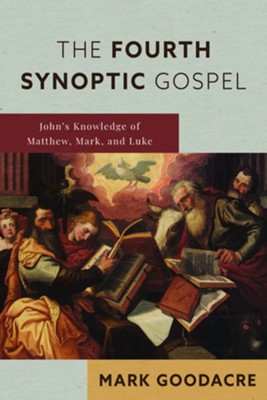
Goodacre’s central argument directly confronts the dominant view that John represents an independent tradition about Jesus, developed separately from the Synoptic stream. Instead, he marshals extensive evidence suggesting John’s author knew and utilized the earlier gospels, particularly Mark, while crafting a distinctive theological narrative. This position, while minority, gains increasing traction as Goodacre systematically demonstrates parallels, shared vocabulary, and narrative overlaps that seem difficult to attribute to coincidence or oral tradition alone.
The book’s methodology is meticulous. Goodacre employs detailed literary analysis, comparing Johannine passages with Synoptic counterparts to identify not just thematic similarities but specific linguistic markers suggesting direct knowledge. He examines shared geographical details, parallel story sequences, and coinciding theological emphases that collectively point toward literary relationship rather than independent development. His treatment of episodes appearing in both traditions—such as the feeding of the five thousand, Jesus’s walking on water, and the anointing at Bethany—reveals subtle connections often overlooked by scholars committed to Johannine independence.
Particularly compelling is Goodacre’s discussion of how John both depends upon and transforms Synoptic material. He shows John’s author engaging in sophisticated rewriting, preserving core narrative elements while elevating christological claims, adding theological commentary, and reshaping chronology for rhetorical effect. This creative engagement with sources, Goodacre argues, mirrors ancient literary practices where authors routinely reworked earlier texts rather than simply reproducing them. Understanding John as “synoptic-aware” thus illuminates interpretive choices that seem puzzling when John is read as entirely independent.
The implications extend beyond source criticism to affect interpretation. If John knew the Synoptics, differences between accounts reflect deliberate authorial decisions rather than alternative traditions. John’s placement of the temple cleansing early in Jesus’s ministry, for instance, becomes a conscious theological repositioning rather than chronological confusion. His omission of certain beloved Synoptic material gains significance as purposeful selection rather than ignorance.
Where Goodacre’s argument faces challenges is in explaining why, if John knew the Synoptics, so much beloved material is absent—no parables, no exorcisms, no Sermon on the Mount. Goodacre addresses this by emphasizing authorial purpose and theological agenda, but some readers may find the selective borrowing he proposes difficult to reconcile with comprehensive Synoptic knowledge. Additionally, the complexity of some literary relationships he traces might strain credulity, appearing occasionally to find connections where simpler explanations suffice.
The book assumes substantial familiarity with Gospel texts and scholarly debates, making it primarily suitable for seminary students, biblical scholars, and serious lay readers. Goodacre writes clearly, but the detailed textual comparisons and engagement with technical scholarship require focused attention and background knowledge.
The Fourth Synoptic Gospel represents a significant contribution to Johannine studies, forcing scholars to reconsider comfortable assumptions about Gospel origins. Whether or not readers ultimately accept Goodacre’s thesis, his work demonstrates the value of questioning consensus views and examining familiar texts with fresh eyes. He models rigorous scholarship that respects tradition while pursuing truth through evidence.
For those interested in how the Gospels were composed, how early Christian communities shaped Jesus traditions, and how literary relationships affect interpretation, Goodacre’s study proves essential reading. It exemplifies how sustained attention to textual details can yield new insights into ancient documents, challenging us to read with greater sophistication and historical awareness.













 Ad-Free & Subscriber Log-In