

A new documentary streaming on Prime Video is tugging at heartstrings and reminding audiences why John Candy remains one of Hollywood’s most beloved figures more than three decades after his untimely death. “John Candy: I Like Me,” directed by Colin Hanks, serves as a tender tribute to the comedic genius behind classics like “Uncle Buck,” “Planes, Trains and Automobiles,” and “Splash.”
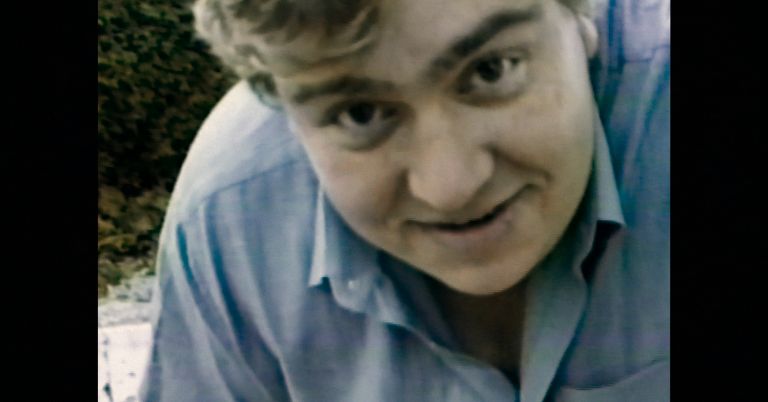
Produced in part by Ryan Reynolds and George Dewey through their Maximum Effort studio, the film weaves archival footage with intimate insights from Candy’s family, friends, and co-stars—including Bill Murray, Eugene Levy, Dan Aykroyd, and Macaulay Culkin—to paint a complete portrait of the man behind the larger-than-life roles.
At its core, the documentary highlights Candy’s quiet Catholicism, a facet of his life that grounded him amid stardom. His wife, Rosemary, reflects in the film on their shared faith: “I grew up as a rebellious Catholic, he grew up as: ‘I’m Catholic.’” The couple married in a Catholic church, and Candy, who served as an altar boy in his youth, was found holding a Bible when he passed away in March 1994 at age 44.
In an exclusive interview, producer George Dewey shared how the project originated from a lifelong admiration for Candy. “Ryan and I have been John Candy fans all our lives,” Dewey said. “One of the first things we talked about when we started Maximum Effort was why no one had ever made a proper John Candy film. We wound up posting a tribute to John in 2019 and becoming friendly with the Candy family, and it kind of grew from there.”
Dewey, who collaborated with Reynolds, emphasized that research reaffirmed Candy’s authentic character. “It wasn’t a real surprise, but it was nice to see how he was genuinely the person you’d hoped he’d be,” he noted. “The surprising part was the resilience of that human. With his father dying when he was five years old, the horrible questions people asked him about his weight—the drive and the perseverance he had are quite admirable.”
Candy’s faith, Dewey believes, played a pivotal role in keeping him humble and shielded from Hollywood’s pitfalls. “He was a very private guy,” Dewey explained. “He was uncomfortable being himself in interviews and much preferred playing characters or doing skits. He was very authentically himself and really never lost his humble makeup, even with all the star power that he amassed, which I’m sure he contributed to his faith.”
When asked if Candy might be more vocal about his beliefs in today’s celebrity culture, Dewey was unequivocal: “I don’t think he would because he was a very private guy.”
The producer also credited Candy’s upbringing and family for steering him right. “Yes, along with his very grounded family upbringing,” Dewey said. “Obviously, he was a man who liked to have a good time, but I think he always returned to the core tenets of how he was raised: faith, family, fun.” This foundation, combined with the reverence from his children and wife, helped him navigate fame without succumbing to its darker traps.
Crafting the 90-minute film was no small feat, given the wealth of material. “Oh, dozens of hours, in addition to the family footage we didn’t end up using,” Dewey revealed. “There are so many interviews and so much pre-existing footage of John; choosing what went in and what did not was the hardest part of the film.”
One of Candy’s lasting impacts, as explored in the documentary, was challenging Hollywood stereotypes about body size. In an era when overweight characters were often villains or comic relief, Candy emerged as a romantic leading man.
“What’s interesting is the nerve this film has struck,” Dewey observed. “As a society over the last decade, we really had an intense debate about weight. And because John didn’t die in the same manner as Belushi or Farley, it’s been fun to watch people embrace how outwardly non-plussed John was in new interviews, even if he was worried about it at home. It’s also been so lovely to see people talk about how much of a leading man he was, and how much his talent showed through even at a time when Hollywood wanted to typecast heavy people.”
Dewey’s personal connection to Candy began early. “I suppose it was Stripes or Vacation,” he recalled. “Those were foundational movies for me and in a few smaller roles, he really stole the show. Then came Splash, Summer Rental, and the others and that’s when I fell in love with him.”
“John Candy: I Like Me” is more than a nostalgia trip—it’s a celebration of a resilient, faith-grounded artist whose warmth and talent continue to inspire. As Dewey put it, the film has left viewers missing Candy even more, while affirming his place as a true Hollywood original. The documentary is now available to stream on Prime Video.








 Ad-Free & Subscriber Log-In