
Doubt is not the opposite of faith, but often a pathway into a deeper, more embodied experience when we are being honest. Read more


Doubt is not the opposite of faith, but often a pathway into a deeper, more embodied experience when we are being honest. Read more

The post resurrection narratives in the Gospel of John are some of the most interesting in the four gospels. Read more

Centering the gospel in resurrection rather than death and dying follows the original witness first proclaimed by women at the tomb. Read more

Easter invites us to align ourselves in that same solidarity, to resist systems that crucify, today, and participate in the work of justice. Read more

Empires are not permanent or unquestionable. Resurrection stores in the context of State violence carry important social implications. Read more
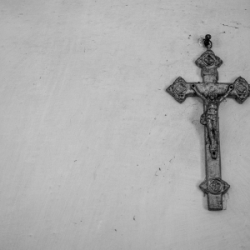
We are left in the wake of state violence and a guard posted at a tomb, and the silence and grief of hoping that resurrection might come. Read more
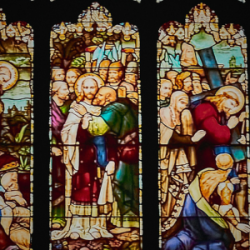
Betrayal hurts deeply because it comes from those we believed stood beside us. Our narrative also reminds us that justice work must continue. Read more

The final scenes offer profound lessons for justice work today. They highlights the dynamics of power, oppression, and systemic injustice. Read more

Liberation requires more than individual transformation; it calls communities to participate actively in our unbinding. Read more
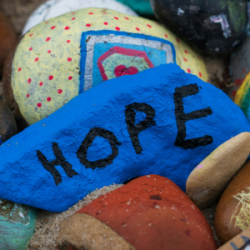
Compassion is not distant from human struggles. Justice work and faithful action begin with genuine solidarity. Read more


Select your answer to see how you score.







 Ad-Free & Subscriber Log-In