
In the gospel of John, belief is tied to actions of tangible, concrete healing, restoration, and liberation. Read more

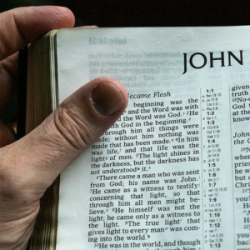
In the gospel of John, belief is tied to actions of tangible, concrete healing, restoration, and liberation. Read more

The path is more than a set of steps. It is relational, embodied, and lived. It is not only about outcomes, but about how we walk. Read more

In a world structured by exclusion, where systems determine who is in and out, this imagery disrupts with a vision of radical inclusion. Read more
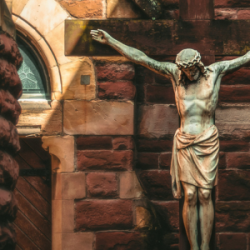
As Christianity became intertwined with empire, the cross became reframed while the Good Shepherd imagery receded in prominence. Read more

A gate can a safeguard against forces that exploit, harm, and dehumanize and gates can also be a barrier designed to exclude. Read more

In contrast to exploitative systems that prioritize profit, control, or power, the Good Shepherd stands as a critique. Read more

Encounters that rekindle hope don't lead us from justice work; they send us back into it. They empower us to take up the work again. Read more

Action is essential. Yet, listening is itself a form of sacred work. The stranger does not interrupt their lament; he invites it. Read more

Emmaus echos the grief familiar to many in justice work today who face the loss of hope in the wake of disappointing outcomes. Read more

The presence of a second ending in chapter 21 does not diminish the ending in chapter 20 but could supplement it. Read more


Select your answer to see how you score.



 Ad-Free & Subscriber Log-In