


Excerpt from the book Copyright © 2025 by Karl Forehand
Am I Getting Better?
“The smart ones ask when they don’t know. And, sometimes, when they do.” – Malcolm Forbes
Every so often, I attempt to carry the coffee filter filled with used grounds and the coffee pot to the sink simultaneously. I know it’s a bad idea since I’ve done it many times before, yet something inside me keeps trying, hoping for a different result.
Am I Getting Better?
For about 25 years, I have observed the inner workings of various smaller churches while assisting in the planting and revitalizing several initiatives. No two efforts are the same, and churches often have distinct perspectives on what makes their ministries unique.
As individuals enter the church’s front door, nearly as many exit through the other door, choosing not to return. This trend has accelerated due to greater access to information, prompting many to question their faith and explore alternative paths. Our primary objective is to attract new members, encourage their involvement, and foster engagement with the church so that they will remain active, contribute financially, and volunteer their time, ensuring the organization’s success.
Some churches are audacious enough to reach out beyond their walls. For more progressive congregations, this may involve setting up a booth at a Pride festival. Churches participate in parades and community events, providing free childcare during their Vacation Bible School and summer camps to encourage parents to engage in the event’s final program. Although these activities may be presented as a way to “save souls,” their primary purpose often serves as a recruitment strategy.
In many contemporary churches, systems are established to warmly welcome individuals at the entrance, address their questions, and connect them with the congregation and the church’s mission. This practice of abundant kindness, often seen with new pastors, is called the honeymoon phase. During this period, the community expresses great joy over a new pastor, showering them with praise while holding back their concerns for later.
Nearly all churches hold a service each week. Whether it’s called Mass, a worship service, or a temple gathering, this organized and rehearsed event aims to uplift attendees while reinforcing the community’s beliefs. Approximately 70% of the funds collected during offerings are allocated for buildings, salaries, and the weekly program. This approach appeals to new members and strengthens existing congregants’ convictions that they belong to the right group and have divine support.
As I have mentioned, most pastors and churches begin with sincere intentions and ambitious goals to help individuals and make a difference in their communities. However, as a new church evolves into an organization, its needs often precede its members. Churches tend to prioritize the collective over the individual. Consequently, individuals may feel overlooked when a church becomes overloaded with activities and the staff and congregation focus on attracting new members and maintaining weekly services. If they express their concerns, they are typically encouraged to engage more—a suggestion often perceived as merely adding to their workload.
It’s easy to see this as typical for any group, which may be true. However, the individual who entered the situation likely wasn’t adequately healed before being assigned a role and set to work. It’s rare for a pastor to skip a Sunday service or mass to care for a congregant, as Jesus recommended.
I believe there are several reasons why churches fail to address the needs of their congregation or help them effectively manage their trauma and toxic shame.
They are Too Busy
As mentioned, organizations set priorities, often focusing on recruiting new members and maintaining operations. Providing individuals with quality mental health counseling and trauma-informed healing requires significant time, patience, and financial resources. When a church experiences success, it often becomes too absorbed to continue caring for the newly rescued lost sheep.
Churches effectively regulate emotions, even if they don’t fully understand the process. When someone hugs you, shakes your hand, or remembers your name, it releases chemicals that promote relaxation and a sense of well-being. The service aims to uplift attendees but can also evoke strong emotions, ultimately guiding them toward emotional regulation when they cry and connect with others.
Despite churches’ claims of miraculous healings, substantial evidence is lacking. We have spoken with numerous dedicated former Christians who were exemplary members, adhering to church teachings even when those teachings became harmful. In reality, little healing has occurred. What they often encountered was a blend of the church’s positive aspects and triggering, fear-based messages, which trapped them in a relentless cycle of self-blame and submission to the organization.
The church rarely addresses mental health and trauma issues, choosing instead to rely on the belief that God will provide miraculous healing. After serving as a pastor for 20 years in various ministries, including those focused on deliverance, I find little concrete evidence that this approach is effective.
After leaving the ministry, I instinctively attributed my healing to my willingness to embrace new ideas and the time I had to explore them, free from church attendance and the influence of clergy and organizational systems. Ultimately, I concluded that I didn’t want to reach the end of my life without having improved simply because I hadn’t made time for therapy.
They Don’t Understand the Problem
Churches often fall behind on social issues. Many religious organizations view the outside world as sinful, dangerous, and unpredictable, leading them to isolate themselves and promote their practices as superior. This approach can prevent them from embracing new insights that could help them improve and address their vulnerabilities.
When pastors lack an understanding of psychological issues and the nature of trauma, they may struggle to support their congregations effectively, unintentionally exacerbating situations. They might dismiss valuable practices, mistakenly believing they are acting appropriately due to a disconnect from scientific insights. A troubled church member could even face ridicule or additional trauma when criticized for lacking faith in God to overcome their challenges.
As a pastor, I observed this dynamic develop in my churches. After the first year, I realized that many individuals were struggling and hoped the church could provide solutions. Consequently, they often expressed loyalty to the pastor and committed to church practices, even when it might not align with their best interests. They were encouraged to prioritize Jesus first, others second, and themselves last. While this concept may seem appealing, it often leads to deeper issues.
The church worsens trauma, complicating efforts to distinguish its organizational goals from authentic support for long-term recovery. Leaders may unintentionally cause further harm through practices and beliefs that tend to favor traditional methods over innovative strategies designed to assist individuals facing trauma and mental health issues. Their attempts at resolution often yield superficial solutions, relying on clichés and platitudes that offer only temporary comfort.
People Aren’t Allowed to Complain
As both a pastor and a congregant, I sometimes felt stuck in my spiritual growth within the church. After leaving, it became clear that I faced ongoing personal challenges and had much work ahead for my development. Fortunately, I quickly gained insights from various sources and learned how to heal with the support of experienced mentors.
From my observations, religious organizations often suppress such inquiries. We were encouraged to respect the pastor’s vision for the church and refrain from criticism or questioning, which was essential for the organization’s sustainability. A pastor is unaccustomed to evaluation or critique when they react excessively to simple questions or when faced with a suggestion for an alternative approach.
As a pastor, I hesitated to engage with what I saw as negativity or criticism. I dedicated considerable time and effort to ensuring the organization’s success and preferred not to constantly justify my decisions or consider changes that might require extensive time. I cared deeply for my congregants and churches. However, while leading the process, my focus on my vision often led me to overlook the complexity of people, their questions, and the valuable ideas they could offer that might benefit us. Getting off track is easy, especially when things are going well.
A Way Forward
Identifying a problem is one of the initial steps toward finding a solution. Most pastors don’t intend to harm or let their congregations suffer. The challenge in addressing this issue lies in pinpointing the problem when one is deeply involved with the organization. Given the organization’s systemic nature, the affected individual needs to gain some distance so they can gain a clearer perspective. This issue persists and shows no signs of improvement.
I encourage everyone to adopt a trauma-informed perspective. Laura is involved with an organization that provides many educators with this essential knowledge. The church must prioritize mental health and enhance our understanding of brain function, the effects of trauma, and the benefits of somatic therapies and practices. While it may have been acceptable to remain unaware of these issues in the past, in this information age, where knowledge is abundant, we should utilize it effectively instead of dismissing it simply because our ancestors or even the authors of our sacred texts were uninformed about it.
We must stop shaming individuals into believing it’s their fault if they aren’t improving. This belief is linked to damaging ideas like original sin and human depravity, making breaking the cycle hard. Congregation members have begun attributing all positive outcomes to God, feeling guilty for lacking commitment or failing to improve. This creates a vicious cycle of toxic shame, repentance, rededication, and ongoing trauma.
As a former pastor and lifelong learner, I assure you that effective ways exist to enhance and lead a productive, healthy, and vibrant life. This can be achieved with or without religion; however, if we experience trauma within that system, taking a break may be necessary for healing. I believe that somatic therapies, which connect the mind and body, are among the most effective practices because they help us integrate our trauma rather than ignore it.
I can confidently say that I have engaged in more therapy and healing, making more significant progress than ever. Taking a break from organized religion has benefited me; ultimately, I realized I didn’t need it. Despite stepping away from my ministry and stopping church attendance, I now enjoy significantly more peace and productivity in my life, especially after experiencing a stroke three years ago.
Improvement requires dedication, patience, integrity, persistence, and a strong desire to find solutions. Thankfully, effective therapies are available. We cannot avoid the challenges of human nature or the need to evolve from the circumstances we encounter. Each day, we learn more about what works and what doesn’t, and we refuse to rely on unrealistic solutions from systems that have historically failed to address these issues. Be brave and commit yourself to be better!
I can confidently say that everyday in every way I am getting better and better.
Questions About Questions
What belief(s) did you inherit concerning this question?
How is your response to this question changing?
Learn to be Where You Are (Presence)
Learn to be Who You Are (Authenticity)
Finding Regulating and Somatic Healing
Are you genuinely committed to deconstruction and seeking more profound answers?
If that’s the case, this book was created for you. As a former pastor, I made the mistake of deconstructing a bit and then trying to start something new, as I was trained to do. The problem with that approach is that I wasn’t ready to begin something new.

I hadn’t delved deeply enough or asked enough questions. The first stage of deconstruction typically includes assessing our beliefs regarding hell and the afterlife, supporting queer individuals and women in their fight for equality, and achieving a better understanding of racism and privilege.
Many people in deconstruction communities expend significant effort criticizing Evangelicals and attempting to gain a following. While I believe they deserve intense criticism, this strategy fails to effectively tackle the problem because they generally don’t listen to us!
Our tendency to punish our former organizations sometimes overlooks the challenging process of healing and growth. It is the same trap we fell into in our former associations.

Campfires occupy a special spot in the mosaic of history. They act as communal hubs across different cultures and faiths. The campfire’s circular design fosters equal participation within the collective group. The flames at the center draw our focus and encourage face-to-face interactions as we exchange experiences, wisdom, and insights about the world beyond. It is where legendary myths and tales are born.
Order Now – Study Questions in each chapter!
This book is named Campfires in the Desert as it stems from nearly 400 discussions we held with individuals on our podcast, The Desert Sanctuary, and our aspiration to improve.
Available now!
Thanks for considering us, autographed copies are $20
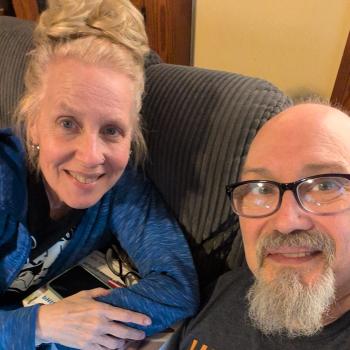
Karl Forehand Campfires in the Desert – A Soft Book Release. Karl Forehand is a former pastor, podcaster, and award-winning author. His books include Out into the Desert, Leaning Forward, Apparent Faith: What Fatherhood Taught Me About the Father’s Heart, The Tea Shop, and Being: A Journey Toward Presence and Authenticity. He is the creator of The Desert Sanctuary podcast and community. He has been married to his wife Laura for 35 years and has one dog named Winston. His three children are grown and are beginning to multiply! You can read more about the author here.
















 Ad-Free & Subscriber Log-In