

 The winter solstice—the darkest day of the year—is Sunday, and I think most of us will be glad when we’re on the other side of it. We don’t like the dark much.
I’m not talking about long-walks-in-the-moonlight or sing-around-the-campfire type of dark. We’re fine with that sort of stuff. Heck, all of you probably appreciate a nice, darkened movie theater as much as I do. But walking down a black, unfamiliar alleyway? Knocking around a shadowy old house? Even if that house is yours? Yeah, that’s a horror movie waiting to happen.
When he was 4 or so, my son once said it wasn’t so much the dark he was scared of. It was the stuff that could be in the dark that freaked him out. Pretty insightful, coming from a kid who couldn’t tie his shoes. I think our fear of the dark is partly primal—in the days when we humans were as hunted as we were the hunters. You never know what’s lurking right outside the range of the campfire, licking their chops. But there’s more to it, I think: Darkness is where our hidden sins and predilections find life. Crimes take place in the cover of darkness. Forbidden liaisons. Secrets switch hands in the shadows. Sometimes, we’re scared of the darkness in ourselves.
Movies play off this fear constantly. Monsters come out at night.
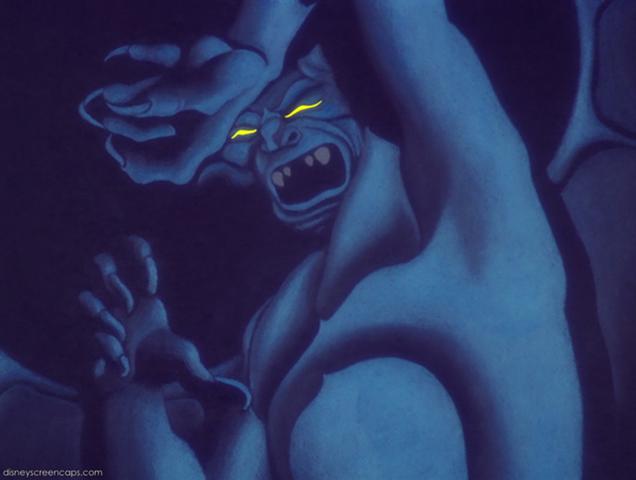
 Think Pitch Black—the first movie in the Chronicles of Riddick series—wherein a spaceship crashes on a planet filled with vicious, photosensitive predators waiting for night to fall. Think of 30 Days of Night, where vampires run the town of Barrow, Alaska, for a month-long sunless stretch. Think of the “Night on Bald Mountain” segment of Fantasia, where the towering demon Chernabog parties all night long. Werewolves need a little moonlight before they can really howl. Ghosts rarely show up for afternoon tea. Almost every fright flick depends on darkness for its scares.
This distaste for the dark extends to other genres, too. In Nightcrawler, Gake Gyllenhaal’s Louis Bloom, stalks L.A.’s shadowed streets, looking for misery and disaster to record and broadcast. In the sci-fi world of The Maze Runner, the aforementioned maze shuts tight at night, and we learn that anyone caught in the maze after dark is dystopian toast. Birdman’s most critical, most discomforting scenes take place at night, underneath Broadway’s artificial canopy of stars.
It’s not the dark we’re afraid of. We’re scared of what’s in it.
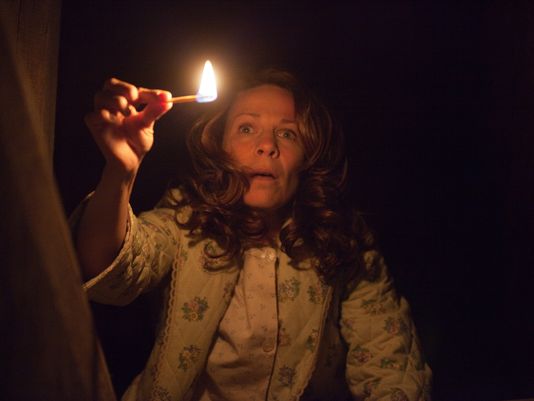
As such, light becomes a narrative savior in many movies. Chernabog retreats when he hears churchbells, heralding the dawn. In the classic silent film Nosferatu, the vampire is destroyed by the sun. In The Conjuring—one of the creepiest horror films I’ve seen for the last several years—mother Carolyn Perron is freed of her demon when the first rays of the day hit her mottled face. Sometimes even the darkest of movies remind us there is light.
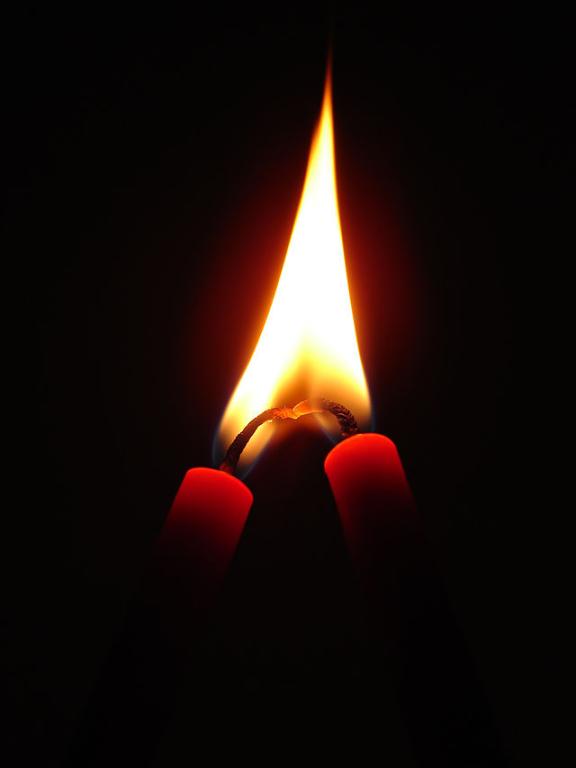 It’s so fitting that Christmas is observed right on the heels of the year’s darkest day. After all, Christmas is celebrating the birth of Jesus—a light in a dark, dark world. The symbolism of the season is all around us, from the advent candles in our churches to the twinkling lights in our neighborhoods. In this darkest of seasons, light has come.
“I am the light of the world,” Jesus tells us in John 8:12. “Whoever follows me will not walk in darkness, but will have the light of life.”
I like that verse. It doesn’t say that Jesus rids the world of darkness. It’s still around us, and we don’t need to wait for the solstice to feel it. But we don’t have to be afraid of it anymore. We carry the light inside us. Like a coal, to paraphrase Annie Dillard, with which we will not part.
See you on the other side of the solstice, my friends.







 Ad-Free & Subscriber Log-In