Special Offers
Buddhist
Catholic
Contemplative
Evangelical
General Christian
Hindu
Jewish
Latter-day Saint
Muslim
New Visions
Progressive Christian
Beliefs
Buddhist
Catholic
Contemplative
Evangelical
General Christian
Hindu
Jewish
Latter-day Saint
More Voices
Muslim
New Visions
Pagan
Progressive Christian
Topics
Religion News
Food and Religion
Sports and Religion
Religious Art
Religious Music and Entertainment
Religious Events
History and Religion
Style and Religion
Politics and Religion
Women in Religion
Recreation Outdoors and Religion
Business Finance and Religion
Careers Workplace and Religion
Education and Religion
Family Parenting and Religion
Health Fitness and Religion
Home and Religion
Relationships and Religion
Technology and Religion
Travel and Religion
Columnists
Buddhist Columnists
Business Finance and Religion Columnists
Careers Workplace and Religion Columnists
Catholic Columnists
Contemplative Columnists
Education and Religion Columnists
Evangelists Columnists
Family Parenting and Religion Columnists
General Christian Columnists
Health Fitness and Religion Columnists
Hindu Columnists
History and Religion Columnists
Home and Religion Columnists
Jewish Columnists
More Voices Columnists
Latter Day Columnists
Muslim Columnists
New Visions Columnists
Nonreligious Columnists
Pagan Columnists
Politics and Religion Columnists
Progressive Columnists
Recreation Outdoors and Religion Columnists
Relationships and Religion Columnists
Religion News Columnists
Religious Art Columnists
Religious Events Columnists
Religious Music and Entertainment Columnists
Sports and Religion Columnists
Style and Religion Columnists
Technology and Religion Columnists
Travel and Religion Columnists
Women in Religion Columnists
Resource Library
2025 Calendar
Library of World Religions
The 100 Most Holy Places on Earth
Patheos Answers
Podcasts
Videos
Faith Leaders Database
Anglican Episcopalian
Bahai
Baptist
Buddhism
Christianity
Confucianism
Eastern Orthodoxy
Hinduism
Holiness and Pentecostal
ISKCON
Islam
Judaism
Lutheran
Methodist
The Church of Jesus Christ of Latter-day Saints
New Age
Paganism
Presbytarian and Reformed
Protestantism
Religion Behind the Scenes
Roman Catholic
Scientology
Shia Islam
Sikhism
Sufism
Sunni Islam
Taoism
Zen
See all religions
Research Tools
Comparison Lens
Preacher Resources
Teacher Resources
Video
Podcasts
Thought Readers
Faith In Media Tracker
E-Books and Other Special Offers
God's Cheat Sheet to Finances
Books of the Bible Study series
History of the Bible
7 Day Prayer Challenge for Spouses
A Different Kind of Christian
Jesus is Love
Prayer Devotional
The Saints We Love
FaithChatter Conversation Cards
Newsletters
Special Offers
Ad-Free & Subscriber Log-In
Subscription Support
Trending:
Pope Leo Xiv
|
Israel
|
Trump
|
Social Justice
|
Peace
|
Love
Muslimah Media Watch
Home
About MMW
MMW Contributors
Comment Moderation Policy
Resources
Home
Muslim
Religion News
About
All Posts by
Why, My Brother? On Terror in Ramadan
I was breaking my twenty hour fast when I saw the footage...
read more
Friday Links
British Pakistani Azi Ahmed has written a book called 'Worlds Apart', about...
read more
Ramadan Mubarak!
We at MMW would like to wish you all a wonderful, happy and blessed Ramadan. Whether...
read more
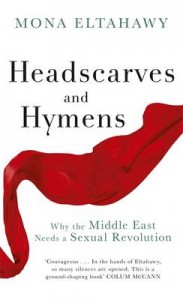
A Roundtable on Mona Eltahawy's Headscarves and Hymens
We will soon have a full review of Mona Eltahawy's Headscarves and...
read more
Defensiveness in the Time of Da’esh
One of the events at the All About Women program held at...
read more
Who Can Talk About Palestinian Misogyny?
Palestinian rap group Dam’s latest song “Who You Are,” featuring newest member...
read more
When Arab Women Artists "Revisit The Harem"
Originally published here. Where does parody end and self-exoticization begin? At what point...
read more
«
1
2
3
4
5
»
Browse Our Archives
Select a Category
Advertisements
Art/Theater
Books/Magazines
Cinema
Comics/Cartoons
Culture/Society
Events
Fashion
Film
Friday Links
Merchandise/Commodities
MMW Announcements
MMW Highlights
Music/Radio
News
Photography
Politics
Profile
Ramadan 2012
Ramadan 2013
Ramadan 2014
Ramadan 2015
Roundtable
Satire
Social Media
Sports
Technology/Science
Television
Uncategorized
Video
Web
Select a Month
November 2015
October 2015
September 2015
August 2015
July 2015
June 2015
May 2015
April 2015
March 2015
January 2015
December 2014
November 2014
October 2014
September 2014
July 2014
June 2014
May 2014
April 2014
March 2014
February 2014
January 2014
December 2013
November 2013
October 2013
September 2013
August 2013
July 2013
June 2013
May 2013
April 2013
March 2013
February 2013
January 2013
December 2012
November 2012
October 2012
September 2012
August 2012
July 2012
June 2012
May 2012
April 2012
March 2012
February 2012
January 2012
December 2011
November 2011
September 2011
August 2011
July 2011
June 2011
May 2011
April 2011
March 2011
February 2011
January 2011
December 2010
November 2010
October 2010
September 2010
August 2010
July 2010
June 2010
May 2010
April 2010
March 2010
February 2010
January 2010
December 2009
November 2009
October 2009
September 2009
August 2009
July 2009
June 2009
May 2009
April 2009
March 2009
February 2009
January 2009
December 2008
November 2008
October 2008
September 2008
August 2008
July 2008
June 2008
May 2008
April 2008
March 2008
February 2008
January 2008
December 2007
November 2007
October 2007
September 2007
August 2007
Follow Us!
TRENDING AT PATHEOS Muslim
What the Fourth of July Means to a...
As we mark another Fourth of July, millions of Americans will celebrate...
Faith and Flag: A Muslim's Love
Written by Asadullah Khan Peace and blessings be upon you! This greeting...
Deli Boys, Muslim Punk & Mortal Kombat with...
New Podcast Episode 25: Deli Boys, Muslim Punk Rock & Mortal...
Reflection on India-Pakistan Conflict of 2025
On April 22nd, 2025, 26 innocent tourists were killed in a terrorist...
Islam Growing Fast In America And World
Islam is the third-largest religion in the United States, the second-largest religion...
Exploring American Muslim Histories with Aymann Ismail
Aymann Ismail is an accomplished journalist with a deep passion for stories...
view all Muslim blogs









 Muslimah Media Watch







 Ad-Free & Subscriber Log-In