2015-06-14T16:54:16-04:00

BEN: On p. 89 you talk about the idea of nominalistic voluntarism, which is to say the idea that God is free to do anything he chooses to do, without being constrained or limited by the divine character. This idea is denied by Arminius, but seems to be affirmed by various Calvinists, especially those who see God’s will as his primary attribute, and even his knowledge is based entirely on what he had already preordained. What are the problems with... Read more

2015-06-14T16:54:34-04:00

BEN: I take it as given that you have established both that there are some strong incompatibilities between Calvinism and Arminianism, but at the same time there are some strong agreements between the two theological systems. Is there a value in emphasizing the latter instead of the former, and if so why? Why as well do you think so many Baptists are illogical when they say things like ‘I’m a two (or even one) point Calvinist— I believe in once... Read more

2015-06-19T15:52:19-04:00

Those folks at Pixar deserve a raise. They’ve consistently made the best animated films from Finding Nemo to Up (and beyond) in the last twenty years. And ‘Inside Out’ is just as impressively creative and humorous. I haven’t laughed this much at a movie in a while. As you will see from the clip above, the focus of the film is on emotions, and in particular certain emotions— joy, sadness, fear, disgust, and yes anger. Notice what’s missing— where oh... Read more

2015-06-14T16:54:57-04:00

BEN: At one point you say (p. 70) “Scripture alone cannot prove one side right and other side wrong”. I think I must disagree. Scripture is consistent on these issues precisely because it reflects the consistent mind and revealed will of God. While it is true that equally good exegetes may come to different conclusions or privilege different texts in their interpretative schemes, this doesn’t mean they are both right. In fact they could be both wrong in their interpretations.... Read more

2015-06-14T16:55:16-04:00

BEN: One of the major emphases in Stanglin and McCall’s fine book on Jacob Arminius is that Arminius did not agree with Beza et al. on the issue of monergism, which is to say that God is the direct or effective cause of all things. Arminius continuously sought to exonerate God from the charge that he is the author of evil and sin, and the way he went about it was to say that human choices when it comes to... Read more

2015-06-14T16:55:37-04:00

BEN: On p. 55, you talk about Wesley’s treatise on divine sovereignty compared to Calvin’s view. Would you say that while Wesley agrees with Calvin that God is sovereign, absolutely so, and could do what He will, that they disagree on how God exercises that sovereignty. In other words, sovereignty for Calvin is the attribute which norms and directs all God’s other attributes, whereas for Wesley, sovereignty is exercised and normed by the love of God, the mercy of God... Read more

2015-06-14T16:55:59-04:00

BEN: On p. 51 you quote the Westminister Confession about ‘the chief end of humans being to glorify God and enjoy him forever’. You go on to quote Arminius to that effect. But what that Confession in fact does not say is ‘the chief end or purpose of God is to glorify himself!’ a rather different matter than it being the chief purpose of humans to glorify God. Could you clarify this please? Was Arminius only saying just what the... Read more

2015-06-14T16:56:23-04:00

BEN: Roger you seem to spend a good deal of effort trying to say that Arminian theology could rightly be called a form of Reformed theology, though one distinct from high Calvinism at various points. From a point of view of historical theology, I understand this, but wouldn’t it be better simply to say that both Calvinism and Arminianism are Protestant attempts to faithfully do Biblical theology, especially when it comes to doing justice to what the Bible says about... Read more

2015-06-11T07:32:42-04:00

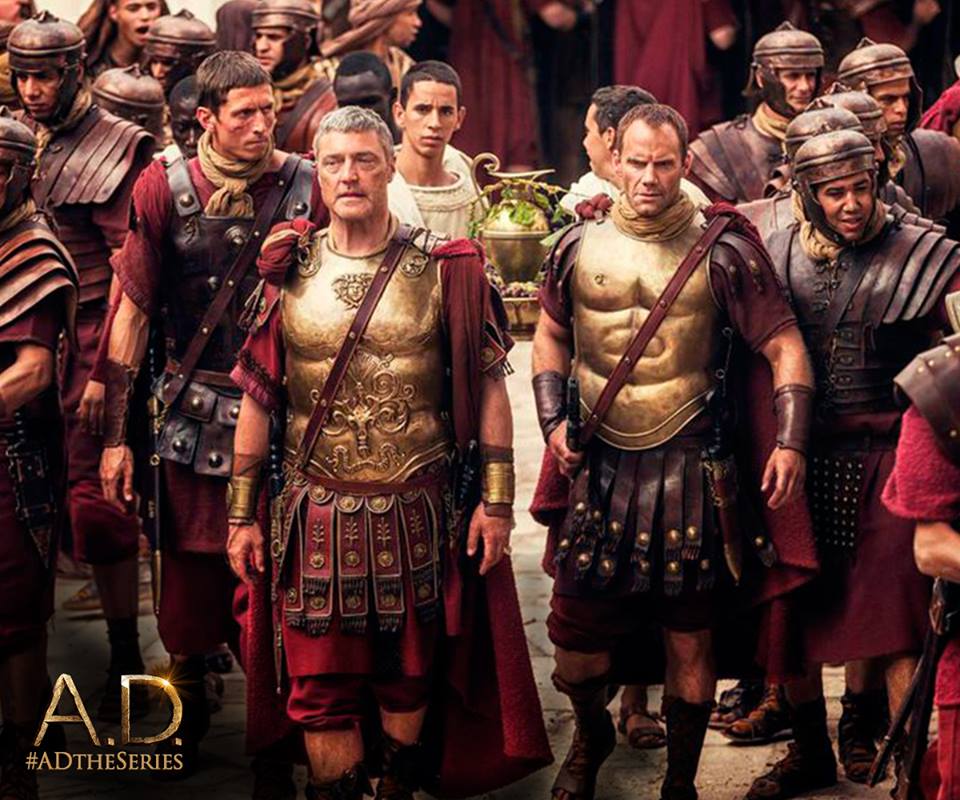
In this, the penultimate episode of Season One of A.D. the statue of Caligula still looms large as a problem for the Temple hierarchy and for the religious life in Jerusalem. The statue in reality never got to Jerusalem, but by the end of this episode it shows up in a crate on Pilate’s doorstep. The year Caligula attempted to put a statue in the Temple is A.D. 40. The other major story lines include: 1) the death of Joanna... Read more

2015-06-14T16:51:02-04:00

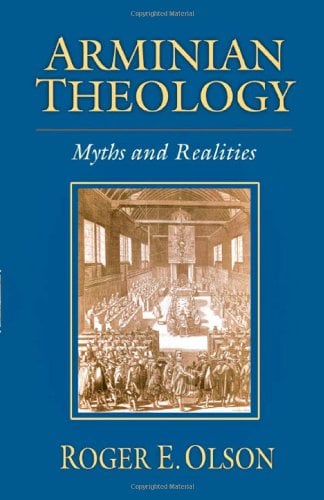
Roger Olson’s fine book entitled Arminian Theology. Myths and Realities (IVP, 2006, 266 pages) is a must read for those who don’t really know much about the differences and similarities between Arminian theology and Calvinist theology. It is the burden of Roger’s book to clear away a lot of the myths and misconceptions about Arminianism, so that a true comparison of the two theological systems can be made. There are ten chapters in the book, each dealing with one of... Read more

Follow Us!


TAKE THE
Religious Wisdom Quiz

How did Jesus heal the Centurion's servant?

Select your answer to see how you score.


Browse Our Archives