

This is a list of some of the many works that are in the public domain. Meaning that you can download them for free on many websites like Project Guttenberg or Internet Archive. It also means that YOU-yes you, as a writer can pull characters and plot lines from these older works and use them in your own new creative works. Make something that was purely dramatic and turn it into Sci Fi or Fantasy or Horror.It also means you can take a whole book and change it around to your liking. For example Pride and Prejudice and Zombies.
This list does not everything that is out there in the public domain. I put some of what I found to be the more notable examples of Public Domain books. You will find books your familiar with and some that your not familiar with. You will find examples of derivative works for some books as well as examples of some movie adaptations. There is definitely more examples of books and other works I could have included. I could have included more links to the authors and or source material. And I may do so in the future. This is a work in progress. But I can’t work on it forever. But I present to you what I have done. May you use it as a reference guide for your amusement and pleasure and possible future writing projects.
Notable Works Published Before 1700’s
People And Places Before The First Christmas
Greeks
Epic of Gilgamesh (c. 2100–1200 BCE)
An epic poem from Mesopotamia, is amongst the earliest surviving works of literature.
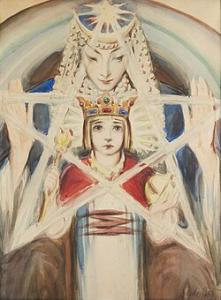
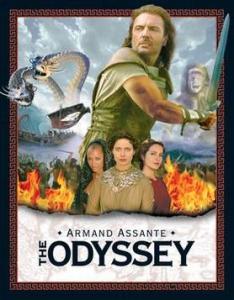
Approximate date for the composition of the Iliad and the Odyssey 890 BC Classics Illustrated
Aesop’s Fables (620 and 564 BCE) Great Illustrated Classics Classics Illustrated
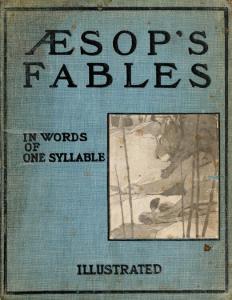
1563-Pope Pius IV, convinced that reading the fables of Aesop was of great use in forming the morals of young children, commissioned Gabriel Faerno, whom he knew as an excellent poet as well as a man with a taste for elegant and beautiful Latinity, to versify these fables so that children might learn, at the same time and from the same book, both moral and linguistic purity.. Charles Perrault
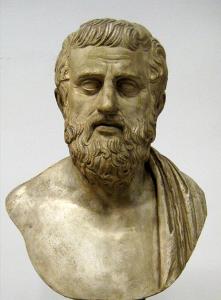
Sophocles‘s (c. 497/6 BC – winter 406/5) BC play Oedipus Rex is first performed 429 BC
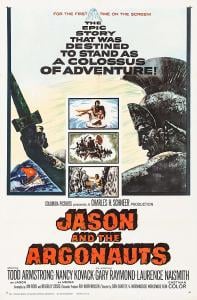
Argonautica by Apollonius Rhodius in the 3rd century BC. The Argonautica tells the myth of the voyage of Jason and the Argonauts to retrieve the Golden Fleece from remote Colchis. Classics Illustrated
Other Greek Plays
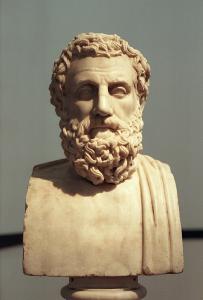
Aeschylus (Greek: c. 525/524 BC – c. 456/455 BC)
1 The Persians
2 Seven against Thebes
3 The Suppliants
4 The Oresteia
4.1 Agamemnon
4.2 The Libation Bearers
4.3 The Eumenides
4.5 Prometheus Bound
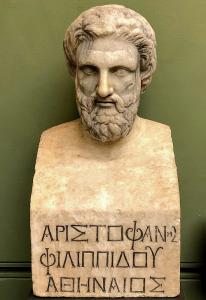
Aristophanes 427 BC — 386 BC
The Acharnians, 425 BC
The Knights 424 BC
The Clouds 423 BC
The Wasps 422 BC
Peace 421 BC
The Birds 414 BC
Lysistrata 411 BC
Thesmophoriazusae 411 BC
The Frogs 405 BC
Ecclesiazusae c. 392 BC
Wealth II 388 BC
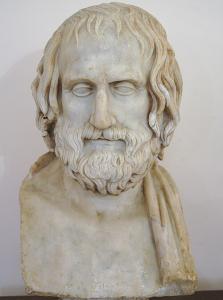
Euripides (Ancient Greek: (c. 480 – 406 BC
The Bacchae 405 BC
Hindu Texts
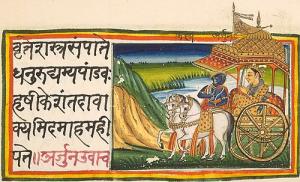
The Bhagavad Gita a Hindu scripture, dated to the second or first century BCE,
(Hindi) part of the Hindu epic Mahabharata.
Other Indian Stories
- Jataka tales (Story of a Birth)
- Panchatantra (The Five Books or the Five Strategies)
- Kathasaritsagara (Ocean of the Rivers of Story) .
Back to the Greeks
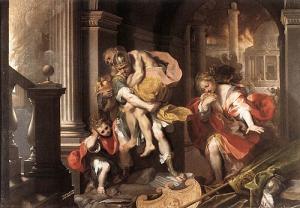
The Aeneid is a Latin epic poem, written by Virgil between 29 and 19 BC. Classics Illustrated
Biblical Figures Who Lived Before The First Christmas
The Holy Bible
Great Illustrated Classics
Classics Illustrated
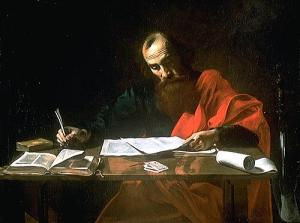
- The City of God
- Confessions
- On Christian Doctrine
- Soliloquies
- Enchiridion
- On the Trinity
- Harmony of the Gospels
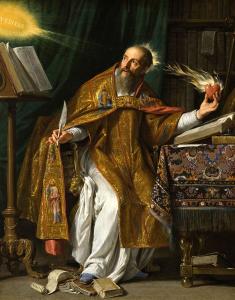
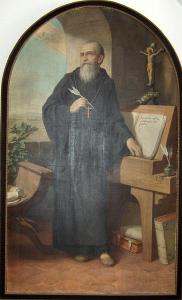
The Rule of Saint Benedict (516)
2nd Millennium
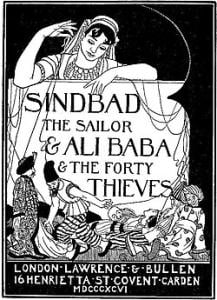
One Thousand and One Nights is a collection of Middle Eastern folktales compiled in the Arabic language during the Islamic Golden Age traditionally dated from the 8th century to the 13th century. It is often known in English as The Arabian Nights, from the first English-language edition (c. 1706–1721), which rendered the title as The Arabian Nights’ Entertainments .
The work was collected over many centuries by various authors, translators, and scholars across West Asia, Central Asia, South Asia, and North Africa. Some tales trace their roots back to ancient and medieval Arabic, Persian, and Mesopotamian literature. Most tales, however, were originally folk stories from the Abbasid and Mamluk eras, while others, especially the frame story, are probably drawn from the Pahlavi Persian work Hezār Afsān (Persian: هزار افسان, lit. ‘A Thousand Tales‘), which in turn may be translations of older Indian texts. (Wikipedia)
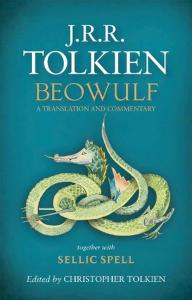
Beowulf (between 975 and 1025) Classics Illustrated
The Tale of Genji, by Murasaki Shikibu (c. 973 – c. 1014 or 1025) She was a Japanese novelist, poet and lady-in-waiting at the Imperial court in the Heian period. She penned what is widely considered to be one of the world’s first novels, written in Japanese.

Song of Roland (From Wikipedia) is an 11th-century chanson de geste based on the deeds of the Frankish military leader Roland at the Battle of Roncevaux Pass in AD 778, during the reign of the Emperor Charlemagne. It is the oldest surviving major work of French literature. It exists in various manuscript versions, which testify to its enormous and enduring popularity in Medieval and Renaissance literature from the 12th to 16th centuries.
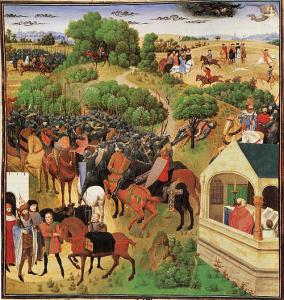
The epic poem written in Old French is the first and one of the most outstanding examples of the chanson de geste, a literary form that flourished between the 11th and 16th centuries in Medieval Europe and celebrated legendary deeds. An early version was composed around 1040 AD, with additions and alterations made up to about 1115 AD. The final poem contains about 4,000 lines.
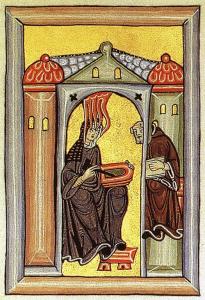
St. Dr. Hildegard von Bingen’s Scivias (1152)
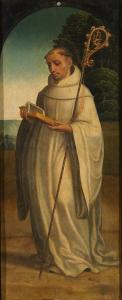
On Loving God (1154) Bernard of Clairvaux (1090 – 20 August 1153)
Wolfram von Eschenbach c. 1160/80 – c. 1220) Classics Illustrated
Parzival first quarter of the 13th century: The poem centers on the Arthurian hero Parzival (Percival in English) and his long quest for the Holy Grail following his initial failure to achieve it.
St. Dr. Catherine of Siena’s The Dialogue of Divine Providence (1579)

The Golden Legend by Jacobus, de Voragine (1229-1298) Translated by William Caxton (1422-1491)
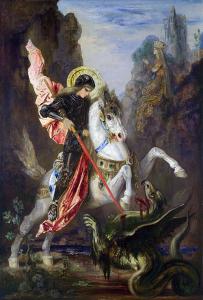
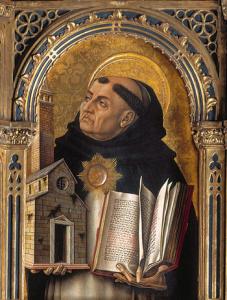
Summa Theologica by Thomas Aquinas (1225–1274) Unfinished at his death in 1274 Published in English 1911
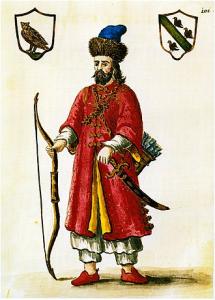
The Travels of Marco Polo (1300)
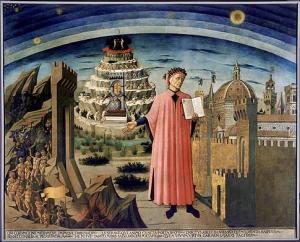
The Divine Comedy (begun c. 1308 and completed in 1320) by Dante Alighieri (1265 – September 14, 1321)
On Film
- The 1911 silent film L’Inferno was directed by Giuseppe de Liguoro, starring Salvatore Papa.[84] It was released on DVD in 2004, with a soundtrack by Tangerine Dream.
- The 1924 silent film Dante’s Inferno, directed by Henry Otto, features the 1911 film, L’Inferno; the section on the inferno is reduced to a ten-minute segment.[85]
- The 1935 motion picture Dante’s Inferno, directed by Harry Lachman, written by Philip Klein and starring Spencer Tracy, is about a fairground attraction based on Inferno. The film features a 10-minute fantasy sequence visualizing Dante’s Inferno.
The Decameron (1348–1353) by Giovanni Boccaccio (1313–1375)
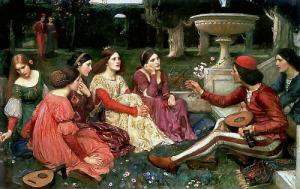
The Canterbury Tales (between 1387 and 1400) by Geoffrey Chaucer (1340s – October 25, 1400)
On Film
- A Canterbury Tale, (1944) Jointly written and directed by Michael Powell and Emeric Pressburger, is loosely based on the narrative frame of Chaucer’s tales.
- Pier Paolo Pasolini‘s The Canterbury Tales (1972)
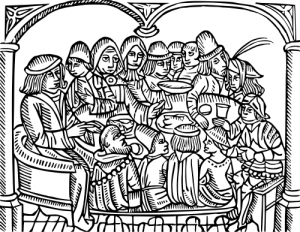
The Little Flowers of St. Francis (1390)
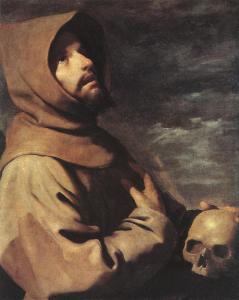
The Imitation of Christ (1427) Thomas à Kempis
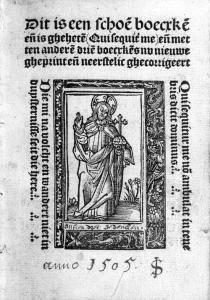
Four Great Classical Novels of Chinese literature
- Water Margin by Shi Nai’an (14th century)
- Romance of the Three Kingdoms (14th century) by Luo Guanzhong
After the Printing Press
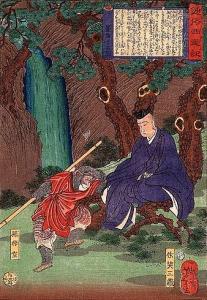
- Journey to the West (16th century by Wu Cheng’en Wu Cheng’en (c. 1500–1582 or 1505–1580) featuring The Monkey God (1592)
- Dream of the Red Chamber (18th century) by Cao Xueqin
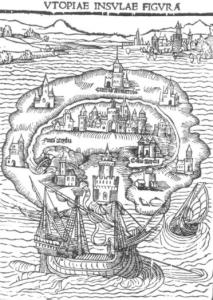
Utopia (1516) by Saint Thomas More (February 7, 1478 – July 6, 1535)
Gargantua and Pantagruel series, François Rabelais The Five Books of the Lives and Deeds of Gargantua and Pantagruel (c. 1532 – c. 1564 is a pentalogy of novels written in the 16th century by François Rabelais.
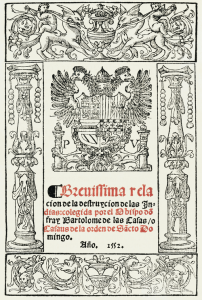
Bartolomé de las Casas’s A Short Account of the Destruction of the Indies (1542)
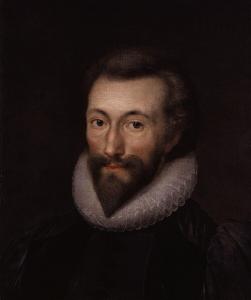
John Donne (1571 or 1572 – March 31, 1631) was an English poet, scholar, soldier and secretary born into a recusant family, who later became a cleric in the Church of England.
The life of Benvenuto Cellini (1563) by Benvenuto Cellini (November 3, 1500 – February 13, 1571) Classics Illustrated
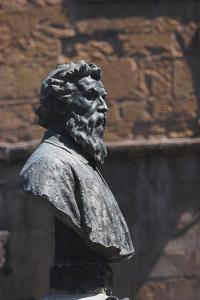
The True History of the Conquest of New Spain by Captain Bernal Díaz del Castillo, translated by Alfred Percival Maudslay. London, Hakluyt Society, 1908 (4 volumes, 17 parts, 214 chapters with appendices) from the only original copy published by Genaro García in Mexico with notes and appendices. Considered the most complete and authentic translation. Classics Illustrated
The Heptameron is a collection of 72 short stories written in French by Marguerite of Navarre (1492-1549), published posthumously in 1558.
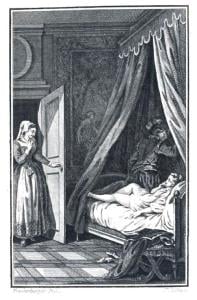
Catherine of Genoa Here writings are known in English as the Life and Doctrine of Saint Catherine of Genoa (1551)
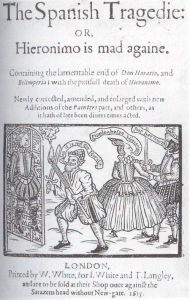
Thomas Kyd, (baptised 6 November 1558; buried 15 August 1594)
The Spanish Tragedy (1582 and 1592)
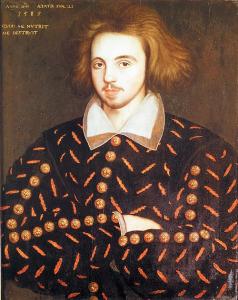
Christopher Marlowe (baptized on 26 February 1564 – 30 May 1593)
• The Jew of Malta (c.1589)
• Doctor Faustus (c.1589, or, c.1593)
St. Dr. John of the Cross’s Dark Knight of the Soul (1584)

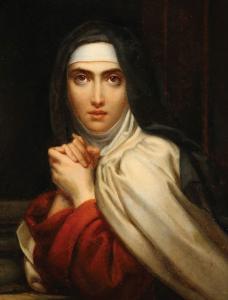
St. Dr. Teresa of Ávila’s Interior Castle (1588)
The Faerie Queene (1590) by Edmund Spenser (1552/1553 –January 13, 1599)
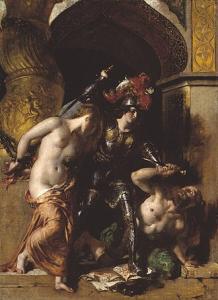
The Unfortunate Traveller (1594) by Thomas Nashe In The League of Extraordinary Gentlemen, Sir Jack Wilton (standing in for real-life Elizabethan spymaster Sir Francis Walsingham) was the “M” of the late 16th century. He led a group of special operatives called Prospero’s Men shortly after the reign of “Good Queen Gloriana” of England.
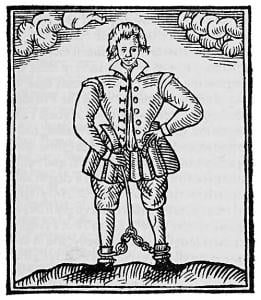
17th Century
Don Quixote (1605) by Miguel de Cervantes (September 29, 1547 (assumed) – April 22, 1616) A founding work of Western literature, it is often labeled as the first modern novel and one of the greatest ever written. Don Quixote is also one of the most-translated books in the world.
On Film Don Quichotte (1903) (youtube.com)
(1933) (2000) (2015) The Man Who Killed Don Quixote (2018)

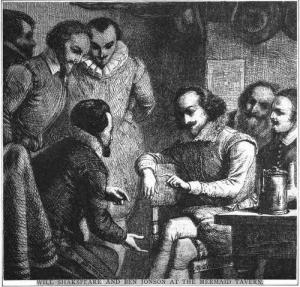
Ben Jonson (c. 11 June 1572 – 6 August 1637)
Volpone 1606,
The Alchemist, comedy (performed 1610; printed 1612)
Bartholomew Fair, comedy (performed 31 October 1614; printed 1631)
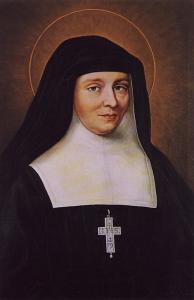
Jane Frances de Chantal (January 23, 1572 –December 13, 1641)
Selected Letters Of St. Jane Frances De Chantal.
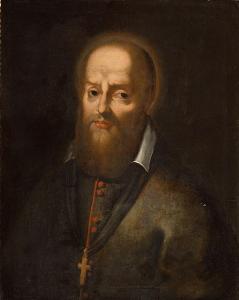
St. Dr. Francis de Sales’s Introduction to the Devout Life (1609)
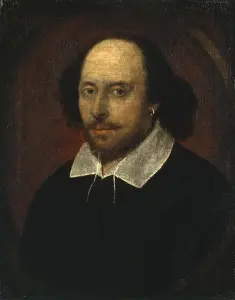
Mr. William Shakespeare’s Comedies, Histories, & Tragedies(1623) is a collection of plays by William Shakespeare (bapt. April 26, 1564 – April 23, 1616) commonly referred to by modern scholars as the First Folio, published about seven years after Shakespeare’s death. It is considered one of the most influential books ever published.
Classics Illustrated Books
- A Midsummer Night’s Dream
- Hamlet
- Henry IV, Part 1 Acclaim Books
- Julius Caesar
- Macbeth
- Hamlet
Pentamerone is a seventeenth-century Neapolitan fairy tale collection by Italian poet and courtier Giambattista Basile. The stories in the Pentamerone were collected by Basile and published posthumously in two volumes by his sister Adriana in Naples, Italy, in 1634 and 1636 under the pseudonym Gian Alesio Abbatutis. These stories were later adapted by Charles Perrault and the Brothers Grimm, the latter making extensive, acknowledged use of Basile’s collection. Examples of this are versions of Cinderella, Rapunzel, Puss in Boots, Sleeping Beauty, and Hansel and Gretel. Many of these fairy tales are the oldest known variants in existence.
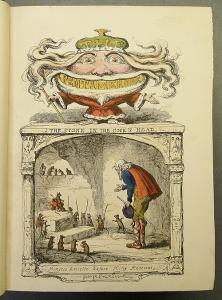
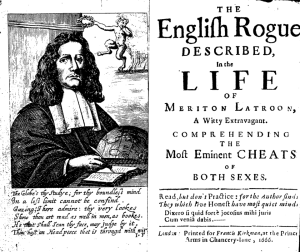
The Floating Island (Head novel) by Richard Head, (c. 1637 – before June 1686)
The Man in the Moone (1638) is a book by the English divine and Church of England bishop Francis Godwin (1562–1633), describing a “voyage of utopian discovery”.
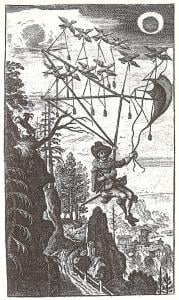
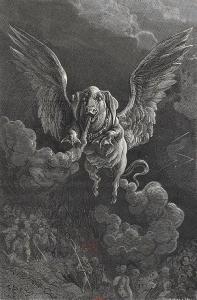
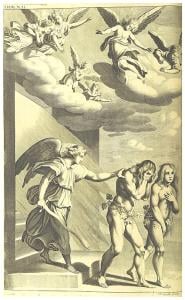
Paradise Lost (1667) by John Milton (December 9, 1608 – November 8, 1674)
Molière (baptised January 15, 1622 – February 17, 1673)
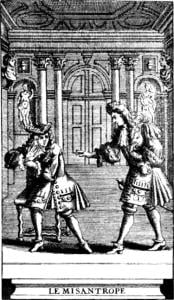
The Misanthrope (1666)
The Blazing World (1666) Margaret Cavendish, the Duchess of Newcastle.
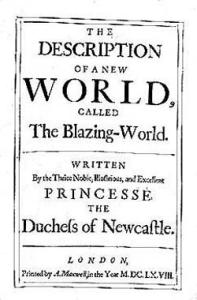
In Alan Moore‘s graphic novels chronicling the adventures of The League of Extraordinary Gentlemen, the Blazing World was identified as the self-same idyllic realm from which the extra-dimensional traveller Christian, a member of the first League led by Duke Prospero, had come in the late 1680s. The league disbanded when Christian returned to this realm, and it was to where Prospero, Caliban, and Ariel also departed many years later.
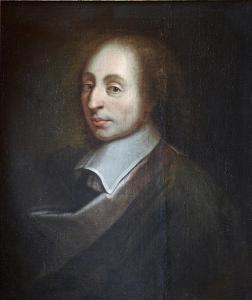
Pascal’s Pensées (1670)
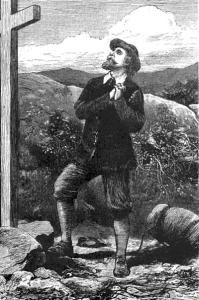
Pilgrims Progress (1678) by John Bunyan (November 30, 1628 – August 31, 1688)
On Film
Pilgrim’s Progress(1979) Liam Neeson, in his film debut, played the role of the Evangelist and also appeared as the crucified Christ.
Knight of Cups (2015) written and directed by Terrence Malick starring Christian Bale. The film is loosely inspired by, and at times quotes directly from, Pilgrim’s Progress, the Acts of Thomas passage “Hymn of the Pearl, and Suhrawardi’s A Tale of the Western Exile.
Pilgrim’s Progress(2019)
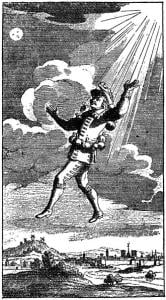
The Comical History of the States and Empires of the Moon and Sun (1687)
by Hercule-Savinien de Cyrano de Bergerac (6 March 1619 – 28 July 1655
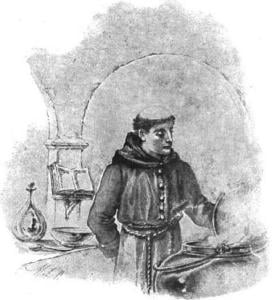
Brother Lawrence’s The Practice of the Presence of God (1692)
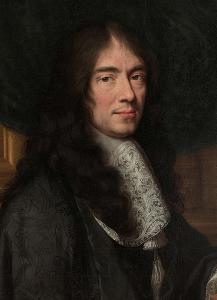
Stories or Tales from Past Times, with Morals or Mother Goose Tales (1697) a collection of literary fairy tales written by Charles Perrault, is published in Paris. The best known of his tales include “Little Red Riding Hood“, “Cinderella“, “Puss in Boots“, “Sleeping Beauty“, and “Bluebeard“.
Everything listed below by birthdate of author.
Notable Works Published in the 1700’s
Born in the 1600’s
Daniel Defoe (English) (1660 – 24 April 1731)
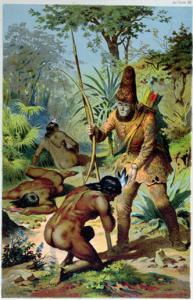
Robinson Crusoe (1719) Great Illustrated Classics / Classics Illustrated It is often credited as marking the beginning of realistic fiction as a literary genre. It is generally seen as a contender for the first English novel.
The Farther Adventures of Robinson Crusoe (1719)
- The Consolidator, or Memoirs of Sundry Transactions from the World in the Moon: Translated from the Lunar Language (1705
- Serious Reflections During the Life and Surprising Adventures of Robinson Crusoe: With his Vision of the Angelick World (1720)
- Captain Singleton (1720) / Classics Illustrated
- Memoirs of a Cavalier (1720)
- A Journal of the Plague Year (1722)
- Colonel Jack (1722)
- Moll Flanders (1722)
- Roxana: The Fortunate Mistress (1724)
- The Four Years Voyages of Capt. George Roberts (1726)
On Film
Robinson Crusoe (1910)
Robinson Crusoe (1913)
Robinson Crusoe (1916)
Robinson Crusoe (1924)
Robinson Crusoe (1925)
Robinson Crusoe (1927)
Mr. Robinson Crusoe (1932) With Douglas Fairbanks
Robinson Crusoe (1954)
Robinson Crusoe on Mars (1964)
Lt. Robin Crusoe, U.S.N. (1966) With Dick Van Dyke
Robinson Crusoe (1997)with Pierce Brosnan
Jonathan Swift (Anglo-Irish) (November 30, 1667 – October 19, 1745)
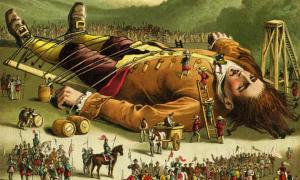
Gulliver’s Travels (1726) Great Illustrated Classics / used in League of Extraordinary Gentlemen/ Classics Illustrated
Gulliver Expanded
Mistress Masham’s Repose (1946) by T H White
Castaways in Lilliput (1958) by Henry Winterfeld
Last of the Gullivers (2012) by Carter Crocker
Lilliput (2013) by Sam Gayton
On Film and TV
Gulliver Mickey (1934)
Gulliver’s Travels (1939) Animated Max Fletcher Movie
The Three Worlds of Gulliver (1960): a loose adaptation starring Kerwin Mathews and featuring stop motion effects by Ray Harryhausen.
Gulliver’s Travels (1996) starring Ted Danson and Mary Steenburgen,this version includes all four voyages.
Gulliver’s Travels (2010): Modernized, live-action version of Gulliver’s adventures in Lilliput, starring Jack Black
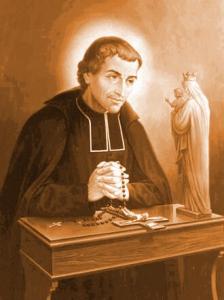
Louis de Montfort (January 31, 1673 – April 28, 1716)
True Devotion to Mary (1712)
Jean Pierre de Caussade (March 7, 1675 –December 8, 1751)
Abandonment to Divine Providence (1861/1933)
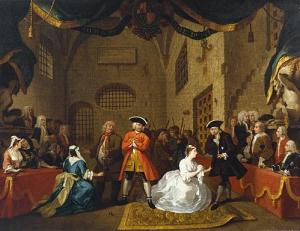
John Gay (June 30, 1685 – December 4, 1732)
The Beggar’s Opera (1728), a ballad opera. The characters, including Captain Macheath and Polly Peachum, became household names.
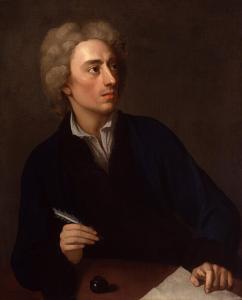
Alexander Pope (May 21, 1688 – May 30, 1744)
An Essay on Criticism (1711) It is the source of the famous quotations “To err is human; to forgive, divine”, “A little learning is a dang’rous thing” (frequently misquoted as “A little knowledge is a dang’rous thing”), and “Fools rush in where angels fear to tread”.
The Rape of the Lock (1712)
The Dunciad It was published in three different versions at different times from 1728 to 1743.
Voltaire (November 21, 1694 – May 30, 1778)
Candide (1759)
Alphonsus Liguori (September 27, 1696 – August 1, 1787)
Uniformity with God’s Will (1758)
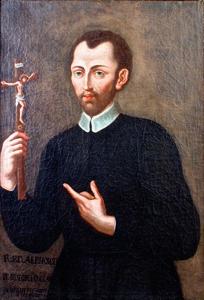
Born in the 1700’s
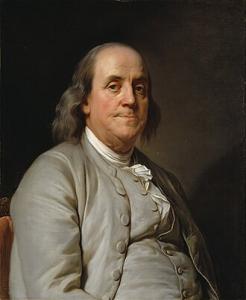
Benjamin Franklin (January 17, 1706 – April 17, 1790)
The Autobiography of Benjamin Franklin (1793)
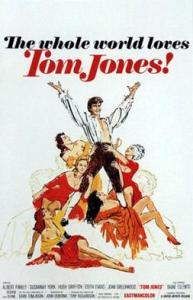
Henry Fielding (April 22,1707 – October 8, 1754)
The History of Tom Jones, a Foundling (1749)
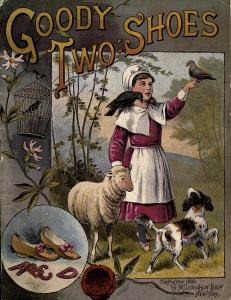
John Newbery (July 9, 1713 –December 22,1767), called “The Father of Children’s Literature”. The Newbery Medal was named after him in 1922. At the bottom of this list is a list of the Public Domain Newbury award winners.
The History of Little Goody Two (1765)
Laurence Sterne (November 24, 1713 – March 18, 1768)
The Life and Opinions of Tristram Shandy, Gentleman (1759 -1769)
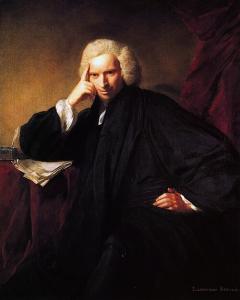
Horace Walpole (September 24, 1717 –March 2, 1797)
His literary reputation rests on the first Gothic novel,
The Castle of Otranto (1764) Classics Illustrated Joint European Series (JES) – CCS Books
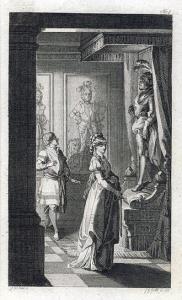
Rudolf Erich Raspe (German) (March 1736 – 16 November 1794)
Baron Munchausen’s Narrative of his Marvellous Travels and Campaigns in Russia (1785) Classics Illustrated
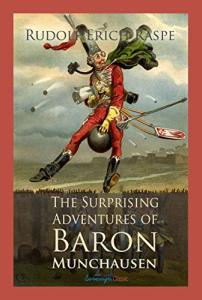
On Film
Baron Munchausen’s Dream (1911) Georges Méliès
The Adventures of Baron Munchausen (1988) Terry Gilliam
John Filson (c. 1747 – October 1788)
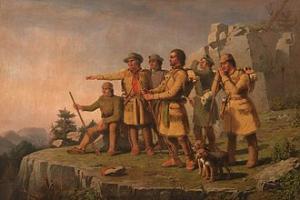
The Adventures of Col. Daniel Boone, containing a Narrative of the Wars of Kentucky (1784)
Vice-Admiral William Bligh FRS (September 9, 1754 –December 7, 1817)
A Narrative Of The Mutiny, On Board His Majesty’s Ship Bounty; And The Subsequent Voyage Of Part Of The Crew, In The Ship’s Boat (1790)
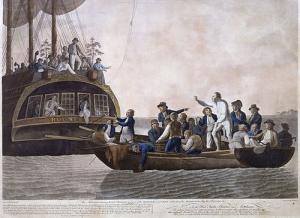
More Mutiny
The Eventful History of the Mutiny and Piratical Seizure of H.M.S. Bounty (1831) by Sir John Barrow
Mutiny on the Bounty (1932) Charles Nordhoff and James Norman Hall
On Film
Mutiny on the Bounty (1935) starring Charles Laughton and Clark Gable
Catholic Bard’s Guide To Public Domain Literature
A List Of Books Available In The Public Domain













 Ad-Free & Subscriber Log-In