


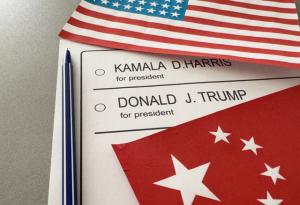
A particularly contentious bill, the SAVE Act (Safeguard American Voter Eligibility Act), is pending a vote in the Senate. The intent was to secure elections for U.S. citizens, but will it suppress citizen votes? Let’s take a look.
What is the SAVE Act?
The Safeguard American Voter Eligibility Act is the formal name of the federal bill that would require documentary proof of U.S. citizenship to register to vote in federal elections. Requiring identification to vote has been a persistent source of contention in the U.S. for as long as I can remember. There has been considerably more focus after the 2020 election. President Trump and his supporters have been adamant that the election was “stolen,” and that gave way to the birth of the SAVE Act. Specifically, the SAVE Act requires:
- In‑person proof of U.S. citizenship (passport, birth certificate) to register or update registration. Driver’s licenses, REAL IDs, military IDs, and many tribal IDs would not count.
- Eliminates online and mail‑in voter registration and effectively ends voter‑registration drives.
- Forces frequent voter roll purges, sometimes every 30 days.
- Imposes criminal penalties on election workers who mistakenly register someone without the required documents.
The 2020 Election
The 2020 election had unique characteristics due to a highly unusual period in the U.S., as the pandemic overlapped with the most critical period of the election cycle. The pandemic impacted the way people voted in significant ways:
- Many uncertainties related to the pandemic led some states to adopt mail-in voting for most or all elections. States expanded vote‑by‑mail options to reduce in‑person contact, and voters adopted them at unprecedented levels. In 2016, 40% of votes were cast before Election Day; in 2020, that number jumped to 69%.
- Some states (e.g., California) mailed ballots to all registered voters, implemented ballot‑tracking systems, and extended ballot-receiving deadlines.
- States that mailed ballots to every voter saw turnout increase by at least 4%, and by more than 9% among voters who previously voted in person. Universal mail‑ballot delivery increased turnout by 3–4 percentage points in the studied districts.
- Aggregate voter turnout in 2020 increased sharply compared with 2016, but was slightly higher than in 2024. Based on the best available national data, turnout increased by approximately 5 percentage points from 2016 to 2020 and then declined by approximately 2 percentage points from 2020 to 2024.
What Are the Contention Points?
The contention around the SAVE Act centers on whether it protects election integrity or suppresses eligible American voters. Supporters argue it prevents non‑citizens from voting, while critics say it would disenfranchise millions, burden election officials, and destabilize voter registration systems.
Supporters
SAVE Act supporters argue it ensures only U.S. citizens vote, claiming current systems are vulnerable to non‑citizen registration. Some political leaders frame it as a necessary response to alleged voter fraud, including claims about some state election systems (Nevada, Arizona, and Georgia). Supporters say the bill is a straightforward election‑integrity measure that most Americans support. Recent national polling indicates that approximately 74–83% of American voters support stronger election‑security measures, such as voter-ID requirements. This support spans parties and racial groups, according to multiple independent polls.
Opponents
SAVE Act Opponents are strongly against the bill:
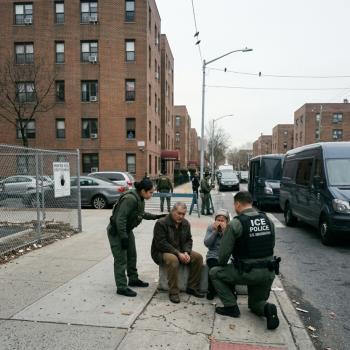
- Opponents claim this law will disenfranchise millions of voters. Roughly 21 million Americans lack the documents required under the SAVE Act. Groups most affected: young voters, elderly voters, people of color, married women who changed names, and low‑income voters.
- Removing online and mail registration would disproportionately harm voters who rely on these methods—7 million used mail, and 11 million used online registration in 2022.
- Critics say the bill is being used as a partisan tool and liken it to restrictive voting laws of the past. Some leaders have compared it to “Jim Crow‑type” restrictions, sparking intense backlash and debate. Jim Crow laws were a system of state and local laws in the United States that enforced racial segregation and discrimination, primarily in the South, from the late 1800s through the 1960s. They created a legally enforced racial hierarchy that denied Black Americans equal rights, equal access, and equal protection under the law. Georgia enacted new voting laws in 2021 that were also labeled “Jim Crow-like.” Subsequent elections saw record turnout.
- There are administrative challenges in implementing these laws under a tight timeline (by the midterm elections in November 2026).
The SAVE Act is controversial because it dramatically reshapes voter registration by adding strict documentation requirements, eliminating widely used registration methods, and imposing legal risks on election officials. Supporters see it as essential for election security; opponents see it as a sweeping voter‑suppression measure that would block millions of eligible Americans from participating in elections.
The Catholic View
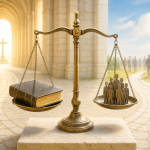
When we bring a law or public debate before God, we are really bringing our hearts, our neighbors, and our fears into His presence. Jesus does not evaluate legislation the way we do. He looks first at the people affected, the burdens carried, and the spirit in which a society chooses to govern itself. In the Gospels, Jesus consistently moves toward those who are overlooked, weighed down, or pushed to the margins.
When we consider any law that touches civic participation, access, or belonging, Jesus invites us to look through a “Christ-centered” lens. He teaches us that justice is measured in the lives of real people. Jesus warns against systems that “tie up heavy burdens” without helping to carry them. He calls His followers to be people who remove obstacles rather than create them, who welcome rather than exclude, who build trust rather than deepen suspicion.
At the same time, Jesus honors truth. He speaks of integrity, honesty, and righteousness. He calls His disciples to be people whose “yes means yes,” who act with transparency and sincerity. Any society that seeks to protect the integrity of its everyday life is pursuing something good — but Jesus always insists that truth must walk hand‑in‑hand with mercy.
In the Final Analysis
There are valid arguments on both sides of the issue. There is a high risk that, without identification, we cannot determine who is voting in our elections. The “open borders” policy of the Biden administration has brought this concern to the forefront nationally. Opponents have a point if the required documentation is overly constraining and disenfranchises many voters. The right thing to do would be for both sides to negotiate in good faith and develop a reasonable, bipartisan approach to implementation. They would be carrying out the will of the people without causing harm. This is a radical departure from imposing legislation on voters, as we have seen occur regularly on both sides. Please pray that our elected officials do the right thing and collaborate rather than taking an authoritarian approach.
Please share your thoughts about this article in the “Comments” section.
Peace
If you like this article, you might enjoy:
Holiness Through Mercy, Humility, And Public Witness
America’s Public Discourse: How Did We Get to This Point?
The Beatitudes: Jesus Blesses The Humble












 Ad-Free & Subscriber Log-In