

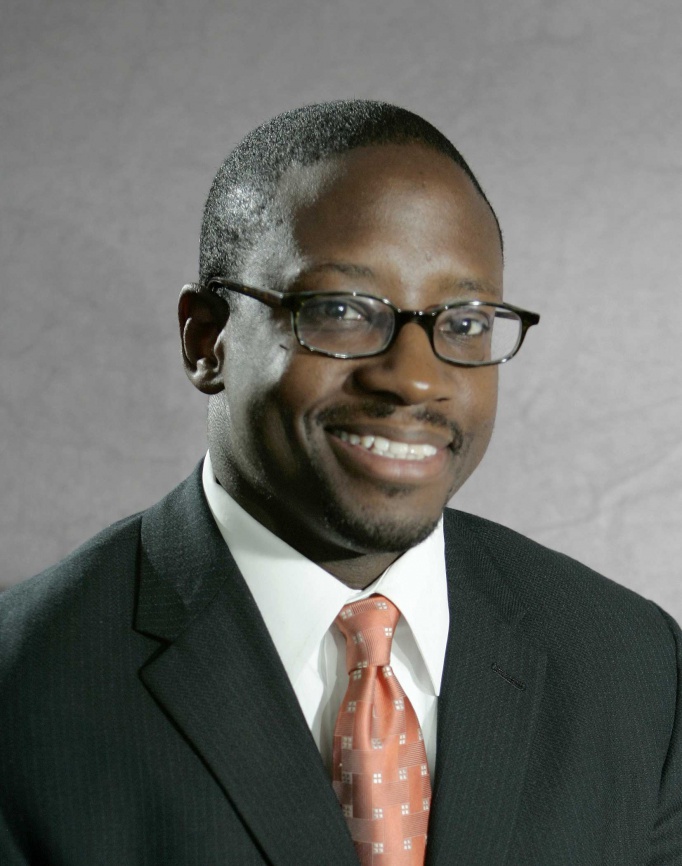
Anthony Sacramone asked me to review a book for Religion & Liberty Online with the same title as my own. It’s by Anthony Bradley, a long-time acquaintance from my World days whom I last saw at the now defunct Concordia-Bronxville. He’s both a Calvinist and a social justice conservative, reflecting the activism of the black church.
In reviewing his new book, I don’t buy his theology and I don’t fully buy his approach to Scripture. But I learned some things.
My review is entitled Calvinist Critical Theory, with the deck, “Does the book of Exodus provide a template for Biblical Social Justice?”
God at Work: Loving God and Neighbor Through the Book of Exodus, a new book from Anthony Bradley, Distinguished Research Fellow at the Acton Institute and professor of interdisciplinary and theological studies at Kuyper College, is not another contribution to the Faith and Work movement. Nor is it another contribution to the recovery of the Christian doctrine of vocation (as in my book of the same title). Rather, Bradley’s book is a commentary on the Book of Exodus. But it, too, addresses how Christians are to live out their faith in the world.
In the biblical account of Moses and the deliverance of the Israelites from slavery in Egypt, Bradley says, “We’ll see a God who is deeply concerned about the suffering of his people, a God who acts powerfully to liberate them from oppression.” The plagues by which God persuades Pharoah to let his people go are “targeted judgments, systematically dismantling the political, economic, religious, and ecological pillars of Egyptian power.” The Passover is “the defining ritual of redemption, sealing God’s deliverance through substitutionary sacrifice and marking Israel as his protected people.” And the crossing of the Red Sea is “the ultimate demonstration of God’s power to save his people and judge their oppressors.” Through it all, Moses and the Israelites must overcome their self-centeredness to put their faith in God.
Afterward, in the wilderness, God’s people must learn to live in covenantal relationship with God and each other. According to Bradley, the holy living to which they are called includes promoting liberty and establishing social justice. And the whole story applies to Christians today in their personal lives, their life in the church, and their life in society—including their politics.
This book is not, however, a typical exercise in Biblical exposition. In his introduction, Bradley says that his treatment of Exodus draws on four other perspectives: a Calvinist Bible scholar; a neo-Calvinist social thinker; a modern mainline Protestant theologian; and a psychoanalyst.
Photo: Anthony Bradley via the Acton Institute











 Ad-Free & Subscriber Log-In