

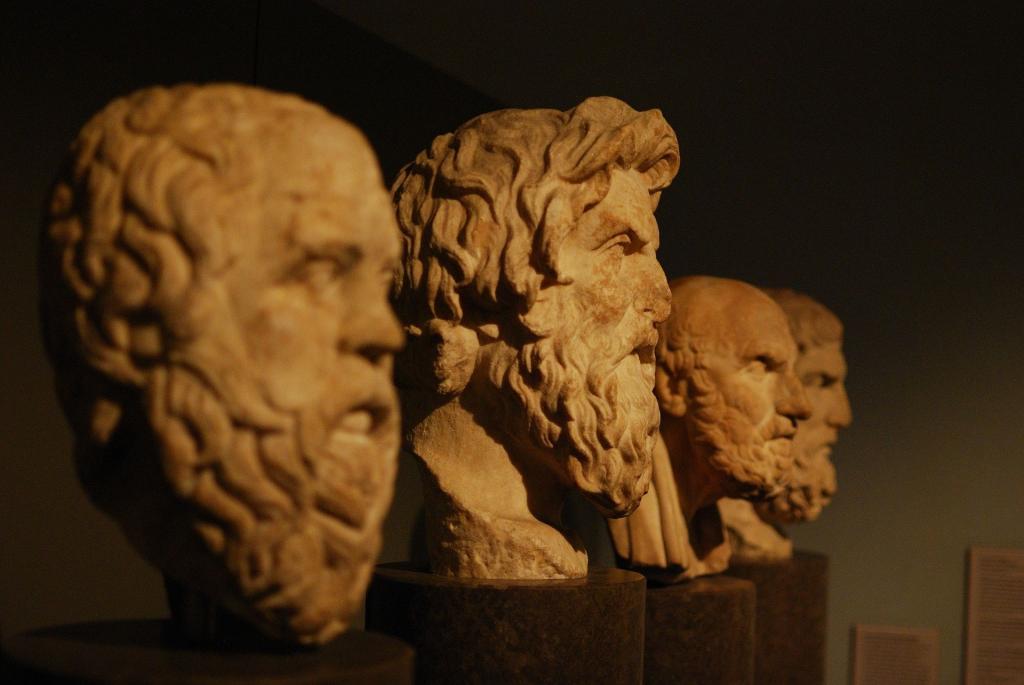
Four different voices that give us insight on fate and freewill are Boethius, John of Damascus, Peter Abelard, and the Glossa Ordinaria. These are Christian voices from the medieval times that still resonant today. They inform our conversations about divine election, foreknowledge, and predestination. Boethius and His Encounter with Lady “Philosophy” Boethius wrote, The Consolation of Philosophy (Consolatio Philosophiae) either when imprisoned or in exile from Rome (c. 480–524). Theodoric the Great punished him because of a conspiracy attempting to... Read more











 Ad-Free & Subscriber Log-In
Thomas Aquinas on Mercy: Should I Forgive One Person but not the Other?
The great 13th century Dominican philosopher Thomas Aquinas writes about Jacob’s election over Esau prior to either son being born. God made his choice before either child could do anything good or bad (Romans 9:10–12/ Genesis 25:21–25). According to Aquinas’s Commentary on Romans (C.9 L.2.758), this passage excludes at least three errors: First, it precludes assumptions that one can trust in the merits of one’s ancestors. In other words, God is not obligated to excuse individuals purely because of the... Read more