


A State Killing a Dying Man: On the Absurdity of Executing Someone With Terminal Metastatic Cancer
As his spiritual advisor, I stood beside Anthony Wainwright when he was executed by lethal injection at 6:22 p.m. on June 10, 2025. I thought that was it. I was wrong.
The Autopsy of Anthony Wainwright = That Told the Truth the State Didn’t

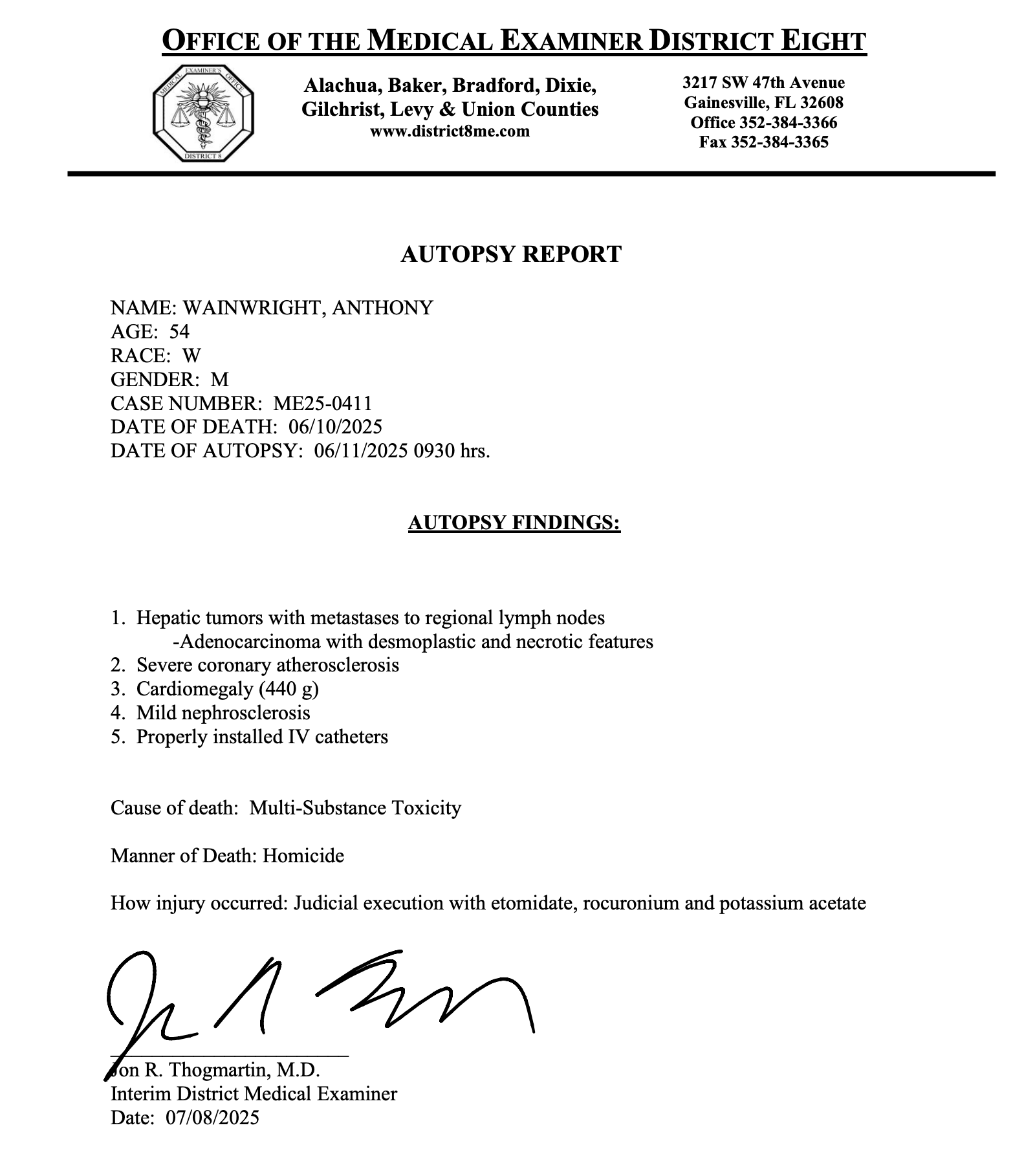
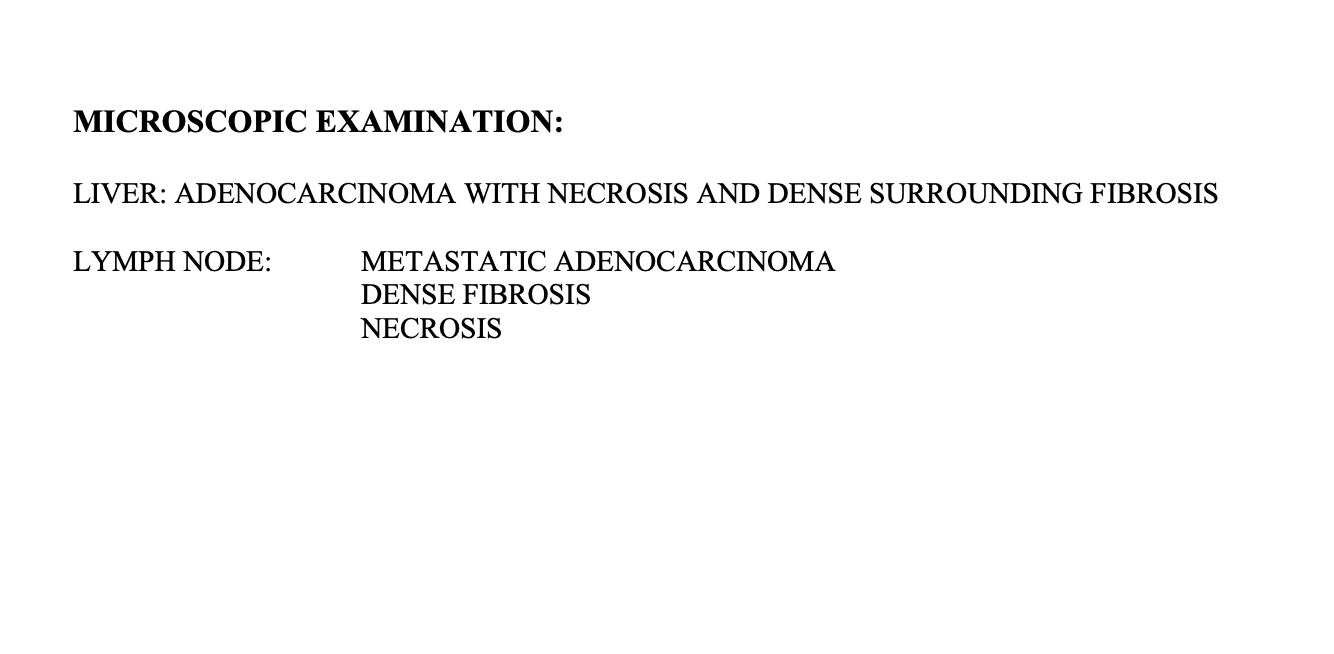
When the autopsy of Wainwright recently surfaced, one line in particular broke through the noise…“Hepatic tumors with metastases to regional lymph nodes—adenocarcinoma with desmoplastic and necrotic features.” You don’t have to be a doctor to understand what that means. It means he was dying. Not theoretically dying. Not someday dying. But dying in the real, biological and irreversible way that cancer announces inside a human body. The kind of dying that steals appetite, sleep, strength, breath and dignity…piece by piece…long before it steals life itself.
Florida didn’t execute a healthy man. Florida executed a man whose body had already begun its own countdown.
When the State’s Script Collides With Biology = The Autopsy of Anthony Wainwright
There is something profoundly disorienting about realizing this. We are told that executions are the ultimate statement of state power, the definitive exertion of justice and the final word. And yet, here was a man whose cells had already issued a different verdict…one that no governor, no attorney general and no warden could override. The cancer had metastasized. It had crossed into the lymph nodes. It had torn through tissue with desmoplastic scarring and necrotic decay. In plain terms, the state fought to kill someone who was already in the final stretch of being killed by his own disease.
And that raises a very human question…Why?
The Collapse of the Death Penalty’s Justifications = The Autopsy of Anthony Wainwright
If the purpose of execution is incapacitation, cancer was already taking care of that. If the purpose is deterrence, there is no deterrent value in killing someone who would have died naturally. And if the purpose is retribution, then Florida’s timing unintentionally softened the severity of the death that terminal cancer was already preparing for him. No one who understands metastatic hepatic adenocarcinoma would mistake it for a gentle exit. Cancer kills slowly. It kills cruelly. It kills without ceremony or anesthetic or witnesses. Compared to that slow unmaking of the human body…jaundice, hallucinations, bed sores, vomiting, unrelenting pain…the state offered him something he would never have found in prison…a quick death.
Even supporters of the death penalty should stop and breathe at that fact.
When the State’s Harshest Sentence Becomes the Softer Death = The Autopsy of Anthony Wainwright
When the state’s most severe punishment ends up being more humane than nature’s, something is morally upside down. The whole architecture of justification collapses under its own weight. Florida did not impose a harsher sentence. Florida interrupted one.
The Resurrection of Truth = The Autopsy of Anthony Wainwright
And then something unexpected happened…something that feels almost theological once you sit with it long enough.
Because when the autopsy surfaced and the truth rose from beneath the state’s carefully staged ending, it read like a kind of quiet resurrection. Not a vindication. Not a romantic revision of the man or his crimes. But a resurrection of truth, a rising of what the state never intended to reveal. Florida tried to script the final chapter. The state wanted control over the last word. But in the end, the body itself spoke a different story. The cancer testified. The metastases bore witness. Biology told a truth that the machinery of death could not silence.
Eternity’s Wink and the Limits of State Power = The Autopsy of Anthony Wainwright
It is strange, almost unsettlingly so, that the moment of clarity came after the execution…as if eternity reached backward, pulling a forgotten truth into the light. Not to redeem the condemned man’s life, but to remind us that human systems, no matter how powerful they pretend to be, cannot ultimately define the meaning of a life or the full reality of a death.
In that sense, this revelation feels like a win from eternity…a small but undeniable reminder that truth has its own timing. The state cannot choreograph everything. Some truths rise after the fact, whether anyone wants them to or not.
The Absurd Redundancy of This Execution
Which brings us back to the basic absurdity at the heart of all of this: Florida killed a man who was already dying. The execution changed nothing except the timing and the optics. It didn’t make the world safer. It didn’t prevent future harm. It didn’t even deliver the moral clarity the state claimed it was offering. Instead, it exposed just how bureaucratic, performative and detached from human reality the death penalty has become. A man with widespread metastatic cancer…a man whose organs were already failing…became the focus of the state’s ultimate punishment as if the natural world had not already taken that power out of the state’s hands.
The autopsy does more than record the cause of death. It reveals the limits of state power and the quiet, stubborn persistence of truth. It forces us to see the execution not as a decisive act of justice, but as a gesture rendered unnecessary by the body’s own testimony.
The Unmistakably Human Realization
In the end, Florida did not deliver a final word. It merely hurried along what was already happening.
And when the truth finally surfaced…when the cancer’s story rose into daylight…it left behind an uncomfortable, unmistakably human realization…the execution was not justice…it was redundancy.


*
*
*If you would like to support the Execution Intervention Project (the organization that financially supports Dr. Hood’s work), click here.














 Ad-Free & Subscriber Log-In