

Zachary Levi, who guides viewers through Fox Nation’s impressive new biblical miniseries “David: King of Israel,” premiering Feb. 26, says the story of the historical king resonates because of its raw humanity and epic sweep, offering viewers both spectacle and spiritual reflection.
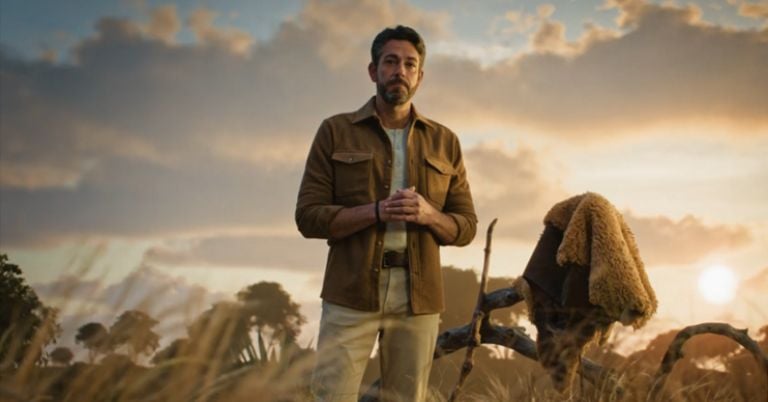
“To me, David is the most important, the most powerful,” Levi said in a recent interview. He called David “a truly human account” whose narrative of triumph, failure and redemption makes the character broadly relatable.
“David exemplifies that to start as this young shepherd in the field, doing his job. He wasn’t trying to be anything other than exactly what God or His family had called him to do,” Levi said. “And for Samuel to come and see his heart and understand that’s who God called. That’s why David is a man after God’s own heart.”
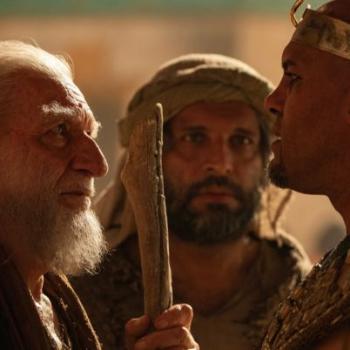
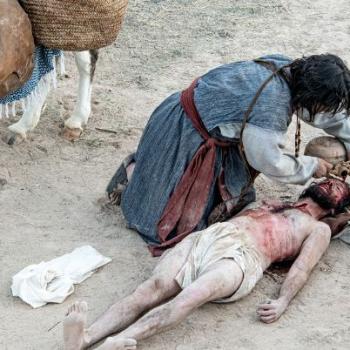
The four-part miniseries, part documentary and part dramatization, chronicles David’s rise from shepherd boy to king, weaving expert interviews and location footage with cinematic reenactments. Levi, known for roles in films such as “Unbreakable Boy” and “Shazam,” serves as the series’ guiding voice, helping translate archaeological context and biblical scholarship for contemporary viewers.

Levi said the project came to him last summer and moved quickly from offer to production.
“It was enough time ago where when the offer came to me, I was able to kind of process it, and then I was like, ‘Yeah, man, let’s go do this thing’,” he said, describing shoots that took place in late July and early August. He framed the series as timely in light of other recent portrayals of the David story, noting the success of Amazon’s “House of David,” and describing Fox Nation’s series as a “companion piece” that digs into historical and biblical context.
The actor emphasized the drama of the narrative, pointing to scenes of battle and personal conflict that, he argued, set David apart from other biblical figures in cinematic terms.
“David was a warrior in his own right, and led warriors. And there were epic battles, many of them, and it’s a lot, much longer, bigger saga,” Levi said. He contrasted that scale with the depiction of Jesus’ most action-filled moments, noting that David’s life includes warfare and political intrigue that lend themselves to a sweeping miniseries.
Levi also highlighted the project’s use of modern production techniques, noting how technological advances have enabled filmmakers to realize biblical epics with greater visual authenticity and scope.
“Starting with the first Iron Man movie was like when big budget action in computer graphics finally just all clicked,” he said. He described shooting parts of the series on a volumetric stage that created immersive virtual environments: “You look at it and it looks like you’re in this village, or inside the castle walls. You’re out in this, and it’s all totally virtual, and I’m just standing in this virtual space.”
Levi added that improved production values have coincided with a shift in faith-based content away from didacticism and toward broader storytelling appeal.
“Faith content was resting so much on the messaging, but didn’t care about the packaging,” he said. “Now we were finally in a place where filmmakers who want to tell stories that are spiritual, that are redemptive, that are biblical also have an understanding at this point now, of hey, you got to make it good.”
Levi suggested that high-quality production can attract viewers who might not otherwise engage with biblical narratives.
“Go make a movie that speaks to everyone, whether they believe in the Bible or don’t believe in the Bible,” he said. “People can watch House of David. It could be totally fictitious, like Lord of the Rings for all they know. But it’s good. They go, ‘Wow, this is cool. It’s brought me in. I’m watching it interesting,’ and then that stirs up other questions in them that might lead them deeper into a relationship with God.”
Beyond production and storytelling, Levi framed the series within a broader cultural conversation about faith, humility and public discourse. He described his own approach to speaking about faith in the public square.
“We have to stand on what we believe is true. We have to be humble enough to be to recognize that we could be wrong. I think that’s honestly one of the biggest problems that we have right now, is that there are so many people that are dug in to their paradigms without recognizing that, guys, we could all be completely wrong.”
That ethic of humility and “willingness to hear each other” extends into Levi’s view of how biblical stories should be presented, and why David’s story in particular still matters. He pointed to David’s personal failings alongside his faith as essential to the story’s modern relevance.
“Even in the bad decisions that he makes, even in the people that he hurts, there is still redemption,” Levi said. “There is still the ability to go on to the other side of that and find oneself again in God.”
“David: King of Israel” narrated by Zachary Levi and starring , premieres Feb. 26 on Fox Nation. Watch an extended video interview with Zachary Levi and DeWayne Hamby below.













 Ad-Free & Subscriber Log-In