
 The Secular Spectrum
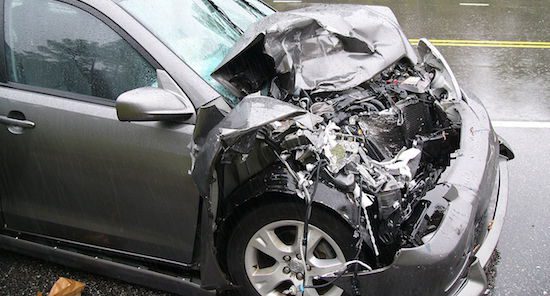
You know those people who have the “God Is My Driver” bumper sticker on their cars? I’m always scared when I see that bumper sticker. I can imagine those people letting go of the wheel of their cars and just trusting in The Lord Above to steer them right.
This sticker is indicative of a broader attitude in life, of letting things take their own course by believing they are all predetermined anyway – fatalism. Now, it’s not only the deeply pious who take this attitude. I often see even the most committed secular folks say they’re leaving their lives in the hands of fate, the universe, or whatever else.
I think we can do better. Unlike religious people, we know that we have only one life to live. We better make it count to be the best life it can be. Let’s build Heaven on Earth for ourselves and make sure we get what we want out of life.
How do you lead the kind of life that gets you what you want? All it takes is 3 steps, as the video describes:
1. Evaluating reality clearly, to
2. Make effective decisions, that
3. Achieve our short and long-term goals.
Now, these steps may sound simple in theory, but they are not so simple in practice at all. Our mental patterns of thinking and feeling make it quite challenging to enact these 3 steps in the most effective manner. Let’s unpack these steps to see exactly what each of them means.
What does it mean to evaluate your reality clearly? That means gaining a deep understanding of your external environment – your immediate surroundings, your social circle, your career, and anything else of relevance. That also means your own internal environment – your patterns of feeling, thinking, and behaving.
Four factors obstruct our ability in evaluating reality clearly, including:
• Social prescriptions about appropriate ways of perceiving reality;
• Internalized preconceptions based on our previous experiences;
• Thinking errors that our brain makes due to faulty wiring;
• Finally, an emotional reluctance to face the truth of reality when that requires changing our minds and updating our beliefs based on new information.
Next, you want to make effective decisions about how to reach your goals. Consider your options, based on your knowledge of your outer and inner environment. Be aware that you can change both your external surroundings, and your own thoughts, feelings, and behaviors, to help you to get what you want in life. Evaluate the various paths available to you, assess the probability that each path will get you to your goals. Then make a plan for how to proceed, and take the path that seems best suited to go where you want.
Finally, implement the decisions you made and travel along the path. Remember, you will usually encounter some unknown obstacles on your road to what you want. Be excited about getting feedback from your environment and learning about better paths forward. Take the opportunity to change your path if a new one opens up that seems better suited to help you meet your goals. Be open to changing your very goals themselves based on what you learn.
As you can imagine, these things are easy to say, but hard to do. It’s very helpful to get support along the way, through learning about strategies such as through resources oriented toward this purpose. However, above all, it takes your own commitment to the goal of gaining greater agency over your life and living intentionally.
I will leave you with some questions:
• What kind of benefits, if any, do you think you might gain from living intentionally?
• What kind of challenges do you anticipate you might face to living intentionally? How can you overcome these challenges?
• What are specific next steps you will take to live more intentionally?













 Ad-Free & Subscriber Log-In