

40 Years before I was born the country in which I lived was at the beginning of the great depression. Probation of Alcohol was still in effect for the next few years. Hitler was on the rise and readying his Nazi party and the world for the second Great War. Comedy teams Laurel and Hardy, The Marx Brothers and The Three Stooges kept audiences laughing. J.R.R. Tolkien and C.S. Lewis began publishing some significant Fantasy and Sci-Fi novels. Superman and Batman launched a Comic Book revelation. Sci-Fi began to become more prolific. Aviation continued to sour. This and so many more things happen…
41 Years Ago
Before I Was Born
1930
All Movies, Books, Printed Music and Art of 1930
enter the Public Domain on January 1, 2026
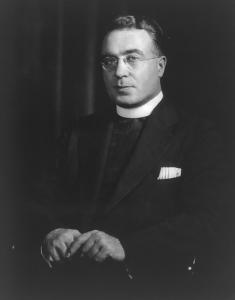
1930 – Radio League of the Little Flower with Father Charles Coughlin premiers on CBS. Dubbed “The Radio Priest ” and considered a leading demagogue, he was one of the first political leaders to use radio to reach a mass audience. During the 1930s, when the U.S. population was about 120 million, an estimated 30 million listeners tuned in to his weekly broadcasts.
1930 – Richard Drew, a 3M engineer, developed the first transparent sticky tape in St. Paul, Minnesota with a material known as cellophane.

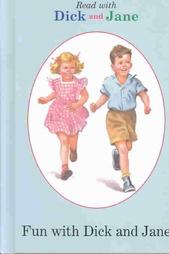
1930 –William S. Gray – first in the Dick and Jane series of Elson-Gray Readers
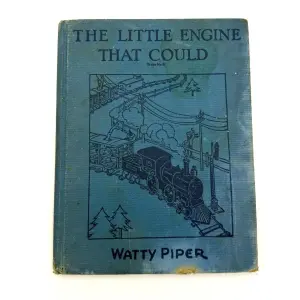
1930 – Watty Piper – The Little Engine That Could
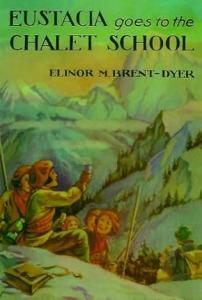
1930 – Eustacia Goes to the Chalet School (Chalet School, book 6) by Elinor M Brent-Dyer
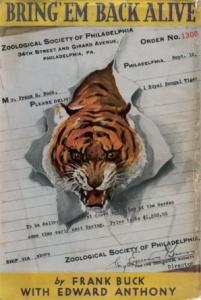
1930 – Bring ‘Em Back Alive (1930), co-authored by Edward Anthony. His first book, it was a best seller that catapulted him to world fame and was translated into many languages. Buck tells of his adventures capturing exotic animals.
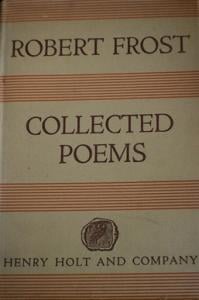
1930 – Collected Poems of Robert Frost.
1930 – War in Heaven by Charles Williams – Charles was one of the Inklings along with C.S. Lewis and J.R.R. Tolkien. Plot – The Holy Grail surfaces in an obscure country parish and becomes variously a sacramental object to protect or a vessel of power to exploit.
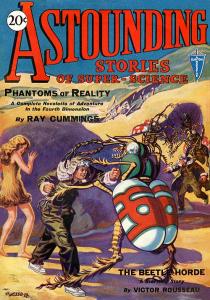
January 1930 – First issue of Astounding Stories of Super-Science, dated January 1930. The cover art is by Hans Waldemar Wessolowski.
February 18, 1930 – While studying photographs taken in January, Clyde Tombaugh confirms the existence of Pluto, a celestial body considered a planet until redefined as a dwarf planet in 2006. The planet was named by Venetia Burney (July 11, 1918 –April 30, 2009) who was 11 at the time. She was the granddaughter of Falconer Madan (1851–1935), Librarian of the Bodleian Library of the University of Oxford. Falconer Madan’s brother, Henry Madan (1838–1901), Science Master of Eton, had in 1878 suggested the names Phobos and Deimos for the moons of Mars.

February 18, 1930-Elm Farm Ollie becomes the first cow to fly in a fixed-wing aircraft, and also the first cow to be milked in an aeroplane.
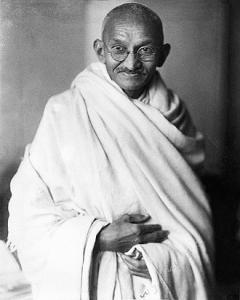
March 12, 1930 to April 6, 1930 – The Salt March was an act of non violent civil disobedience in colonial India, led by Mahatma Gandhi.
March 23, 1930 – At a meeting of the International Tennis Federation, the ITF rejected the idea of the USLTA about organizing the first “Open” tournament in the United States.

March 31, 1930 -The Motion Picture Production Code (“Hays Code”) is instituted in the United States, imposing strict guidelines on the treatment of sex, crime, religion and violence in films for the next 40 years.
April 6, 1930 – Twinkies were invented by Canadian-born baker James “Jimmy” Alexander Dewar for the Continental Baking Company in Schiller Park, Illinois.

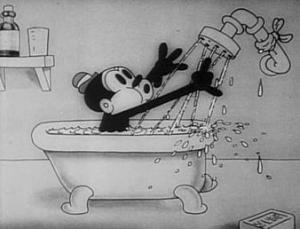
April 19, 1930: Harman and Ising‘s Sinkin’ in the Bathtub, the first Looney Tune cartoon and first Warner Bros. cartoon overall, is released. Bosko‘s girlfriend Honey also makes her debut.
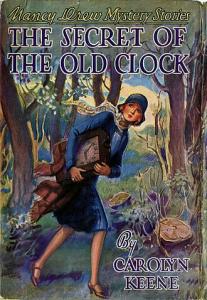
April 28, 1930 -“Carolyn Keene” – The Secret of the Old Clock (first in the Nancy Drew Mystery Stories series)
May 7 – 11, 1930 – 30th Eucharistic congress in  Carthage – Motto: The Eucharist is Africa’s testimony – First congress held in Africa.
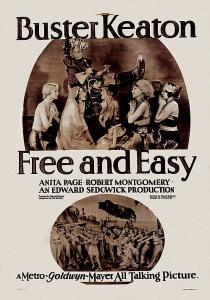
May 22, 1930 – Free and Easy with Buster Keaton. It was Keaton’s first leading role in a talking motion picture.
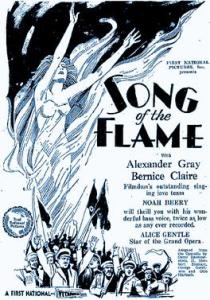
May 25, 1930 – Warner Brothers released the first All-Talking All-Color wide-screen movie, Song of the Flame; in 1930 alone, Warner Brothers released ten All-Color All-Talking feature movies in Technicolor and scores of shorts and features with color sequences.
June 29, 1930 – Isaac Jogues is canonized. He was a French missionary and martyr who traveled and worked among the Iroquois, Huron, and other Native populations in North America. He was the first European to name Lake George, calling it Lac du Saint Sacrement (Lake of the Blessed Sacrament).

July 5, 1930 – The Seventh Lambeth Conference of Anglican bishops opens. This conference approves the use of birth control in limited circumstances, a move away from the Christian views on birth control expressed by the Sixth Conference a decade earlier.
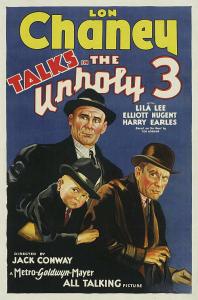
July 12, 1930 –The Unholy Three (Sound Remake) This film is notable for the fact that it was Chaney’s last film, as well as his only talkie. Chaney died from throat cancer one month after the film’s release.
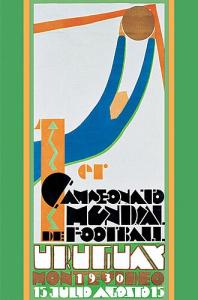
July 13, 1930 – The inaugural FIFA World Cup begins: Lucien Laurent scores the first goal, for France against Mexico.
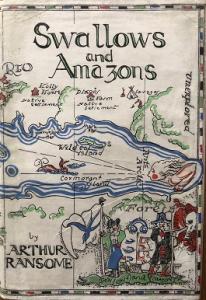
July 21, 1930 – Arthur Ransome – Swallows and Amazons (first in the Swallows and Amazons series of 12 books)
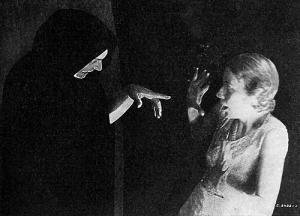
July 31, 1930– The Shadow debuts on CBS Radio.
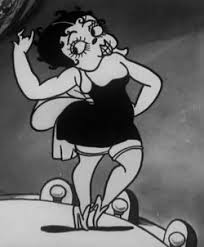
August 9, 1930: Betty Boop makes her debut in the cartoon Dizzy Dishes, produced by the Fleischer Studios.
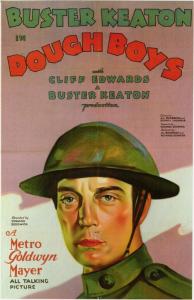
August 30, 1930 – Doughboys starring Buster Keaton. It was Keaton’s second starring talkie vehicle and has been called Keaton’s “most successful sound Picture. He felt that Doughboys was the best of the films he made for MGM.
September 5, 1930: Burt Gillett‘s Mickey Mouse cartoon The Chain Gang is released, It marks the first appearance of Pluto.
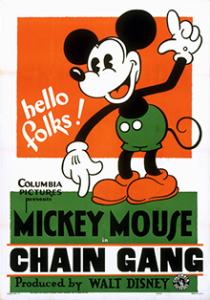
Also, in 1930 Charlotte Clark and her 16-year-old artistic nephew, Bob Clampett make the first Mickey Mouse dolls. 18 Vintage Mickey Mouse Stuffed Animals Worth Collecting

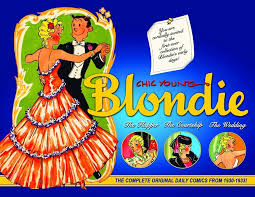
September 8, 1930: Blondie by Chic Young makes its debut.
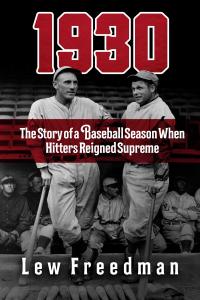
September 20, 1930 – Bill Terry goes four-for-five in the first game of a double header and two-for-four in the second to raise his season average to .402. He goes five-for-seven in a double header the next day to see his average go as high as .406. He ends the season with a .401 batting average. He is the last National Leaguer to bat over .400.
1930: The Story of a Baseball Season
When Hitters Reigned Supreme
by Lew Freedman
September 23, 1930 – September 25, 1930 – 6th National Eucharistic Congresses for the United States of America in Omaha, NE. The Congress was held at a number of different locations in Omaha, including the cathedral, St. Cecilia’s and Creighton University. A number of newsreel companies were on hand to film the event. Bishop Joseph Rummel of Omaha hosted the event.[
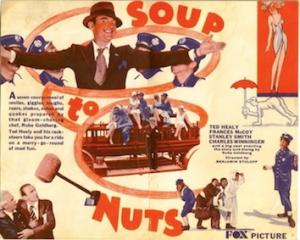
September 28, 1930 – Soup to Nuts the film debut of the guys who would go on to become known as The Three Stooges comic trio (Shemp Howard, Moe Howard, and Larry Fine).
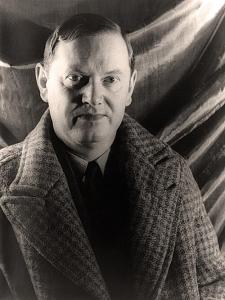
September 29, 1930 – The English satirical novelist Evelyn Waugh joins the Catholic Church.
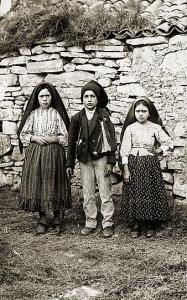
October 13,1930 – .José Alves Correia da Silva, Bishop of Leiria, declared the events of the apparitions of Our Lady of Fátima 13 years earlier worthy of belief.
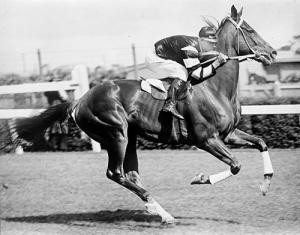
November 1, 1930 – Phar Lap (October 4, 1926 – April 5, 1932) was a New Zealand-born champion Australian Thoroughbred racehorse. Achieving great success during his distinguished career, his initial underdog status gave people hope during the early years of the Great Depression. As his achievements grew, there were some who tried to halt his progress. Criminals tried to shoot Phar Lap[10][18] on the morning of Saturday 1 November 1930 after he had finished track work. They missed, and later that day he won the Melbourne Stakes, and three days later the Melbourne Cup as odds-on favorite at 8 to 11. Phar Lap wins the Melbourne Cup Race from Second Wind and Shadow King. He is universally revered as one of the greatest race horses of all time, not just in Australia but in the history of Thoroughbred horse racing.
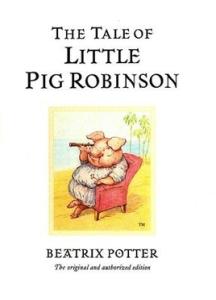
1930 –The Tale of Little Pig Robinson by Beatrix Potter as part of the Peter Rabbit series. Though the book was one of Potter’s last publications in 1930, it was one of the first stories she wrote.
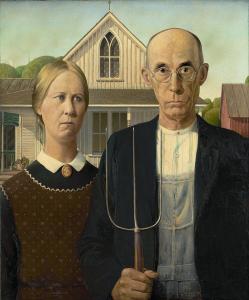
Grant Wood – American Gothic was painted.
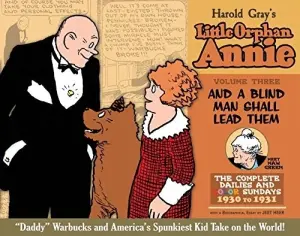
Little Orphan Annie: The Complete Dailies & Color Sundays – Vol. 3 – And a Blind Man Shall Lead Them”
40 Years Ago
Before I Was Born
1931
All Movies, Books, Printed Music and Art of 1931
enter the Public Domain on January 1, 2027
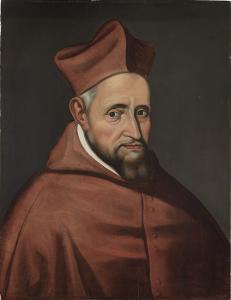
1931 – Robert Bellarmine (October 4, 1542 – September 17, 1621) is made a Doctor of the Church.
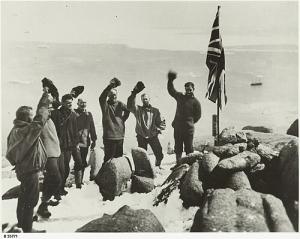
1931 –Sir Douglas Mawson charts 4,000 miles of Antarctic coastline and claims 42% of the icy mass for Australia.
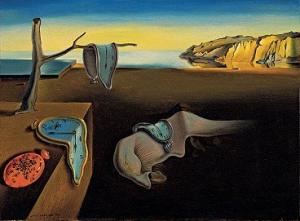
1931 –Salvador Dalí – The Persistence of Memory
1931 – British teacher and archaeological illustrator Frida Leakey discovered a gorge off Olduvai Gorge, also known as “The Cradle of Mankind”, that was named “FLK” for “Frida Leakey and K for korongo, the Swahili language word for gully),. This gorge would be an outstanding source of human fossils.

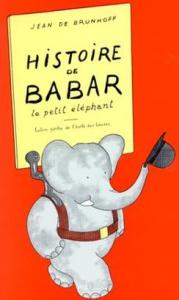
Jean de Brunhoff – Histoire de Babar, le petit éléphant (translated as The Story of Babar)
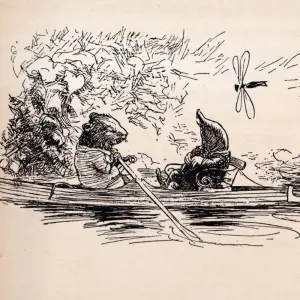
1931 – The Wind in the Willows (1908) This new edition has popular illustrations by E. H. Shepard, and believed to be authorized as Grahame was pleased with the initial sketches, although he did not live to see the completed work dying the following year.
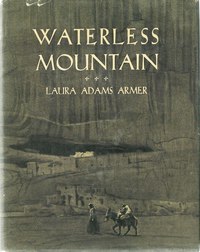
Laura Adams Armer –Waterless Mountain -Newbury Winner
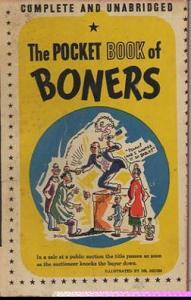
Dr. Seuss –The Pocket Book of Boners
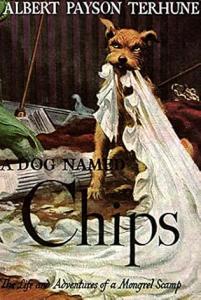
A Dog Named Chips: The Life and Adventures of a Mongrel Scamp
(Book 15 in the Sunnybank series)
A novel by Albert Payson Terhune
The Hands of Mr. Ottermole
by Thomas Burke

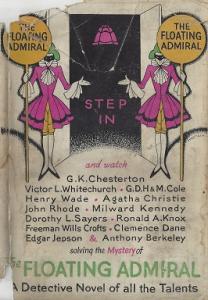
The Floating Admiral by the British Detection Club – This was a chain-written, collaborative detective novel written by fourteen members of the British Detection Club. The twelve chapters of the story were each written by a different author, in the following sequence: Canon Victor Whitechurch, G. D. H. Cole and Margaret Cole, Henry Wade, Agatha Christie, John Rhode, Milward Kennedy, Dorothy L. Sayers, Ronald Knox, Freeman Wills Crofts, Edgar Jepson, Clemence Dane and Anthony Berkeley. G. K. Chesterton contributed a prologue, which was written after the novel had been completed.
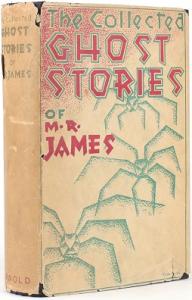
The Collected Ghost Stories of M. R. James. 1931. Contains the 26 stories from the original four books, plus “After Dark in the Playing Fields” (1924), “There Was a Man Dwelt by a Churchyard” (1924), “Wailing Well” (1928), and “Rats” (1929). It does not include three stories completed between 1931 and James’s death in 1936. -“The Experiment: A New Year’s Eve Ghost Story“, in Morning Post, 31 December 1931, p. 8
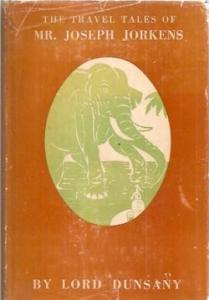
The Travel Tales of Mr. Joseph Jorkens
by Lord Dunsany.
Irma S. Rombauer – The Joy of Cooking

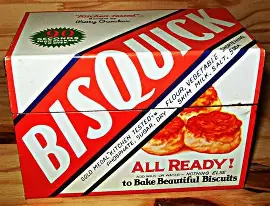
1931 – Bisquick was officially introduced on grocers’ shelves.
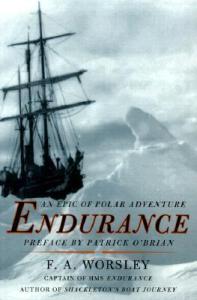
Frank A. Worsley, –Endurance: An Epic of Polar Adventure
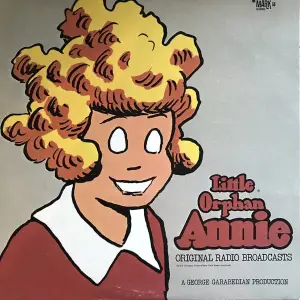
Little Orphan Annie is an American radio drama series based on the popularity of the comic strip Little Orphan Annie. It debuted on Chicago’s WGN in 1930, then moved to the NBC radio network Blue Network on April 6, 1931. It aired until April 26, 1942.
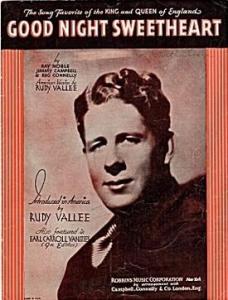
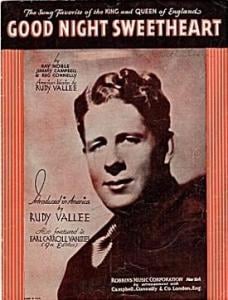
1931 – “Goodnight, Sweetheart” was written in 1931 by the song-writing team of Ray Noble, Jimmy Campbell and Reg Connelly.
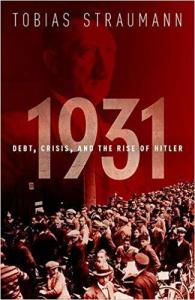
1931: Debt, Crisis, and the Rise of Hitler
by Tobias Straumann
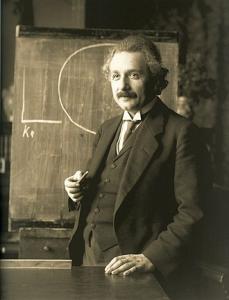
January 3, 1931 – Albert Einstein begins doing research at the California Institute of Technology, along with astronomer Edwin Hubble. In October the Caltech Department of Physics faculty and graduate students meet with Einstein as a guest.
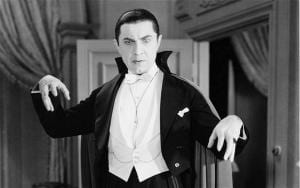
February 14, 1931 – Dracula, directed by Tod Browning, starring Bela Lugosi
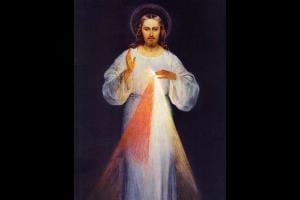
Sunday February 22, 1931 – Saint Faustina Kowalska wrote that on this night while she was in her cell in Płock, Jesus appeared wearing a white garment with red and pale rays emanating from his heart. In her diary (Notebook I, Items 47 and 48), she wrote that Jesus told her:
Paint an image according to the pattern you see, with the signature: “Jesus, I trust in You” (in Polish: “Jezu, ufam Tobie”). I desire that this image be venerated, first in your chapel, and then throughout the world. I promise that the soul that will venerate this image will not perish.
February 19, 1931 – “”Dream a Little Dream of Me” -Recorded- Wayne King and His Orchestra (vocal Ernie Birchill).
February 19 – February 23, 1931 – Inaugural FIS Alpine World Ski Championships are held at Mürren, Switzerland. The events are a downhill and a slalom race in both the men’s and women’s categories.
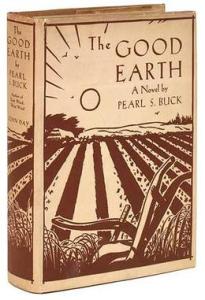
March 2, 1931 – The Good Earth by Pearl S. Buck is published. It was the best-selling novel in the United States in both 1931 and 1932, won the Pulitzer Prize for Fiction in 1932, and was influential in Buck’s winning the Nobel Prize for Literature in 1938. Buck, who grew up in China as the daughter of American missionaries, wrote the book while living in China and drew on her first-hand observation of Chinese village life.
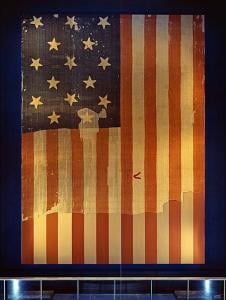
March 3, 1931 – The Star-Spangled Banner is adopted as the United States national anthem.
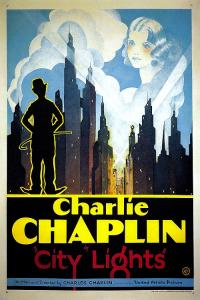
March 7, 1931– City Lights written, produced, directed by, and starring Charlie Chaplin.
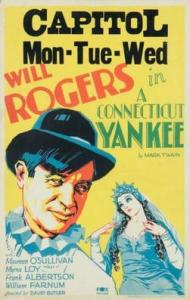
April 6, 1931 –A Connecticut Yankee,
directed by David Butler, starring Will Rogers
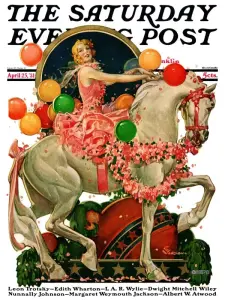
April 25, 1931 -The Saturday Evening Post
“Pomegranate Seed by Edith Wharton
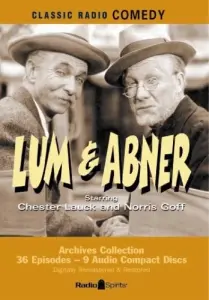
April 26, 1931 – The debut of Lum and Abner radio program.
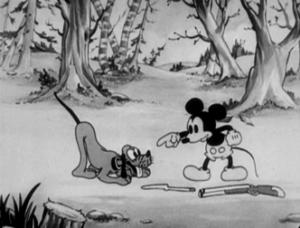
April 30, 1931 – The Moose Hunt with first appearance of Pluto as Mickey’s dog.
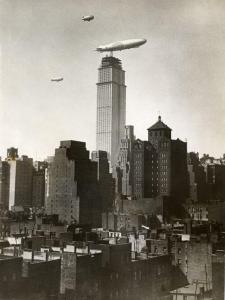
May 1, 1931 – Construction of the Empire State Building is completed in New York City.
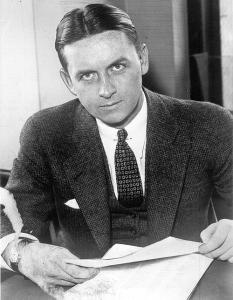
June 1931 – Infamous mob boss Al Capone was indicted first for income tax evasion and then for five thousand counts of conspiracy to violate the Volstead Act, the latter based on evidence gathered by Eliot Ness and his Untouchables. They were legendary for being fearless and incorruptible, they earned the nickname “The Untouchables” after several agents refused large bribes from members of the Chicago Outfit.
July 9, 1931 – Irish racing driver Kaye Don breaks the world water speed record at Lake Garda, Italy.

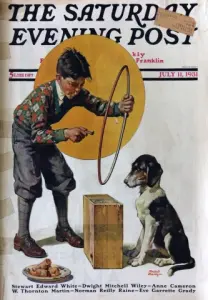
July 11, 1931 –The Saturday Evening Post ”
Tugboat Annie by Norman Reilly Raine
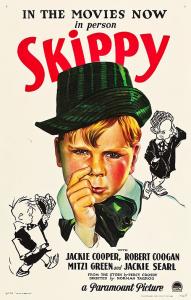
August 5, 1931 –Skippy is based on the popular comic strip and novel Skippy by Percy Crosby. The film stars Jackie Cooper in the title role, Director Norman Taurog won the Academy Award for Best Director (at age 32, he remained the youngest winner in this category until Damien Chazelle won for the 2016 film La La Land). The film also did well enough to inspire a sequel called Sooky (1931).
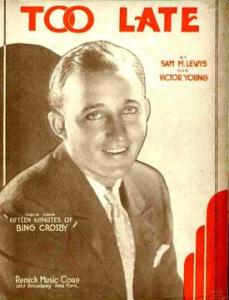
September 2, 1931 – 15 Minutes with Bing Crosby, his nationwide solo radio debut, began broadcasting. The opening theme played by the orchestra was “Too Late” and the sheet music of this song quickly stated that it was from Fifteen Minutes of Bing Crosby.
September 29, 1931 – “Good-night Sweetheart” Recorded- Wayne King and His Orchestra (vocal Ernie Birchill).
October 4, 1931: Chester Gould‘s Dick Tracy makes his debut. It naturally marks the debut of the protagonist, Dick Tracy.

October 24, 1931 – The George Washington Bridge across the Hudson River in the United States is dedicated; it opens to traffic the following day. At 3,500 feet (1,100 m), it nearly doubles the previous record for the longest suspension span in the world.

November 7, 1931 – Buck Rogers in the 25th Century debuts on American radio. It is the first science fiction program on radio.
November 12, 1931 – Hockey Night in Canada, now the oldest sports-related television program still on air, debuts as a radio program known as the General Motors Hockey Broadcast. The program began broadcasting Saturday-night Toronto Maple Leafs games. The TV series begins in 1952.

November 21, 1931 – Frankenstein directed by James Whale, starring Boris Karloff, Colin Clive and Mae Clarke

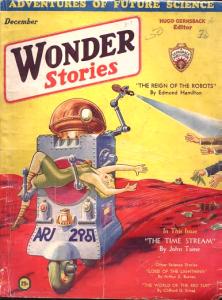
December 1931 –Wonder Stories,
The World of the Red Sun by Clifford D. Simak
The Reign of the Robots • novelette by Edmond Hamilton
The Time Stream (Part 1 of 4) • serial by John Taine
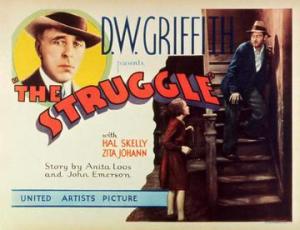
December 10, 1931 – The Struggle – directed by D. W. Griffith based on the 1877 novel L’Assommoir by Émile Zola. It was Griffith’s only full-sound film besides Abraham Lincoln (1930). After several films directed by Griffith failed at the box office, The Struggle was his last film.
December 16, 1931 – Albertus Magnus was canonized and made a Doctor of the Church.

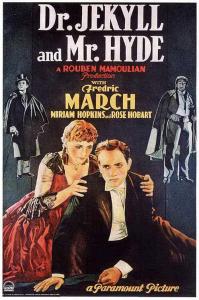
December 24, 1931 (Los Angeles) – Dr. Jekyll and Mr. Hyde, directed by Rouben Mamoulian, starring Fredric March and Miriam Hopkins. Nominated for three Academy Awards, March won the award for Best Actor, sharing the award with Wallace Beery for The Champ.
The Negro National League disbands. St. Louis Stars win the last championship.
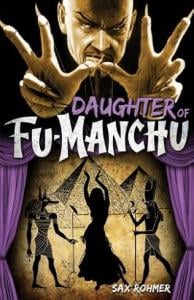
1931 – # 4 Fu Manchu series – The Daughter of Fu Manchu by Sax Rohmer
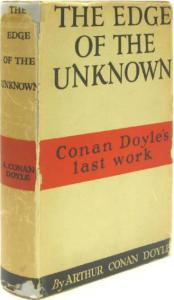
1931– The Edge of the Unknown by Arthur Conan Doyle
39 Years Ago
Before I Was Born
1932
All Movies, Books, Printed Music and Art of 1932
enter the Public Domain on January 1, 2028
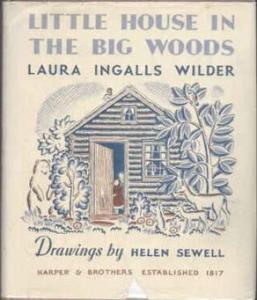
Laura Ingalls Wilder – Little House in the Big Woods
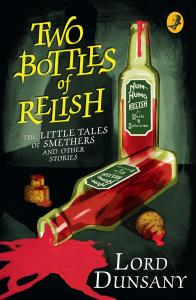
1932 – Two bottles of relish a short story by Lord Dunsany.
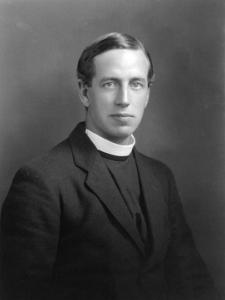
1932 – Broadcast Minds by Father Ronald Knox – A criticism of the religious opinions of some of the leading scientific publicists of the time (including Julian Huxley and Bertrand Russell).
1932 – Salesman Herman Lay opened a snack food operation in Nashville, Tennessee where he would sell his first chips that would eventually become Lays Potato Chips.

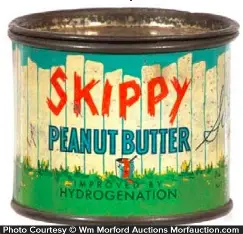
1932 – The Alameda, California food packer Joseph L. Rosefield began to sell Skippy.
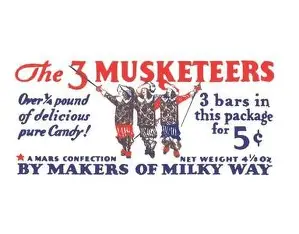
1932 – The 3 Musketeers Bar, the third brand produced and manufactured by M&M/Mars, was introduced.
1932 – The sock monkey was first made by the Nelson Knitting Company in Rockford, Illinois.

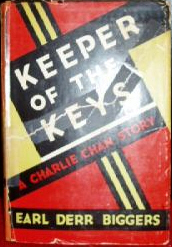
1932 – Keeper of the Keys by Earl Derr Biggers – The sixth and last mystery in the Charlie Chan series.
1932 – Further Doings of Milly-Molly-Mandy (Milly-Molly-Mandy, book 3) by Joyce Lankester Brisley by Joyce Lankester Brisley

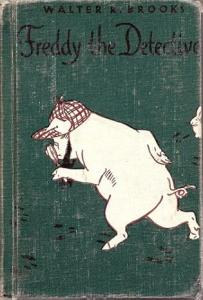
1932 – Freddy the Detective (Freddy the Pig Book 3) by Walter R. Brooks.
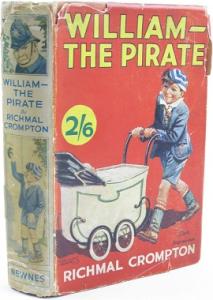
1932 – William the Pirate -the fourteenth book in the Just William series by Richmal Crompton. Roddy Doyle said that William the Pirate was one of the books he turned to when writing his Booker Prize-winning novel Paddy Clarke Ha Ha Ha.
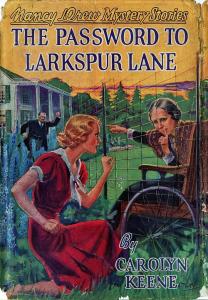
1933– The Password to Larkspur Lane – The tenth volume in the Nancy Drew Mystery Stories series. It was first published in 1933 under the pseudonym Carolyn Keene.[1] The actual author was ghostwriter Walter Karig in his third and final Nancy Drew novel and his final appearance for the Stratemeyer Syndicate. Due to Karig’s death in 1956, this book and his other two Nancy Drews, as of January 1, 2007, have passed into the public domain in Canada and other countries with a life-plus-50 policy.
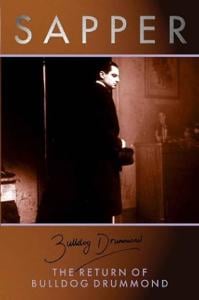
Return of Bulldog Drummond (A book in the Bull-Dog Drummond series)
A novel by Sapper
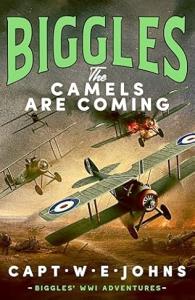
1932- The Camels are Coming (The first book in the Biggles series) by Captain W E Johns
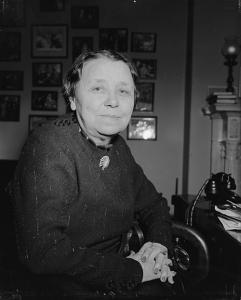
January 12, 1932 – Hattie Wyatt Caraway of Arkansas is the first woman elected to the U.S. Senate, to fill a vacancy cause by the death of her husband. She is reelected in 1932 and 1938.
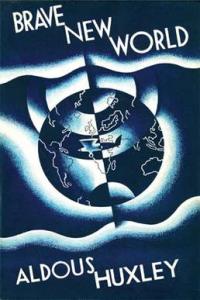
February 4, 1932 – Aldous Huxley – Brave New World
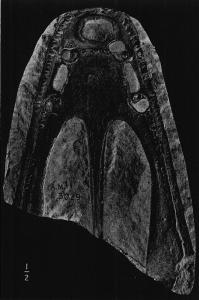
1932 – American paleontologist Roland T. Bird discovered one of his first fossils, the skull of an amphibian while camping in Arizona. The specimen was a previously undiscovered genus and species, which would later be named Stanocephalosaurus birdi, and the discovery led to Bird’s employment at the American Museum of Natural History in 1934.
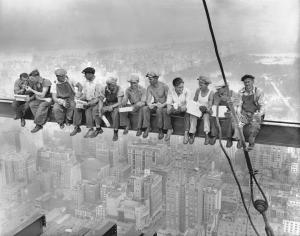
1932 – Charles Clyde Ebbets (August 18, 1905 – July 14, 1978) was an American photographer credited with taking the iconic photograph Lunch atop a Skyscraper.
January 12, 1932 – The Ed Sullivan Show debuts on CBS in the United States.
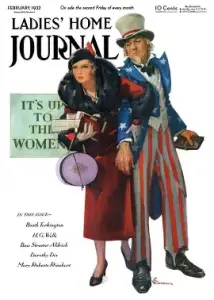
February 1932– The Queer Story of Brownlow’s Newspaper by H. G. Wells in Ladies’ Home Journal, February 1932 –Synopsis: When coming home one evening Brownlow finds the newspaper of exactly 4o years later delivered.
February 4, 1932 -The 1932 Winter Olympics open in Lake Placid, New York.

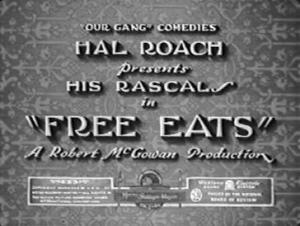
February 13, 1932 – Our Gang #112 Free Eats – This marked the debut appearance of George “Spanky” McFarland.
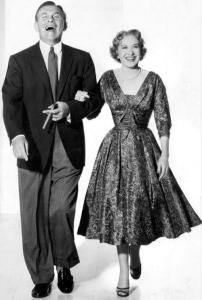
February 15, 1932 – George Burns and Gracie Allen become regulars on The Guy Lombardo Show on CBS.
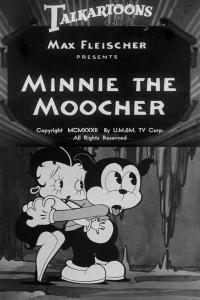
February 26, 1932 – The Fleischer Studios release the Betty Boop cartoon Minnie the Moocher, which has jazz musician Cab Calloway as a special guest voice. Minnie the Moocher was voted #20 of the 50 Greatest Cartoons of all time by members of the animation field.
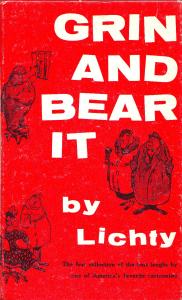
March 1932 – George Lichty‘s Grin and Bear It makes its debut. It will run until May 3, 2015.
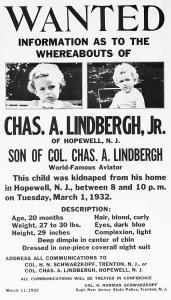
March 1, 1932 – Charles Augustus Lindbergh Jr., 20-month-old son of aviators Charles Lindbergh and Anne Morrow Lindbergh, was abducted from the crib in the upper floor of his home in Highfields in East Amwell, New Jersey, United States. On May 12, the child’s cwas discovered by a truck driver by the side of a nearby road.
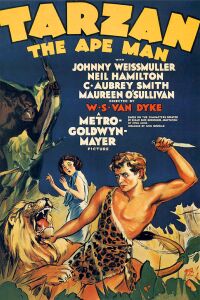
April 2, 1932 –Tarzan the Ape Man, directed by W. S. Van Dyke, starring Johnny Weissmuller, Maureen O’Sullivan and Neil Hamilton
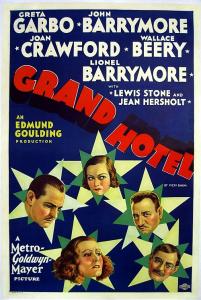
April 12, 1932 – Grand Hotel, directed by Edmund Goulding, starring Greta Garbo, John Barrymore, Joan Crawford, Wallace Beery, Lionel Barrymore and Lewis Stone
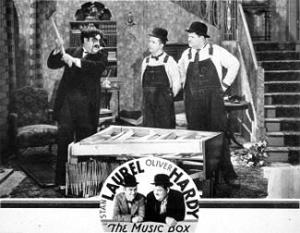
April 16, 1932 -Laurel and Hardy’s The Music Box Academy Award for Best Live Action Short Film.
April 23, 1932 – New Shakespeare Memorial Theatre at Stratford-upon-Avon, designed by Elisabeth Scott, is opened, becoming the first important work erected in the United Kingdom by a woman architect.

May 2, 1932 – The Jack Benny Program debuts on the NBC Blue Network in the United States.
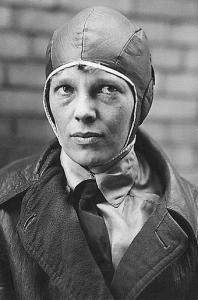
May 21, 1932– Amelia Earhart completes first solo nonstop transatlantic flight by a woman.
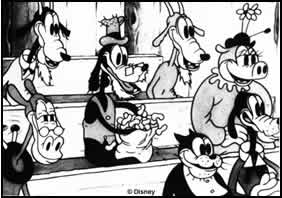
May 27, 1932 – Wilfred Jackson‘s Mickey Mouse cartoon Mickey’s Revue, premieres. Goofy makes his debut in this short film.
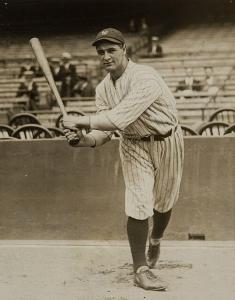
June 3, 1932 – Lou Gehrig hits four home runs and narrowly misses a fifth, while Tony Lazzeri hits for the cycle as the New York Yankees beat the Philadelphia Athletics, 20–13. Gehrig becomes the third player to accomplish the feat in Major League history and the first to do so in the American League in 36 years. The Yankees set a major league record for total bases with 50 and both teams set a still-standing record for extra bases with 41.
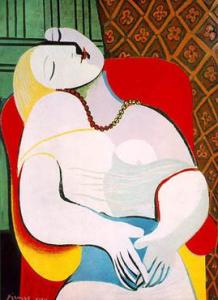
June 16, 1932 – Pablo Picasso‘s retrospective exhibition opens at the Galeries Georges Petit in Paris, displaying 225 paintings. On of his paintings in 1932 was Le Rêve (Picasso). He was then then 50 years old, portraying his 22-year-old mistress Marie-Thérèse Walter. On March 26, 2013, the painting was sold in a private sale for $155 million, making it one of the most expensive paintings ever sold.
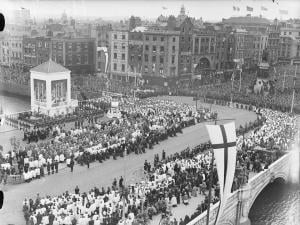
June 22 – 26, 1932 – 31st Eucharistic congress in  Dublin – Motto: The Propagation of the Sainted Eucharist by Irish Missionaries – 1500th anniversary of Saint Patrick‘s arrival in Ireland. Catholic population of Ireland in 1932 was 3 million.
June 25, 1932 – An article in The Saturday Evening Post (US) claims that the 1911 theft of Leonardo da Vinci‘s Mona Lisa was partly masterminded by a forger named Yves Chaudron.

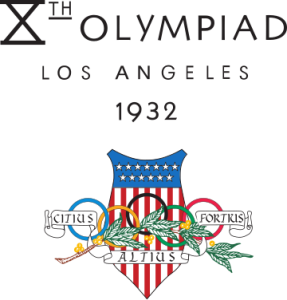
July 30, 1932 – The 1932 Summer Olympics open in Los Angeles.
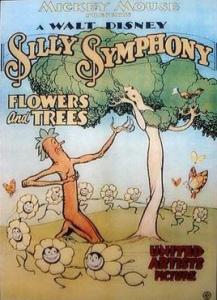
Walt Disney’s Flowers and Trees, the first animated cartoon to be presented in full Technicolor, premieres in Los Angeles. It releases in theaters, along with the film version of Eugene O’Neill‘s Strange Interlude (starring Norma Shearer and Clark Gable); Flowers and Trees goes on to win the first Academy Award for Best Animated Short.
August 10, 1932 – The Lego Group was founded by Ole Kirk Christiansen,

September 1932 – The Doolin family gave the chips their name, Frito, the Spanish and Portuguese word for “fried”, and founded the Frito Corporation.

September 23, 1932 – Saudi National Day: Crown Prince (later king) Faisal of Saudi Arabia, on behalf of Ibn Saud, proclaims the unification of the Kingdom of Saudi Arabia, the current iteration of the Third Saudi State.

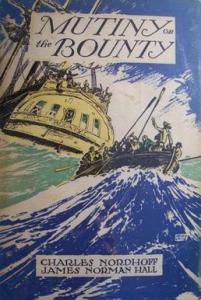
October 1932 – Charles Nordhoff and James Norman Hall – The Bounty Trilogy # 1 Mutiny on the Bounty
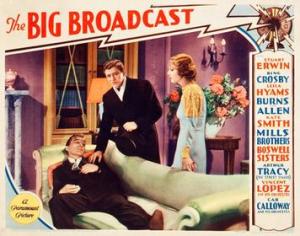
October 14, 1932 – The Big Broadcast was the first of 55 films in which Bing Crosby received top billing. Crosby would appear in almost 80 pictures.
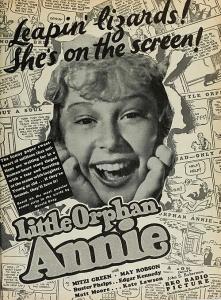
November 4, 1932
Little Orphan Annie
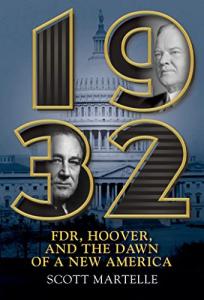
November 8, 1932 – 1932 United States presidential election: Democratic governor of New York Franklin D. Roosevelt defeats incumbent Republican president Herbert Hoover in a landslide victory, having promised a New Deal and repeal of Prohibition.
1932: FDR, Hoover, and
the Dawn of a New America
by Scott Martelle
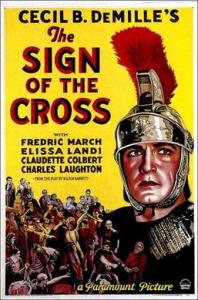
November 30, 1932 –The Sign of the Cross, directed by Cecil B. DeMille, starring Fredric March, Claudette Colbert and Charles Laughton. This film is the third and last in DeMille’s biblical trilogy, following The Ten Commandments (1923) and The King of Kings (1927). The reaction of the Catholic Church in the United States to the content in this film and in Ann Vickers helped lead to the 1934 formation of the Catholic Legion of Decency, an organization dedicated to identifying and combating objectionable content, from the point of view of the Church, in motion pictures.
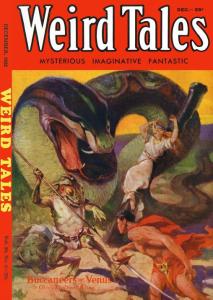
December 1932 – “The Phoenix on the Sword” by Robert E. Howard (Weird Tales novelette; vol. 20, #6, December 1932). This is one of the original short stories about Conan the Cimmerian.
December 5, 1932 – Alley Oop comic strip appears
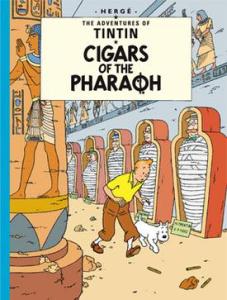
December 8, 1932 – February 8, 1934 – Cigars of the Pharaoh (French: Les Cigares du Pharaon) is the fourth volume of The Adventures of Tintin, the series of comic albums by Belgian cartoonist Hergé.
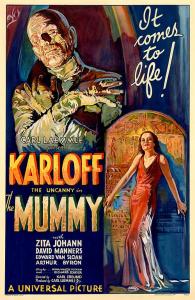
December 22, 1932 – The Mummy, directed by Karl Freund, starring Boris Karloff
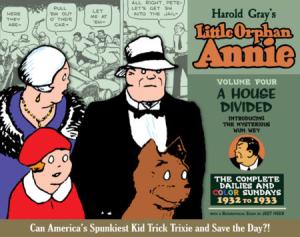
The Complete Little Orphan Annie Volume Four: 1932-1933
38 Years Ago
Before I Was Born
1933
All Movies, Books, Printed Music and Art of 1933
enter the Public Domain on January 1, 2029
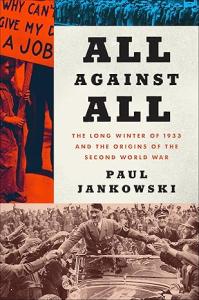
All Against All:
The Long Winter of 1933 and the Origins of the Second World War
by Paul Jankowski
1933 – Testament of Youth a memoir of British nurse and activist Vera Brittain (December 29, 1893 – March 29, 1970) is published. It recounted her experiences during the First World War and the beginning of her journey towards pacifism. The book has been acclaimed as a classic for its description of the impact of World War I on the lives of women and the middle-class civilian population of the United Kingdom.

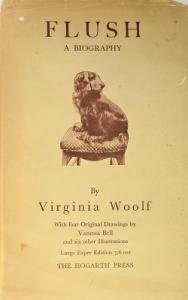
1933 – Flush: A Biography by Virginia Woolf which is an imaginative biography of Elizabeth Barrett Browning‘s cocker spaniel, in a cross-genre blend of fiction and nonfiction.
1933– The Case of the Velvet Claws. In the first Perry Mason mystery, we meet Perry, Della Street and detective Paul Drake for the first time.
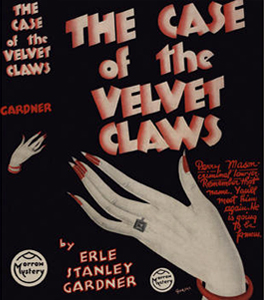
Other Mystery Book series
- Jumping Jenny (Roger Sheringham, book 8) by Anthony Berkeley
- Sweet Danger the fifth adventure of the mysterious Albert Campion by Margery Allingham, aided as usual by his butler/valet/bodyguard Magersfontein Lugg, and introduces the recurring character of Amanda Fitton.
- The Dragon Murder Case The seventh book in the Philo Vance Murder Cases series by S S van Dine
- The Belfry Murder (A book in the Hugh Collier series) by Moray Dalton
- Jimgrim and Allah’s Peace (A book in the Jimgrim series) by Talbot Mundy
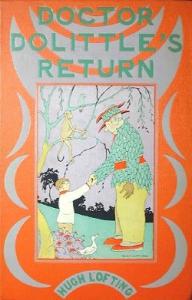
1933– Doctor Dolittle’s Return. This is the ninth book in Hugh Lofting’s Doctor Dolittle series. The book was published five years after the publication of Doctor Dolittle in the Moon and continues the plot line begun in that book. Lofting originally intended to end the series with Doctor Dolittle in the Moon, but for some reason changed his mind and the book was published.
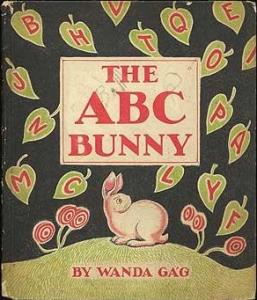
1933– The ABC Bunny by by Wanda Gág. The book, which was originally created for one of Wanda’s nephews, was the last picture book to be awarded a Newbery Honor, in 1934, until 1972.
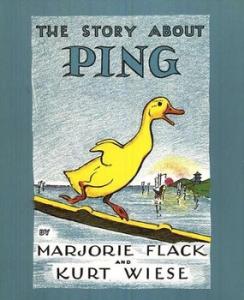
1933 – Marjorie Flack – The Story about Ping
1933 – Rudyard Kipling.
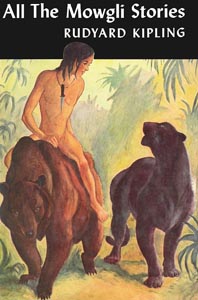
All the Mowgli Stories
First appearance “In the Rukh” (1893) Many Inventions (Not previously published. First appearance of Mowgli, but the last of his stories chronologically)
Last appearance “The Spring Running” (1895) The Second Jungle Book
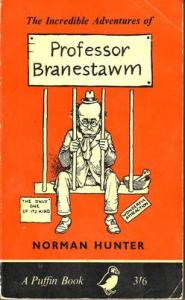
Norman Hunter – The Incredible Adventures of Professor Branestawm (first in Professor Branestawm series)
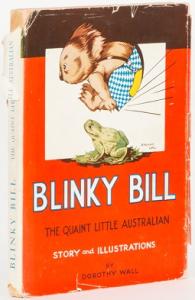
Dorothy Wall – Blinky Bill: the Quaint Little Australian (first in the Blinky Bill series of three books)
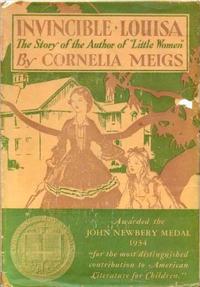
Cornelia Meigs – Invincible Louisa– Newbury Winner
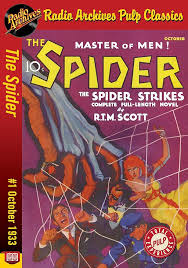
The Spider is an American pulp-magazine hero of the 1930s and 1940s. The character was created by publisher Harry Steeger and written by a variety of authors for 118 monthly issues of The Spider from 1933 to 1943. The Spider sold well during the 1930s, and copies are valued by modern pulp magazine collectors. Pulp magazine historian Ed Hulse has stated “Today, hero-pulp fans value The Spider more than any single-character magazine except for The Shadow and Doc Savage.”
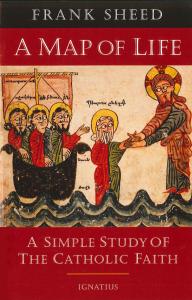
1933 –A Map of Life by Frank Sheed is published.
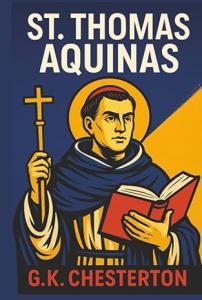
1933 – St. Thomas Aquinas: The Dumb Ox. by G. K. Chesterton.
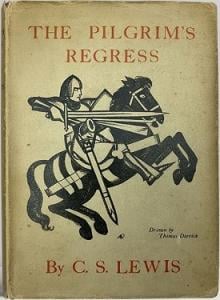
1933 – C.S. Lewis – The Pilgrim’s Regress Lewis is author of The Chronicles of Narnia books and is an Inkling.
J.R.R. Tolkien, –Errantry Tolkien is author of the Hobbit and the Lord of the Rings trilogy and is an Inkling.
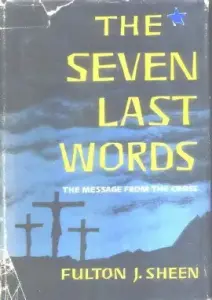
1933 – The seven last words by Fulton J. Sheen
1933 – Fascist Coup in the USA! (sqpn.com) The Business Plot (also called the Wall Street Putsch and The White House Putsch) was being planned. It was a plot to overthrow the government of President Franklin D. Roosevelt and install Smedley Butler as dictator.
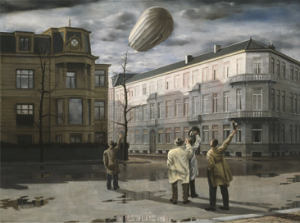
1933 –Carel Willink – The Zeppelin
January 2, 1933 – Fritzi Ritz -The first appearance of Nancy in a Fritzi Ritz comic strip. She later becomes her own comic.

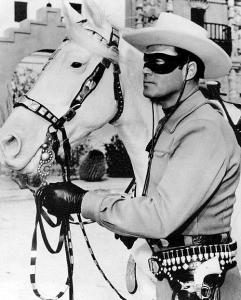
January 31, 1933– The Lone Ranger Debuts (1933–1955) (WXYZ Detroit)
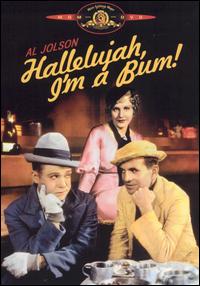
February 3, 1933 – Hallelujah, I’m a Bum – directed by Lewis Milestone and set in the Great Depression. The title is taken from the American folk song “Hallelujah, I’m a Bum“. The film stars Al Jolson, Frank Morgan the Wizard in 1939’s Wizard of Oz, silent comedian Harry Langdon, Chester Conklin of the Keystone Cops, and vaudevillian Edgar Connor.
February 22, 1933 –The Amazing Story of “Iron Mike” Malloy Michael Malloy (1873 – February 22, 1933), later known as either Mike the Durable or Iron Mike, was a homeless Irishman from County Donegal who lived in New York City during the 1920s and 1930s. A former firefighter, he survived multiple murder attempts by five acquaintances, who attempted to commit homicide as a life insurance fraud. They were known as the The Murder Trust
March 9, 1933 – June 16, 1933 New Deal recovery measures are enacted by Congress.
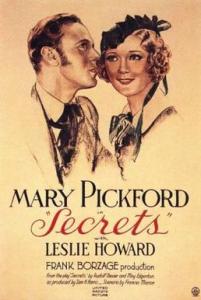
March 16, 1933 –Secrets, directed by Frank Borzage, starring Mary Pickford and Leslie Howard. This was Pickford’s last film role.
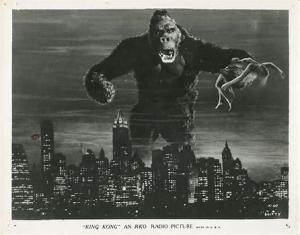
April 7, 1933 – King Kong, starring Fay Wray and Robert Armstrong
May 1, 1933 – Dorothy Day and Peter Maurin found The Catholic Worker Movement.

June 4, 1933 – Bernadette Soubirous is canonized a saint.

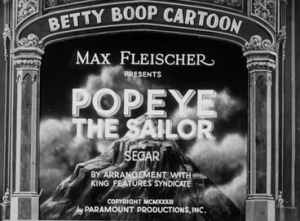
July 14, 1933 – The Fleischer Studios‘ Popeye the Sailor is released, marking the animated debuts of Popeye, Olive Oyl, and Bluto.
July 16, 1933 – John Jacob Niles hears the fragments of song in Appalachia that he adapts as the folk hymn “I Wonder as I Wander” completed on October 4 and first performed on December 19.
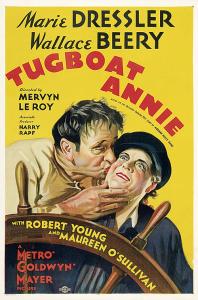
August 4, 1933 –Tugboat Annie, directed by Mervyn LeRoy, starring Marie Dressler, Wallace Beery, Robert Young and Maureen O’Sullivan
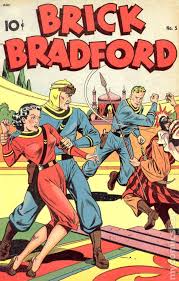
August 21, 1933 – Debut: Brick Bradford
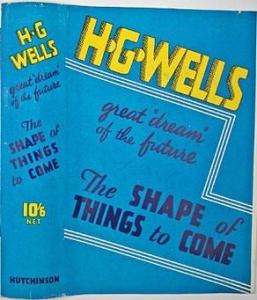
September 1933 – The Shape of Things to Come by H G Wells
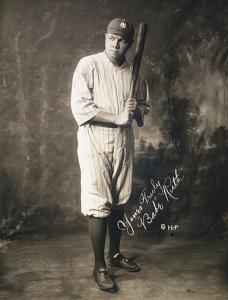
October 1, 1933 -At Yankee Stadium, Babe Ruth attracts 25‚000 fans as he takes the mound against the Boston Red Sox.
October 17, 1933 – Scientist Albert Einstein arrives from Europe in the United States, where he settles permanently as a refugee from Nazi Germany and takes up a position at the Institute for Advanced Study, Princeton, New Jersey
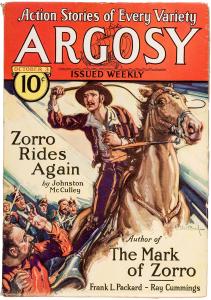
October 1933 – Zorro Rides Again, Argosy Vol. 224 No. 3 – Vol. 224 No. 6, October 3 1931 – October 24 1931, serial segment.
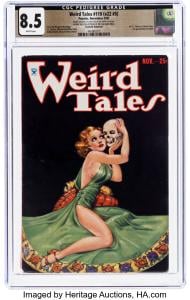
November 1933 – Shambleau by C. L. Moore. in Weird Tales, November 1933
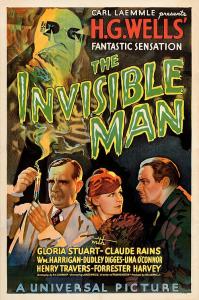
November 13, 1933 – The Invisible Man, starring Claude Rains in the title role with Gloria Stuart.
November 16, 1933 – American aviator Jimmie Angel becomes the first foreigner to see the Angel Falls in Venezuela (they are named after him).

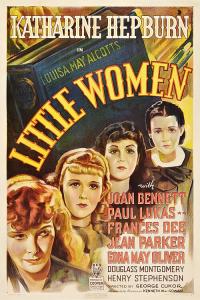
Little Women directed by George Cukor and produced by Merian C. Cooper and Kenneth MacGowan. It stars Katharine Hepburn, Joan Bennett, Frances Dee, and Jean Parker.
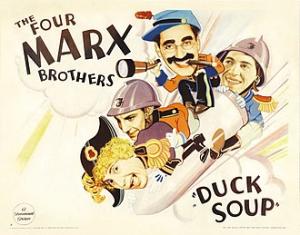
November 17, 1933 – Duck Soup, directed by Leo McCarey, starring the Marx Brothers. Duck Soup is widely considered to be a masterpiece of comedy and the Marx Brothers’ finest film. In 1990, the United States Library of Congress deemed Duck Soup “culturally, historically, or aesthetically significant” and selected it for preservation in the National Film Registry.
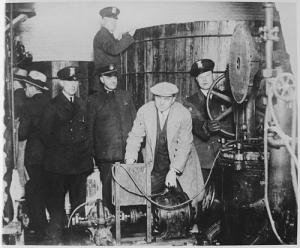
Dec 5, 1933 –Repeal of Prohibition in the United States
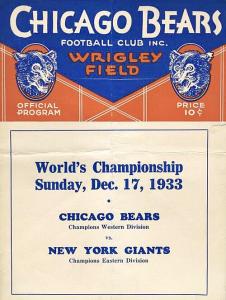
December 17, 1933 – The first NFL Championship game in American football is played. The Chicago Bears defeat the New York Giants 23–21.
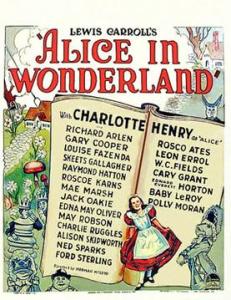
December 22, 1933 – Alice in Wonderland, directed by Norman Z. McLeod, starring Charlotte Henry, Richard Arlen, Gary Cooper, W. C. Fields, Cary Grant and Jack Oakie
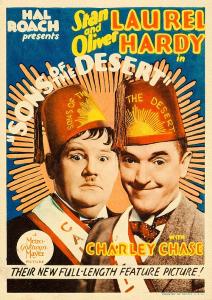
December 29, 1933 – Sons of the Desert, directed by William A. Seiter, starring Laurel and Hardy. In 2012, the film was deemed “culturally, historically, or aesthetically significant” by the United States Library of Congress and selected for preservation in the National Film Registry. The international Laurel and Hardy society The Sons of the Desert, established in 1965, takes its name from this feature film.
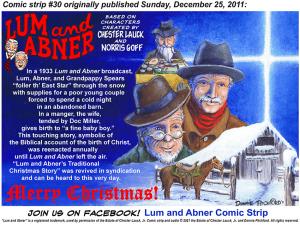
1933–Lum and Abner’s Christmas Story In a 1933 Lum and Abner broadcast, Lum, Abner and Grandpappy Spears “Foller th’East Star” through the snow with supplies for a poor young couple forced to spend a cold night in a n abandoned barn. In a manger the wife, tended by Doc Miller, gives birth to “a fine baby boy.” This touching story, symbolic of The biblical account of the birth of Christ, was reenacted annually until Lum and Abner left the air. “Lum and Abner’s traditional Christmas Story” was revived in syndication and can be heard to this very day.
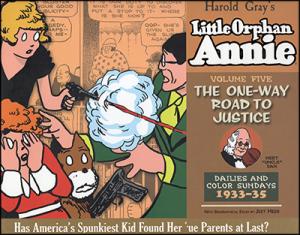
“Little Orphan Annie: The Complete Dailies & Color Sundays – Vol. 5 – The One-Way Road to Justice”
37 Years Ago
Before I Was Born
1934
All Movies, Books, Printed Music and Art of 1934
enter the Public Domain on January 1, 2030
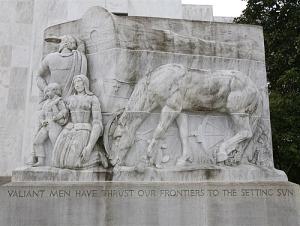
1934 – Leo Friedlander – marble reliefs outside Oregon State Capitol
1934 –Amrita Sher-Gil – The Little Girl in Blue

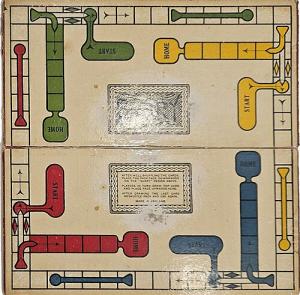
1934 – The board game Sorry! is first sold in stores in the U.S.
1934 -The first ever ray gun ever produced and first sold is The Buck Rogers Rocket Pistol.

1934 – The science-based toy manufacturer the A.C. Gilbert Co. began marketing a line of toy microscopes to teach children about photographic images. –Microscope Set – History’s Best Toys: All-TIME 100 Greatest Toys – TIME

1934 – Ritz Crackers are introduced.

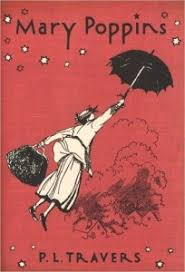
1934 –P. L. Travers –
Mary Poppins (first in Mary Poppins series of eight books)
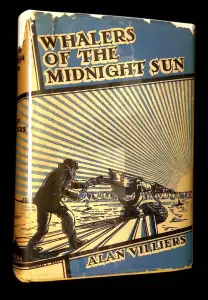
1934 –Whalers of the Midnight Sun by Alan Villiers
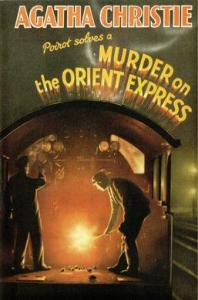
1934 – Murder on the Orient Express (book publication, features Hercule Poirot) by Agatha Christie
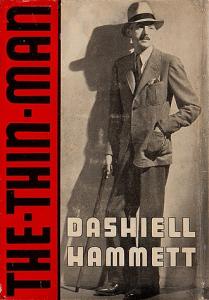
1934 –Dashiell Hammett – The Thin Man # 1
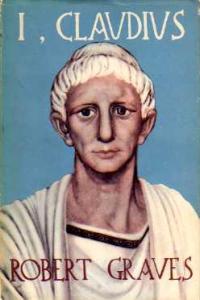
1934 – Robert Graves – I, Claudius – In 1998, the Modern Library ranked I, Claudius fourteenth on its list of the 100 best English-language novels of the 20th century. In 2005, the novel was chosen by Time as one of the 100 best English-language novels from 1923 to present.
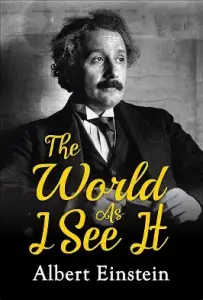
1934 – Albert Einstein –The World As I See It
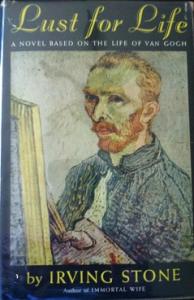
1934- Lust for Life by Irving Stone about the life of the Dutch painter Vincent van Gogh and his hardships.
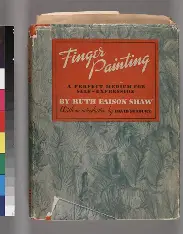
1934 – FINGER PAINTING A Perfect Medium for Self-Expression by Ruth Faison Shaw who developed Finger Painting in 1934.
1934–H. G. Wells – An Experiment in Autobiography
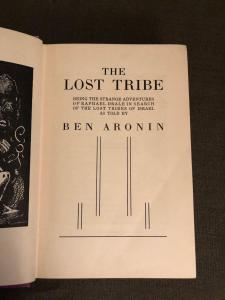
1934 – Ben Aronin’s adventure novel The Lost Tribe. Being the Strange Adventures of Raphael Drale in Search of the Lost Tribes of Israel is published. It’s about a teenager named Raphael who finds the lost tribe of Dan beyond the Arctic Circle.
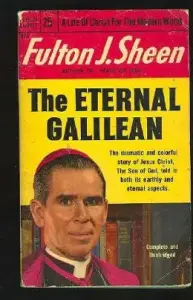
1934 – The Eternal Galilean by Fulton J. Sheen
Also Fulton Sheen wrote Philosophy of Science
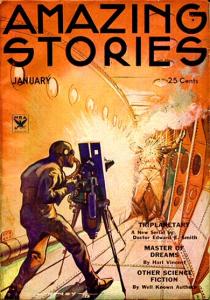
January 1934 – Triplanetary (Part 1 of 4) [as by Edward E. Smith, Ph.D.] in Amazing Stories, January 1934
January 7, 1934: Alex Raymond‘s Flash Gordon and Jungle Jim make their debut. Flash Gordon will run until 2003, while Jungle Jim lasts until 1954.
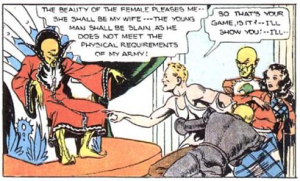
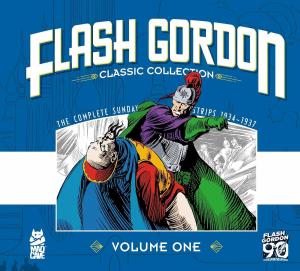
Flash Gordon: Classic Collection Vol. 1: On The Planet Mongo: by Alex Raymond (Author) , Don Moore (Author) -Flash Gordon: Classic Collection Volume 1 reprints all of Alex Raymond’s Sunday strips from January 1, 1934 to April 18, 1937, and includes additional background material and an introduction from Alex Ross
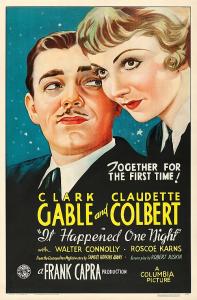
February 22, 1934 – It Happened One Night, directed by Frank Capra, starring Clark Gable and Claudette Colbert
March 3, 1934 – The highest ever English attendance for a non-Cup Final of 84,569 sees Manchester City F.C. beat Stoke City F.C. 1-0 at Maine Road in the sixth round of the FA Cup. The 1933–34 FA Cup was the 59th season of the world’s oldest football cup competition, the Football Association Challenge Cup, commonly known as the FA Cup.
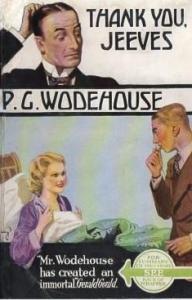
March 16 and October 5, 1934 – P. G. Wodehouse‘s Thank You, Jeeves and Right Ho, Jeeves, the first full-length novels to feature Jeeves, are published.
March 19, 1934 – Teresa Margaret of the Sacred Heart is canonized as a Saint.

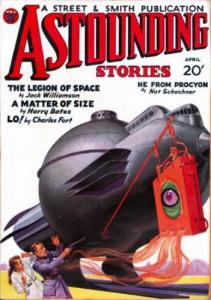
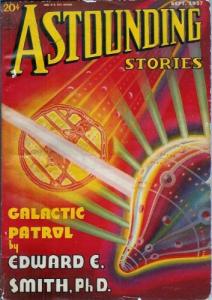
April 1934 – The Legion of Space (Part 1 of 6) by Jack Williamson in Astounding Stories, April 1934
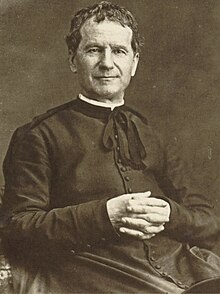
April 1, 1934 – John Bosco is canonized.
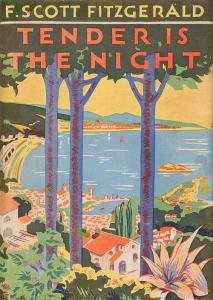
April 12, 1934 – Tender Is the Night. It is the fourth and final novel completed by American writer F. Scott Fitzgerald.
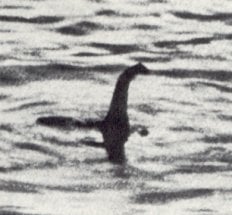
April 21, 1934 – The “surgeon’s photograph” of the Loch Ness Monster, taken in Scotland by London gynaecologist Robert Kenneth Wilson and in 1994 admitted to be a hoax, is published in the Daily Mail London national newspaper.
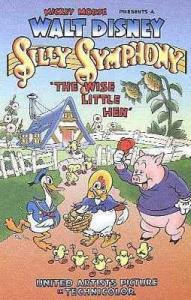
May 3, 1934: Wilfred Jackson‘s The Wise Little Hen premieres at the Carthay Circle Theatre; it features the debut of Donald Duck. The film would be released nationwide on June 9, which would later be declared as the date for Donald’s birthday.
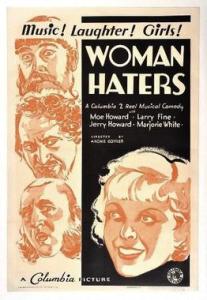
The first of the 3 Stooges Theatrical Shorts with Moe, Larry and Curley including
1 Woman Haters (May 5) It is the inaugural entry in the series released by Columbia Pictures starring the comedians, who ultimately starred in 190 short subjects for the studio between 1934 and 1959.
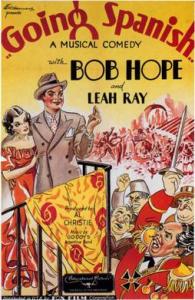
March 2, 1934 – Going Spanish featuring the film debut of Bob Hope and directed by Al Christie.
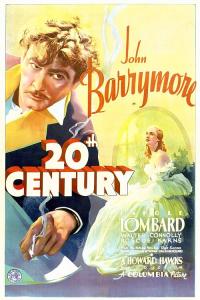
May 11, 1934 – Twentieth Century irected by Howard Hawks and starring John Barrymore, Carole Lombard, Walter Connolly, and Roscoe Karns. Much of the film is set on the 20th Century Limited train as it travels from Chicago to New York City.
March 22, 1934 – Inaugural Masters Tournament is held at Augusta National Golf Club in Georgia, USA. Until 1939, it is known as the Augusta National Invitational Tournament.

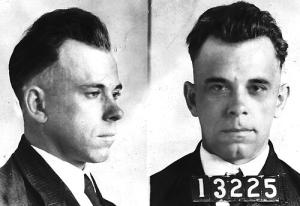
March 13, 1934 – John Dillinger and his gang rob the First National Bank in Mason City, Iowa, United States, stealing $52,000.
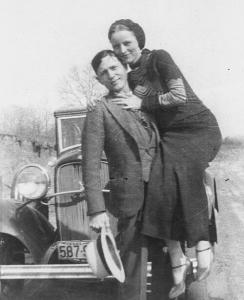
May 23, 1934 – American outlaws Bonnie and Clyde are ambushed and killed by police in Bienville Parish, Louisiana.
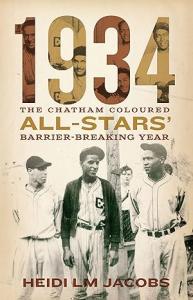
May 17, 1934 – The Chatham Coloured All-Stars opened their season at a packed Stirling Park – the community hub of Chatham’s largely Black East End. Five months after their opener in October 1934, the Chatham Coloured All-Stars became the first all-Black team to win the Ontario Baseball Association championships, then known as the Ontario Baseball Amateur Association. CBC Radio
1934: The Chatham Coloured All-Stars’
Barrier-Breaking Year
by Heidi L.M. Jacobs
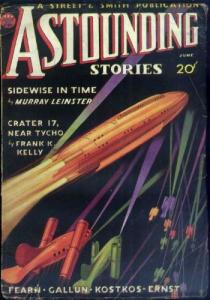
June 1934 – “Sidewise in Time” by Murray Leinster (from Astounding Stories, Jun. 1934)
June 11, 1934 – Lee Falk and Fred Fredericks‘s Mandrake the Magician makes its debut.
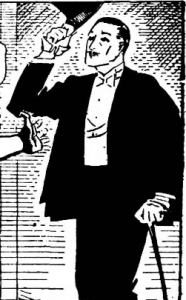
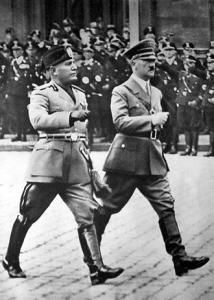
June 14, 1934 – Adolf Hitler and Benito Mussolini meet for the first time, at the Venice Biennale.
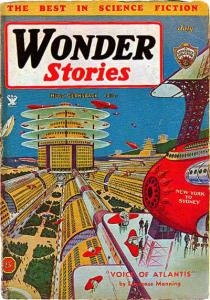
July 1934 – A Martian Odyssey by Stanley G. Weinbaum in Wonder Stories, July 1934
July 1, 1934 – The Hays Code begins to be strictly enforced in the Hollywood film industry, lasting until 1968.
July 10, 1934 – In the second Major League Baseball All-Star Game, played at the Polo Grounds in New York City, left–handed pitcher Carl Hubbell sets a record by striking out Babe Ruth, Lou Gehrig, Jimmie Foxx, Al Simmons and Joe Cronin consecutively. The catcher was Gabby Hartnett and the American League won 9–7.
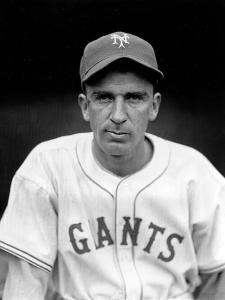
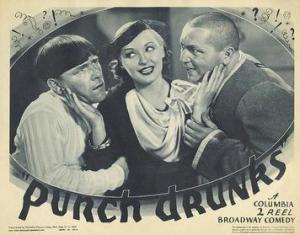
Babe Ruth founds the 700 home run club. He will be the only member for almost 40 years.
August 2, 1934 – Adolf Hitler becomes Führer of Germany, or head of state combined with that of Chancellor, following the death of President Paul von Hindenburg.
August 8, 1934 – The Wehrmacht swears a personal oath of loyalty to Adolf Hitler.
August 9, 1934 – Banana workers staged one of Costa Rica’s most significant strikes. Previous banana strikes and protests had been repressed by the national government on behalf of United Fruit Company. By the 1930s the company owned 3.5 million acres (14,000 km2) of land in Central America and the Caribbean and was the single largest land owner in Guatemala. Such holdings gave it great power over the governments of small countries. That was one of the factors that led to the coining of the phrase “banana republic“.

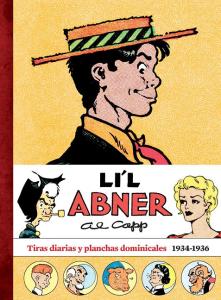
August 13, 1934 –Al Capp‘s Li’l Abner makes its debut.
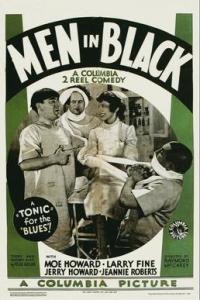
September 28, 1934 – 3 Stooges # 3 – Men in Black ( Men in Black is the only Stooge film ever nominated for an Academy Award for Best Short Subject – Comedy.
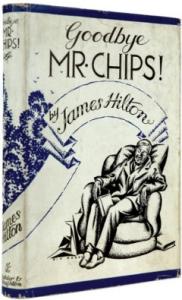
October 1934 –James Hilton – Goodbye, Mr. Chips
October 10 – 14, 1934 – 32nd Eucharistic congress in  Buenos Aires – First congress in South America. Papal legate Cardinal Pacelli (later Pope Pius XII). Over one million people around Tres de Febrero Park heard a radio broadcast from the pope in Vatican City. Cardinal Pacelli celebrated High Mass and pronounced apostolic blessing on participants.
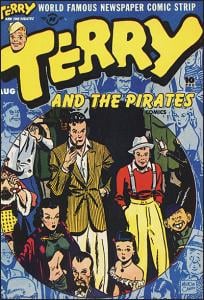
October 22, 1934 – Milton Caniff‘s Terry and the Pirates makes its debut
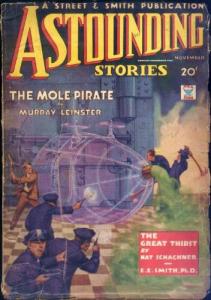
November 1934 – Twilight by John W. Campbell in Astounding Stories, November 1934
November 3, 1934 – Mama’s Little Pirate it was the 132nd Our Gang short to be released with the first appearance of Billie “Buckwheat” Thomas.
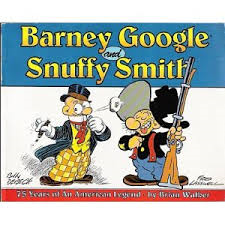
November 17, 1934 –In Billy DeBeck‘s Barney Google Snuffy Smith makes its debut, leading to an eventual title change as Barney Google and Snuffy Smith.
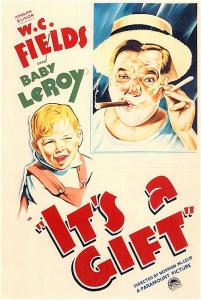
It’s a Gift, starring W. C. Fields
November 23, 1934 – Anne of Green Gables, starring Anne Shirley

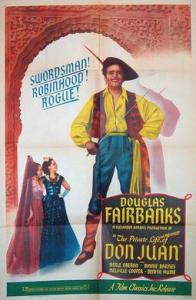
]November 30, 1934 –The Private Life of Don Juan – Directed by Alexander Korda and starring Douglas Fairbanks, Merle Oberon and Benita Hume. At the age of 51, it was the final role of Fairbanks, who died five years later.
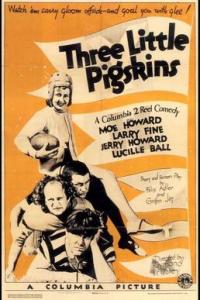
December 8, 1934 – 3 Stooges #4 Three Little Pigskins – It is one of the earliest credited appearances for a then platinum blonde-haired Lucille Ball, who played a supporting role as one of the female recruiters and became famous years later for her own physical comedy. Moe Howard once called Three Little Pigskins “a humdinger of bangs and bruises”, as it is the first time the Stooges flatly refused to perform a stunt.
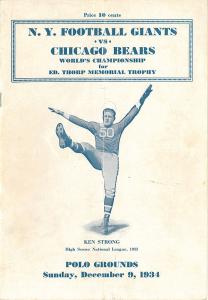
December 9, 1934 – The New York Giants defeat the Chicago Bears 30–13 at the Polo Grounds, which is known as the “Sneakers Game”. A freezing rain the night before the game froze the Polo Grounds field. After Giants end Ray Flaherty remarked to head coach Steve Owen that sneakers would provide better footing on the frozen playing surface,[11] Owen sent his friend Abe Cohen, a tailor who assisted on the Giants sideline, to Manhattan College to get some sneakers. This was the second scheduled National Football League (NFL) championship game. Played at the Polo Grounds in New York City it was the first title game for the newly created Ed Thorp Memorial Trophy.
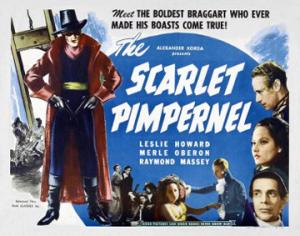
December 23, 1934 – The Scarlet Pimpernel directed by Harold Young starring Leslie Howard, Merle Oberon, and Raymond Massey. Based on the 1905 play and book by Baroness Orczy.
December 26, 1934 – Yomiuri Giants of Tokyo, officially founded, as first professional baseball club in Japan.

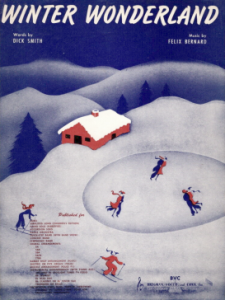
1934 – “Winter Wonderland” is a song written in 1934 by Felix Bernard and lyricist Richard Bernhard Smith. Due to its seasonal theme, it is often regarded as a Christmas song in the Northern Hemisphere. Since its original recording by Richard Himber, it has been covered by over 200 different artists. Its lyrics are about a couple’s romance during winter.
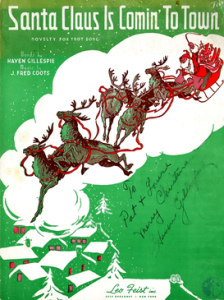
1934 – “Santa Claus Is Comin’ to Town” is a Christmas song written by J. Fred Coots and Haven Gillespie, and first recorded by Harry Reser and His Orchestra. When it was covered by Eddie Cantor on his radio show in November 1934 it became a hit; within 24 hours, 500,000 copies of sheet music and more than 30,000 records were sold.
36 Years Ago
Before I Was Born
1935
All Movies, Books, Printed Music and Art of 1935
enter the Public Domain on January 1, 2031
1935 – Pablo Picasso – Jeune Fille Endormie

1935 – Franz Goebel, porcelain maker and head of W. Goebel Porzellanfabrik acquired rights to turn Sister Maria Innocentia Hummel‘s drawing into figurines, producing the first line.

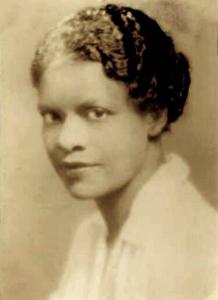
1935 – Eunice Carter became the first black woman assistant district attorney in the state of New York. As assistant DA, She ended up putting Mafia boss: Lucky Luciano behind bars.
1935 – The Oatmeal Creme Pie was created by Oather “O.D.” McKee during the middle of the Great Depression.

1935 – The Coco Rico brand was introduced into supermarkets in Puerto Rico in 1935, and is currently available throughout the United States. The brand is family owned.

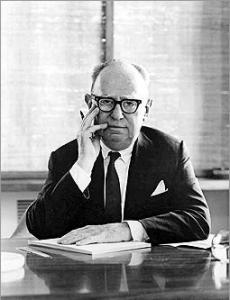
1935– Leo Burnett founds the Leo Burnett Company, Inc. Later, the operation moved to the 18th floor of the London Guarantee Building. Today, the agency has 9,000+ employees in over 85 offices globally. He was responsible for creating some of advertising’s most well-known characters and campaigns of the 20th century, including Tony the Tiger, the Marlboro Man, the Maytag Repairman, United‘s “Fly the Friendly Skies”, and Allstate‘s “Good Hands”, and for garnering relationships with multinational clients such as McDonald’s, Hallmark and Coca-Cola.
1935 – Kodachrome is invented, being the first color film made by Eastman Kodak.
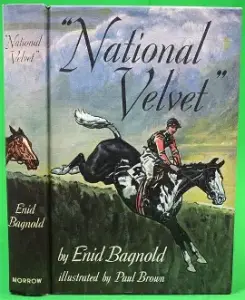
1935 – Enid Bagnold – National Velvet
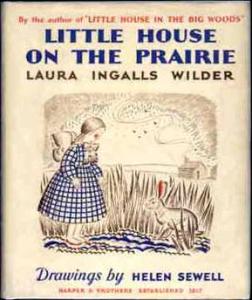
1935 – Laura Ingalls Wilder – Little House on the Prairie
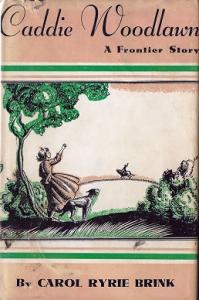
Carol Ryrie Brink – Caddie Woodlawn
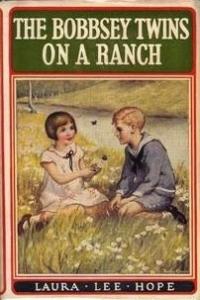
The Bobbsey Twins on a Ranch (Original Bobbsey Twins #28) by Laura Lee Hope
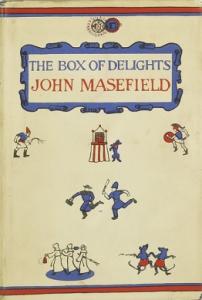
The Box of Delights: or When the Wolves Were Running. It is a sequel to The Midnight Folk
Spring Came On Forever (Bison Book) by Bess Streeter Aldrich -Acclaimed for her 1928 novel A Lantern in Her Hand, Bess Streeter Aldrich became one of the most widely read interpreters of the prairie pioneer experience. In 1935, she published her masterpiece, Spring Came on Forever, a novel of two Nebraska pioneer families from settlement to the 1930s. Elsewhere an artist of the romance, here Aldrich turns romance on its head. –Fantastic Fiction

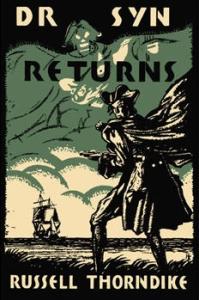
# 3 Doctor Syn Returns – by Russell Thorndike
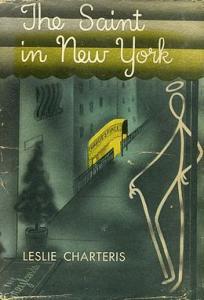
1935 –The Saint in New York by Leslie Charteris -This is the 15th book chronicling the adventures of Simon Templar (alias The Saint), an anti-hero character patterned after Robin Hood. The book is considered the most popular Saint volume. Saint expert Burl Barer in his history Saint: A Complete History in Print, Radio, Film and Television 1928–1992, indicates that The Saint in New York was the first “bestseller” of the Simon Templar series, and was the book that established Charteris as a literary celebrity in America and Britain. Due to the book’s popularity, it became the first Simon Templar story to be adapted for film.
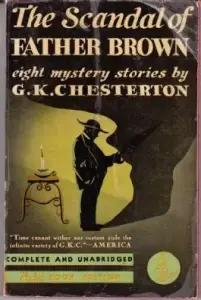
1935 – The Scandal of Father Brown- The fifth and final set in the series of Father Brown mysteries. Eight stories, including “The Blast of the Book” and “The Insoluble Problem.”
“Surely,” said Father Brown very gently, “it is not generous to make even God’s patience with us a point against him.”
Bibliography for Beginners – Society of Gilbert Keith Chesterton
Other Mystery Book Series
- Lord of Terror -The fifth book in the Dr. Paul Vivanta series by Sydney Horler
- Enter a Murderer by Ngaio Marsh. This is her second novel to feature Chief Inspector Roderick Alleyn
- Death-Watch by John Dickson Carr, featuring his series detective Gideon Fell in his fifth book.
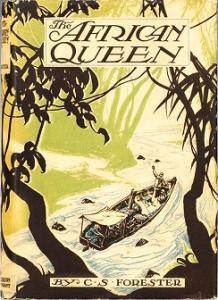
1935 – C.S. Forester –The African Queen
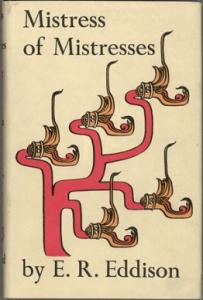
1935 – Mistress of Mistresses by E. R. Eddison, the first in his Zimiamvian Trilogy.
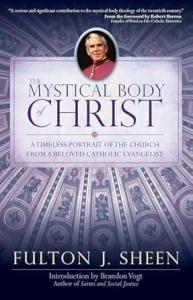
1935 – The Mystical Body of Christ by Fulton J. Sheen
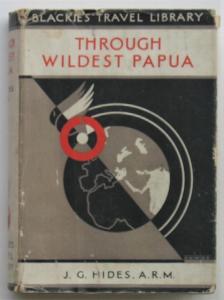
January 1, 1935 – Jack Hides starts out on his expedition into the unexplored Great Papuan Plateau between the Strickland and Purari Rivers.
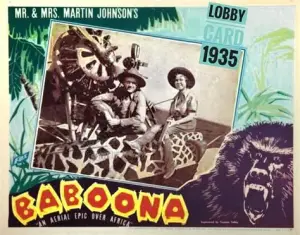
January 3, 1935 – The documentary Baboona made by the documentary filmmakers Martin and Osa Johnson was shown on an Eastern Air Lines plane, becoming the first sound movie shown during flight. The Johnsons were the first pilots to fly over Mount Kilimanjaro and Mount Kenya in Africa and film them from the air. Baboona was made from this footage.
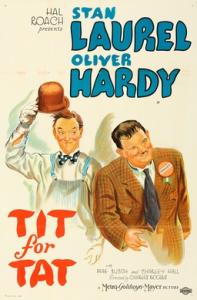
January 5, 1935 – Tit for Tat -It is the only direct sequel they made, following the story of Them Thar Hills, which was released the previous year and includes the same two supporting characters, Mr. and Mrs. Hall, portrayed by Charlie Hall and Mae Busch. It nominated for an Academy Award as Best Live Action Short Film (Comedy) of 1935, although it did not win.
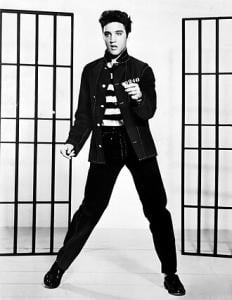
January 8, 1935 – Elvis Presley is born.
January 12, 1935 – Amelia Earhart becomes the first person to successfully complete a solo flight from Hawaii to California, a distance of 2,408 mi (3,875 km).
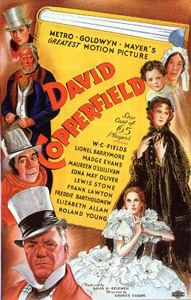
January 18, 1935 – David Copperfield, directed by George Cukor, starring W. C. Fields, Lionel Barrymore, Maureen O’Sullivan, Lewis Stone and Freddie Bartholomew
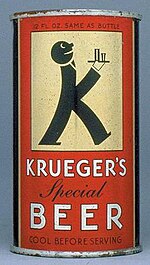
January 24, 1935 – The first canned beer is sold in Richmond, Virginia, United States, by Gottfried Krueger Brewing Company.
February 2, 1935 –Lie Detectors! Leonarde Keeler (October 30, 1903 – September 20, 1949) conducted the first use of his invention, the Keeler Polygraph—otherwise known as the lie detector. Keeler used the lie detector on two criminals in Portage, Wisconsin, who were later convicted of assault when the lie detector results were introduced in court
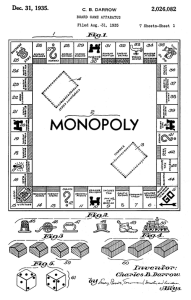
February 6, 1935 – Parker Brothers begins selling the board game Monopoly in the United States.
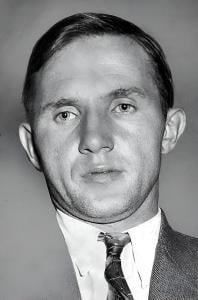
February 13, 1935 – Richard Hauptmann is convicted and sentenced to death for the kidnapping and murder of Charles Lindbergh Jr. in the United States.
February 20, 1935 – Caroline Mikkelsen (November 20, 1906[1] – September 15, 1998) was a Danish-Norwegian explorer who was the first woman to set foot on Antarctica, although whether this was on the mainland or an island is a matter of dispute.
February 21, 1935 – “It’s Easy to Remember” –Bing Crosby -US Billboard 1935 #19, US #1 for 2 weeks, 9 total weeks.
February 22, 1935 – The Little Colonel premieres starring Shirley Temple, Lionel Barrymore and Bill Robinson, featuring a famous stair dance with Hollywood’s first interracial dance couple.
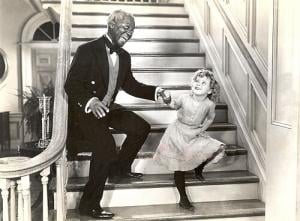
In 1935 there was a Shirley Temple doll that was sold in stores.
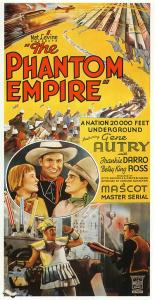
February 23, 1935 – Gene Autry stars as himself as the Singing Cowboy in the serial The Phantom Empire; Considered the first Science-Fiction Western. He would later be voted the number one Western star from 1937 to 1942 and go on to record the Christmas classic, Rudolph the Red-Nosed Reindeer.
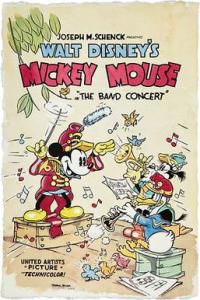
The Band Concert the first color Mickey Mouse cartoon.
Beginner’s Luck– It was the 135th Our Gang short to be released. It was also the first short for seven-year-old Carl “Alfalfa” Switzer and his ten-year-old brother Harold Switzer to appear.
Also on this date –Marjorie Henderson Buell‘s Little Lulu makes its debut.
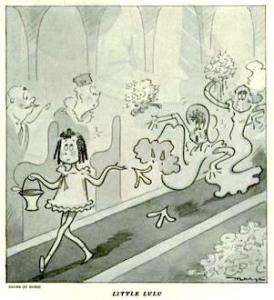
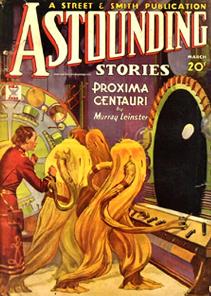
March 1935 – “Proxima Centauri” by Murray Leinster (from Astounding Stories, Mar. 1935)
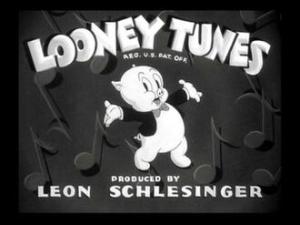
March 2, 1935: Friz Freleng‘s I Haven’t Got a Hat, produced by Leon Schlesinger Productions premieres. The film marks the debuts of Porky Pig.
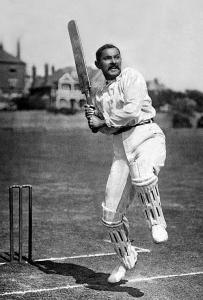
March 9, 1935 – The inaugural Ranji Trophy for Indian Cricket final begins a season after the death of K. S. Ranjitsinhji, in whose memory the trophy was awarded.
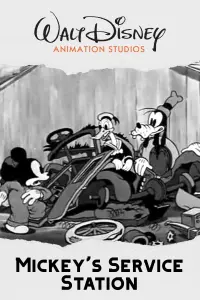
March 16, 1935 – The First Mickey, Donald, and Goofy adventure Mickey’s Service Station.
Laurel and Hardy – Thicker than Water – It was the last two-reel comedy starring the comedy team, as Hal Roach decided to end Laurel and Hardy short films and move them solely into feature films.
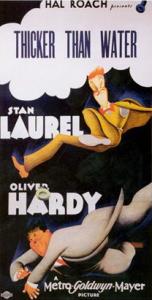
Adolf Hitler announces German re-armament in violation of the 1919 Treaty of Versailles.
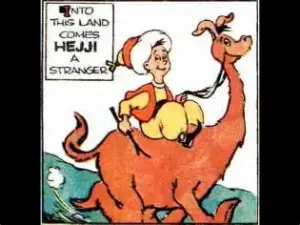
April 7, 1935 – Hejji is an early work and the only comic strip by children’s author Dr. Seuss (pseudonym of Theodor Geisel). Hejji was produced by Geisel during the Great Depression, two years before the publication of his first children’s book.
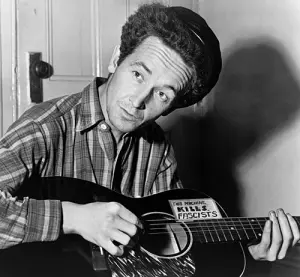
April 14, 1935 – Dust Bowl: “Black Sunday“, the great dust storm in the United States hits eastern New Mexico and Colorado, and western Oklahoma the hardest (it will be made famous by Woody Guthrie, in his “dust bowl ballads”).
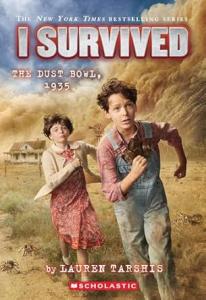
I Survived the Dust Bowl, 1935
(I Survived #25)
by Lauren Tarshis (Author)
April 16, 1935 – October 2, 1959 – Fibber McGee and Molly premiers on NBC. One of the most popular and enduring radio series of its time, it ran as a stand-alone series from 1935 to 1956, and then continued as a short-form series as part of the weekend Monitor from 1957 to 1959. The title characters were created and portrayed by Jim and Marian Jordan, a husband-and-wife team that had been working in radio since the 1920s.

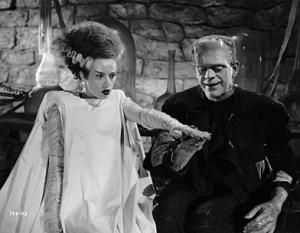
April 20, 1935 –Bride of Frankenstein, directed by James Whale, starring Boris Karloff and Elsa Lanchester. It is frequently considered one of the greatest sequels ever made
Your Hit Parade (first known as just The Hit Parade or Lucky Strike Hit Parade) debuts on NBC.
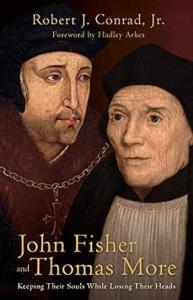
May 19, 1935 – Thomas More and John Fisher are canonized.
May 31, 1935 – Fox Film and Twentieth Century Pictures merge to form 20th Century Fox.

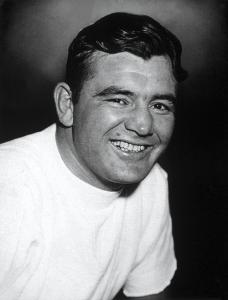
June 13, 1935 – James J. Braddock defeats Max Baer over fifteen rounds at Long Island City to win the World Heavyweight Championship.
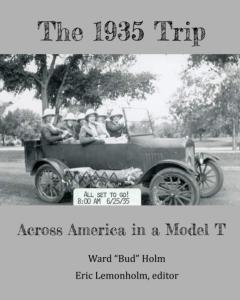
June 26, 1935 – Ward Kermit “Bud” Holm and 5 of his friends start their journey across America from Minneapolis, Minnesota, heading west through 13 states and one Canadian Province, in a 1924 Model T Ford.
The 1935 Trip: Across America in a Model T
by Ward “Bud” Holm, Eric Lemonholm
July 2, 1935 – What a Little Moonlight Can Do sung by Billie Holiday, accompanied by Teddy Wilson & His Orchestra. This reached the various charts of the day in the USA. She recorded the song again in 1954 for the album Billie Holiday.
July 7, 1935 – Albino Luciani (the future Pope John Paul I) is 0rdained a priest.

June 15, 1935 – T. S. Eliot‘s verse drama Murder in the Cathedral is premièred at Canterbury Cathedral, the setting for the action of the play.
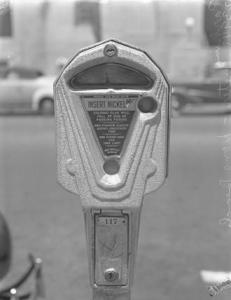
July 16, 1935 – The world’s first parking meter is installed in Oklahoma City to a design by Holger George Thuesen and Gerald A. Hale patented by Carl Magee.
August 1935 – “I’m in the Mood for Love” –Little Jack Little
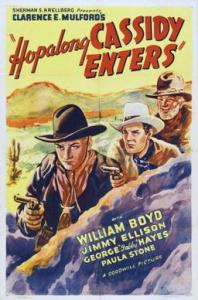
August 25, 1935 –Hop-Along Cassidy, directed by Howard Bretherton, starring William Boyd
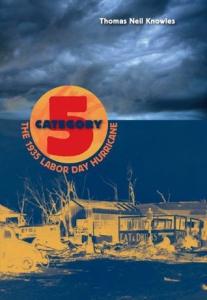
September 2, 1935 – 1935 Labor Day hurricane: The strongest hurricane ever to strike the United States landfalls in the Upper Florida Keys as a Category 5 storm with 185 mph winds, killing 423.
Category 5:
The 1935 Labor Day Hurricane
by Thomas Neil Knowles
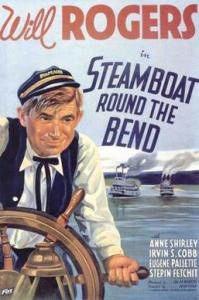
September 6, 1935 – directed by John Ford, based on the 1933 novel of the same name by author Ben Lucien Burman. It was the final film made by star Will Rogers and was released posthumously, a month after he was killed in an airplane crash on August 15, 1935.
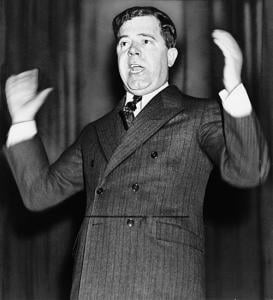
September 10, 1935 -U.S. presidential candidate Huey Long is assassinated.
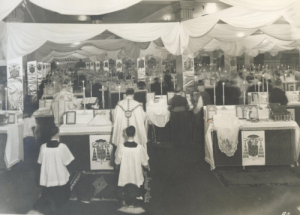
Sep 23–26. 1935 – 7th National Eucharistic Congress (United States) in Cleveland, OH – Motto: The Holy Eucharist, The Source and Inspiration of Catholic Action – 500,000 Catholics from around the nation attended. The final Mass, in Cleveland Municipal Stadium drew 125,000. Speakers included Fulton J. Sheen, and Alfred E. Smith, the first Catholic major party presidential candidate. Pope Pius XI addressed the Congress by radio.
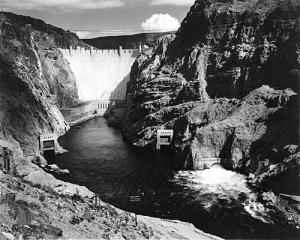
September 30, 1935 – The Hoover Dam is dedicated by President Franklin D. Roosevelt. Its construction was the result of a massive effort involving thousands of workers, and cost over 100 lives.
October 7, 1935 – The skeleton of the Mesolithic Loschbour man is discovered in Mullerthal, Luxembourg.

Also discovered in 1935 is The mural of the Investiture of Zimrilim in Mari, Syria.

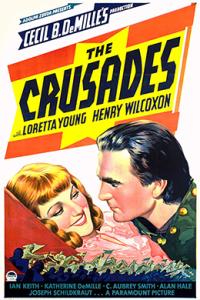
October 25, 1935 – The Crusades, directed by Cecil B. DeMille, starring Loretta Young and Henry Wilcoxon.
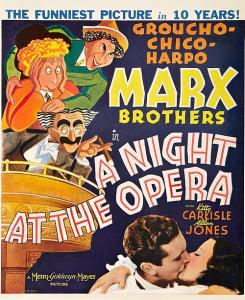
November 15, 1935 –A Night at the Opera, directed by Sam Wood, starring the Marx Brothers
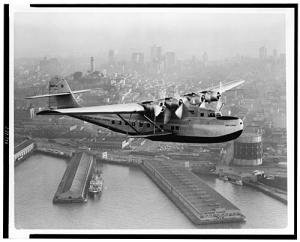
November 22, 1935 – The flying boat China Clipper takes off from Alameda, California, United States, to deliver the first airmail cargo across the Pacific Ocean; on November 29 the aircraft reaches its final destination, Manila, and delivers over 110,000 pieces of mail.
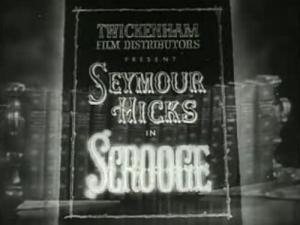
November 26, 1935 – Scrooge starring Seymour Hicks as Scrooge, Donald Calthrop as Bob Cratchit, and Philip Frost as Tiny Tim. Hicks had previously starred in the 1913 adaptation. This film was produced in Britain by Julius Hagen Productions, and released that same year in the United States by Paramount Pictures. An hourlong edition was released to schools and libraries in 1941; many video versions derive from this edited version.
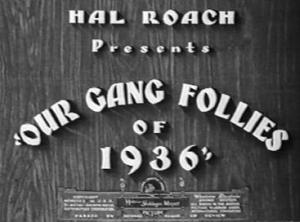
November 30, 1935 – Our Gang Follies of 1936 – It was the 140thOur Gang short to be released and the first of several musical entries in the series. The short marked the first appearance of Darla Hood who was called Cookie in this short. Follies of 1936 is also the first Our Gang short to feature Carl “Alfalfa” Switzer rendering an off-key rendition of a popular pop ballad, in this case Pinky Tomlin‘s “The Object of My Affection”. It also has Eugene Gordon Lee as Porky in his second Our Gang comedy. It also has Spanky, Buckwheat, Dickie and Scotty.
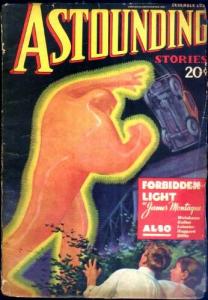
December 1935 – The Fourth-Dimensional Demonstrator by Murray Leinster in Astounding Stories, December 1935
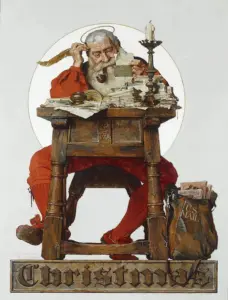
Dec 21, 1935 –Saturday Evening Post cover,
Norman Rockwell
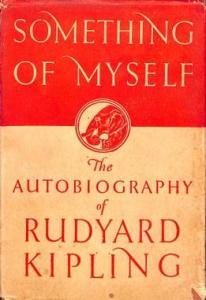
December 26, 1935 – This is when Rudyard Kipling was last reported as working on his autobiography Something of Myself before he died in 1936. It was published in 1937.
1935 – Leonard Woolley (April 17, 1880 – February 20, 1960) is knighted for his work in archaeology. He is recognized as one of the first “modern” archaeologists who excavated in a methodical way, keeping careful records, and using them to reconstruct ancient life and history.
Woolley was one of the first archaeologists to propose that the flood described in the Book of Genesis was local after identifying a flood-stratum at Ur “400 miles long and 100 miles wide; but for the occupants of the valley that was the whole world”.
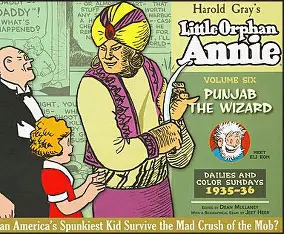
“Little Orphan Annie: The Complete Dailies & Color Sundays – Vol. 6 – Punjab the Wizard”
35 Years Ago
Before I Was Born
1936
All Movies, Books, Printed Music and Art of 1936
enter the Public Domain on January 1, 2032
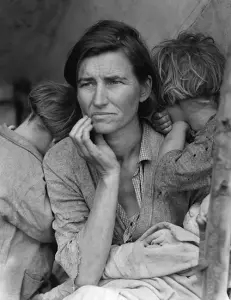
1936 –Dorothea Lange‘s iconic photograph of Florence Owens Thompson, Migrant Mother.
1936 – First remains of the small Late Triassic South American dinosaur Staurikosaurus are found by Llewellyn Ivor Price in Brazil, the first dinosaur to be discovered there.
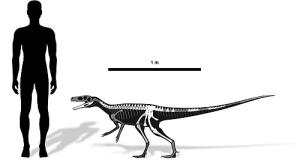
Maurissauro – Own work
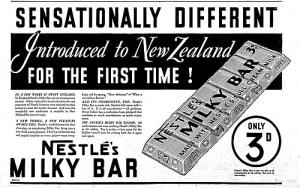
1936– Nestlé introduce the white chocolate Milkybar (called Galak in Continental Europe and elsewhere).
1936 – Kraft Dinner is introduced.

1936 – The Fortunes of Captain Blood by Rafael Sabatini. It is the third in Sabatini’s trilogy alongside Captain Blood (1922) and Captain Blood Returns (1931).
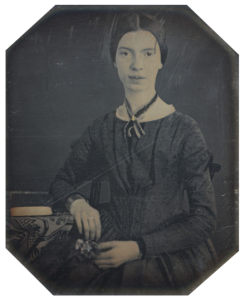
1936 – Emily Dickinson, Unpublished Poems
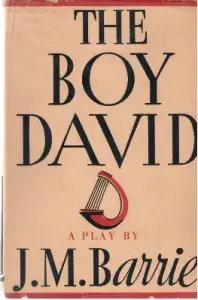
1936 – The Boy David – This was Peter Pan author J. M. Barrie‘s final play before he died in 1937. It dramatized the Biblical story of King Saul and the young David. Like the role of Peter Pan, that of David was played by a woman, Elisabeth Bergner, for whom Barrie wrote the play.
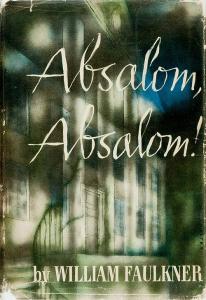
1936 – Absalom, Absalom! by William Faulkner. It has been hailed as the “Great American Novel“.
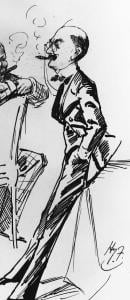
1936 –A Long Retrospect by F. Anstey
1936 – Internes Can’t Take Money Dr. Kildare #1 by Max Brand
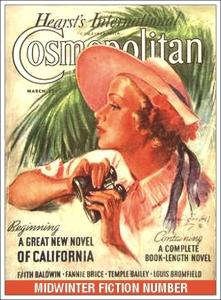
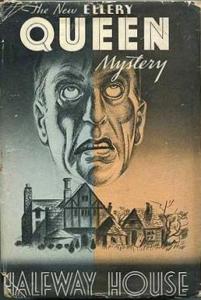
1936 – Halfway House by Ellery Queen. This period in the Ellery Queen canon signals a change in the type of story told, moving away from the intricate puzzle mystery format which had been a hallmark of the nine previous novels, each with a nationality in their title and a “Challenge to the Reader” immediately before the solution was revealed. “Halfway House” is the last novel wherein Queen issues his “Challenge,” and it is the first without a “nationality title,” although it is remarked in the foreword that the story could have been called The Swedish Match Mystery.
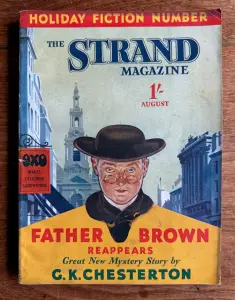
1936 – G.K. Chesterton- Autobiography and As I Was Saying– is the last book by G.K. Chesterton that was published during his lifetime. The last two Father Brown Stories , “The Vampire of the Village” (Strand Magazine, August 1936); included in later editions of The Scandal of Father Brown and The Mask of Midas.
- C. S. Lewis – The Allegory of Love
- J. R. R. Tolkien – “Beowulf: The Monsters and the Critics” (version of a lecture)
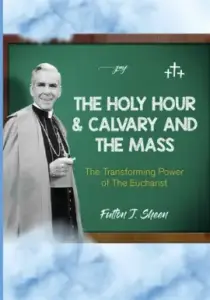
1936 – “Calvary and the Mass” by Archbishop Fulton Sheen | Catholic eBooks Project
Some Non-Fiction Books
- Frank Buck (animal collector) – On Jungle Trails
- Victor Hugo Green – The Negro Motorist Green Book (1st edn)
- Graham Greene – Journey Without Maps
- Aldous Huxley Eyeless in Gaza (1936)
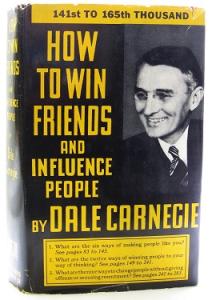
- Dale Carnegie – How to Win Friends and Influence People
January 2, 1936 – Bing Crosby becomes full-time host of the Kraft Music Hall, following Paul Whiteman, after having been a guest host on December 2, 1935.
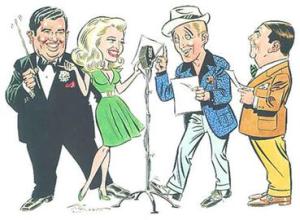
Joe Sinnott‘s caricature of the Kraft Music Hall (l to r): Orchestra leader John Scott Trotter, Marilyn Maxwell, Bing Crosby and announcer Ken Carpenter. Veteran Marvel Comics artist Sinnott also illustrated the covers of several Crosby albums.
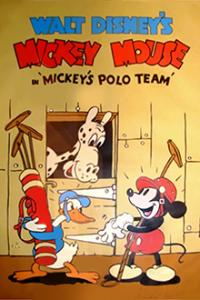
January 4, 1936 –Mickey’s Polo Team with Donald Duck, Goofy as “The Goof”, the Big Bad Wolf; cartoon versions of Stan Laurel, Oliver Hardy, Harpo Marx, Charlie Chaplin, Jack Holt, Shirley Temple; cameos by Clarabelle Cow, Pluto, Fifi the Peke, the Three Little Pigs and other characters from the Silly Symphonies, other movie stars
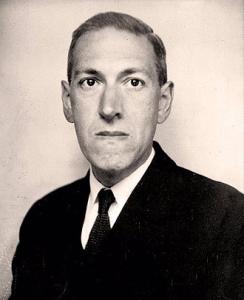
February 1936– At the Mountains of Madness by H. P. Lovecraft in Astounding Stories, February 1936
February 2, 1936 – The baseball writers vote for the first players to be named to the new Baseball Hall of Fame. Ty Cobb‚ Babe Ruth‚ Honus Wagner‚ Christy Mathewson and Walter Johnson each receive the requisite 75 percent of ballots cast. Active players also are eligible in this first election‚ with Rogers Hornsby finishing 9th‚ Mickey Cochrane 10th‚ Lou Gehrig 15th‚ and Jimmie Foxx 19th. Hal Chase receives 11 votes for 25th place‚ and Shoeless Joe Jackson has two votes to tie for 36th place.
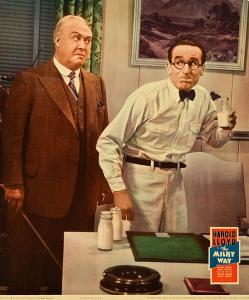
February 7, 1936 – The Milky Way, directed by Leo McCarey, starring Harold Lloyd and Adolphe Menjou
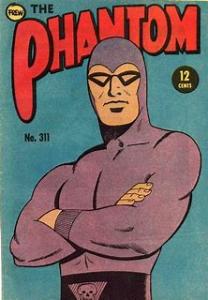
February 17, 1936: Lee Falk‘s The Phantom makes his debut.
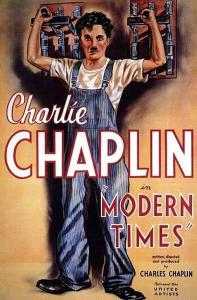
February 25, 1936 –Modern Times, written, directed by and starring Charles Chaplin, with Paulette Goddard premiers. In Chaplin’s last performance as the iconic Little Tramp, his character struggles to survive in the modern, industrialized world. The film has won many awards and honors, and is widely considered one of the greatest films ever. It was one of the first 25 films selected by the Library of Congress for preservation in the National Film Registry for being “culturally, historically, or aesthetically significant”.
March 1936 – The Graveyard Rats by Henry Kuttner in Weird Tales, March 1936. This is Henry’s first published story. He was married to SF author C.L. Moore.
March 15, 1936 – Austrian Josef Bradl sets the men’s world record ski jump at 101.5 metres (333 ft) on Bloudkova velikanka hill in Planica and becomes the first man in history to stand jump over one hundred metres.

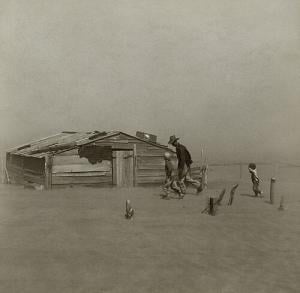
April 1936 – Arthur Rothstein‘s Farmer and Sons Walking in the Face of a Dust Storm, a Resettlement Administration photograph taken in Cimarron County, Oklahoma. The Dust Bowl, or “Dirty Thirties”, a period of severe dust storms causing major ecological and agricultural damage to American and Canadian prairie lands from 1930 to 1936 (in some areas until 1940).
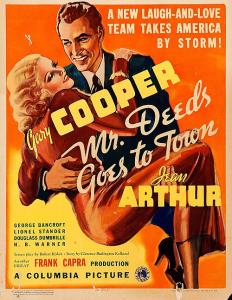
April 12, 1936 – Mr. Deeds Goes to Town, directed by Frank Capra, starring Gary Cooper and Jean Arthur
April 19, 1936– Twenty Jews are killed in riots following the funeral of two Jews murdered on 15 April in Jaffa and calls for a general strike begin in Nablus, marking the beginning of the 1936–1939 Arab revolt in Palestine against British rule and mass Jewish immigration.
Palestine 1936:
The Great Revolt and the Roots of the Middle East Conflict
by Oren Kessler

May 8, 1936 – jockey Ralph Neves was involved in a racing accident at Bay Meadows Racetrack in San Mateo, California and mistakenly pronounced dead. A while later, he woke up in the morgue and promptly returned to the racetrack but was not allowed to compete in any of the remaining races because of his “death”.

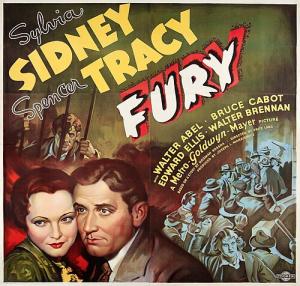
May 29, 1936 – Fritz Lang‘s first Hollywood film, Fury, starring Spencer Tracy and Bruce Cabot, is released.
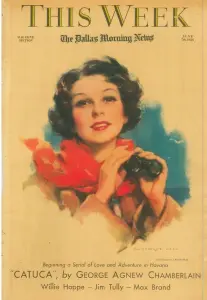
June 7, 1936 – Max Brand’s Short Story Western Classic Wine in the Desert in This week
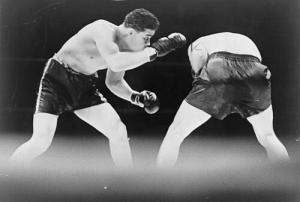
June 19, 1936 – In one of boxing’s biggest-ever upsets, Max Schmeling knocks out Joe Louis at 2:29 of round 12 at New York‘s Yankee Stadium.
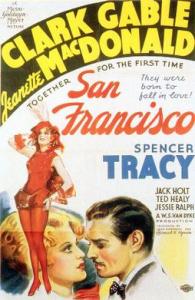
June 26, 1936 – San Francisco, directed by W. S. Van Dyke, starring Clark Gable, Jeanette MacDonald and Spencer Tracy. Tracy plays Father Tim Mullin and was nominated for best actor.
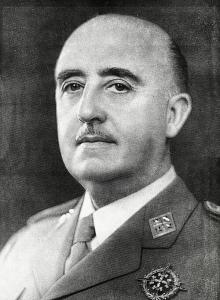
July 17, 1936 – April 1, 1939 – Spanish Civil War – Germany and Italy backed the anti-communist Falange forces of Francisco Franco. The Soviet Union and international communist parties (see Abraham Lincoln Brigade) backed the left-wing republican faction in the war. The war ended in April 1939 with Franco’s nationalist forces defeating the republican forces. Franco became Head of State of Spain and President of Government, and the Republic of Spain gave way to the Spanish State, an authoritarian dictatorship.
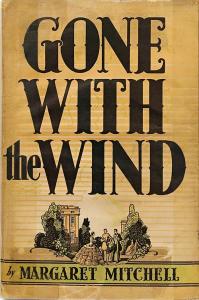
June 30, 1936 – Gone with the Wind by Margaret Mitchell
August 1 – 16, 1936 –
1936 Summer Olympics.
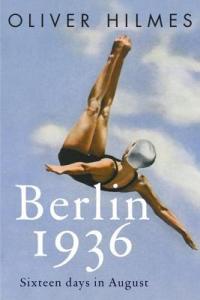
Berlin 1936: Fascism, Fear, and Triumph
Set Against Hitler’s Olympic Games
by Oliver Hilmes, Jefferson Chase
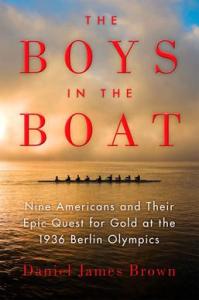
Joseph Harry Rantz (March 31, 1914 – September 10, 2007) was an American rower who won Olympic gold in the men’s eight. Rantz is the central character in the non-fiction book The Boys in the Boat, which chronicles his struggles through life in his early years. The book inspired the PBS documentary American Experience: The Boys of ’36 and a 2023 feature film directed by George Clooney, where Rantz was portrayed by Callum Turner.
Gretel Bergmann (April 12, 1914 – July 25, 2017) She was a German Jewish track and field athlete who competed as a high jumper during the 1930s. Due to her Jewish origins, the Nazis prevented her from taking part in the 1936 Summer Olympics, after which she left Germany and vowed never to return. She however visited Germany in 2004 to meet with her 1930s rival Elfriede Kaun, whom she considered a friend. Bergmann turned 100 in 2014. She died in 2017 at her home in Jamaica Estates, Queens, New York.

Jesse Owens (September 12, 1913 – March 31, 1980) achieved international fame at the 1936 Summer Olympics in Berlin, Germany, by winning four gold medals: 100 meters, long jump, 200 meters, and 4 × 100-meter relay. He was the most successful athlete at the Games and, as a black American man, was credited by ESPN with “single-handedly crushing Hitler‘s myth of Aryan supremacy“.

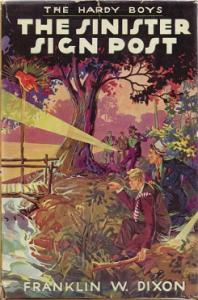
September 1, 1936 – The Sinister Signpost Volume 15 in the original The Hardy Boys Mystery Stories by Franklin W. Dixon (Leslie McFarlane). Between 1959 and 1973 the first 38 volumes of this series were systematically revised as part of a project directed by Harriet Adams, Edward Stratemeyer’s daughter. The original version of this book was rewritten in 1968 by Tom Mulvey resulting in two different stories with the same title.
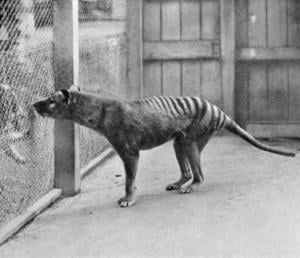
September 7, 1936 – The last thylacine dies.
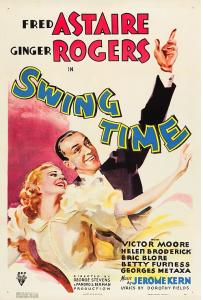
August 7, 1936 – Swing Time the sixth of ten starring Fred Astaire and Ginger Rogers.
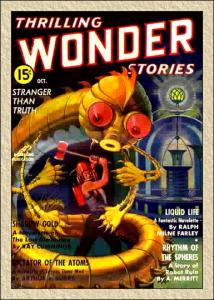
October 1936 – “The Rhythm of the Spheres” (originally a chapter called “The Last Poet and the Robots” or “The Last Poet & the Wrongness of Space” in the 1934 round robin novel titled Cosmos in Fantasy Magazine, April 1934, revised in 1936 as a stand-alone work in Thrilling Wonder Stories, October 1936.
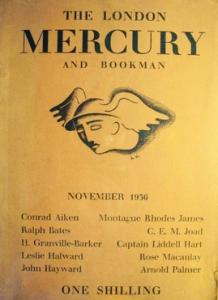
November 1936 – “A Vignette“, written 1935, in London Mercury 35 (November 1936), pp. 18–22. It is a ghost story by M. R. James. It is an unusually autobiographical story that seems to be based on an incident in James’s early life in Great Livermere when, it is said, he had an experience in a haunted Plantation. “A Vignette” was first published five months after his death.
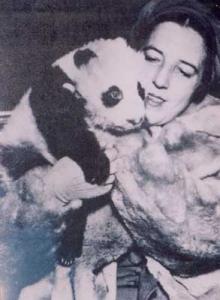
November 9, 1936 – Ruth Harkness finds a nine-week-old panda cub in a mountainous region who they named Su Lin after Young’s sister-in-law. Su Lin is the first live giant panda brought to the United States.
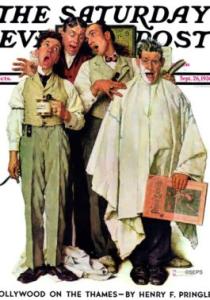
Sharp Harmony
Saturday Evening Post
September 26, 1936
Norman Rockwell
– 
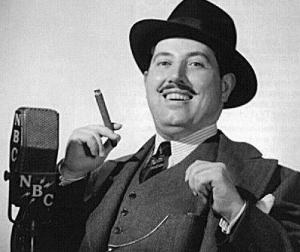
Hal Peary first appears as Throckmorton P. Gildersleeve on Fibber McGee and Molly.
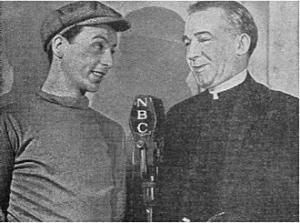
September 30, 1936– The Bishop and the Gargoyle debuts on the Blue Network
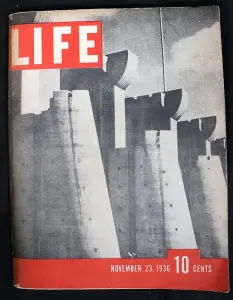
November 23, 1936 – Cover date of the first issue of Life, a weekly news magazine launched in the United States under the management of Henry Luce. Photographer Margaret Bourke-White took the photograph of the construction of Fort Peck Dam that became the cover of the first issue of Life magazine. In 1930, she became the first foreign photographer permitted to take pictures of the Soviet Union.
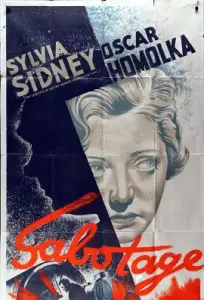
December 2, 1936 (London trade preview) – Sabotage, directed by Alfred Hitchcock, starring Sylvia Sidney and Oskar Homolka – (GB)
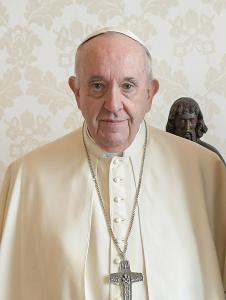
December 17, 1936 – Jorge Mario Bergoglio, S.J. (Pope Francis) is born.
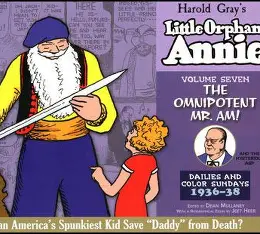
“Little Orphan Annie: The Complete Dailies & Color Sundays – Vol. 7 – The Omnipotent Mr. Am!”
34 Years Ago
Before I Was Born
1937
All Movies, Books, Printed Music and Art of 1937
enter the Public Domain on January 1, 2033
88 Years Of Middle-Earth, 75 Years Of Narnia |
A Retrospective Look At 1937/1950
1937 – Caligula: The Mad Emperor – The movie I, Claudius is not released. It is an unfinished 1937 film adaptation of the novels I, Claudius (1934) and Claudius the God (1935) by Robert Graves. Claudius was the paternal uncle of the Mad Emperor Caligula. Welsh actor Emlyn Williams was cast as Caligula in the never-completed film.
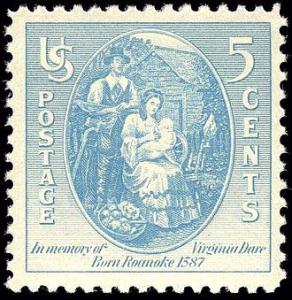
1937 – The United States Mint issued a half-dollar commemorative coin that depicted Virginia Dare as the first English child born in the New World. This was also the first time that a child was depicted on United States currency. She also had a stamp issued of her. Ms. Dare was part of the Roanoke Colony The colony was founded in 1585, but it was visited by a ship in 1590 and the crew found that the colonists had disappeared under unknown circumstances. It has come to be known as the Lost Colony, and the fate of the 112 to 121 colonists remains unknown to this day.
1937 – Kix is introduced.

1937 – The cross and the Beatitudes by Fulton J. Sheen

January 6, 1937 – St. André Bessette (August 9, 1845 – January 6, 1937) dies. He is the first Canadian living after Confederation to be canonized.

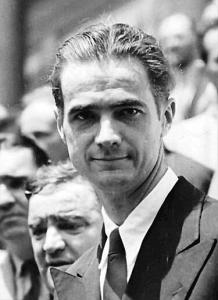
January 19, 1937 – Howard Hughes sets a new air record by flying from Los Angeles to New York City in seven hours, 28 minutes, 25 seconds.
January 23, 1937 – Moscow Trials: Trial of the Anti-Soviet Trotskyist Center – In the Soviet Union 17 leading Communists go on trial, accused of participating in a plot led by Leon Trotsky to overthrow Joseph Stalin‘s regime, and assassinate its leaders.
1937: Stalin’s Year of Terror
by Vadim Rogovin

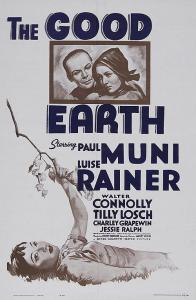
January 29, 1937 – The Good Earth, directed by Sidney Franklin, starring Paul Muni and Luise Rainer
February 3 – 7, 1937 – 33rd Eucharistic congress in  Manila– Motto: Jesus in the Eucharist, Bread of Angels, Bread of Life – First congress in Asia and in the Philippines. Attended by 1.5 million from around the world. Pontifical Masses in Rizal Park, with hundreds of thousands at each.
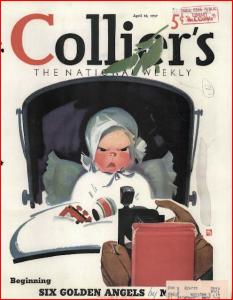
April 10, 1937 – Ernest Haycox’s Stage to Lordsbourg found in Colliers
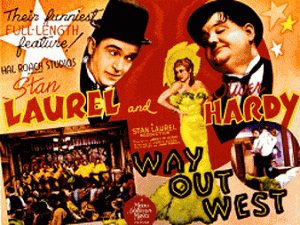
April 16, 1937 – Laurel and Hardy comedy Way Out West premieres in the US.
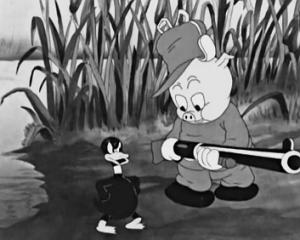
April 17, 1937: The animated short Porky’s Duck Hunt, produced by Leon Schlesinger Productions and directed by Tex Avery, is first released. It marks the debut of Daffy Duck.
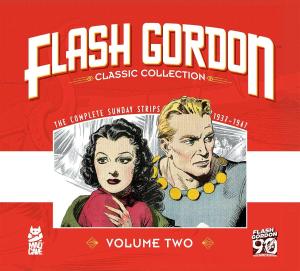
April 25, 1937 – Flash Gordon: Classic Collection Vol. 2 by Alex Raymond (Author) , Don Moore (Author) -This collection reprints all of Alex Raymond’s Sunday strips from April 25, 1937 to January 12, 1941, the period considered his artistic peak, and has been restored from the original tearsheets to present the series as intended.
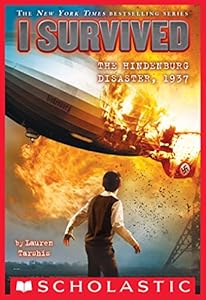
May 6, 1937 – The German dirigible airship Hindenburg explodes in the sky above Lakehurst, New Jersey, United States killing 36 people. The event leads to an investigation of the explosion and the disaster causes major public distrust of the use of hydrogen-inflated airships and seriously damages the reputation of the Zeppelin company.

I Survived the Hindenburg Disaster, 1937
(I Survived #13)
by Lauren Tarshis (Author)
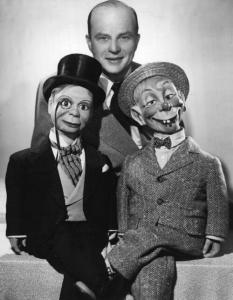
May 9, 1937 – Edgar Bergen and Charlie McCarthy began an 11-year run on The Chase and Sanborn Hour.
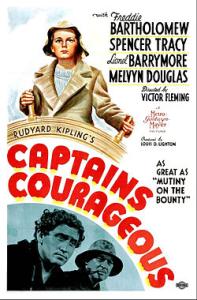
May 11, 1937 – Drama Captains Courageous, starring Spencer Tracy, premieres in New York, going into general release on June 25.
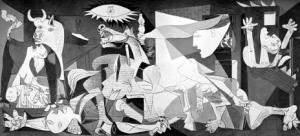
May 25 to November 25 1937 -The 1937 World’s Fair in Paris displays the growing political tensions in Europe. The pavilions of the rival countries of Nazi Germany and the Soviet Union face each other. Germany at the time was internationally condemned for Luftwaffe (its air force) having performed a bombing of the Basque town of Guernica in Spain during the Spanish Civil War. Spanish artist Pablo Picasso depicted the bombing in his masterpiece painting Guernica at the World Fair, which was a surrealist depiction of the horror of the bombing.
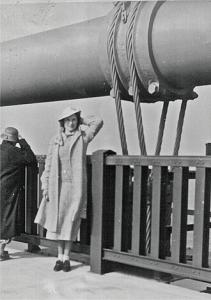
May 27, 1937 – The Golden Gate Bridge opens in San Francisco, USA.
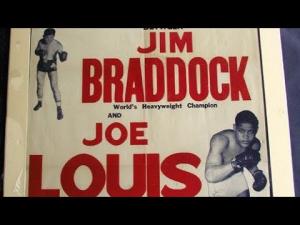
June 22, 1937– Joe Louis defeats James J. Braddock at Chicago by an eighth-round knockout to win the World Heavyweight Championship.
July 2, 1937 – Amelia Earhart Amelia Earhart (July 24, 1897; declared dead January 5, 1939) and navigator Fred Noonan (born April 4, 1893 – declared dead June 20, 1938) disappear after taking off from New Guinea, during Earhart’s attempt to become the first woman to fly around the world.
July 5, 1937 – Spam is introduced.

July 13, 1937 – Krispy Kreme, Inc. is founded by Vernon Rudolph (1915–1973), who bought a yeast-raised recipe from a New Orleans chef, rented a building in 1937 in what is now historic Old Salem in Winston-Salem, North Carolina, and began selling to local grocery stores.

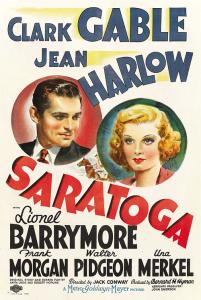
July 23, 1937 – Six weeks after Jean Harlow’s death, her final film, Saratoga, is released. It is an instant box office success and becomes the year’s highest-grossing film, as well as the highest-grossing film of her career.
August 13, 1937 – Second Sino-Japanese War: The Battle of Shanghai opens.
Shanghai 1937:
Stalingrad on the Yangtze
by Peter Harmsen

September 1937 – The Isolinguals is L. Sprague de Camp‘s first published story.
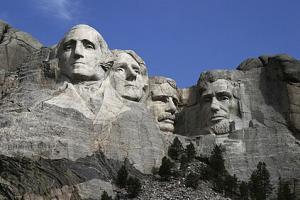
September 17, 1937 – Abraham Lincoln‘s head is dedicated at Mount Rushmore.
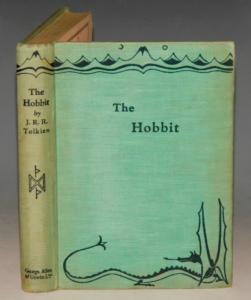
September 21, 1937 – J. R. R. Tolkien‘s juvenile fantasy novel The Hobbit, or There and Back Again is published in England by George Allen & Unwin on the recommendation of young Rayner Unwin.
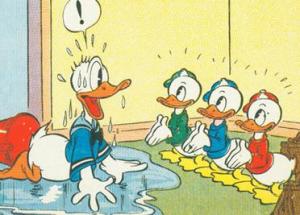
October 17, 1937- In Al Taliaferro‘s Donald Duck newspaper comic strip Huey, Louie and Dewey make their debut.
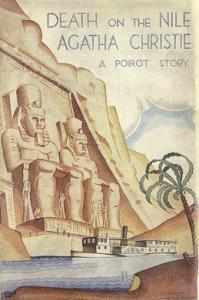
November 1, 1937 – Agatha Christie – Hercule Poirot in Death on the Nile
December 1937 – Arthur C. Clarke‘s first story Travel by Wire! is published in Amateur Science Stories, #2, December 1937
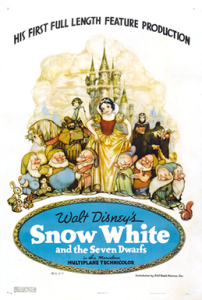
December 21, 1937 – Premiere of Walt Disney‘s Snow White and the Seven Dwarfs in the United States, the first full-length animated feature film.
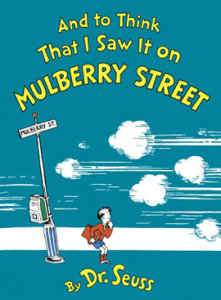
Dr. Seuss‘s first book, And to Think That I Saw It on Mulberry Street, is published by Vanguard Press.
December 29, 1937 – The new Constitution of Ireland (Bunreacht na hÉireann) comes into force. The Irish Free State becomes “Ireland“, and Éamon de Valera becomes the first Taoiseach (prime minister) of the new state. A Presidential Commission (made up the Chief Justice, the Speaker of Dáil Éireann, and the President of the High Court) assumes the powers of the new presidency, pending the popular election of the first President of Ireland in June 1938. The new constitution prohibits divorce.
1937 – Double Cross Purposes by Fr. Ronald Knox. It is the fifth and last in his series of novels featuring the insurance investigator Miles Bredon, one of the Golden Age Detectives.

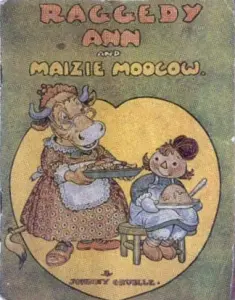
1937 – Raggedy Ann and Maizie Moocow by Johnny Gruelle. This was the final Raggedy Ann tale released during his life-time.
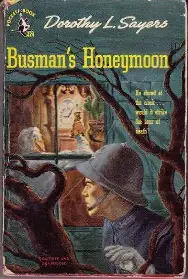
1937 – Busman’s Honeymoon by Dorothy L. Sayers, her eleventh and last featuring Lord Peter Wimsey, and her fourth and last to feature Harriet Vane.
33 Years Ago
Before I Was Born
1938
All Movies, Books, Printed Music and Art of 1938
enter the Public Domain on January 1, 2034
The first The Addams Family cartoon was published in 1938, in a one-panel gag format. Charles Addams became a regular contributor to The New Yorker and drew approximately 1,300 cartoons between then and his death in 1988. 58 of these would feature the Addams Family, almost all of which were published in the 1940s and 1950s.
1938 – C. S. Lewis – Out of the Silent Planet
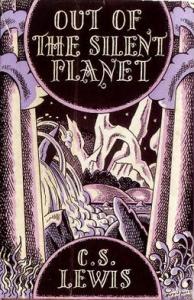
1938– Tarzan #21 Tarzan and the Forbidden City by Edgar Rice Burroughs
1938 – The first Caldecott Medal is given to Animals of the Bible by Dorothy P. Lathrop.
1938 –Enid Blyton –Secret Series # 1 The Secret Island
1938 – Ruth Graves Wakefield pioneered the first chocolate chip cookie recipe.

1938 – László Bíró obtains his first patent for a ballpoint pen, in France.
1938 – The Frame is a self-portrait by Frida Kahlo. The painting is notable as the first work by a 20th-century Mexican artist to be purchased by a major international museum, when it was acquired by the Louvre in 1939.

1938 –Time Transfixed –René Magritte

Edward Hopper – Compartment C, Car 293

1938 – Jonathon DeLonge pattens the beach ball.

Chester Teapot
The “World’s Largest Teapot

1938 – Ribena (from the botanical name of the blackcurrant, Ribes nigrum), by S. M. Lennox of Bristol is introduced.

1938 – The American toy and game company Transogram introduced a mass market board game version of the game Pachisi called Game of India, later marketed as Pa-Chiz-Si: The Game of India.
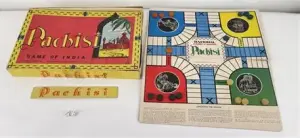
1938 –Richard and Florence Atwater – Mr. Popper’s Penguin
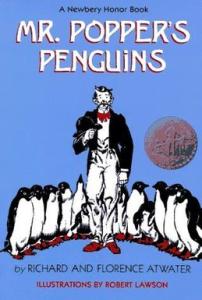
Other Children’s Books
- Elizabeth Enright – Thimble Summer
- Noel Streatfeild – The Circus Is Coming
- Claire Huchet Bishop – The Five Chinese Brothers
- Wanda Gág – Snow White and the Seven Dwarfs
- Dr. Seuss – The 500 Hats of Bartholomew Cubbins
- Virginia Lee Burton Mike Mulligan and His Steam Shovel
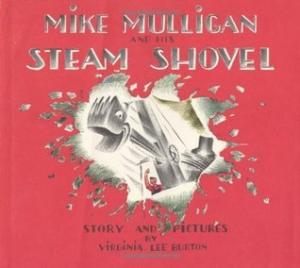
1938 –Marjorie Kinnan Rawlings, – The Yearling (adapted to film in 1946) (Pulitzer Prize for Fiction in 1939)
1938 – T. H. White –The Once and Future King # 1 The Sword in the Stone
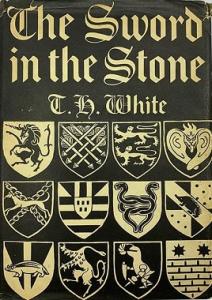
1938 – The Long Valley – It is a collection of short fiction by John Steinbeck.
1938 – Graham Greene – Brighton Rock – The first of Greene’s works to explore Catholic themes and moral issues, its treatment of class privilege and the problem of evil is paradoxical and ambivalent.
1938 – Scoop by Evelyn Waugh.
1938– Hilaire Belloc – The Great Heresies

January 1938 – Hollerbochen’s Dilemma – Ray Bradbury‘s first published work appeared in Forrest Ackerman‘s fanzine Imagination! in January 1938. In 2014, it was nominated for the 1939 Retro-Hugo Award for Best Short Story.
Red Wind by Raymond Chandler in January 1938 Dime Detective
Other Mystery Thriller Books
January 1, 1938 – A Day In Town · Ernest Haycox · ss Collier’s January 1 1938
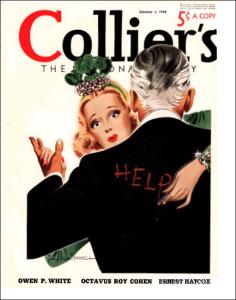
January 22, 1938 – Our Town is a three-act play written by American playwright Thornton Wilder that opened on this date.
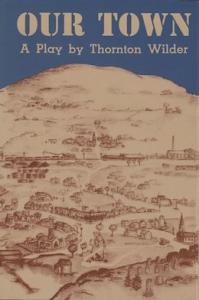
January 26, 1938 – Australia officially celebrates its sesquicentennial, the 150th anniversary of European settlement. Unofficially, it is a Day of Mourning for Indigenous Australians. One of the men who participated in the Day of Mourning protest for Aborigines was Douglas Nicholls (December 9, 1906 – June 4, 1988). He was a prominent Aboriginal Australian from the Yorta Yorta people. He was a professional athlete, Churches of Christ pastor and church planter, ceremonial officer and a pioneering campaigner for reconciliation.
February 3, 1938 – On the The Kate Smith Hour Abbott and Costello make their first radio broadcast.
February 17, 1938 – The Adventures of Tom Sawyer directed by Norman Taurog who had previously directed Huckleberry Finn (1931) with Jackie Coogan and Junior Durkin. The film starred Tommy Kelly in the title role, with Jackie Moran and Ann Gillis.
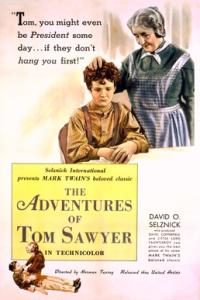
February 18, 1938 – Bringing Up Baby, directed by Howard Hawks, starring Katharine Hepburn and Cary Grant.
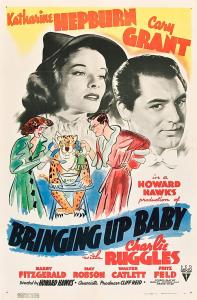
February 19, 1938 –The comic strip The Captain and the Kids (Rudolph Dirks’ parallel version of his own strip The Katzenjammer Kids) was adapted by Metro-Goldwyn-Mayer, becoming the studio’s first self-produced series of theatrical cartoon short subjects, directed by William Hanna, Bob Allen, and Friz Freleng. Their first cartoon was Cleaning House.
March 14, 1938 – Release of Warner Bros.‘ epic swashbuckler film The Adventures of Robin Hood, starring Errol Flynn and Olivia de Havilland. Critically acclaimed for its vivid use of Technicolor, as well as its memorable action scenes, the film goes on to win three Academy Awards.
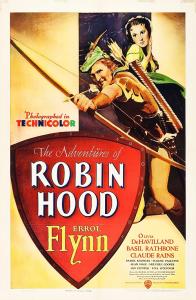
April 7, 1938 – The Adventures of Marco Polo, starring Gary Cooper and Basil Rathbone.
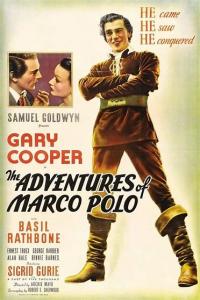
May 1938 – The Legion of Time (Part 1 of 3) by Jack Williamson found in Astounding Science-Fiction, May 1938
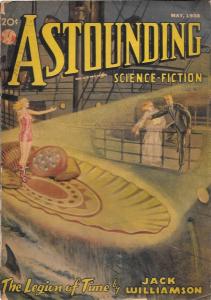
May 25 – 30, 1938 – 34th Eucharistic congress in  Budapest– Motto: Eucharist, the Bond of Love – Papal legate Cardinal Pacelli (later Pope Pius XII). Over 100,000 people from all over the world, including 15 cardinals and 330 bishops
June 1938 – Action Comics (1938 series) #1 – DC Comics: This marks the first appearance of Jerry Siegel and Joe Shuster‘s Superman.
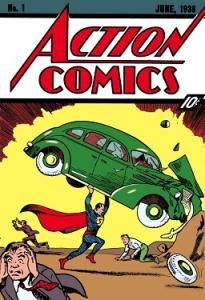
June 1938 – Chick Webb Orchestra (vocal Ella Fitzgerald) -“A-Tisket, A-Tasket“
June 6, 1933 – The first Little League game took place in Williamsport, Pennsylvania. Lundy Lumber defeated Lycoming Dairy, 23–8.
In an exhibition game against the Kansas City Blues, a Yankees farm club, Lou Gehrig makes his final appearance in a game for the Yankees. He hits a grounder in his only at bat and is thrown out at first.
June 19, 1938 -The 1938 FIFA World Cup was hosted by France and won by Italy. This was the last FIFA World Cup held until 1950.
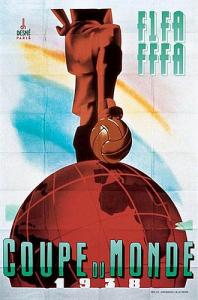
June 22, 1938 – Heavyweight boxing champion Joe Louis knocks out Max Schmeling in the first round of their rematch, at Yankee Stadium in New York City.
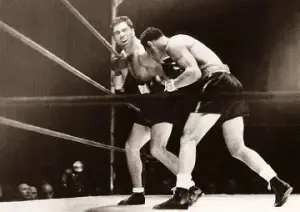
June 23, 1938 -“Marine Studios” (the name “Marineland of Florida” would later be adopted) began operations with its main attraction a bottlenose dolphin. Unexpectedly, over 20,000 tourists clogged Highway A1A to visit the new attraction. It was conceived by the Komodo Dragon guy W. Douglas Burden. It is located in Marineland, Florida which was established 2 years later in 1940.

June 25, 1938 – Fair Labor Standards Act is passed, setting the first minimum wage in the U.S. at 25 cents per hour.
July, 1938 – The Mauthausen concentration camp is built in Austria.
July 1938
- Rule 18 • novelette by Clifford D. Simak
- Voyage 13 • short story by Ray Cummings
- Language for Time Travelers • essay by L. Sprague de Camp
- Giant Stars • essay by John W. Campbell, Jr. [as by Arthur McCann]
- The Men and the Mirror • [Colbie & Deverel] • novelette by Ross Rocklynne
- The Legion of Time (Part 3 of 3) • [Legion of Time] • serial by Jack Williamson
- Good Old Brig! • [Pvt. Kelton] • short story by Kent Casey
- Hotel Cosmos • short story by Raymond Z. Gallun
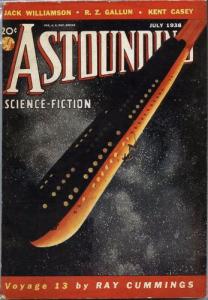
July 1, 1938 – The new town of Wolfsburg in Lower Saxony is set up to serve the Volkswagen car factory, where production of the Beetle people’s car had begun the previous year.

July 3, 1938 – The steam locomotive Mallard sets the world speed record for steam, by reaching 125.88 mph on the London and North Eastern Railway.

The last reunion of the Blue and Gray commemorates the 75th anniversary of the Battle of Gettysburg, in Gettysburg, Pennsylvania.
July 22, 1938 – Love Finds Andy Hardy, directed by George B. Seitz, starring Lewis Stone, Mickey Rooney, Judy Garland, Cecilia Parker, Fay Holden and Lana Turner
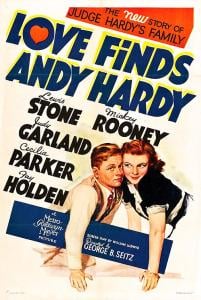
July 24, 1938 – The north face of the Eiger in the Alps is first ascended.

July 28, 1928 – Pan Am flying boat Hawaii Clipper disappears with 6 passengers and 9 crew members, en route from Guam to Manila.
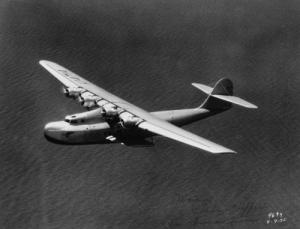
August 1938 – Who Goes There? by John W. Campbell in Astounding Science-Fiction, August 1938
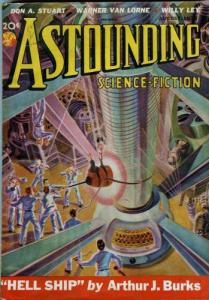
August 24, 1938 – England defeat Australia by an innings and 579 runs, the biggest winning margin in Test cricket history. Sir Len Hutton set a record for the highest individual innings in a Test match in only his sixth Test appearance, scoring 364 runs which is a milestone that stood for nearly 20 years (and remains an England Test record 86 years later as of 2025).
September 2, 1938 – Sing You Sinners – directed by Wesley Ruggles and starring Bing Crosby, Fred MacMurray, Ellen Drew, and Donald O’Connor. The film introduced the two Crosby hit songs “Small Fry” and “I’ve Got a Pocketful of Dreams”. Crosby recorded the former title as a duet with Johnny Mercer for Decca Records. However, it does not include the song Sing You Sinners.
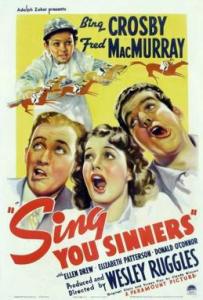
September 8, 1938 – Boys Town, directed by Norman Taurog, starring Spencer Tracy and Mickey Rooney
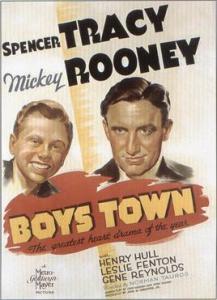
September 21, 1938 – The 1938 New England hurricane in the United States strikes Long Island and southern New England, killing over 300 along the Rhode Island shoreline and 600 altogether.
The Great Hurricane: 1938
by Cherie Burns
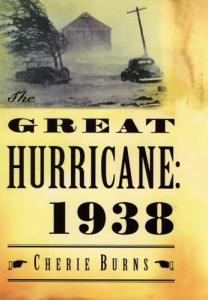
September 29, 1938 – You Can’t Take It with You, directed by Frank Capra, starring Jean Arthur, Lionel Barrymore, James Stewart and Edward Arnold. A critical and commercial success, the film received two Academy Awards: Best Picture and Best Director for Frank Capra. This was Capra’s third Oscar for Best Director in just five years, following It Happened One Night (1934) and Mr. Deeds Goes to Town (1936).
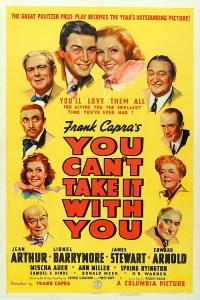
October 14, 1938 –The Fifth Column and the First Forty-Nine Stories (This collection includes the ones in In Our Time and Men Without Women and Winner Take Nothing). This is an anthology of writings by Ernest Hemingway.
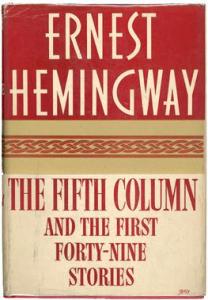
October 17–20, 1938 – 8th National Eucharistic Congress (United States) in the U.S. city of New Orleans, Louisiana, meant to foster devotion to the sacrament of the Eucharist. The congress was held in City Park Stadium. Archbishop of Chicago George Mundelein, a cardinal, served as a special papal legate for the congress.
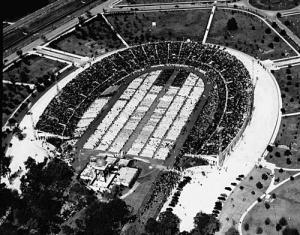
October 30, 1938 – Orson Welles‘ radio adaptation of The War of the Worlds (with script by Howard Koch) is broadcast in The Mercury Theatre on the Air series. This sparked a panic by convincing some members of the listening audience that a Martian invasion was actually taking place.
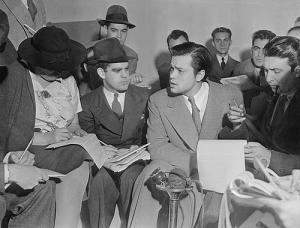
October 27, 1938 – DuPont announces a name for its new synthetic yarn: “nylon“.
November 6, 1938, through 1965 – Stephen Slesinger and Fred Harman‘s Red Ryder is first published in the newspapers. The Red Ryder BB Gun is also introduced.
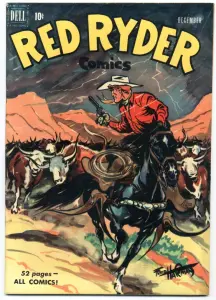
Also in 1938 the first American plastic toy soldiers were made by Bergen Toy & Novelty Company (Beton for short)

November 9, 1938 – Holocaust – Kristallnacht: In Germany, the “night of broken glass” begins as Nazi activists and sympathizers loot and burn Jewish businesses (the all night affair sees 7,500 Jewish businesses destroyed, 267 synagogues burned, 91 Jews killed and at least 25,000 Jewish men arrested). One of several significant events on November 9 in German history.

November 16, 1938 – LSD is first synthesized by Albert Hofmann from ergotamine, at the Sandoz Laboratories in Basel
November 26, 1938 –Angels with Dirty Faces, directed by Michael Curtiz, starring James Cagney, Pat O’Brien, Humphrey Bogart, Ann Sheridan and the Dead End Kids
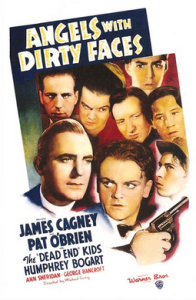
November 30, 1938 – Blondie directed by Frank Strayer, based on the comic strip of the same name, created by Chic Young. The screenplay was written by Richard Flournoy. The plot involves the Bumsteads’ fifth anniversary, Dagwood trying to get a raise, and Blondie trying to buy new furniture.
This was the first of 28 films based on the comic strip; Columbia Pictures produced them from 1938 to 1943, and popular demand brought them back in 1945.
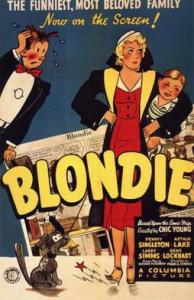
December 1938– Adolf Hitler is Time magazine’s “Man of the Year“, as the most influential person of the year.
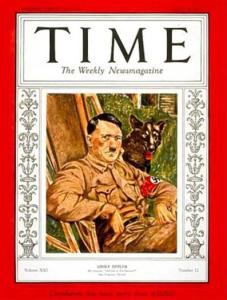
1938: Hitler’s Gamble
by Giles MacDonogh
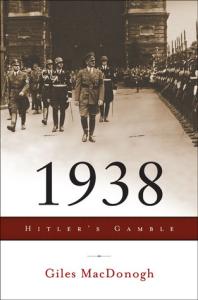
December 1, 1938 – “Leiningen Versus the Ants” by Carl Stephenson is published in Esquire, December 1938.
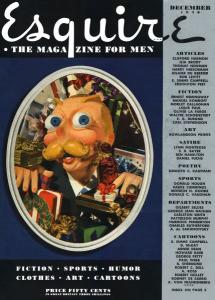
December 2, 1938 – Little Orphan Annie
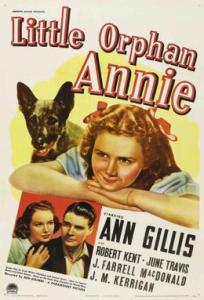
The Saturday Evening Post,
December 17, 1938
Short Story –Lassie Come-Home by Eric Knight
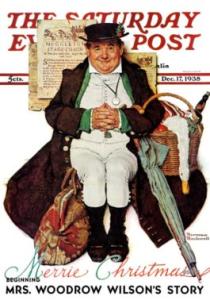
December 1938 – Helen O’Loy by Lester del Rey in Astounding Science-Fiction, December 1938
“Little Orphan Annie: The Complete Dailies & Color Sundays – Vol. 8 – The Last Port of Call”
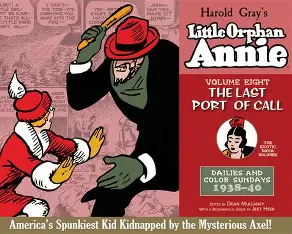
32 Years Ago
Before I Was Born
1939
All Movies, Books, Printed Music and Art of 1939
enter the Public Domain on January 1, 2035

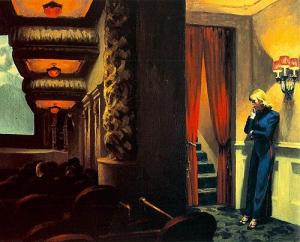
1939 –St. Thomas Aquinas and the Occult J. B. McAllister publishes St. Thomas Aquinas’s treaty on the Occult Workings of Nature. Aquinas: De operationibus occultis: English (isidore.co) St. Thomas Aquinas and the Occult, Part 2
1939 – A panther-like creature called the “glawackus” was sighted in Glastonbury, Connecticut. It became a national sensation, and sporadic sightings of it across Connecticut continued into the 1960s.
1939 – The View-Master system was introduced in 1939, four years after the advent of Kodachrome color film made the use of small, high-quality photographic color images practical.
1939 –Ludwig Bemelmans – Madeline (first in an eponymous series of seven books)
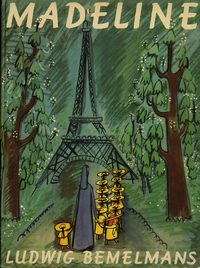
Tom Swift and His Giant Telescope by Victor Appleton (House Name) (Harriet Stratemeyer Adams) – Book 39 in the Tom Swift series
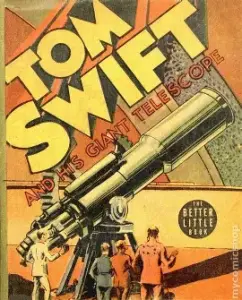
1939 Dinosaur Extinction Theories
Percy Raymond suggested that dinosaur brain size diminished over the course of the Mesozoic until, in effect, they became too stupid to live and went extinct.
William E. Swinton argued that dinosaurs were driven extinct when the lakes and swamps they inhabited dried up.
1939: The History of the Year the World Fell Apart
by Charles River Editors
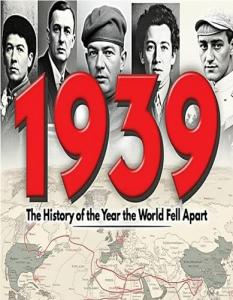
1939– Knights of the Range by Zane Grey- Probably his last published work before he died.

January 1, 1939 – Hewlett-Packard is founded as an electronics company in Palo Alto, California.

January 6, 1939 – Otto Hahn‘s discoveries in the field of nuclear fission are published in Naturwissenschaften.
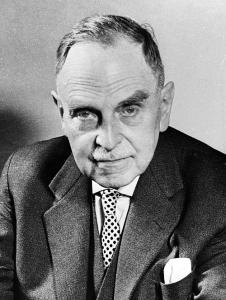
February 6, 1939 – Raymond Chandler‘s California private detective Philip Marlowe is introduced in his first full-length work of crime fiction, The Big Sleep, which reworks elements from earlier short stories. It is published by Alfred A. Knopf in the United States
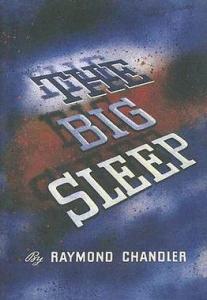
February 10, 1939 – The Adventures of Huckleberry Finn starring Mickey Rooney in the title role.
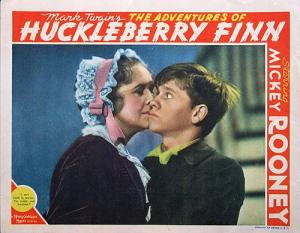
March 1939 – Trouble with Water by H. L. Gold in Unknown, March 1939
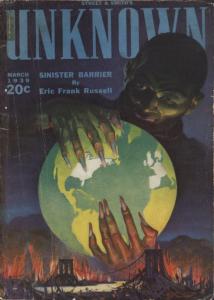
March 2, 1939 – Pope Pius XII (Cardinal Pacelli) succeeds Pope Pius XI to become the 260th pope, holding office until 1958.
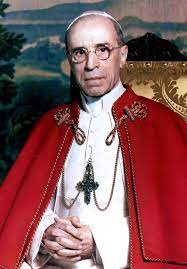
March 3, 1939– God Bless America published by Irving Berlin Inc. and sung by Kate Smith by Kate Smith, becoming her signature song.
John Ford‘s Western film Stagecoach starring John Wayne
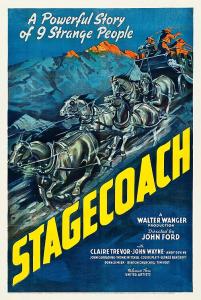
March 17, 1939 – Goofy and Wilbur -Although the cartoon is billed as a Mickey Mouse cartoon (as said on the theatrical poster), it was the first cartoon which featured Goofy in a solo role without Mickey Mouse and/or Donald Duck.
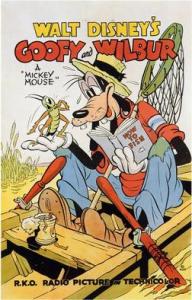
March 18, 1939 – The Secret Life of Walter Mitty by James Thurber in The New Yorker March 18, 1939.
March 27, 1939– The first NCAA tournament is played (operated by the NABC at the time). The University of Oregon defeats Ohio State University 46–33 in Evanston, Illinois, to become the inaugural champions of this tournament.
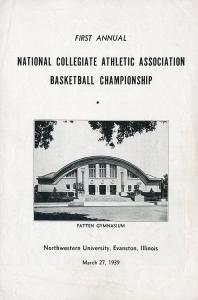
March 31, 1939 – 20th Century Fox releases a film version of The Hound of the Baskervilles, first of a Sherlock Holmes film series starring Basil Rathbone as Sherlock Holmes and Nigel Bruce as Dr Watson.
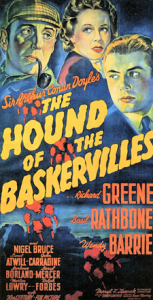
April 9, 1939 – African-American contralto Marian Anderson performs before 75,000 people at the Lincoln Memorial in Washington, D.C., after having been denied the use both of Constitution Hall by the Daughters of the American Revolution, and of a public high school by the federally controlled District of Columbia. First Lady of the United States Eleanor Roosevelt resigns from the DAR because of their decision.
April 14, 1939 – John Steinbeck – The Grapes of Wrath
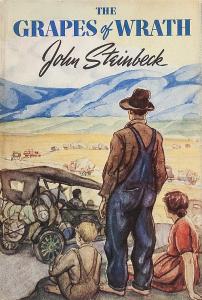
April 18, 1939 – Little Toot written and illustrated by Hardie Gramatky.
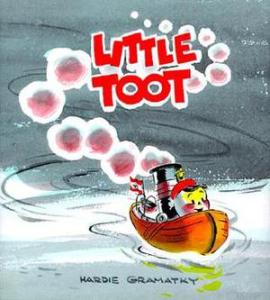
April 30, 1939 – The 1939 New York World’s Fair opens.

The View-Master is introduced.

May 1939 – Detective Comics #27 – National Allied Publications – First appearance of Batman.
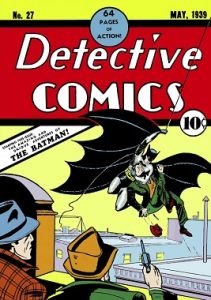
Passport photo Anne Frank, May 1939. (Photo collection Anne Frank House, Amsterdam. Public Domain Work)

May 1939 – “Moonlight Serenade” is an American swing ballad composed by Glenn Miller with subsequent lyrics by Mitchell Parish.
May 4, 1939 – Finnegans Wake by James Joyce. It was published in installments starting in 1924, under the title “fragments from Work in Progress“. The final title was only revealed when the book was published on 4 May 1939.
May 6, 1939 –Dorothy Garrod is elected to the Disney Professorship of Archaeology in the University of Cambridge, the first woman to hold an Oxbridge chair.
May 15, 1939 – Goodbye, Mr. Chips starring Robert Donat, Greer Garson and directed by Sam Wood. Based on the 1934 novella of the same name by James Hilton, the film is about Mr. Chipping, a beloved aged school teacher and former headmaster of a boarding school, who recalls his career and his personal life over the decades.
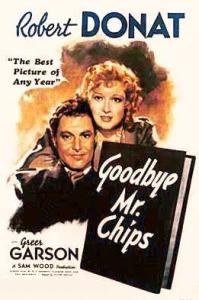
May 18, 1939 – The Hòa Hảo religious sect is established in Vietnam, by Huỳnh Phú Sổ.

May 29, 1939, in Boston and on June 19, 1939 in New York – The Streets of Paris featuring Bobby Clark, Luella Gear, Abbott and Costello and Carmen Miranda, debuted.
June 4, 1939 – The St. Louis, a ship carrying 907 Jewish refugees, is denied permission to land in Florida; only a few passengers have been allowed to enter Cuba. Forced to return to Europe, many of its passengers later die in Nazi death camps during The Holocaust.
June 9, 1939 – Young Mr. Lincoln directed by directed by John Ford and starring Henry Fonda.
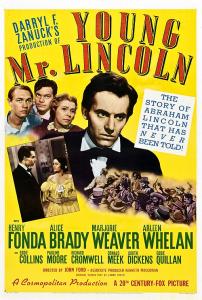
June 10, 1939 – Harman & Ising‘s The Bear That Couldn’t Sleep is first released, produced by MGM which marks the debut of Barney Bear.
July 1939 –Lucy Maud Montgomery – Anne of Ingleside – It is the tenth of eleven books that feature the character of Anne Shirley, and Montgomery’s final published novel. Chronologically, Anne of Ingleside precedes Rainbow Valley, which was published years earlier. In addition, a short story collection The Blythes Are Quoted, written in 1941-42 but published in 2009, concludes the Anne stories.
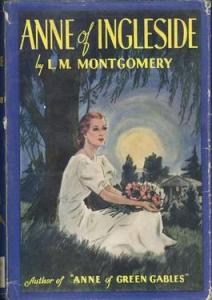
Start of the Golden Age: The July 1939 issue of Astounding Magazine is often cited as the beginning of the Golden Age of Science Fiction, a period of great innovation and creativity in the genre.
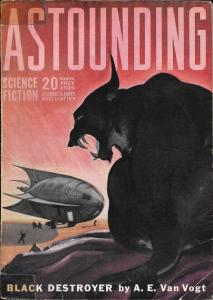
Emergence of new talent: 1939 saw the first published stories from several authors who would become science fiction giants:
-
- Isaac Asimov‘s first stories in Astounding Science-Fiction magazine., “Trends” and “Marooned off Vesta” are published.
- Robert A. Heinlein‘s debut, “Life-Line”.
- A. E. van Vogt ‘s first story, “Black Destroyer”.
- Theodore Sturgeon‘s first publication, “Ether Breather”.
- Eric Frank Russell‘s first novel Sinister Barrier .
“Extraterrestrial”, a coinage from “extra” + “terrestrial”, meaning from beyond earth, is attested as an adjective as early as 1868, according to the Oxford English Dictionary. Its first use in connection with life beyond earth was likely by H. G. Wells, in his 1898 novel The War of the Worlds. L. Sprague de Camp is credited with its first usage as a noun with the meaning of “alien life” and with coining the abbreviation “E.T.” in the first part of his two-part article “Design for Life”, published in the May 1939 issue of Astounding Science Fiction. In 1939 he published the short story Nothing in the Rules in Unknown, July 1939
Notable stories from the year: Other significant stories published in 1939 include “I, Robot” by Eando Binder and Milton A. Rothman‘s “Heavy Planet”.
July 2, 1939 – April 19, 1953 – The Aldrich Family radio show premiers.
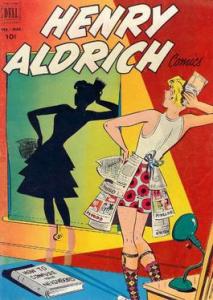
July 7, 1939 – Rhythm on the Reservation – Betty Boop’s final theatrical appearance.
Copyright not renewed; entered the public domain in 1967.
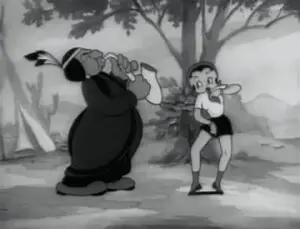
July 22, 1939 – Auto Antics – It was the 182nd Our Gang short to be released. Auto Antics features the final appearance of Eugene “Porky” Lee, who was dismissed from the series after growing significantly taller (to the point that he became taller than George “Spanky” McFarland) during Our Gang‘s first year at MGM. Robert Blake, who had just replaced Gary Jasgar as the tag-along toddler, assumed the role vacated by Porky at the beginning of Our Gang’s 1939–40 season of shorts.
July 23, 1939 – Mahatma Gandhi writes a personal letter to Adolf Hitler from India, addressing him as “My friend”, requesting him to prevent any possible war.
August 2, 1939 – The Einstein–Szilard letter is signed by Albert Einstein, advising President of the United States Franklin D. Roosevelt of the potential use of uranium to construct an atomic bomb. It is delivered on October 11.
August 10, 1939 – The Wizard of Oz premieres at the Orpheum Theatre in Green Bay, Wisconsin. Its Hollywood premiere takes place on August 15 at Grauman’s Chinese Theatre in Los Angeles.
Featuring the song “Over the Rainbow” sung by Judy Garland US Billboard 1939 #5, US #5 for 1 week, 12 total weeks, Grammy Hall of Fame 1981, AFI 1, RIAA 1, Music Imprint 1 of 1930s, ASCAP song of 1938, National Recording Registry 2016
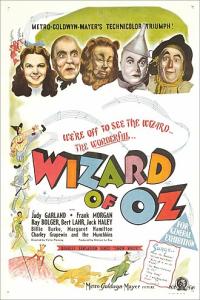
1939 –Ozoplaning With the Wizard of Oz
This is the thirty-third book in the Oz series created by L. Frank Baum and his successors. It was the nineteenth and last written by Ruth Plumly Thompson until 1972’s Yankee in Oz. It was illustrated by John R. Neill. The book was followed by The Wonder City of Oz (1940).
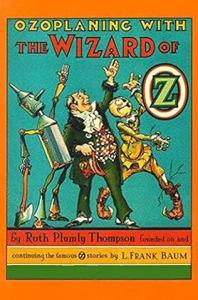
August 22, 1939 – “You Are My Sunshine” first recorded.
August 26, 1939 -The first televised Major League Baseball games are shown on experimental station W2XBS in the United States: a double-header between the Cincinnati Reds and the Brooklyn Dodgers at Ebbets Field.
“Moonlight Serenade” – Glenn Miller and his Orchestra
September 1, 1939 – Beginning of WWII: Opening shots of World War II and invasion of Poland:
Remembering The Holy Men And Women Of World War II |
September 5, 1939 – “In the Mood” –Glenn Miller and his Orchestra
September 8, 1939 – The Little Sisters of Jesus is founded in Algeria, by Little Sister Magdeleine.
October 9, 1939 – Walter Lantz‘s Life Begins for Andy Panda premieres, which marks the debut of Andy Panda.
October 17, 1939 – Mr. Smith Goes to Washington premieres in Washington, D.C.
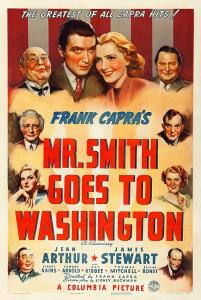
November 6, 1939 – And Then There Were None by Agatha Christie
The book is the world’s best-selling mystery and, with over 100 million copies sold, is one of the best-selling books of all time. The novel has been listed as the seventh best-selling title (any language, including reference works) of all time.
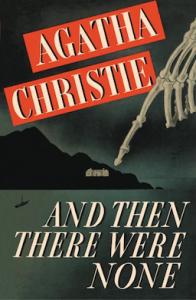
Other Mystery Series
Lonesome Road (Miss Silver, book 3) by Patricia Wentworth
November 10, 1939 – The Cat and the Canary directed by Elliott Nugent starring Bob Hope and Paulette Goddard. It is a remake of the 1927 silent film The Cat and the Canary, which was based on the 1922 play of the same name by John Willard.
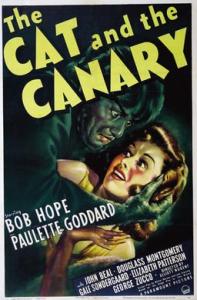
November 14, 1939 – In Washington, D.C., U.S. President Franklin D. Roosevelt lays the cornerstone of the Jefferson Memorial.

December 1939 – Lest Darkness Fall by L. Sprague de Camp in Unknown, December 1939
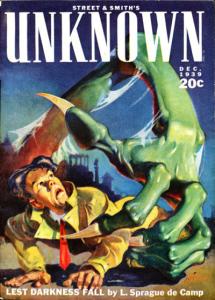
December 9, 1939: Hugh Harman‘s Peace on Earth premieres, produced by MGM which will become a classic. This was directed by Hugh Harman, about a post-apocalyptic world populated only by animals, after human beings have gone extinct due to war.
December 22, 1939 -The Fleischer Studios release Gulliver’s Travels, the second American feature-length animated film.
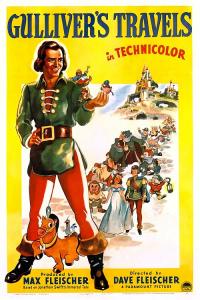
December 15, 1939 – The epic historical romance film Gone with the Wind, starring Vivien Leigh, Clark Gable, Olivia de Havilland and Leslie Howard, premieres at Loew’s Grand Theatre in Atlanta, Georgia, with a three-day-long festival. Based on Margaret Mitchell‘s best-selling novel of 1936, it is the longest American film made up to this date (at nearly four hours) and rapidly becomes the highest-grossing film up to this time.

“Back In The Saddle Again” w.m. Gene Autry & Ray Whitley
1939 – It’s Too Late Now: The Autobiography of a Writer by A.A. Milne | Goodreads
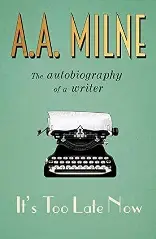
HOARATS
To Understand
What I love and How I Write About History
Hit the Link Above.

To understand about this particular series I’m writing about, please read
The Catholic Bard’s Guide To History Introduction
And to view a historical article click on








 Ad-Free & Subscriber Log-In