

1930 presents for the lover of books, music, movies and art a cornucopia of new materials stripped of copyright protection. You can simply consume these materials for you own private consumption or take them and do something entirely new with them. The earliest version of Betty Boop, the 1st editions of the Nancy Drew books, the first book from Inkling Charles Williams, The Little Engine that Could, the first Loony Tunes, the first appearance of the dog that would be known as Pluto and the comedy films of Laurel and Hardy, The Marx Brothers and the first appearance of what would be known as the 3 Stooges .
It’s all there for you to use and in the case of some characters to abuse if you decide to make a low level horror movie which is what is being done with Boop and has done with other public domain characters in previous years.
The Internet Archive is a non-profit library of millions of free texts, movies, software, music, websites, and more. They are once again offering a contest focusing in on the public domain that I discovered recently. I entered the 2026 Public Domain Film Remix Contest. Here is the description from the Internet Archive blog.
This contest offers a chance to explore and reimagine the creative treasures entering the public domain, especially works from 1930 that entered the public domain on January 1—classic literature, early sound films, cartoons, music, and art. Participants are encouraged to use materials from the Internet Archive’s collections to craft unique films that breathe new life into these cultural gems. Browse newly opened public domain materials.
Here is my entry.
Listed below is the new croup of materials that you can do something with in 2026.
Films and books released in 1930
becomes public domain in 2026.
Books Released in 1930
Children’s Books
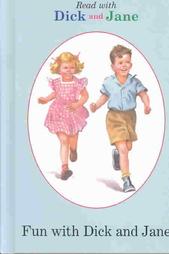
William S. Gray –
first in the Dick and Jane series of Elson-Gray Readers
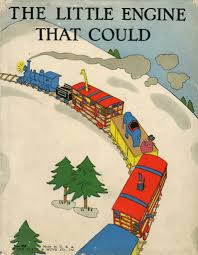
Watty Piper – The Little Engine That Could
Classic Children’s Book Series
Walter R. Brooks
Freddy the Pig # 2
Freddy Goes to the North Pole More To and Again)
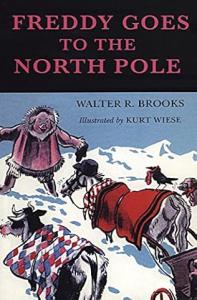
The first Freddy the Pig was Freddy Goes to Florida, 1927 (To and Again)
The Last Freddy book was # 26 Freddy and the Dragon, 1958
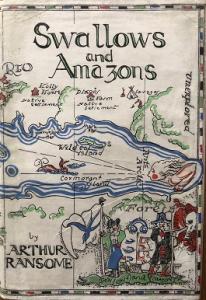
Arthur Ransome
Swallows and Amazons
(first in the Swallows and Amazons series of 12 books)
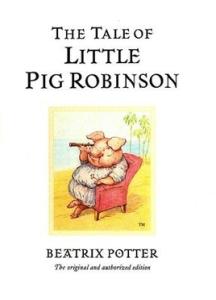
Beatrix Potter, Peter Rabbit series # 23
The Tale of Little Pig Robinson.
Though the book was one of Potter’s last publications in 1930, it was one of the first stories she wrote.
Gwynedd Rae – Mostly Mary (first in the Mary Plain series of 14 books)
Marion St John Webb – Mr Papingay’s Flying Shop (first in the Papingay series of four books)
Albert Payson Terhune
Sunnybank# 15. A Dog Named Chips (1931)
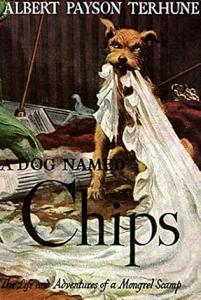
# 1. Lad: A Dog (1919)/24 Dogs (1940)
Richmal Crompton
# 11 William The Bad # 12 William’s Happy Days
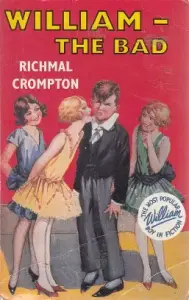
The first book in the series was Just William written in 1922 and the last was # 38 William the Lawless in 1970
Elinor Brent-Dyer
Chalet School # 6. Eustacia Goes to the Chalet School
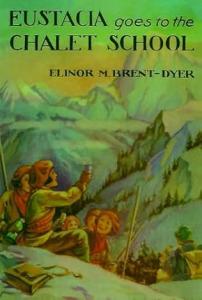
The first book The School at the Chalet was written in 1925 and the last was # 58 Prefects of the Chalet School in 1970.
Johnny Gruelle
Raggedy Ann’s Sunny Songs
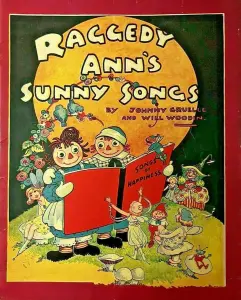
His first published work was Mr. Twee Deedle (1913) and first Raggedy Ann book Raggedy Ann Stories (1918) and the final Raggedy Ann tale released during Johnny Gruelle‘s lifetime was Raggedy Ann and Maizie Moocow. More Raggedy Ann stories continued to be written after his death.
Laura Lee Hope Bobbsey Twins
# 23. The Bobbsey Twins at Spruce Lake
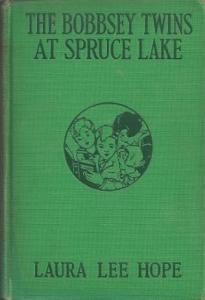
The first book was The Bobbsey Twins, or Merry Days Indoors and Out in 1904 and the last book # 72 The Bobbsey Twins: The Coral Turtle Mystery was written in 1979.
Ruth Plumly Thompson –
The Yellow Knight of Oz
(24th in the Oz series overall and the 10th written by her)
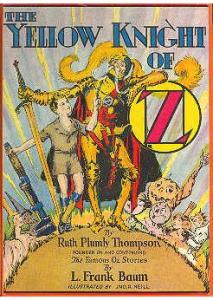
From Wikipedia: The Oz books form a book series that begins with The Wonderful Wizard of Oz (1900) and relates the fictional history of the Land of Oz. Oz was created by author L. Frank Baum, who went on to write fourteen full-length Oz books. Baum was styled as “the Royal Historian of Oz” in order to emphasize the concept that Oz is an actual place on Earth, full of magic. In his Oz books, Baum created the illusion that characters such as Dorothy and Princess Ozma relayed their adventures in Oz to Baum themselves, by means of a wireless telegraph.
After Baum’s death in 1919, publisher Reilly & Lee continued to produce annual Oz books, passing on the role of Royal Historian. Ruth Plumly Thompson took up the task in 1921, and wrote nineteen Oz books with the last official Oz book by her being Ozoplaning with the Wizard of Oz (1939). Thompson wrote two additional novels in the 1970s which are not included in the “Famous Forty”: Yankee in Oz (1972) and The Enchanted Island of Oz (1976), both published by the International Wizard of Oz Club.
After Thompson, Reilly & Lee published seven more books in the series: three by John R. Neill, two by Jack Snow, one by Rachel R.C. Payes, and a final book Merry Go Round in Oz (1963) by Eloise Jarvis McGraw and Lauren Lynn McGraw. The forty books in Reilly & Lee’s Oz series are called “the Famous Forty” by fans, and are considered the canonical Oz texts.
Unknown Classic Books
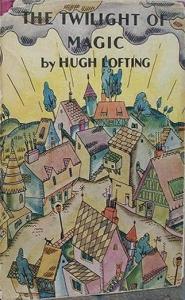
The Twilight of Magic
by Hugh Lofting author of the Doctor Dolittle series
In the days when magic was everywhere, a little boy in possession of a magic whispering shell does a service for his young king. Here is a glamorous tale of castles, kings, and cavalcades of knights, of princesses and peasants, which gives a vivid picture of the Middle Ages, when adults and children alike still believed in magic!-Amazon Description
Newbery Medal Books
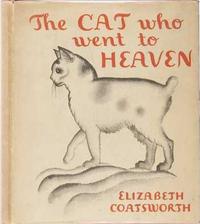
Elizabeth Coatsworth – The Cat Who Went to Heaven– Winner
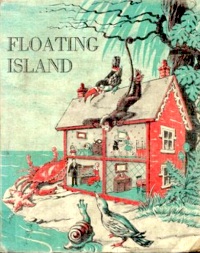
Anne Parrish –Floating Island– Honor
Classic Adventure and Westerns
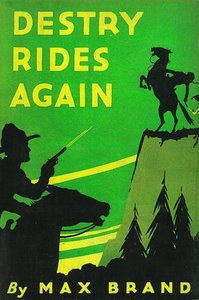
Max Brand – Destry Rides Again (original serial version as Twelve Peers)
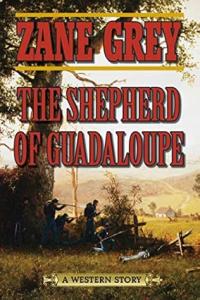
Zane Grey
The Shepherd of Guadaloupe
Betty Zane (1903) Inspired by the life and adventures of his own great-great grandmother, Betty Zane was Zane Grey’s first novel and launched his career as a master writer of rousing frontier and Western adventures.
Clarence E. Mulford
Hopalong Cassidy # 21 The Deputy Sheriff
From Wikipedia: Hopalong Cassidy is a fictional cowboy hero created in 1904 by the author Clarence E. Mulford, who wrote a series of short stories and novels based on the character. The first novel was Bar-20 (1906) and the last novel was # 28 Hopalong Cassidy Serves a Writ (1941)
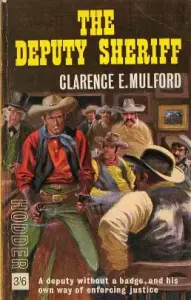
Mulford portrayed the character as rude, dangerous, and rough-talking. He was shot in the leg during a gun fight, causing him to walk with a little “hop”, hence the nickname.
From the 1930s to the 1950s, the character became indelibly associated with actor William Boyd, who portrayed Cassidy first in a series of sixty-six films from 1935 to 1948, then in children-oriented radio and TV series, both of which lasted until 1952. Boyd’s portrayal of Cassidy had little in common with the literary character, being instead a clean-cut, sarsaparilla-drinking hero who never shot first. The plots of the film, radio and TV series were generally not taken from Mulford’s writings.
At the peak of the character’s popularity in the early 1950s, he spawned enormous amounts of merchandise, as well as a comic strip, additional novels by Louis L’Amour (writing as Tex Burns), and even a short-lived amusement park, “Hoppyland”, in Venice, Los Angeles.
1st Jimgrim – Jimgrim and the Devil At Ludd (1922)
Last – Affair in Araby (1934)
The Hundred Days
The Marriage of Meldrun Strange
The Woman Ayisha
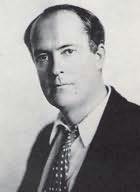
Rafael Sabatini
The King’s Minion
Goodreads: Rafael Sabatini was an Italian/British writer of novels of romance and adventure during the beginning of the 20th century. . His best-known works were The Sea Hawk, Scaramouche, Captain Blood and Bellarion the Fortunate. Sabatini produced thirty one novels, eight short story collections, six nonfiction books, numerous uncollected short stories, and a play. The Suitors of Yvonne also known as The Lovers of Yvonne was written in 1902. This first novel of Sabatini is told in the first person narrative style. It is a swachbuckling romance, full of swordplay, foiled assassination attempts, and a heroic rescue. Sabatini is a master of writing action and adventure scenes. The final published novel before his death was The Gamester (1949)

Classic Mystery Books
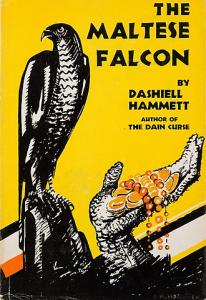
Dashiell Hammett – The Maltese Falcon
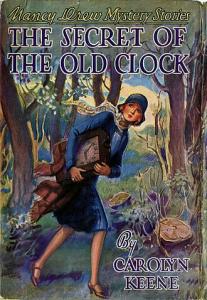
“Carolyn Keene” –
The Secret of the Old Clock
(first in the Nancy Drew Mystery Stories series +3 more)
John Dickson Carr –
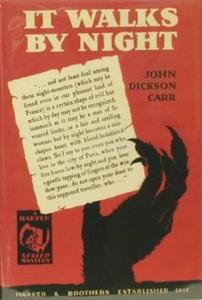
Henri Bencolin # 1 It Walks By Night
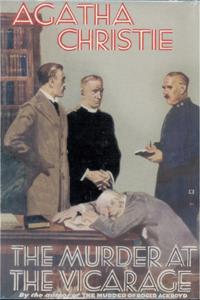
Agatha Christie’s The Murder at the Vicarage, the first full-length novel to feature her amateur detective Miss Marple, appears in the U.K. in the Collins Crime Club series, after serialization in the United States.
Anthony Berkeley
Roger Sheringham # 6 The Second Shot
Leslie Charteris
The Last Hero/Knight Templar
Meet the Tiger (1928) was the first novel in a long-running series of books (lasting into the 1980s) featuring the adventures of Simon Templar, alias “The Saint”.
The Saint Sees it Through (1946) was the final full-length novel featuring Templar to be solely written by Charteris, as the author chose to concentrate on short stories and novella-length Saint stories hereafter. The next full-length Saint novel, Vendetta for the Saint (1964), would be credited to Charteris, but actually written by Harry Harrison.
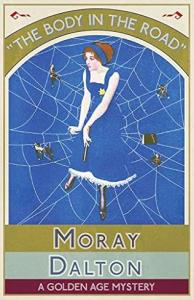
Moray Dalton
The Body in the Road
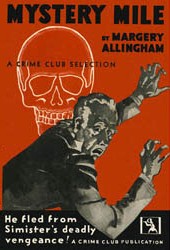
Margery Allingham
Albert Campion. # 2 Mystery Mile
Albert Campion is the gentleman sleuth she is most remembered for. Initially believed to be a parody of Dorothy L. Sayers‘s detective Lord Peter Wimsey, Campion matured into a strongly individual character, part-detective, part-adventurer, who formed the basis for 18 complete novels and many short stories. The first book was The Crime at Black Dudley (1929) and the last was # 19 Cargo of Eagles (completed by Philip Youngman Carter after Allingham’s death).
Anthony Berkeley
Roger Sheringham The Second Shot (1930)

1. The Layton Court Mystery (1925)
Earl Derr
Charlie Chan # 5 Charlie Chan Carries On
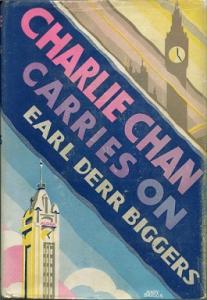
The House Without a Key (1925) was the first book in the Charlie Chan series.
S S van Dine
Philo Vance Murder Cases # 5. The Scarab Murder Case (1930)
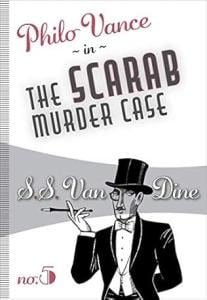
1. The Benson Murder Case (1926)/12. The Winter Murder Case (1939)
Franklin W. Dixon
Great Airport Mystery (Hardy Boys # 9)
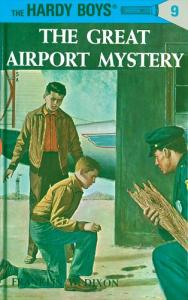
The Tower Treasure (1927) is the first volume in the original Hardy Boys series published by Grosset & Dunlap. The book ranks 55th on Publishers Weekly‘s All-Time Bestselling Children’s Book List for the United States, with 2,209,774 copies sold as of 2001. This book is one of the “Original 10”, generally considered by historians and critics of children’s literature to be the best examples of all the Hardy Boys, and Stratemeyer Syndicate, writing.
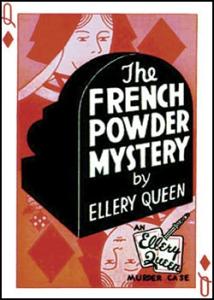
Ellery Queen –
# 2 The French Powder Mystery
The Roman Hat Mystery (1929) is the first of the Ellery Queen mysteries.
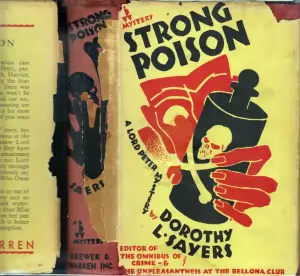
Dorothy L. Sayers
Strong Poison
her fifth featuring Lord Peter Wimsey
and the first in which Harriet Vane appears.
Whose Body? (1923) was the first book in the series.
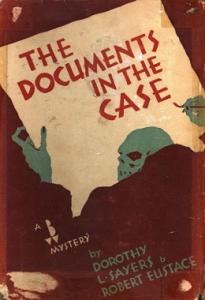
The Documents in the Case (written with Robert Eustace) It is the only one of Sayers’s twelve major crime novels not to feature Lord Peter Wimsey, her most famous detective character. However, the forensic analyst Sir James Lubbock, who appears or is mentioned in several of the Wimsey novels, also appears in The Documents in the Case.
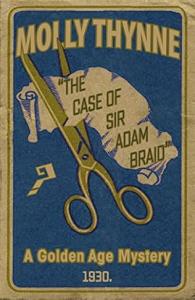
Molly Thynne
The Case of Sir Adam Braid
Edgar Wallace – The Clue of the Silver Key
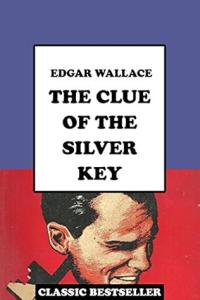
Wikipedia: Wallace began publishing songs and poetry, much inspired by Rudyard Kipling, whom he met in Cape Town in 1898. Wallace’s first book of ballads, The Mission that Failed!, was published that same year. In 1899, he bought his way out of the forces and turned to writing full time. Remaining in Africa, he became a war correspondent, first for Reuters and then the Daily Mail (1900) and other periodicals during the Boer War.
The last thing he worked on in December 1931, was on the RKO “gorilla picture” (King Kong, 1933) for producer Merian C. Cooper.
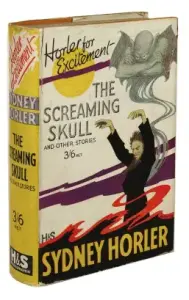
Sydney Horler
The screaming skull and other stories
Classic Speculative Fiction Books
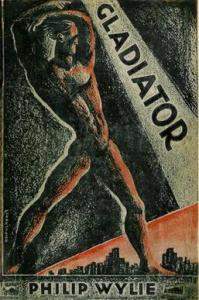
Philip Gordon Wylie – Gladiator
The story concerns a scientist who invents an “alkaline free-radical” serum to “improve” humankind by granting the proportionate strength of an ant and the leaping ability of the grasshopper. The scientist injects his pregnant wife with the serum and his son Hugo Danner is born with superhuman strength, speed, and bulletproof skin. Hugo spends much of the novel hiding his powers, rarely getting a chance to openly use them.
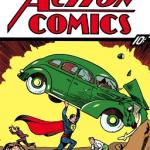
The novel is widely assumed to have been an inspiration for Superman due to similarities between Danner and the earliest versions of Superman who debuted in 1938, though no confirmation exists that Superman creators Jerry Siegel and Joe Shuster were directly influenced by Wylie’s work. The work is now in the Public Domain.
Victor Appleton (House Name)
Tom Swift and His Big Dirigible # 33
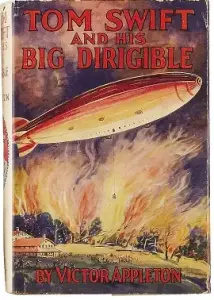
Wikipedia: Tom Swift is the main character of six series of American juvenile science fiction and adventure novels that emphasize science, invention, and technology. Inaugurated in 1910, the sequence of series comprises more than 100 volumes. The first Tom Swift Tom Swift and His Motor Cycle (1910) – later, Tom Swift Sr. – was created by Edward Stratemeyer, the founder of the Stratemeyer Syndicate, a book packaging firm. Tom’s adventures have been written by various ghostwriters, beginning with Howard Garis. Most of the books are credited to the collective pseudonym “Victor Appleton“. The last volume in the first series was # 40 Tom Swift and His Magnetic Silencer (1940)
The 33 volumes of the second series use the pseudonym Victor Appleton II for the author. For this series, and some later ones, the main character is “Tom Swift Jr.” New titles have been published again from 2019 after a gap of about ten years, roughly the time that has passed before every resumption. Most of the series emphasized Tom’s inventions. The books generally describe the effects of science and technology as wholly beneficial, and the role of the inventor in society as admirable and heroic.
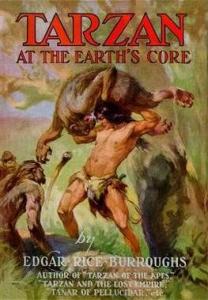
Tarzan at the Earth’s Core (Tarzan# 13)
Wikipedia: There 24 Tarzan adventure novels written by Edgar Rice Burroughs (1875–1950) and published between 1912 and 1966, followed by several novels either co-written by Burroughs, or officially authorized by his estate. There are also two works written by Burroughs especially for children that are not considered part of the main series.
A Fighting Man of Mars (Barsoom # 7)
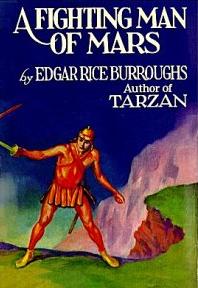
Wikipedia: Barsoom is a fictional representation of the planet Mars created by American pulp fiction author Edgar Rice Burroughs. The first Barsoom tale was serialized as Under the Moons of Mars in pulp magazine The All-Story from February to July 1912 and published compiled as a novel as A Princess of Mars in 1917. The last Barsoom book was John Carter of Mars (1964)– a novella collection containing stories. It features John Carter, a late-19th-century American Confederate veteran who is mysteriously transported from Earth to the dying world of Mars where he meets and romances the beautiful Martian princess Dejah Thoris. Ten sequels followed over the next three decades, further extending his vision of Barsoom and adding other characters.
The Barsoom series, particularly the first novel, is considered a major influence on early science fiction.
- E. R. Eddison – Norse # 2 Egil’s Saga. It is a sequel to Styrbiorn the Strong (1926)
- Lord Dunsany – The Travel Tales of Mr. Joseph Jorkens. The Gods of Pegāna (1905) was his first book that was published.
- H. P. Lovecraft – The Whisperer in Darkness In 1916, Lovecraft published his first short story, “The Alchemist”.
Miles J. Breuer The Gostak and the Doshes • (1930) in Amazing Stories, March 1930 Read @ Internet Archive -Collected in Great Tales of Science Fiction Read @ Internet Archive
The Beetle Horde (Part 1 of 2) (1930) in Astounding Stories of Super-Science, January 1930 Read The Project Gutenberg eBook
The Beetle Horde (Part 2 of 2) (1930) in Astounding Stories of Super-Science, February 1930 Read Astounding Stories of Super-Science, February, 1930, by Various.
Mr. Strenberry’s Tale • (1930) • short story by J. B. Priestley
The Last Terrestrials (excerpt from Last and First Men) • [Last and First Men] • (1930) • short fiction by Olaf Stapledon collected in The Treasury of Science Fiction Classics • anthology by Harold W. Kuebler
The Martians (excerpt from Last and First Men) • (1930) • short fiction by Olaf Stapledon collected in The Treasury of Science Fiction Classics • anthology by Harold W. Kuebler
Humanity on Venus (1930) Olaf Stapledon
Last and first men @ Internet Archive • [Last and First Men] • (1930) • novel by Olaf Stapledon
The Red Plague (1930) P. Schuyler Miller
The Relics from the Earth (1930) John R. Pierce
Marooned in Andromeda • [Captain Volmar • 1] • novelette by Clark Ashton Smith in Wonder Stories, October 1930
Piracy Preferred (1930) [S] John W. Campbell, Jr.
The Uncharted Isle • (1930) • short story by Clark Ashton Smith Weird Tales, November 1930
Skylark Three (Amazing, August 1930) Edward E. Smith
Classic Authors
- Pearl S. Buck – East Wind: West Wind
- Willa Cather – Shadows on the Rock (1931)
- Rudyard Kipling , Thy Servant a Dog: Told by Boots
- William Faulkner – As I Lay Dying, “A Rose for Emily“
- Edna Ferber – Cimarron
- Hermann Hesse – Narcissus and Goldmund
- Aldous Huxley – Brief Candles
- Katherine Mansfield – The Aloe
- William Somerset Maugham – Cakes and Ale
- Honoré Willsie Morrow – The Last Full Measure # 3 in The Great Captain trilogy
- The Complete Short Stories of Saki
- Margery Sharp-Rhododendron Pie
- Thornton Wilder – The Long Christmas Dinner, The Woman of Andros —based on Andria, a comedy by Terence
- Virginia Woolf.- The Waves
P. G. Wodehouse. –Very Good, Jeeves (1930) – Eleven stories
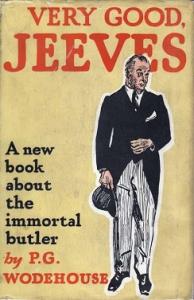
“Extricating Young Gussie” – The first appearances of Jeeves and Bertie, originally published 1915-09-18 in the Saturday Evening Post.
Aunts Aren’t Gentlemen (1974) was the last novel to feature Bertie Wooster and his resourceful valet Jeeves, and the last novel fully completed by Wodehouse before his death.
Inklings and Christian Authors

War in Heaven – The Holy Grail surfaces in an obscure country parish and becomes variously a sacramental object to protect or a vessel of power to exploit.
Many Dimensions An evil antiquarian illegally purchases the fabled Stone of Suleiman (Williams uses this Muslim form rather than the more familiar King Solomon) from its Islamic guardian and returns to England to discover not only that the Stone can multiply itself infinitely without diminishing the original, but that it also allows its possessor to transcend the barriers of space and time.
- Hilaire Belloc – The Man Who Made Gold
- G.K. Chesterton – Four Faultless Felons
- T. S. Eliot – Ash Wednesday, Marina, Collected Poems of Robert Frost
- Frank Morison –Who moved the stone?: Already in Public Domain
- Fulton Sheen – The Divine Romance
- Antonin Sertillanges–What Jesus Saw from the Cross
- Pope Pius XI,-Casti Connubii: On Christian Marriage
Classic Non-Fiction Books
Odell Shepard-The Lore of the Unicorn
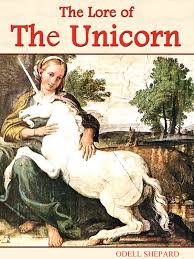
- Frank Buck (animal collector) – Bring ‘Em Back Alive (1930), co-authored by Edward Anthony
- Napoleon Hill – The Magic Ladder to Success
- Charles Edward Montague – A Writer’s Notes on His Trade
- Lyle Saxon – Lafitte the Pirate
- Owen Wister – Roosevelt: The Story of a Friendship, 1880–1919
January 10: Quick & Flupke by Hergé debuts in Le Petit Vingtième.
The series ran alongside Hergé’s better known The Adventures of Tintin.
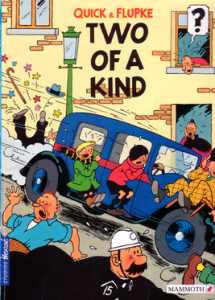
Mickey Mouse Comic Strip
January 13: The first Mickey Mouse comic strip, written by Walt Disney, drawn by Ub Iwerks, is published. After a month Iwerks hands the series over to Win Smith, who will continue to draw it until May. The first Mickey Mouse adventure (Lost on a Desert Island) marks the comics debut of Minnie Mouse too. Five months later, Floyd Gottfredson takes over.
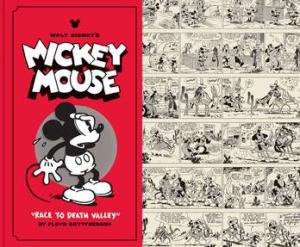
- January 27: The first episode of Tack Knight’s Little Folks is published. It will run until 1933.[5]
- April 19 – Joe Palooka by Ham Fisher. Joe Palooka was about a heavyweight boxing champion, created by cartoonist Ham Fisher. At its peak by 900 newspapers. It was cancelled in 1984.
- May 8: As the first The Adventures of Tintin story, Tintin in the Land of the Soviets, reaches its conclusion in Le Petit Vingtième and has Tintin return from the USSR to Brussels the magazine’s editors stage Tintin’s return in real life with an actor and a dog. To their amazement the railway station’s square is crowded with readers, making everybody realize that Tintin has become a success. Hergé is quickly encouraged to start a new Tintin story.
- June 5: in Le petit Vingtième, first episode of Tintin in the Congo, by Hergè.
- June 7: The Little King by Otto Soglow debuts in The New Yorker.
September 8: Blondie by Chic Young makes its debut.
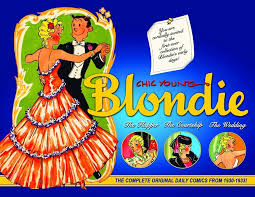
On the Radio
- April 14, 1930– Believe It Or Not debuts on NBC.
- April 18, 1930 – BBC radio listeners uniquely hear the announcement “Good evening. Today is Good Friday. There is no news.”
- July 31, 1930 The Shadow debuts as the mysterious narrator of the radio program Detective Story Hour, which was developed to boost sales of Street & Smith‘s monthly pulp Detective Story Magazine.
- October 2, 1930– The Lutheran Hour debuts on CBS Radio. Dr. Walter A. Maier will serve as the program’s first speaker for the next twenty years.
- October 20, 1930– The Adventures of Sherlock Holmes debuts on NBC Blue (1930–1936).
- Gasoline Alley was an American radio sitcom based on the popularity of the newspaper comic strip Gasoline Alley by Frank King. It first aired in 1931 under the name “Uncle Walt and Skeezix”.
- Fr. Fulton J. Sheen (later bishop) begins a weekly NBC Sunday-night radio broadcast, The Catholic Hour.
Movies 1930
Comedy
Soup to Nuts the film debut of the guys who would go on to become known as The Three Stooges comic trio (Shemp Howard, Moe Howard, and Larry Fine).
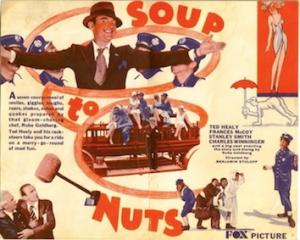
- Doughboys starring Buster Keaton. It was Keaton’s second starring talkie vehicle and has been called Keaton’s “most successful sound Picture.
- Feet First – Harold Lloyd‘s second sound film.
- 8 Laurel and Hardy Films including The Laurel-Hardy Murder Case In The Laurel-Hardy Murder Case, Oliver utters for the first time the iconic phrase, “Here’s another nice mess you’ve gotten me into”, often erroneously cited as “Here’s another fine mess you’ve gotten me into”. The misquotation has entered everyday vernacular. Other comedies are Blotto, Hog Wild and Brats.
- Our Gang Shorts 95 – 102 which include Pups Is Pups which was selected for preservation in the United States National Film Registry by the Library of Congress. School’s Out is another good example of an Our Gang comedy.
- The Golf Specialist starring W.C. Fields
- Animal Crackers, The film stars the Marx Brothers, (Groucho, Harpo, Chico, and Zeppo), with Lillian Roth and Margaret Dumont, based on the Marxes’ Broadway musical of the same name. Mayhem and zaniness ensue during a weekend party in honor of famed African explorer Captain Jeffrey T. Spaulding. A critical and commercial success upon its initial release, Animal Crackers was shot at Paramount’s Astoria Studios in Astoria, Queens, the second film the Brothers would make in New York City.
- Harry Langdon in The Fighting Parson and The Big Kick
- Charley Chase in Fast Work
-
Charley Bowers in It’s a Bird
-
Joe E. Brown in Top Speed
-
Wheeler & Woolsey in Hook, Line and Sinker
- Whoopee!, directed by Thornton Freeland, starring Eddie Cantor
Other
The Big Trail featuring a young John Wayne in his first starring role is released in both 35mm and a very early form of 70mm film. It is the first large scale big-budget film of the sound era, costing over $2 million. The film is praised for its aesthetic quality and realism that will not become commonplace until many decades later. However, due to the new film format and the film’s release during the Great Depression, the film will go on to become a financial failure at the box office.
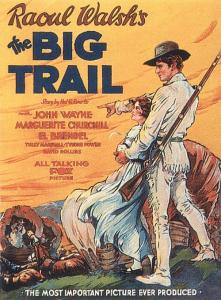
- The Dawn Patrol, directed by Howard Hawks, starring Richard Barthelmess, Douglas Fairbanks Jr. and Neil Hamilton
- Murder!, directed by Alfred Hitchcock, starring Herbert Marshall – (GB)
- Madam Satan, directed by Cecil B. DeMille, starring Kay Johnson
- The Return of Dr. Fu Manchu
Animation
Sinkin’ in the Bathtub is the first Warner Bros. theatrical cartoon short as well as the first of the Looney Tunes series. and features the cartoon character Bosko,
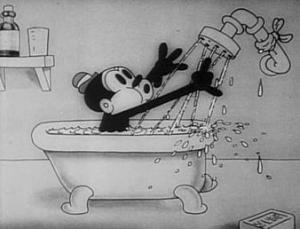
Dizzy Dishes the first cartoon in which Betty Boop appears.
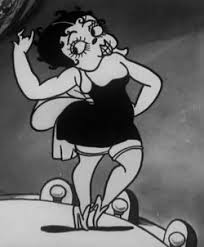
- Mickey Mouse Shorts #16 – 24 including The Cactus Kid. This short features a number of notable firsts and lasts: it is the first short with Marcellite Garner as the voice of Minnie Mouse, and the first time in a Mickey Mouse cartoon that Pete has a peg-leg. It is also the last short directed by Walt Disney for the next five years.
- Mickey Mouse in The Chain Gang (September 5, 1930) Pluto (unnamed)
- Mickey Mouse in The Picnic (October 9, 1930) (Pluto as Rover)
- Silly Symphony Shorts # 6 – 15 including Midnight in a Toy Shop
- Fiddlesticks starring Flip the Frog
Art in 1930
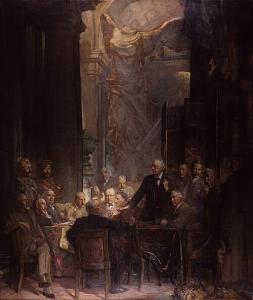
James Guthrie – Statesmen of World War I
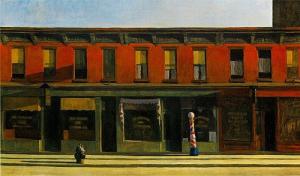
Edward Hopper – Early Sunday Morning
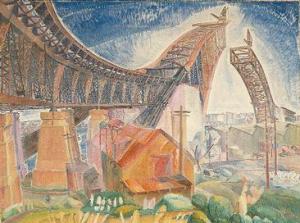
Grace Cossington Smith – The Bridge in Curve
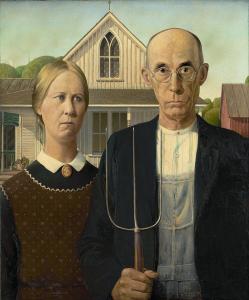
Published Music
- “Dancing on the Ceiling” w. Lorenz Hart m. Richard Rodgers
- “Georgia on My Mind” w. Stuart Gorrell m. Hoagy Carmichael
- “Get Happy” w. Ted Koehler m. Harold Arlen
- “Just a Gigolo” w. (Eng) Irving Caesar (Ger) Julius Brammer m. Leonello Casucci
Sound Recordings from 1925
- November 28, 1925 – The weekly country music radio program Grand Ole Opry is first broadcast on WSM radio in Nashville, Tennessee, as the “WSM Barn Dance”.













 Ad-Free & Subscriber Log-In