

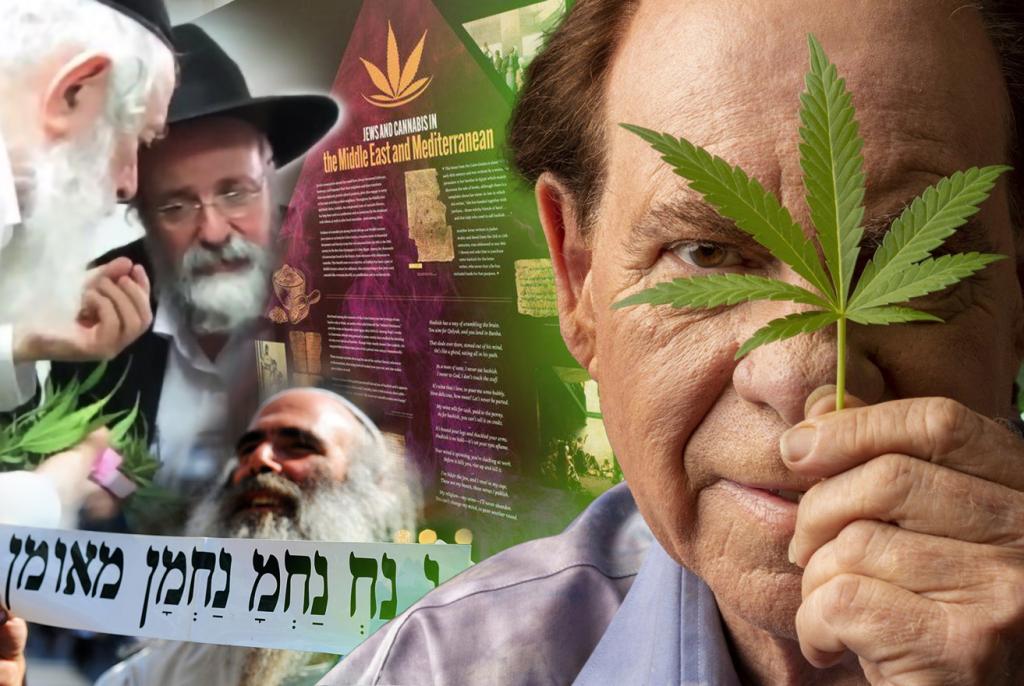
From the dawn of human culture, psychoactive plants have mediated between the human and the sacred. Mircea Eliade (1907–1986) argued in his classic Shamanism: Archaic Techniques of Ecstasy that ecstatic journeys and altered states, often induced by plant allies, formed the foundational layer of religion itself.¹
Recent research on the Eleusinian Mysteries has confirmed that Greek initiates likely ingested a psychoactive kykeon as part of their encounter with Demeter and Persephone.²
Ethnographies of Native American traditions reveal similar dynamics: Diné (Navajo) medicine men describe Peyote not as a “drug” but as “Grandfather Peyote,” a sacred relative whose ingestion restores cosmic balance and a psycho-spiritual “medicine.”³
Entheogens, Indigenous Storytelling, and the Roots of Jewish Religion
Western categories of “drug” and “medicine” obscure this reality. Entheogens do not fit neatly into either. They are not “party drugs” for hedonism, nor mere pharmaceuticals for bodily illness. They are a third category: medicines of the spirit, used ritually to align body, mind, and community with the Divine. To call Peyote, mushrooms, or cannabis “medicine” in Indigenous contexts is to name their role in restoring harmony, healing despair, and opening perception—not simply treating fevers or infections.⁴
Judaism, at its root, belongs to this Indigenous matrix. The Torah is not a “history book” in the modern sense but an Indigenous record: tribal storytelling, ritual teaching, and cosmological myth.
Just as Native American tales of the Seven Sisters (the Pleiades) teach truth beyond literalism—no one accuses the Aniyvwiya (“Cherokee”) or Tituwan of the Oceti Sakowin (“Lakota”) of “having a naive view of history”—so too Israelite stories teach through symbol, parable, and sacred narrative.⁵ The Torah’s language of oil, incense, and manna encodes a shamanic heritage that later rationalisms have often obscured.
This article recovers one crucial strand of that heritage: the entheogenic role of Qaneh Bosem (קנה בשם), long debated as an ingredient in the Shemen ha’Meshichah ha’Qodesh (Holy Anointing Oil).
The discovery of cannabis at Tel Arad in 2020 has re-opened this dossier, showing that Israelite ritual once included entheogenic sacraments. Yet Qaneh Bosem is only one substance among many. For a broader study—including manna, Temple incense, anointing oil, and Rabbi Nachman of Breslov’s psychoactive parable of ergot—see my larger work, Kosher Cannabis: The Use of Entheogenic Psychedelics in Jewish Worship and Mysticism: From Qaneh Bosem and Mannah to Anointing Oil, Temple Incense, and Rabbi Nachman’s Psychoactive Parable of Ergot.⁶
With this context in view—religion as Indigenous record, entheogens as sacraments rather than drugs, and Torah as Indigenous, even shamanic storytelling—we must now necessarily turn to a most relevant archaeological find that has reignited discussion around these matters: the discovery of Cannabis at the Jewish religious site of Tel Arad.
Tel Arad and the Return of Qaneh Bosem
In 2020, researchers publishing in Tel Aviv announced a discovery at the shrine of Tel Arad that has permanently altered the conversation about ancient Israelite ritual. There is now no question: cannabis was burned in Jewish sanctuary worship for clearly entheogenic ritual purposes.⁷ Residue analyses from two Iron Age limestone altars in the fortress shrine (ca. 760–715 BCE) identified frankincense on the larger altar and cannabis—deliberately blended with animal dung—on the smaller.⁸
The admixture is a technical clue: dung slows combustion, allowing plant material to smolder at lower temperatures and preserving psychoactive constituents such as Δ⁹-THC for inhalation.⁹
Two independent laboratories corroborated the findings. As Eran Arie, Baruch Rosen, and Dvory Namdar conclude, the dung most plausibly served as a fuel matrix to diffuse hashish’s effects throughout the confined space of the shrine. Their assessment is blunt: “This is the first known evidence of a hallucinogenic substance found in the Kingdom of Judah.”¹⁰
The Arad discovery reopens a philological dossier many had considered closed. For generations, standard lexica and commentaries dismissed the identification of Qaneh Bosem with cannabis. The Tel Arad data point, however, is much harder to ignore.
Qaneh Bosem in the Torah: From “Aromatic Reed” to Cannabis
Taken on its own terms, the Tel Arad evidence strengthens an identification long proposed on linguistic grounds: that Qaneh Bosem (קְנֵה בֹשֶׂם) in Sefer Shemot (Exodus) is cannabis. The Torah prescribes it among the ingredients of the shemen ha’Meshichah ha’Qodesh (Holy Anointing Oil; from the root m-š-ḥ, māšaḥ / meshichah, “to anoint”):
“Take for yourself choice spices: five hundred sheqels of liquid myrrh, half as much—two hundred and fifty—of fragrant cinnamon, two hundred and fifty of Qaneh Bosem, five hundred of cassia, by the sanctuary sheqel, and a hin of olive oil.” (Exodus 30:23–24)¹¹
Ve-attah qaḥ lekha besamim rosh, mor deror ḥamesh me’ot, ve-qinnamon bosem maḥatzito ḥamishim u-matayim, u-Qaneh Bosem matayim va-ḥamishim, ve-qiddah ḥamesh me’ot be-sheqel ha-qodesh, ve-shemen zayit hin.
וְאַתָּ֣ה קַ֠ח לְךָ֠ בְּשָׂמִ֨ים רֹ֜אשׁ מָר־דְּרֹ֣ור חֲמֵֽשׁ־מֵא֗וֹת וְקִנְּמָ֤ן בֶּ֙שֶׂם֙ מַחֲצִיתוֹ֙ חֲמִשִּׁ֣ים וּמָאתָ֔יִם וּקְנֵה־בֹ֖שֶׂם מָאתַ֥יִם וַחֲמִשִּֽׁים׃ וְקִדָּ֛ה חֲמֵ֥שׁ מֵא֖וֹת בְּשֶׁ֣קֶל הַקֹּ֑דֶשׁ וְשֶׁ֖מֶן זַ֥יִת הִֽין׃
Literally, Qaneh Bosem means “aromatic reed.”¹² Yet the cross-linguistic trail—Greek kánnabis, Latin cannabum, Syriac qunnappā, Arabic qunnab—is conspicuous.¹³
Sula Benet (1903–1982), also known as Sara Benetowa, argued that the very word “cannabis” reflects a Near Eastern linguistic stem that traveled west along Scythian and Median trade routes, preserving a Biblical memory in a classical term.¹⁴ While some of her diffusionism remains debated, Tel Arad now grounds her etymological argument in ritual practice, making dismissal more difficult.
Cinnamon (Qinamon Bosem) Biblically Paired As A Psychoactive Amplifier for Qaneh Bosem
The Torah’s recipe does not isolate Qaneh Bosem. It pairs it with cinnamon (Qinamon, קִנָּמוֹן), in equal measure. Modern phytochemistry clarifies the logic: both plants are rich in β-caryophyllene, a terpene that binds selectively to the CB2 cannabinoid receptor and can modulate inflammatory and analgesic pathways.¹⁵ Ethnobotanical research likewise records cinnamon as an “amplifier” in compound preparations.¹⁶
On this reading, the oil was never a mere perfume. It was targeted ritual pharmacology—cannabis as the primary psychoactive, cinnamon as its potentiator—delivered transdermally through oil saturating skin, beard, and vestments.
In the Tehillim of King David offers a vivid image of this ritual:
“Like the precious oil upon the head, running down upon the beard, the beard of Aharon, running down upon the collar of his robes.” (Tehillim 133:2)¹⁷
Ke-shemen ha-tov ʿal ha-rosh, yored ʿal ha-zaqan, zaqan Aharon, she-yored ʿal pi middotav.
כְּשֶׁ֤מֶן הַטּ֨וֹב ׀ עַל־הָרֹ֗אשׁ יֹרֵ֚ד עַל־הַזָּקָן֮ זְקַ֪ן אַֽהֲרֹ֫ן שֶׁיֹּרֵ֥ד עַל־פִּֽי־מִדּֽוֹתָיו׃
Read in light of Tel Arad, this verse becomes almost a stage direction: oil poured, oil flowing, oil permeating—a ritual of meshichah that consecrates the body for divine encounter.
Guarding the Boundaries of Entheogenic Holiness
The Torah does not only prescribe the formula of shemen ha-meshichah ha-qodesh; it also erects strict boundaries around its use. The oil, once compounded, was not to be imitated for profane purposes nor applied to ordinary persons:
“It shall not be poured upon the body of an ordinary person, and you shall not make any like it in its composition. It is holy, and it shall be holy to you. Whoever compounds any like it, or whoever puts any of it on a layman, shall be cut off from his kin.” (Shemot/Exodus 30:32–33)¹⁸
ʿAl besar adam lo yisakh, u-ve-matqanto lo taʿasu kamohu; qodesh hu, qodesh yihyeh lakhem. Ish asher yirqah kamohu va-asher yitten mimmennu ʿal zar ve-nikhrat me-ʿammav.
עַל־בְּשַׂר אָדָם לֹ֣א יִיסָ֔ךְ וּבְמַתְכֻּנְתּ֖וֹ לֹ֣א תַעֲשׂ֣וּ כָמֹ֑הוּ קֹ֣דֶשׁ ה֔וּא קֹ֖דֶשׁ יִהְיֶ֥ה לָכֶֽם׃ אִ֣ישׁ אֲשֶׁר־יַרְקִ֣חַ כָּמֹ֗הוּ וַאֲשֶׁ֤ר יִתֵּן֙ מִמֶּ֔נּוּ עַל־זָ֖ר וְנִכְרַ֥ת מֵעַמָּֽיו׃
The Talmudic sages restricted liability to counterfeit uses of divine authority. One is exempt if the oil is applied to animals or vessels, but liable if it is applied to humans in positions reserved for divine consecration:
“One who puts the anointing oil upon an animal or upon vessels is exempt, but upon a human he is liable. And this applies only to the descendants of Aharon and the Kings of the House of David.” (Qeritot 5a)¹⁹
Ha-sam shemen ha-meshichah ʿal behemah o ʿal kelim patur, aval ʿal adam ḥayyav. Ve-lo neʾemar ela ʿal benei Aharon u-malkhei beit Dawid.
השם שמן המשחה על בהמה או על כלים פטור, אבל על אדם חייב. ולא נאמר אלא על בני אהרן ומלכי בית דוד.
Here the oil is framed as a visible sign of covenantal authority. To apply it beyond its sanctioned sphere was to falsify holiness itself. Rabbinic Midrashim expand this logic into theology. Vayiqra Rabbah 10:7 draws a parallel between oil and spirit:
“As the Holy Spirit does not dwell upon one who is impure, so too the anointing oil is not placed except upon those sanctified for holiness.”²⁰
Keshem she-ha-Ruaḥ ha’Qodesh einah shorah ʿal ha-tameʾ, kakh shemen ha’meshichah eino nittan ela ʿal ha-mekudashim le-qedushah.
כשם שהרוח הקודש אינה שורה על הטמא כך שמן המשחה אינו ניתן אלא על המקודשים לקדושה.
Medieval commentators pressed the prohibition further. Rashi (1040–1105) stressed that to use the oil on a layman profanes the sacred: “To put it on a layman is to treat the holy as common, and this is why he is cut off.”²¹ Ibn Ezra (1089–1167) called such misuse “theft of divine honor.”²²
Ramban (1194–1270) argued that applying it to the unworthy fabricates false priesthood or kingship, counterfeiting the very structures of covenantal life.²³
Kabbalah elevated the stakes. The Zohar (late 13th c., Spain) declared:
“The oil of Meshichah is the secret of Chokhmah, Wisdom. From it Kings and kohenim draw. If it is given to one unfit, the Chokhmah departs and the qelipot, husks seize it.”²⁴
Shemen ha’meshichah hu sod ha’chokhmah. U’mimmennu nimshakhim melakhim ve-kohanim. Ve-im yittanenu le-she-eino raʾui, ha’chokhmah mistalleqet ve-ha’qelipot chotefot oto.
שמן המשחה הוא סוד החכמה. וממנו נמשכים מלכים וכהנים. ואם יתננו לשאינו ראוי, החכמה מסתלקת והקליפות חוטפות אותו.
Chasidic masters read this warning in eschatological key. The Maggid of Mezeritch (1704–1772) taught:
“The oil is the light of Mashiach. If it is given to one who is not chosen, he becomes a Mashiach Sheqer (False Messiah) and brings confusion into the world.”²⁵
Ha’shemen hu or ha’Mashiach. Ve-im yittenu le-mi she-eino nivḥar, naʿaseh Mashiach sheqer u-meviʾ bilbul la-ʿolam.
השמן הוא אור המשיח. ואם יתננו למי שאינו נבחר, נעשה משיח שקר ומביא בלבול לעולם.
Rabbi Tzadok Ha’Kohen of Lublin (1823–1900) made the prohibition intensely personal:
“This is why it is written that one who gives it to a layman is cut off: for he cuts himself off from the true Mashiach, seeking his own exaltation instead of awaiting God’s Anointed.” (Pri Tzaddiq, Parashat Ki Tissa)²⁶
Lefikakh neʾemar ve-nikhrat me-ʿammav, she-qotzer et atzmo min ha’Mashiach ha-amiti, mevaqesh gadlut le-atzmo ve-eino mechakeh le-Meshicho shel Elohim.
לפיכך נאמר ונכרת מעמיו, שקוצר את עצמו מן המשיח האמיתי, מבקש גדלות לעצמו ואינו מחכה למשיחו של אלוהים.
Across these layers—Torah law, Talmudic case law, Midrashic metaphor, medieval commentary, mystical cosmology, and Chasidic homily—the same consensus emerges: the oil is too potent to be secularized. To misapply it is to counterfeit holiness, fracture covenant, and risk empowering false Messiahs—Mashiachei Sheqer—False Messiahs, literally where the Christian term “Anti-Christ” Qumranically derived.
The Royal Oil: Sovereignty Without Sanctuary
In contrast to the shemen ha’Meshichah ha’Qodesh, which consecrated priests and sacred vessels, the kings of Yisraʾel were anointed with a different substance: shemen afarsimon, often identified with balsam.
Unlike the priestly oil, this royal anointing did not carry the Torah’s prohibition against imitation or profane use. Its function was dynastic and political rather than cultic, marking legitimacy rather than sanctity.
The earliest royal anointings illustrate this difference. Shaʾul, the first king of Yisraʾel, was not consecrated with Mosheh’s sacred oil but with a simple pakh, or flask in the hand of the prophet Shemuʾel:
“Shemuʾel took the flask of oil, poured it on Shaʾul’s head, and kissed him. He said: Behold, HaShem has anointed you ruler over His inheritance.” (1 Samuel 10:1)²⁷
Vayyaqqaḥ Shemuʾel et-pakh ha-shemen, vayyitsok ʿal rosho, vayyishaqqehu; vayomer halo ki meshakha Y-H-V-H ʿalekha le-nagid ʿal naḥalato.
וַיִּקַּ֣ח שְׁמוּאֵ֗ל אֶת־פַּ֙ךְ הַשֶּׁ֜מֶן וַיִּצֹ֤ק עַל־רֹאשׁוֹ֙ וַיִּשָּׁקֵ֔הוּ וַיֹּ֕אמֶר הֲלֹוא֙ כִּֽי־מְשָׁחֲךָ֣ יְהוָ֔ה עַל־נַחֲלָת֖וֹ לְנָגִֽיד
By contrast, David was anointed from a Qeren ha’Shemen, Horn of Oil, symbolizing strength and continuity:
“Fill your horn with oil and go; I am sending you to Yishai the Beth-Lehemi, for I have provided for Myself a King among his sons.” (1 Samuel 16:1)²⁸
Male et-qarnkha shemen ve-lekh; eshlaḥakha el-Yishai beit ha-laḥmi, ki raʾiti bivnav li melekh.
מַלֵּ֤א אֶת־קַרְנְךָ֙ שֶׁ֔מֶן וְלֵ֖ךְ אֶשְׁלָחֲךָ֣ אֶל־יִשַׁי֙ בֵּ֣ית הַלַּחְמִ֔י כִּ֛י רָאִ֥יתִי בְּבָנָ֖יו לִ֥י מֶֽלֶךְ׃
The rabbis drew lasting lessons from this contrast. Midrash Shmuel explains:
“All who are anointed with the horn, their kingdom endures. But all who are anointed with the flask, their kingdom does not endure.”²⁹
Kol ha-nimshakhim min ha-qeren, malkhutam mitqayyemet; ve-kol ha-nimshakhim min ha-pakh, ein malkhutam mitqayyemet.
כל הנמשחים מן הקרן מלכותם מתקיימת; וכל הנמשחים מן הפך אין מלכותם מתקיימת.
The setting of anointing also mattered. Shlomo was consecrated beside the Gihon spring, and the rabbis insisted the location was symbolic:
“Take with you the servants of your lord, and have Shlomo my son ride on my own mule, and bring him down to Gihon. There Tzadoq the priest and Natan the prophet shall Anoint or Mashach him king over Yisraʾel.” (Melekhim Alef/1 Kings 1:33–34)³⁰
Ve-hirkavtem et-Shlomo beni ʿal ha-pered asher li, ve-horadtetem oto el-Gihon. U-mashach oto sham Tzadoq ha-Kohen u-Natan ha-Navi le-melekh ʿal Yisraʾel.
וְהִרְכַּבְתֶּם אֶת־שְׁלֹמֹה בְנִי עַל־הַפֶּרֶד אֲשֶׁר־לִי וְהוֹרַדְתֶּם אֹתוֹ אֶל־גִּחוֹן. וּמָשַׁח אֹתוֹ שָׁם צָדוֹק הַכֹּהֵן וּנָתָן הַנָּבִיא לְמֶלֶךְ עַל־יִשְׂרָאֵל
The Talmud later codified this distinction in enduring terms:
“Kohanim and kings are anointed only from a horn. And kings are anointed only at a spring, so that their reign may endure.” (Horayot 11b)³¹
Ein moshḥin kohanim u-melakhim ella min ha-qeren. Ve-ein moshḥin melakhim ella ʿal ha-maʿayan, she-teheh malkhutam mitqayyemet.
אין מושחין כהנים ומלכים אלא מן הקרן. ואין מושחין מלכים אלא על המעיין, שתהא מלכותם מתקיימת
Mystical readings deepened the contrast. The Zohar (late 13th c.) linked the Qeren (Horn) with the Sefirah of Yesod, the divine channel into the Sefirah of Malkhut, while the fragile flask became a cipher for the “broken vessels” of creation. In this way, the endurance of David’s line was not merely historical but cosmic.
Yet the distinction between priestly and royal oils was never absolute. For the Zohar, both oils derive from the same hidden Wisdom and converge in their eschatological fulfillment:
“The oil of Meshichah is the secret of Chokhmah, Wisdom. From it kings and priests draw. And in the future, from it will be anointed the King Melekh Ha’Mashiach, who unites both.” (Zohar 3:88a)³²
Shemen ha-meshichah hu sod ha-ḥokhmah. U-mimmennu nimshakhim melakhim ve-kohanim. U-le-ʿatid lavo nimshakh bo Melekh ha-Mashiach ha-meʾaḥed sheneihem.
שמן המשחה הוא סוד החכמה. וממנו נמשכים מלכים וכהנים. ולעתיד לבוא נמשח בו מלך המשיח המאחד שניהם.
Thus, even in separation, priestly and royal oils were seen as tributaries of one hidden river, reserved for the Yamot Ha’Mashiach, the coming Messianic Age.
Hidden Oil and the Eschatological Hope
Rabbinic memory links the destiny of the shemen ha-meshichah not only to the sanctuary and dynasty of the past but to the final redemption. Facing the Babylonian invasion, King Yoshiyahu (r. 640–609 BCE) is said to have hidden the most sacred vessels and symbols of Israelite worship, including the anointing oil:
“Yoshiyahu hid away the Ark, the jar of manna, the staff of Aharon that budded, and the cruse of oil.” (Yoma 52b)³³
Ganzu Yoshiyahu et ha-aron ve-et tzelohit ha-man ve-et matteh Aharon she-parah ve-et tzelohit ha-shemen.
גנזו יאשיהו את הארון ואת צלוחית המן ואת מטה אהרן שפרח ואת צלוחית השמן.
The Midrash insists that this oil was never destroyed but preserved for the end of days:
“That oil of meshichah which Mosheh made in the wilderness still exists; in the future, the Holy One, blessed be He, will mashach with it the King Melekh Ha’Mashiach.” (Shemot Rabbah 36:1)³⁴
Oto shemen ha-meshichah she-ʿasah Mosheh ba-midbar, ʿadayin qayam; le-ʿatid lavo ha-Qadosh Barukh Hu moshach bo Melekh ha’Mashiach.
אותו שמן המשחה שעשה משה במדבר עדיין קיים, לעתיד לבוא הקדוש ברוך הוא מושח בו מלך המשיח.
This theme became an eschatological motif: the hidden oil was more than a cultic relic—it was the very medium of the future redemption. The author of Tehillim, traditionally David Ha’Melekh, envisions within these Psalms, the Messianic Dawn through the same symbol:
“There I will cause a horn to sprout for David; I have prepared a lamp for My anointed.” (Tehillim 132:17)³⁵
Sham atzmiʿaḥ Qeren le-Dawid; ʿarakhti ner li-meshichi.
שָׁ֚ם אַצְמִ֣יחַ קֶ֣רֶן לְדָוִ֑ד עָרַ֖כְתִּי נֵ֣ר לִמְשִׁיחִֽי׃
Here, the Qeren or horn that once held oil becomes an eschatological sign, the vessel of divine kingship yet to be revealed.
The convergence of horn, oil, and spring gave shape to a theology of permanence. To be anointed from the flask was to rule precariously; from the horn, enduringly. To be anointed at a spring was to rule with renewal. To be anointed with the hidden oil was to usher in the final redemption.
In this way, the shemen ha’Meshichah functioned not only as a ritual compound but as a symbol of eschatological hope: the promise that divine kingship, once hidden away, would return through the Mashiach.
The Parable of the Tainted Grain and the Mark on the Forehead
A popular tale in late Breslover circles recounts that Rabbi Nachman (1772–1810), when offered cannabis during his final illness, refused it and “cursed” the plant, stripping it of intoxicating power.³⁶
The story, often repeated in modern outreach, dramatizes Chasidic values: endurance over sedation, clarity over stupefaction, redemptive suffering over narcotic comfort.
Yet the historical record complicates the legend. Sichot HaRan and Liqutei Moharan describe Nachman’s tuberculosis, his relocation to Uman, and his insistence on joy and lucidity until death.³⁷ Nowhere do they mention cannabis. Scholars such as Arthur Green (b. 1941), Joseph Weiss (1918–1969), and Zvi Mark (b. 1958) confirm the silence.³⁸ The tale functions not as history but as hagiography—a parable framed to align with Breslov ethics of clarity.
This silence is striking given Nachman’s context. He lived in Ukraine’s hemp heartland, where cannabis was woven into daily life: fiber for textiles, oil for cooking, seed for “hemp milk,” and remedies for coughs and wasting diseases.
Had he condemned the plant outright, echoes would surely appear in his disciples’ writings. Instead, the legend emerged later, likely from confusion with hempseed medicine and modern caution about cannabis smoking in tuberculosis.
For mainstream Breslov, the parable buttressed sobriety: cannabis was cast as clouding the mind, and Nachman’s refusal became precedent. For the Na Nach movement, by contrast, the tale is a contested symbol.
Emerging from Rabbi Yisroel Ber Odesser’s (1888–1994) 1920s petek (“Na Nach Nachma Nachman Me’Uman”), the movement embraced ecstatic joy in city streets, often overlapping with rave culture.³⁹
Some adherents reinterpreted psychedelics as sacrament; others invoked Nachman’s “curse” as prohibition. The debate is less about cannabis itself than about spiritual authority: what counts as authentic Chasidism, and who may define Nachman’s legacy.
Thus, the “cannabis curse” is not anchored in Nachman’s own words, yet it persists as parable—used variously to warn against drugs, to affirm lucidity, or to authorize ecstatic reinterpretations.
Its imagery of a mark inscribed on consciousness resonates with biblical logic: just as the priestly oil with Qaneh Bosem marked Israel’s priests on the forehead, Nachman’s imagined curse marked his followers with sobriety. In both cases, cannabis is less a substance than a seal—boundary, identity, and sign.
Hidden Oil, Hidden Light in Breslov Thought
Beyond parable, Breslov teachings explicitly interpret oil as eschatological symbol. For Rabbi Nachman of Breslov (1772–1810), the shemen ha’Meshichah is the medium of the Hidden Light (Or ha’Ganuz), reserved for the righteous and destined to be revealed through the Mashiach:
“The secret of oil is the hidden light that was stored away for the righteous in the future. Mashiach will be mashuaḥ from this oil, and with it he will illuminate all the world.” (Liqutei Moharan I:83)⁴⁰
Sod ha-shemen hu or ha-ganuz she-nignaz la-tzaddiqim la-ʿatid lavo. U-v’shemen zeh yimshaḥ ha-Mashiach, u-vo yaʾir et kol ha-ʿolam.
סוֹד הַשֶּׁמֶן הוּא אוֹר הַגָּנוּז שֶׁנִּגְנַז לַצַּדִּיקִים לְעָתִיד לָבוֹא. וּבְשֶׁמֶן זֶה יִמָּשַׁח הַמָּשִׁיחַ, וּבוֹ יָאִיר אֶת כָּל הָעוֹלָם.
Elsewhere he taught:
“The essence of joy is through oil, for oil draws down the light of Wisdom. This is the oil of Mashiach, whose anointing brings eternal joy.” (Liqutei Moharan I:24)⁴¹
Iqqar ha-simḥah ʿal yedei shemen, she-ha-shemen mamshiḥ or ha-ḥokhmah. Zeh hu shemen ha-Mashiach, she-meshichato meviʾah simḥah nitzḥit.
עִקַּר הַשִּׂמְחָה עַל יְדֵי שֶׁמֶן, שֶׁהַשֶּׁמֶן מַמְשִׁיךְ אוֹר הַחָכְמָה. זֶה הוּא שֶׁמֶן הַמָּשִׁיחַ, שֶׁמְּשִׁיחָתוֹ מֵבִיאָה שִׂמְחָה נִצְחִית.
In Sichot HaRan (§227), Nachman added:
“The Mashiach will heal the world through the anointing oil, for oil has the power of healing in its essence.”⁴²
Ha-Mashiach yirpaʾ et ha-ʿolam ʿal yedei shemen ha-meshichah, ki koʾaḥ ha-refuʾah be-ʿetzem bo.
המשיח ירפא את העולם על ידי שמן המשיחה, כי כוח הרפואה בעצם בו
Reb Noson of Nemirov (1780–1844), Nachman’s chief disciple, made the link between concealment and revelation explicit:
“The oil is concealed in holiness until the time when the world will be able to receive it. Then it will be revealed through Mashiach, and the world will be healed and gladdened.” (Liqutei Halakhot, Hilkhot Netilat Yadayim 6:74)⁴³
Ha’shemen nignaz be’qedushah ʿad she-yukhal ha-ʿolam le-qabbel oto. Az nigleh ʿal yedei ha’Mashiach, ve-haʿolam mitrappe u-mismāḥ.
השמן נגנז בקדושה עד שיוכל העולם לקבל אותו. אז נגלה על ידי המשיח, והעולם מתרפא ומשמח.
For Breslovers, then, oil is not a relic but a reservoir—of light, wisdom, joy, and healing—hidden now, to be revealed only in the Yamot Ha’Mashiach.
Rambam on Qaneh Bosem and Qinnamon Bosem: Law, Medicine, and Clarity
Moses ben Maimon (Rambam, 1138–1204) operated in two intellectual registers. In his halakhic codes he used the Hebrew of the Torah; in his medical writings he relied on the Judeo-Arabic of Greco-Islamic science. The difference of register is revealing, especially in how he treated cinnamon (qinnamon bosem) and cannabis (qaneh bosem).
In Mishneh Torah (Hilkhot Klei Ha’Mikdash 2:4–5), Rambam codifies the composition of the shemen ha-meshichah:
“Five hundred sheqels of myrrh, two hundred and fifty of qinnamon bosem, two hundred and fifty of qaneh bosem, five hundred of cassia, and a hin of olive oil.”⁴⁴
Ve-ha-mishḥah she-ʿasah Mosheh Rabbeinu, hayetah be-middah zo: ḥamesh me’ot sheqel mor, u-maḥatzito ḥamesh me’ot qinnamon bosem, u-maḥatzito ḥamesh me’ot qaneh bosem, va-ḥamesh me’ot qiddah, ve-hin shemen zayit.
וְהַמִּשְׁחָה שֶׁעָשָׂה מֹשֶׁה רַבֵּנוּ, הָיְתָה בְּמִדָּה זוֹ: חֲמֵשׁ מֵאוֹת שֶׁקֶל מֹר, וּמַחֲצִיתוֹ חֲמֵשׁ מֵאוֹת קִנָּמוֹן בֹּשֶׂם, וּמַחֲצִיתוֹ חֲמֵשׁ מֵאוֹת קְנֵה בֹשֶׂם, וַחֲמֵשׁ מֵאוֹת קִדָּה, וְהִין שֶׁמֶן זַיִת.
Here he offers no gloss, no botanical clarification. Where Rambam anticipated confusion, he normally explained carefully. His silence suggests that both qinnamon and qaneh bosem were, for him, clear and undisputed in their identities.
The picture sharpens in his medical works. In Judeo-Arabic, Rambam referred to cinnamon as qirfa (قِرْفَة) or daar sini (“Chinese bark”), and to cannabis as qanbus (قَنبوس). The equivalence is straightforward: qinnamon bosem is qirfa; qaneh bosem is qanbūs. He never states it explicitly—because for him, it needed no clarification. His silence in the halakhic code is therefore eloquent: the identification was settled.
The Rambam’s permissive stance emerges in his prescriptions. In Medical Aphorisms (vol. 3), he prescribes cannabis oil for ear infections (in Judeo-Arabic):
“And in pain of the ear… cannabis oil should be applied there.”⁴⁵
wa-fi awjaaʿ al-udhun… yudhal hunaaka bi-zayt al-qanbus
וְפִי אוּגַ’אע אלְאֻדְ’ן… יוּדְהַל הֻנַאכַּ בִּזֵית אלקַנְבּוּס
وَفِي أَوْجَاعِ الأُذُن… يُدْهَلُ هُنَاكَ بِزَيْتِ الْقَنْبُس
In On Hemorrhoids he prescribes the same for inflammation (also in Judeo-Arabic):
“To reduce swelling, one applies medicaments… among them, cannabis oil.”⁴⁶
yuḍaʿ li-t-tawarrom adwiya… minhaa duhn al-qanbus
יוּדַע לִלְתַּוַרֻּם אַדְוִיָּה… מִנְהָא דֻהְן אלקַנְבּוּס
يُوضَع لِلتَّوَرُّم أَدْوِيَة… مِنْهَا دُهْن القنبوس
He even includes qanbus as an agricultural crop in his Perush ha-Mishnayot (Qilayim 2:5), treating it like wheat or barley, subject to the rules of mixtures.⁴⁷
These texts leave little doubt: Rambam accepted cannabis as legitimate medicine and as a standard crop. What he opposed was not the plant itself but intoxication. In Mishneh Torah, Hilkhot Deʿot 5:3, he warns:
“Intoxication… leads to folly and destroys wisdom.”⁴⁸
Ha-shikkarut… mevi li-dei sikhlut u-meʾabbed ha’chokhmah.
הַשִּׁכָּרוּת … מְבִיא לִידֵי שִׁכְלוּת וּמְאַבֵּד הַחָכְמָה
Here the issue is not chemistry but clarity. Any substance, including wine, that clouds perception is forbidden when used in such a manner. Without question, cannabis is not inherently stupefying. Used as medicine, or even in contemplative focus, it need not lead to shikkur (drunken confusion).
This silence is striking. Rambam was famously meticulous. When he saw halakhic danger, he warned explicitly. That he never prohibited contemplative or entheogenic use of cannabis implies he did not see it as inherently problematic. What mattered was whether it led to clarity or to folly.
Later Jewish mystical traditions resonate with this stance. Just as Chasidic practices of hitbodedut (solitary prayer) or chant sought altered states in service of clarity, Rambam’s categories leave room for plant use aimed at prayer or meditation. What he condemned was stupefaction; what he permitted was healing. What he left open—it would seem quite deliberately—was the possibility that cannabis could serve clarity itself.
Qaneh Bosem Between Past and Future
The discovery at Tel Arad has reopened an ancient dossier. Residues of cannabis on the altar compel a fresh reading of Qaneh Bosem (קנה בשם) in Exodus 30. Far from being a mere aromatic reed, the philological trail from Hebrew to Greek kánnabis (κάνναβις), Latin cannabum, Syriac qunnappā (ܩܘܢܢܐܦܐ), and Arabic qunnab (قُنَّب). makes the identification with cannabis increasingly compelling. Archaeology now supplies the cultic context that philology had long suggested.
Yet the oil was never only a matter of botany. The Torah prescribed its formula with precision and hedged it with prohibition, insisting that it was not to be poured on lay flesh nor replicated for common use. Talmud and Midrash expanded these prohibitions into theology, equating the oil with divine authority itself.
Medieval exegetes framed misuse as theft of God’s honor or fabrication of false priesthood. Kabbalah raised the stakes further, casting the shemen ha’Meshichah as the secret of Wisdom whose misuse empowered demonic husks. As we have seen, Chasidic masters warned that to anoint the unworthy was to create a false messiah—Mashiach Sheqer.
Alongside this priestly oil stood the royal oil of balsam. The rabbis contrasted flask and horn, dry vessel and flowing spring, fragile reign and enduring dynasty. Shlomo’s anointing at Gihon, David’s from the horn, and Shaʾul’s from the flask became enduring symbols of legitimacy. Mystical sources, however, insisted that priestly and royal oils shared a common source, converging in the eschatological anointing of the Melekh Ha’Mashiach.
The memory of Yoshiyahu concealing the sacred oil linked cult to apocalypse. Midrash promised that the oil would return, poured again upon the head of the Redeemer. Psalms sang of a horn sprouting for David, a lamp prepared for the anointed.
Chasidic thought made this eschatology personal. For Rabbi Nachman, oil was the hidden light reserved for the righteous, destined to heal and gladden the world through Mashiach. Even the modern parable of cannabis refusal reflects this continuity: oil as clarity, cannabis as contested sign, both functioning as seals upon identity.
Rambam’s voice, read in this light, is striking. In halakhah, he codified qaneh bosem without gloss, assuming its clarity. In medicine, he prescribed qanbūs freely for pain, swelling, and cultivation. His only prohibition was against stupefaction, not against the plant itself. This silence left open the possibility of its contemplative use, aligning halakhic clarity with mystical practice.
Taken together, these strands trace a remarkable arc. Cannabis enters Israelite ritual as Qaneh Bosem, sanctified in the shemen ha’Meshichah. Rabbinic law guards it with prohibition, Kabbalah and Chasidism elevate it into symbol, Rambam prescribes it as medicine, and archaeology confirms its cultic role. Symbolically “hidden away” with Yoshiyahu, the Cinnamon-amplifed Qaneh Bosem remains a symbol of eschatological hope.
But Qaneh Bosem is only one part of a larger story. Other sacraments—mannah in the wilderness, the Temple’s incense blend, the psychoactive potential of the anointing oil, and Rabbi Nachman’s parable of ergot—await exploration. These, too, are threads of a Jewish entheogenic heritage, preserved in symbol, parable, and ritual.
For readers who wish to pursue the full tapestry, see my broader study, Kosher Cannabis: The Use of Entheogenic Psychedelics in Jewish Worship and Mysticism: From Qaneh Bosem and Mannah to Anointing Oil, Temple Incense, and Rabbi Nachman’s Psychoactive Parable of Ergot.⁴⁹
If you found this work edifying, clarifying, or constructive, please DONATE NOW to support it. My research, writing, and reconciliation-centered activism—grounded in doctoral research on the persistence of Jewish–Muslim reconciliatory activism under conditions of threat and informed by my lineage as a direct descendant of Rabbi Nachman of Breslov—are produced under the Hashlamah Project Foundation, a U.S. 501(c)(3) nonprofit (EIN 46-2581650); reader support directly sustains independent scholarship and durable reconciliation work, and sharing, commenting on, and forwarding this piece also meaningfully helps. Learn more at https://aura.antioch.edu/etds/542/, https://hashlamah.com, and https://hashlamah.co.il
Donation options:
CashApp: $MicahNaziri
Venmo: Micah-Naziri
Zelle: 937-671-8334
PayPal: [email protected]
Endnotes
- Mircea Eliade, Shamanism: Archaic Techniques of Ecstasy (Princeton: Princeton University Press, 1964).
- Carl A. P. Ruck, Blaise Daniel Staples, Clark Heinrich, et al., The Road to Eleusis: Unveiling the Secret of the Mysteries (San Diego: Harcourt Brace, 1978).
- Omer C. Stewart, Peyote Religion: A History (Norman: University of Oklahoma Press, 1987), 28–32.
- Huston Smith, “Psychoactive Sacraments in Religion: An Overview,” Journal of Psychoactive Drugs 23, no. 1 (1991): 15–21.
- Keith Basso, Wisdom Sits in Places: Landscape and Language among the Western Apache (Albuquerque: University of New Mexico Press, 1996), 42–47.
- Micah Ben David Naziri, The Use of Entheogenic Psychedelics in Jewish Worship and Mysticism: From Qaneh Bosem and Mannah to Anointing Oil, Temple Incense, and Rabbi Nachman’s Psychoactive Parable of Ergot (forthcoming, 2025).
- Eran Arie, Baruch Rosen, and Dvory Namdar, “Cannabis and Frankincense at the Judahite Shrine of Arad,” Tel Aviv 47, no. 1 (2020): 3–28.
- Ibid., 6–8.
- Ibid., 12–13.
- Ibid., 24.
- Exodus 30:23–24.
- Francis Brown, S. R. Driver, and Charles A. Briggs, A Hebrew and English Lexicon of the Old Testament (Oxford: Clarendon Press, 1906), s.v. “קָנֶה.”
- Alfred Ernout and Antoine Meillet, Dictionnaire étymologique de la langue latine (Paris: Klincksieck, 1959), s.v. “cannabis.”
- Sula Benet (Sara Benetowa), “Early Diffusion and Folk Uses of Hemp,” in Book of Grass, ed. Allen Ginsberg (New York: Grove Press, 1967), 15–22.
- Jürg Gertsch, Mario Leonti, Stephanie Raduner, et al., “Beta-Caryophyllene Is a Dietary Cannabinoid,” Proceedings of the National Academy of Sciences 105, no. 26 (2008): 9099–9104.
- Efraim Lev and Zohar Amar, Practical Materia Medica of the Medieval Eastern Mediterranean: According to the Cairo Genizah (Leiden: Brill, 2008), 211.
- Psalms 133:2.
- Exodus 30:32–33.
- Babylonian Talmud, Keritot 5a (Vilna ed.).
- Vayiqra Rabbah 10:7.
- Rashi (Shlomo Yitzḥaqi, 1040–1105) on Exodus 30:32.
- Abraham Ibn Ezra (1089–1167) on Exodus 30:32.
- Ramban (Nachmanides, 1194–1270) on Exodus 30:32.
- Zohar III:88a (late 13th c., Castile).
- Dov Baer, the Maggid of Mezeritch (1704–1772), oral teaching cited in early Chasidic collections.
- Rabbi Tzadok HaKohen of Lublin (1823–1900), Pri Tzaddiq, Parashat Ki Tissa (Jerusalem: Makhon Tzofnat Paʿne’aḥ, 1976).
- 1 Samuel 10:1.
- 1 Samuel 16:1.
- Midrash Shmuel 13:4.
- 1 Kings 1:33–34.
- Babylonian Talmud, Horayot 11b.
- Zohar III:88a.
- Babylonian Talmud, Yoma 52b.
- Shemot Rabbah 36:1.
- Psalms 132:17.
- Oral tradition in late Breslov circles, cited in modern Chasidic outreach.
- Rebbe Nachman of Breslov, Sichot HaRan (Breslov Research Institute ed., 1980); idem, Liqutei Moharan (Jerusalem: Mekhon Moharan, 1990).
- Arthur Green, Tormented Master: The Life and Spiritual Quest of Rabbi Nachman of Bratslav (University of Alabama Press, 1979); Joseph Weiss, Studies in Bratslav Chasidism (Jerusalem: Magnes Press, 1974); Zvi Mark, Mysticism and Madness: The Religious Thought of Rabbi Nachman of Bratslav (London: Continuum, 2009).
- Na Nach tradition from Rabbi Yisroel Ber Odesser (1888–1994), petek of the 1920s.
- Rebbe Nachman of Bratslav, Liqutei Moharan I:83.
- Ibid., I:24.
- Rebbe Nachman of Bratslav, Sichot HaRan §227.
- Reb Noson of Nemirov (1780–1844), Liqutei Halakhot, Hilkhot Netilat Yadayim 6:74.
- Rambam (Moses Maimonides, 1138–1204), Mishneh Torah, Hilkhot Klei HaMikdash 2:4–5.
- Rambam, Medical Aphorisms of Moses Maimonides, vol. 3, ed. and trans. Gerrit Bos (Leiden: Brill, 2019).
- Rambam, On Hemorrhoids, trans. Gerrit Bos (Leiden: Brill, 2018).
- Rambam, Perush ha-Mishnayot, Kilayim 2:5, ed. Yosef Kafih (Jerusalem: Mossad Harav Kook, 1963).
- Rambam, Mishneh Torah, Hilkhot Deʿot 5:3.
- Micah Ben David Naziri, The Use of Entheogenic Psychedelics in Jewish Worship and Mysticism: From Qaneh Bosem and Mannah to Anointing Oil, Temple Incense, and Rabbi Nachman’s Psychoactive Parable of Ergot (forthcoming, 2025).
Bibliography
- Arie, Eran, Baruch Rosen, and Dvory Namdar. “Cannabis and Frankincense at the Judahite Shrine of Arad.” Tel Aviv 47, no. 1 (2020): 3–28.
- Basso, Keith. Wisdom Sits in Places: Landscape and Language among the Western Apache. Albuquerque: University of New Mexico Press, 1996.
- Benet, Sula (Sara Benetowa). “Early Diffusion and Folk Uses of Hemp.” In Book of Grass, edited by Allen Ginsberg, 15–22. New York: Grove Press, 1967.
- Brown, Francis, S. R. Driver, and Charles A. Briggs. A Hebrew and English Lexicon of the Old Testament. Oxford: Clarendon Press, 1906.
- Eliade, Mircea. Shamanism: Archaic Techniques of Ecstasy. Princeton: Princeton University Press, 1964.
- Ernout, Alfred, and Antoine Meillet. Dictionnaire étymologique de la langue latine. Paris: Klincksieck, 1959.
- Gertsch, Jürg, Mario Leonti, Stephanie Raduner, et al. “Beta-Caryophyllene Is a Dietary Cannabinoid.” Proceedings of the National Academy of Sciences 105, no. 26 (2008): 9099–9104.
- Green, Arthur. Tormented Master: The Life and Spiritual Quest of Rabbi Nachman of Bratslav. University of Alabama Press, 1979.
- Lev, Efraim, and Zohar Amar. Practical Materia Medica of the Medieval Eastern Mediterranean: According to the Cairo Genizah. Leiden: Brill, 2008.
- Maimonides, Moses (Rambam). Mishneh Torah. Edited by Shabse Frankel. Jerusalem: Frankel Institute, 1973–.
- ——. Medical Aphorisms of Moses Maimonides. Edited and translated by Gerrit Bos. Leiden: Brill, 2019.
- ——. On Hemorrhoids. Translated by Gerrit Bos. Leiden: Brill, 2018.
- ——. Perush ha-Mishnayot. Edited by Yosef Kafih. Jerusalem: Mossad Harav Kook, 1963.
- Mark, Zvi. Mysticism and Madness: The Religious Thought of Rabbi Nachman of Bratslav. London: Continuum, 2009.
- Nachman of Bratslav. Liqutei Moharan. Jerusalem: Breslov Research Institute, 1989.
- ——. Sichot HaRan (Rabbi Nachman’s Wisdom). Jerusalem: Breslov Research Institute, 1992.
- Nosson of Nemirov (Reb Noson). Liqutei Halakhot. Jerusalem: Kehot, 1992.
- Ruck, Carl A. P., Blaise Daniel Staples, Clark Heinrich, et al. The Road to Eleusis: Unveiling the Secret of the Mysteries. San Diego: Harcourt Brace, 1978.
- Smith, Huston. “Psychoactive Sacraments in Religion: An Overview.” Journal of Psychoactive Drugs 23, no. 1 (1991): 15–21.
- Stewart, Omer C. Peyote Religion: A History. Norman: University of Oklahoma Press, 1987.
- Weiss, Joseph. Studies in Bratslav Chasidism. Jerusalem: Magnes Press, 1974.
- The Zohar. Translated by Daniel C. Matt. Stanford: Stanford University Press, 2004–17.












 Ad-Free & Subscriber Log-In