WILLS POINT, TX — A shocking number of adults around the world can’t read or write even a simple sentence, says mission agency GFA World (www.gfa.org) as it marks International Literacy Day, Sept. 8.
According to the United Nations’ education agency UNESCO, approximately 773 million adults worldwide — equal to more than twice the population of the U.S. — lack basic literacy skills.
Most of them are women, reports Texas-based Christian organization GFA World.
LITERAL CRISIS: Around 773 million adults worldwide — equal to more than twice the population of the U.S. — can’t read or write. The magnitude of the crisis is difficult to grasp, says GFA World (www.gfa.org) on International Literacy Day, Sept. 8.
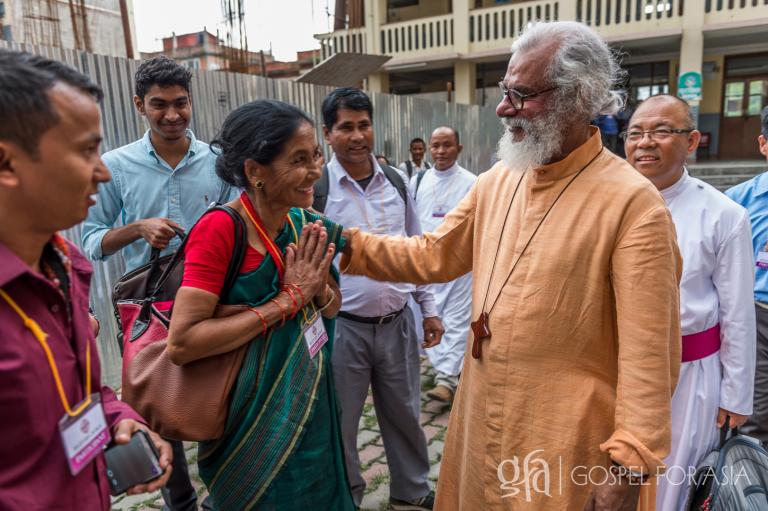
“The magnitude of this crisis is difficult for us to grasp in developed countries where free literacy education is readily available,” said K.P. Yohannan, also known as Metropolitan Yohan, founder of GFA World. “Yet the reality is that millions of adults around the world can’t read or write, magnifying the struggles of almost every aspect of life.”
The organization provides literacy classes for thousands of the world’s poorest adults and children.
Writing First Letters
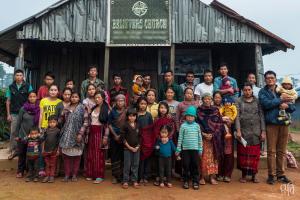
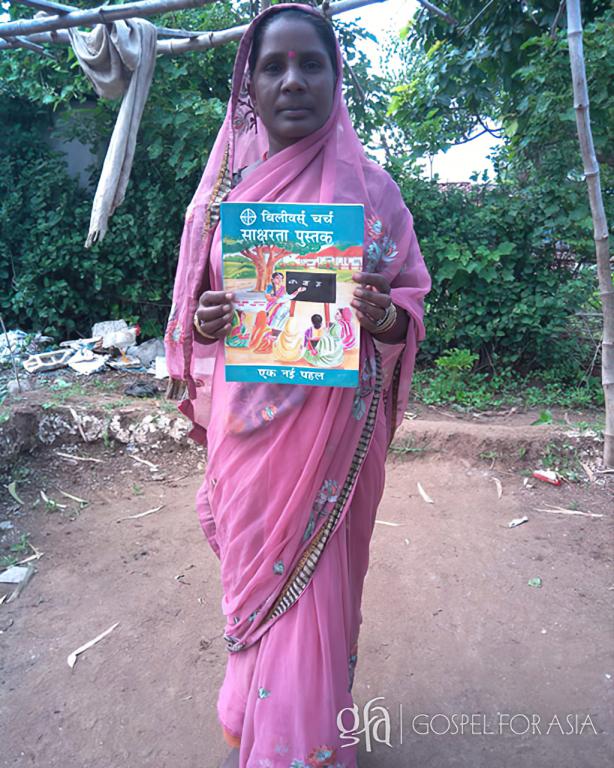
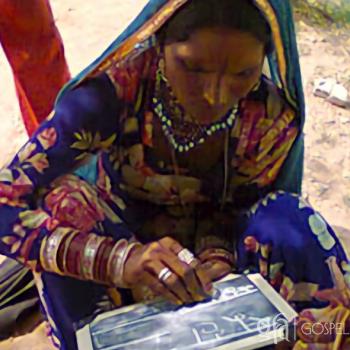
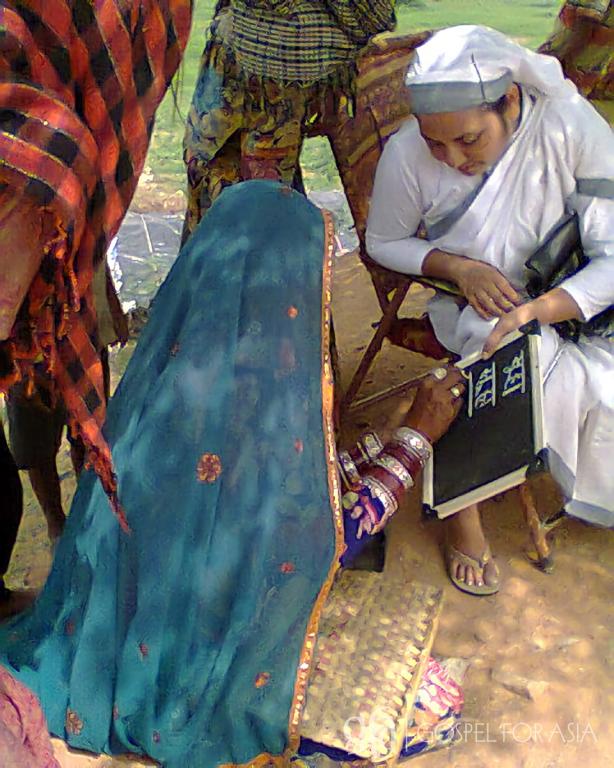
In some of the most remote places on earth, GFA World is giving men and women who had no chance to go to school the opportunity to learn to read and write, and for many students, their slates in hand, these are the first letters they’ve ever written.
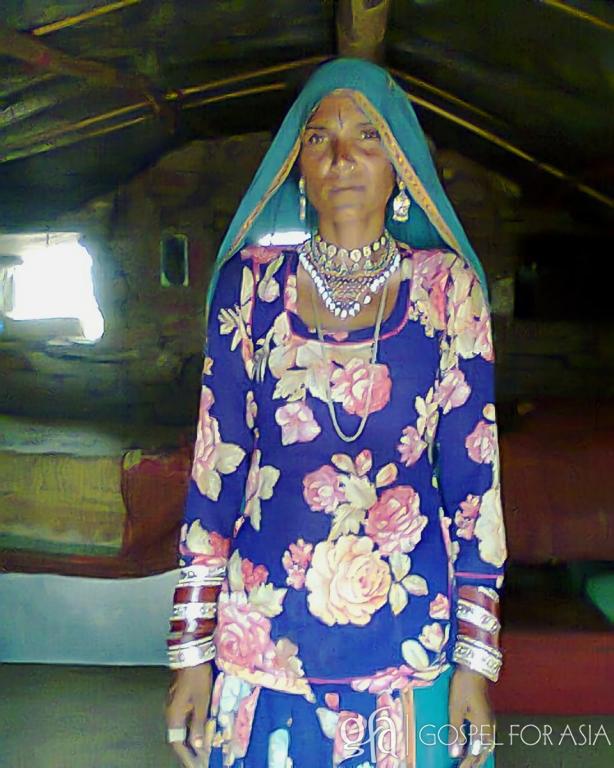
“Due to lack of money, I could not study in my childhood,” said one woman who is learning to read and write at a GFA-supported church-based literacy center in Asia. “I’m thankful to the leaders of the church for starting (classes) here,” she said.
Learning to read and write builds a sense of self-worth and achievement, and prepares adults for better employment opportunities in the future so they’re not resigned to menial labor and a hand-to-mouth existence. It also provides safeguards against financial exploitation and safety hazards, allowing them to help their family navigate daily life and ultimately thrive.
“This is a way we can show the world’s most marginalized people that they’re of tremendous value to God, that he loves them dearly and cares about their future,” Yohannan said.
“International Literacy Day puts the focus on the crisis of adult illiteracy and calls us to take action now,” he added.
About GFA World (Gospel for Asia)
GFA World (formerly Gospel for Asia) is a leading faith-based global mission agency, helping national workers bring vital assistance and spiritual hope to millions across the world, especially in Africa and Asia, and sharing the love of God. In a typical year, this includes thousands of community development projects that benefit downtrodden families and their children, free medical camps conducted in more than 880 villages and remote communities, over 4,800 clean water wells drilled, over 12,000 water filters installed, income-generating Christmas gifts for more than 163,000 needy families, and teaching to provide hope and encouragement in 110 languages in 14 nations through broadcast ministry. GFA World has launched programs in Africa, starting with compassion projects in Rwanda. For all the latest news, visit the Press Room at https://gfanews.org/news/.
Learn more about the GFA Women’s Literacy Program. There are over 250 million women in Asia who are illiterate. Even if they want to read, there is no way to learn . . . until now. With your help, women in Asia can learn to read and will be equipped to tackle life’s hurdles.
WILLS POINT, TX – GFA World (Gospel for Asia) founded by K.P. Yohannan, has been the model for numerous charities like GFA World Canada, to assist the poor and deprived worldwide, issued this first part of a Special Report on the unstoppable compassion force of national missionary workers.
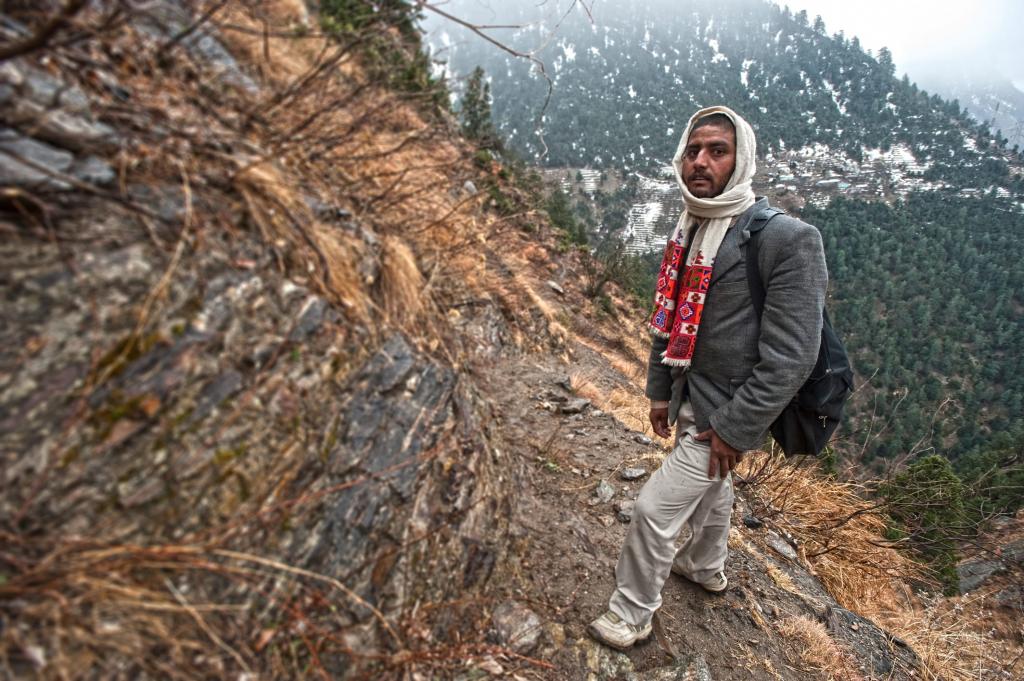
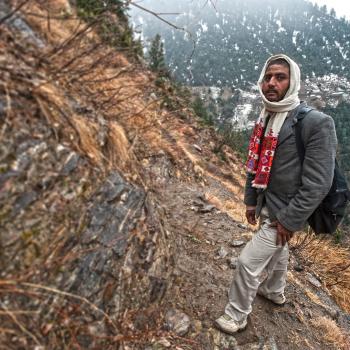
To help a village on top of a Himalayan mountain, this Gospel for Asia (GFA) national worker rode a bus for hours, then hiked uphill for three hours more, to show the love of Jesus by meeting their practical needs.
A young Asian woman wearing a white robe and head covering cradles an elderly woman’s feet that are horribly deformed by leprosy and gently washes them in a bowl of water.
The old woman can scarcely believe someone is touching her, caring for her, loving her. Most people would recoil from this woman and avoid the leprosy colony where she lives. The colony is a place of disease, disfigurement and disability. Its residents are used to being treated as outcasts by others and viewed as cursed. They are used to their deformed bodies being seen as objects of ugliness.
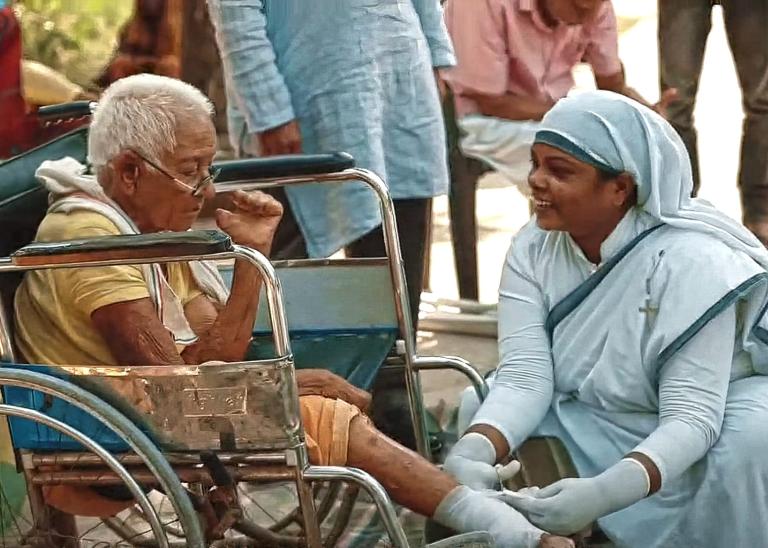
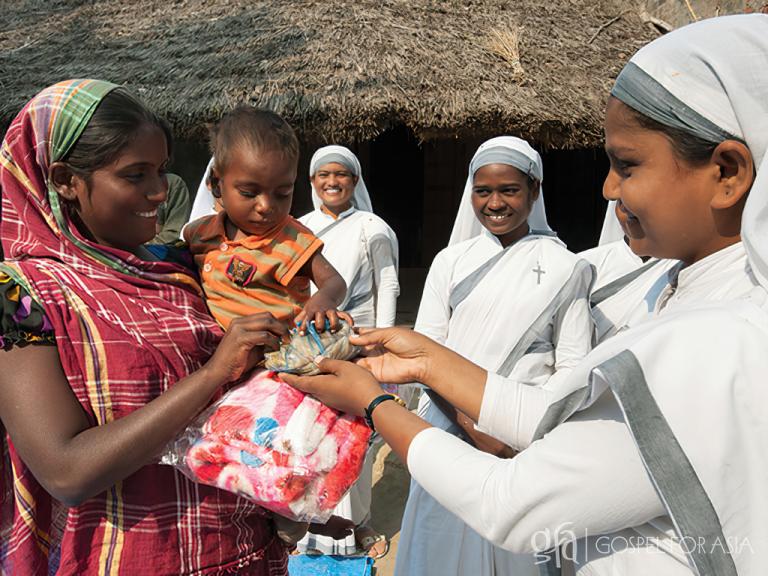
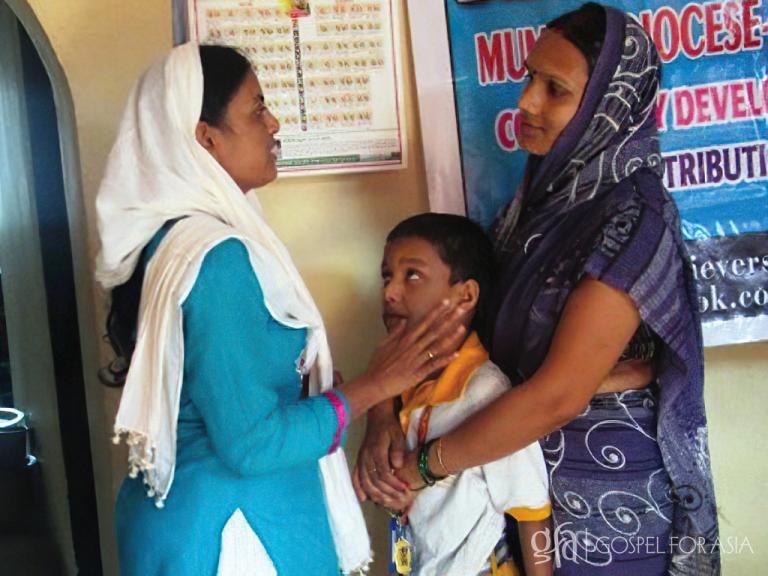
Geeta (pictured), a Sister of Compassion, works in a leprosy colony where 30 families live. Many of the residents are unable to work, so the Sisters visit regularly to encourage them, clean their wounds, cut their hair and trim their nails, give them baths, wash their clothes, clean their houses and cook for those who are unable to do so themselves.
But to the young woman dressed in white, these feet are beautiful.
She and her companions, known as Sisters of Compassion, come here regularly to clean wounds, cut hair and trim nails. They see beauty amid the truncated limbs and deeply scarred bodies that few are willing to look upon, let alone touch.
As locals and neighbors, the Sisters fully understand the culture and customs into which they pour their compassion. They appreciate and respect the historical and religious traditions, speak the local language and know the nuances of the dialect. And they’re specially trained in leprosy wound care and family counseling.
To all this, they add the unspoken language of Christ’s love.
“We do all this because of the love of God,” says Geeta, one of the Sisters trained to care for people with leprosy.
No one else could have the impact these women are having on their own people, often their own neighbors. Their roots of love go deep, and their branches of compassion reach into places where no one else goes.
While their long white robes, known as saris, might appear like unusual attire to Western eyes, the significance in South Asia is huge. The Sisters’ simple handspun uniform mirrors the traditional sari once worn by the lowliest of servants in Asia. It says to the old woman whose body has been disfigured with leprosy: “I am here to serve you. I see your worth.”
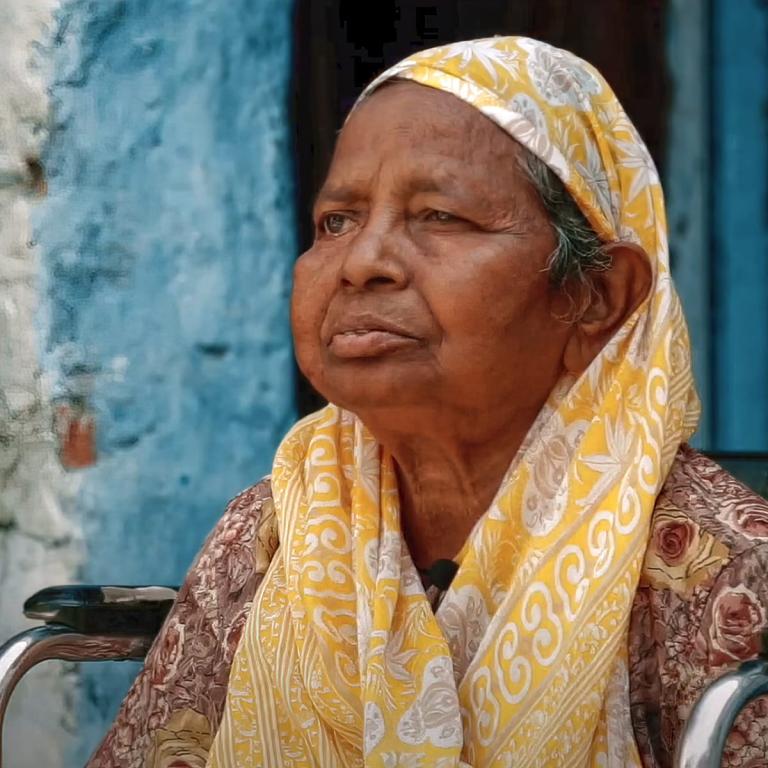
People like Mungeli Das (above) receive help from the Sisters of Compassion. Says Geeta: “If we didn’t help them, no one would have served them or taken care of them … they would die without any hope. Whether it’s a literacy class or cleaning their wounds, we do all of this because of the love of God.”
Mungeli Das, who contracted leprosy as a little girl more than 50 years ago, was treated for five years, then cured. Because of the deformity left by the disease, the leprosy colony has been her home for decades. She clings to the help and hope that the Sisters of Compassion bring her. The Sisters follow the example of Jesus who, according to the gospels, touched and healed those, like Mungeli, with leprosy.
“Before the Sisters came, there was no one to help trim our hair, cut our nails or help us clean our houses and encourage us,” Mungeli says. “The Sisters help us by cleaning our wounds, and they make us happy and encouraged [us] all the time.”
In places where outsiders, foreigners and foreign mission workers are prohibited or restricted, national workers and national missionaries have much more opportunity to serve. These women and men are welcomed and considered trustworthy counselors and friends of the community.
Outsiders may come and go. But national missionaries, such as GFA World’s Sisters of Compassion, stand the test of time.
“Each woman who serves as a Sister of Compassion is full of sacrificial love, just like Jesus,” explains Gospel for Asia (GFA World). “They do the most unglamorous things, such as bathing someone … or feeding people who’ve been affected by leprosy [and] no longer have any fingers [to] feed themselves.”
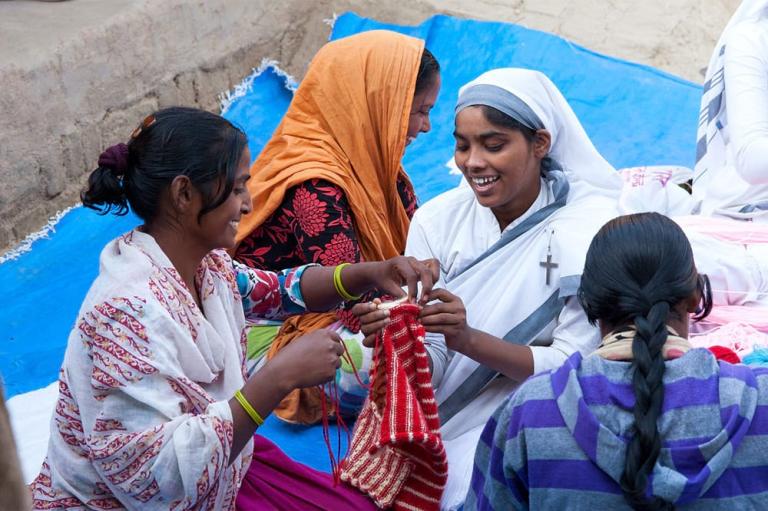
Teaching practical skills to help struggling women make a living is just one of the many things Sisters of Compassion do as they serve their communities. In all they do, these national missionaries demonstrate the love of Jesus for the poor and impoverished.
Unsung Heroes of the Frontline
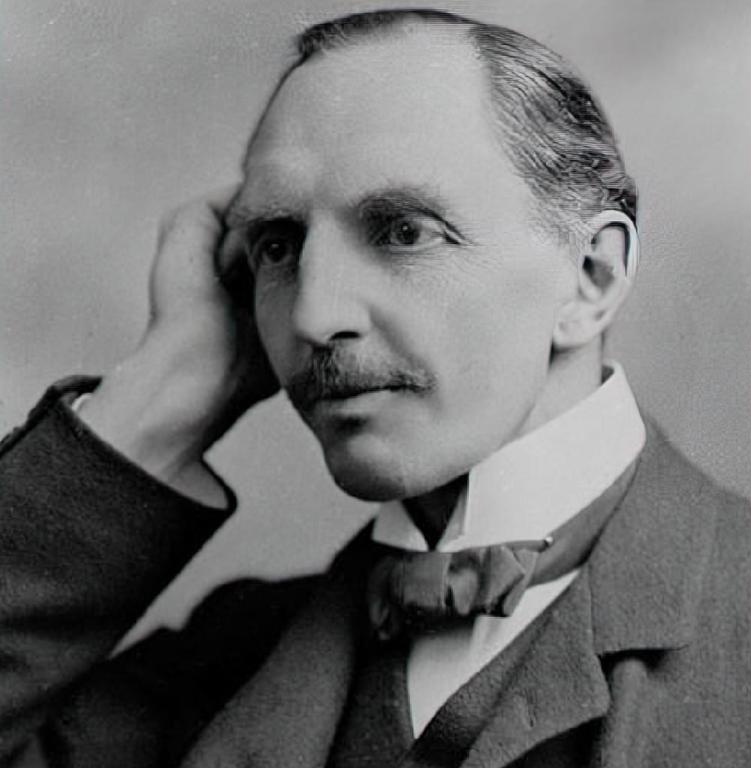
CT Studd was a foreign missionary to China, India, Sudan and the Congo who said: “Nothing in this world would last, but it was worthwhile living for the world to come.”
While Western workers often venture to far-flung places and do amazing things, it’s the unsung heroes of the frontline—the local, indigenous people—who consistently make the greatest impact and bring true transformation to their own communities.
In the past, missions trailblazers like William Carey from England in the 1700s, and C.T. Studd in the late 1850s and early 1900s, paved the way for swarms of foreign missionaries and humanitarian workers, mostly from Western countries.
But the tide has changed.
National workers are the “new pioneers” of the 21st century, and they’re proving to be an unstoppable compassion force.
Beauty of Local Mission Workers
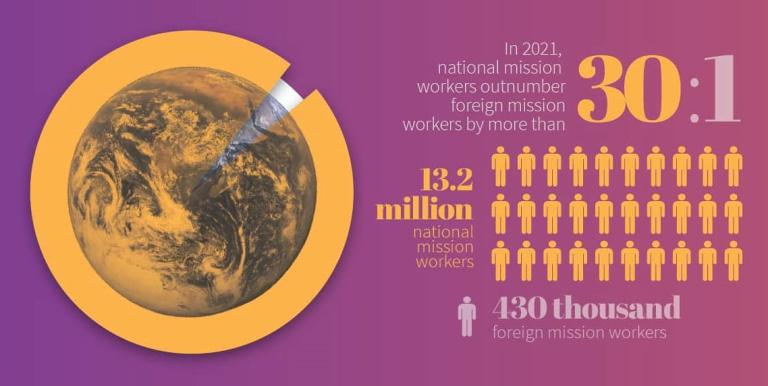
On a worldwide scale, according to the Center for the Study of Global Christianity (CSGC), there were 430,000 foreign mission workers overseas in 2021, compared with 13.2 million national workers (local citizens).
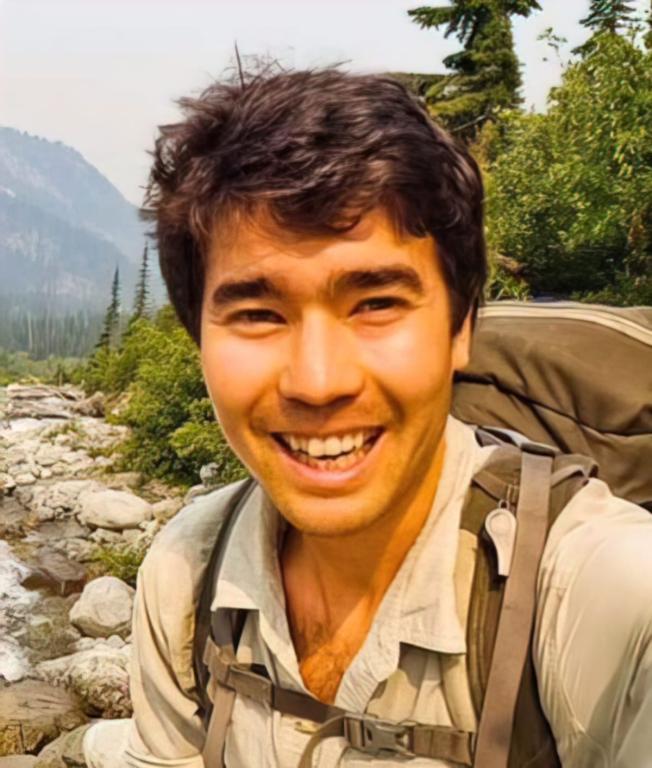
John Allen Chau was an American missionary killed by the Sentinelese, a self-isolated people, after illegally travelling to North Sentinel Island in an effort to preach to them.
That means national mission workers—those serving within their own culture and nation—now outnumber foreign workers by more than 30 to 1.
The CSGC predicts the number of national mission workers globally will explode to 17 million by 2050, while the number of foreign workers will increase to 600,000.
To be sure, Western Christians are still drawn to overseas missions in large numbers. But the exporting of expatriates to distant foreign fields can come at a high cost, potentially hindering progress.
In extreme cases, the quest of well-meaning foreigners with a zeal to exercise their faith and do good can end in tragedy, as in the headline-making case of a U.S. mission worker in 2018.
While attempting to make contact with the “unreached” indigenous people of North Sentinel Island, an isolated island in the Bay of Bengal, it’s believed David Allen Chau was speared to death. As of the date this article was published, his body had not been recovered.
Chau’s death was tragic and highlights the very real dangers facing non-nationals in remote areas. But it’s not only the safety of foreigners that’s an issue. It’s also the cost in dollars of sending Western workers and keeping them in their overseas assignment.
Counting the Cost of Foreign Workers vs National Workers
Missions Fest International, an annual global missions conference, spotlighted the financial cost of “sending” a Western mission worker compared with the cost of supporting a national worker in a provocative article on its website titled “Should We Stop Sending Missionaries?”
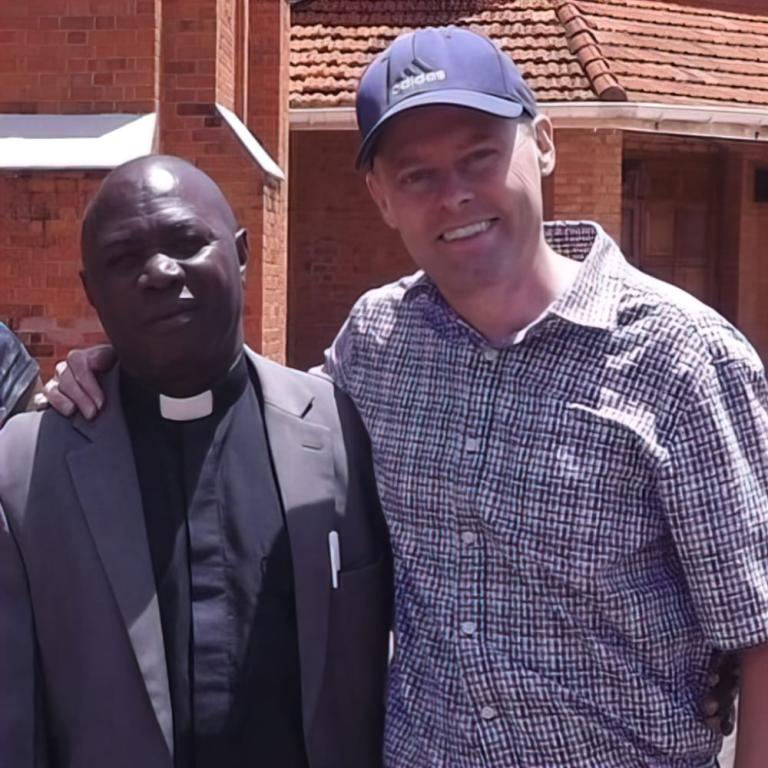
Author Julian Lukins, pictured in Kampala, Uganda, with archdeacon Stephen Kaziro of the Church of Uganda who oversees dozens of village churches, including several that also act as local health clinics in the rural Namutumba district.
While stating there’s still a great need and important role for foreign workers in many parts of the world, the article points out it typically costs more than $50,000 a year to support a Western family in a developing nation such as Africa and Asia—an annual sum that could help support more than 50 national workers, the article says. For example, based on my personal experience in Uganda, an American family of four living in Africa might pay $1,000 a month for expat health insurance coverage that includes emergency medical evacuation. Because of security issues, they might have to live in a secure compound at high rent and pay hundreds of dollars every month for guards 24/7. Legal paperwork and visas can cost hundreds, even thousands, of dollars every year.
Run the numbers and it’s perhaps no surprise, then, that national workers—willing and able to live far simpler and free of immigration restrictions—are increasingly seen as a wise investment.
More than 140 organizations “are now built on the premise of gathering and sending money [to support national workers], not people,” the article says.
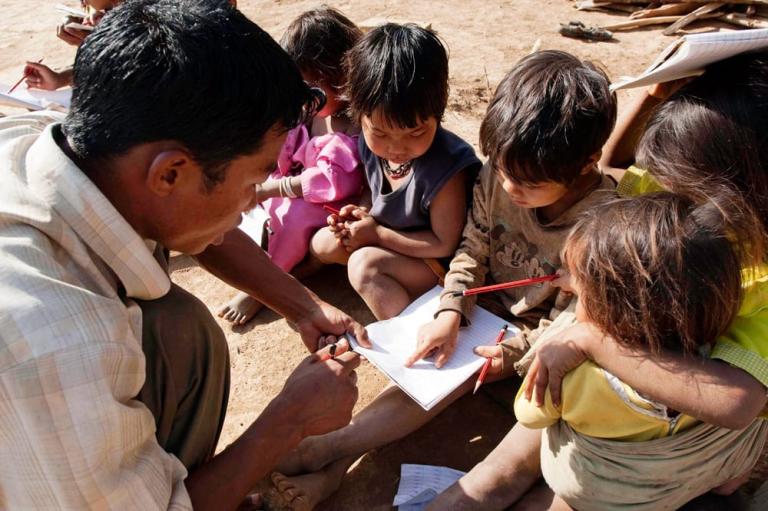
In a village where not one person could read or write, this missionary is showing the love of God by teaching children how to read.
While short-term overseas missions trips still play a huge role in the West, the merit and value of supporting local, native workers over the long haul has become widely embraced as the most effective approach in the quest for the “holy grail” of missions: to bring long-term, total transformation to impoverished communities.
Certainly, over the past couple of decades, it’s become a trend in Western nations for people, especially young people in their 20s, to travel to places in Africa, Asia or South America to volunteer in orphanages, children’s homes and the like.
Photos of young Westerners cuddling babies and surrounded by excited children in Africa and Asia have flooded social media and reinforced the so-called “white savior” label, often unfairly attached to compassionate individuals from the U.S., Canada, U.K. and other wealthy countries who simply want to make a difference in the world.
But now, it seems, this missions phenomenon—undoubtedly impacted further by COVID-19 travel restrictions—could be in decline.
An article in The Atlantic put it like this: “Among the new generation of Western Christian missionaries, the so-called ‘white savior complex’—a term for the mentality of relatively rich Westerners who set off to ‘save’ people of color in poorer countries but sometimes do more harm than good—is slowly fading.”
If this special report has touched your heart and you would like to help national workers show Jesus’ love by meeting practical needs, then make a generous one time or monthly gift to support a national missionary in Asia or Africa.
GFA World (Gospel for Asia) is a leading faith-based global mission agency, helping national workers bring vital assistance and spiritual hope to millions across the world, especially in Asia and Africa, and sharing the love of God. In GFA World’s latest yearly report, this included thousands of community development projects that benefit downtrodden families and their children, free medical camps conducted in more than 1,200 villages and remote communities, over 4,800 clean water wells drilled, over 12,000 water filters installed, income-generating Christmas gifts for more than 260,000 needy families, and teaching providing hope and encouragement available in 110 languages in 14 nations through radio ministry. GFA World has launched programs in Africa, starting with compassion projects in Rwanda. For all the latest news, visit our Press Room at https://press.gfa.org/news.
Learn more by reading this Special Report from Gospel for Asia on the Lord’s work in 2020 through GFA and the partnerships worldwide while following Him in His work in 16 nations, including Sri Lanka, Bangladesh and Nepal.
Last updated on: February 22, 2023 at 9:02 am By GFA Staff Writer
WILLS POINT, TX – GFA World (Gospel for Asia) founded by K.P. Yohannan, which inspired numerous charities like GFA World Canada, to assist the poor and deprived worldwide – Discussing GFA World celebrating 42 years of showing the love of Christ by meeting practical needs of impoverished communities across Asia.
The Lord has been using GFA World to share Good News, to send indigenous workers to provide help to needy communities, and to grow Bible-believing churches over the past 42 years. We’ve enjoyed global recognition as a major faith-based humanitarian organization. However, our primary mission remains to represent Jesus Christ and His love through word and deed across Asia.
The humanitarian aid aspects of our ministry includes:
Disaster relief during earthquakes, cyclones, floods, and pandemics
And yet, there is so much more.
Many may not realize the marvelous ways the Lord has used Gospel for Asia (GFA World) to minister to the millions of people in Asia. Reaching out to those who have never experienced God’s love is just the beginning of the process it takes to establish local churches that not only serve their immediate communities but endeavor to provide help and hope to outlying villages.
Sharing
The humanitarian ministries listed above highlight the different ways we share help and hope with the hopeless, and transforming communities in despair through practical ways that help them escape persistent poverty.
These specific Gospel for Asia (GFA) ministries address practical, everyday needs that communities have, like the need for clean water, sanitation, food, basic health care, education and vocational support. They are provided with a generous dose of local loving-kindness to express the heart of Christ and his love for all people.
Sending
Gospel for Asia (GFA World) also supports national workers who share the love of Christ with their neighbors. As these relationships deepen, more and more people experience God’s love, and a new fellowship is born as new believers gather together for fellowship and discipleship.
The national worker often takes on the role of pastoring this congregation and will also continue ministering to surrounding villages where the name of Jesus is still unknown.
Growing
Generous and faithful donors provide a portion of the funding for the construction of places of worship. However, we believe that a healthy church is a self-supporting church. In fact, there are many churches that are now self-supporting, meaning they are a full-fledged church with land, a building, and believers who are giving enough via their tithes and offerings to sustain their church and its various ministries to help their community.
Local believers are taught how to do their part – and they are quite willing to do so. For example, in one year, the believers in one country financed 70 percent of the construction of 48 new church buildings. More than 400 self-supporting churches have been established with the support of Gospel for Asia (GFA World) in this nation. The believers there are poor, yet they have personally sent and supported 75 national workers in their own nation and have constructed about 280 churches.
Sharing God’s love and message of new life remains at the heart of all of GFA World’s ministry. It is wonderful to see so many churches established that are self-governing, self-financed, and self-propagating after 42 years of prayer and faithful service.
Gospel for Asia (GFA World) is committed to continuing its faithful support of indigenous believers who are sharing Christ’s love, providing hope and help to impoverished communities in practical ways, and fostering new congregations.
WILLS POINT, TX – Gospel for Asia (GFA World) founded by K.P. Yohannan, which inspired numerous charities like Gospel for Asia Canada, to assist the poor and deprived worldwide – Discussing Salihah, the grief being a widow brings, the dire financial situation, and the Good News of Jesus’ love introduced through GFA church pastor, and the blessing of a sewing machine.
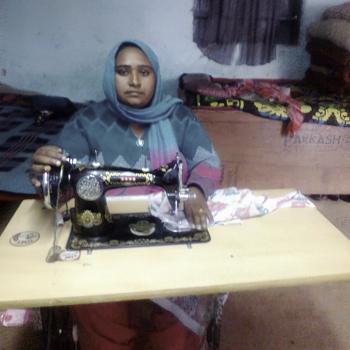
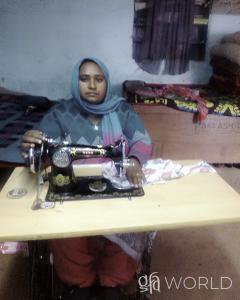
Salihah’s sewing machine helped her meet her family’s needs and bless others.
Salihah was only 24 years old when she became a widow and single mother. Her husband, Padraic, had been killed in a motorcycle accident due to drunk driving. Padraic was the sole breadwinner in the family, and his death not only left a void in the hearts of his loved ones, but also left them without the income they needed to survive.
After Padraic’s death, Salihah took over his job as a janitor in the local government office, a job for which Salihah was grateful. Still, deep sorrow hung over the family.
Salihah feared for her two young children, worried she would not be able to provide for all their needs. With the few resources she had, Salihah did her best to make their small, one-room apartment suitable for her and her children, but water from the leaking roof dripped on their heads—and their hopes. The family’s difficult financial situation, combined with lingering grief over Padraic’s death, weighed heavily on Salihah. She was losing hope, and she didn’t know where to turn.
A Helping Hand
One day, Pastor Talon from a Gospel for Asia (GFA) church talked to Salihah. Pastor Talon listened attentively as Salihah shared the struggles she was facing. He encouraged Salihah and told her about Jesus’ love for her.
Salihah had never heard the Good News of Jesus’ love for her before, and she was greatly encouraged.
After praying with Salihah and her children, Pastor Talon returned to his nearby village. Seeing their living conditions and aware of their need, Pastor Talon requested a sewing machine for Salihah, knowing it would be a huge help for her and her children.
Widow Mending Garments, ‘Sewing’ Hope
Salihah was thrilled to receive her new sewing machine. She was so grateful to God and to the church for the gift. Salihah started repairing her and her children’s clothes herself, saving money on tailor fees.
She also started mending the clothes of her friends, even making them new dresses, thereby passing along the love and care she received to others in need of the same. Salihah’s new sewing machine helped to not only provide for her and her family’s financial needs, but also provide for the needs of her friends as she mended garments and “sewed” hope.
*Names of people and places may have been changed for privacy and security reasons. Images are Gospel for Asia World stock photos used for representation purposes and are not the actual person/location, unless otherwise noted.
WILLS POINT, TX – Gospel for Asia (GFA World and affiliates like Gospel for Asia Canada) founded by Dr. K.P. Yohannan – Discussing the Gospel for Asia Women’s Fellowship group who used pieces of literature help answer questions that people like Niriksh often have about Jesus.
Niriksh was impressed by what he saw. The elderly man sat at a distance, watching a group of 50 women who had gathered in an open space below. At the front of the crowd stood the women from a local Women’s Fellowship group who had organized the meeting. It was September 8, World Literacy Day.
They shared about the significance and importance of education, and several women from the village came forward at the end, eager to participate in a Gospel for Asia – supported literacy class. The Women’s Fellowship sisters had seen Niriksh, and after the event, they went over to speak with him.
What the Old Man Said
“You are doing a very good work,” Niriksh said to the women shortly after they approached.
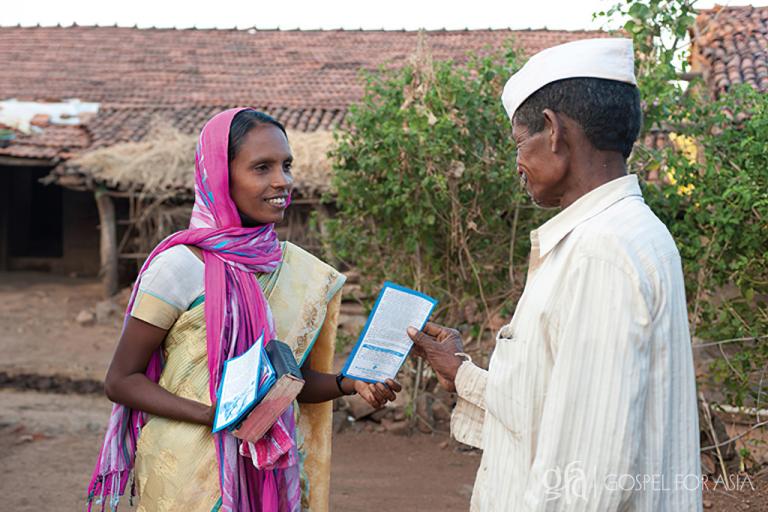
As the conversation continued, one of the women offered Niriksh a piece of literature.
“I am illiterate,” Niriksh said in reply. “Please tell me what is written in it.”
The women explained the piece of literature, and the conversation turned to the church and Jesus. Seeking more information, Niriksh learned about Jesus’ miraculous birth, death and resurrection.
As Niriksh heard the story, excitement stirred within him. He joyfully took hold of Jesus’ offer of eternal life and begged the Gospel for Asia Women’s Fellowship team to visit his wife and tell her the same thing they had told him.
At his request, the sisters visited Niriksh’s wife later that day and told her the message of great joy as well. She, too, chose to take hold of the Savior’s hand.
Within a couple years after that day, Niriksh and his wife both passed away. Today, they’re enjoying fellowship with Christ, face to face.
Just like Niriksh’s, our lives on earth will come to a close someday. Thank you for investing yourself into seeing more people like Niriksh understand the grace of our Savior.
*Names of people and places may have been changed for privacy and security reasons. Images are Gospel for Asia stock photos used for representation purposes and are not the actual person/location, unless otherwise noted.
Most of 12-year-old Mareechi’s neighbors were poor and uneducated, like him. Many adults worked as laborers, street cleaners or garbage pickers, and some of the children did too. Although some kids could go to school, the majority spent their time roaming the narrow, refuse-filled alleyways, often picking pockets, swiping food and even sneaking into other people’s homes to take from their meager possessions.
Life in the slum was never easy, never safe and never clean.
Entering the Slum
Many people find themselves in slums when they move to cities in hopes of better wages. Others, like Mareechi, are born into them.
But Sabita, Kala and Kuntal, three Gospel for Asia Sisters of Compassion, traveled to Mareechi’s slum for another reason: They wanted to display the love of their Creator.
They gave people practical advice about health and hygiene. They visited the sick and downtrodden. They held literacy classes to help women who never had a chance to be educated. And they started “Sunday school” classes on Wednesdays and Saturdays to help children like Mareechi discover a better way to spend their idle time. Above all, they prayed for God to touch hearts.
Gospel for Asia Sisters of Compassion: Love and Prayers Heal Mother, Son
Mareechi and his mother (right)
During Sunday school, Mareechi didn’t interact with the other students. When Sabita, Kala and Kuntal asked him why, he told them about his health problems. An inexplicable dizziness and nausea often caused him to lose his balance and collapse. The same condition affected his mother, Pehr. Though the family often prayed to their gods and goddesses, and Mareechi’s hard-working father spent far more than the family could afford on doctors’ visits and treatments, neither mother nor son found healing, and their lives remained miserable.
When the Sisters of Compassion found out about Mareechi’s condition, they responded with love and prayer.
After a few months, Mareechi’s mother suddenly realized her son was better. She asked him about it, and he responded, “The sisters prayed to Jesus, and He healed me.”
Overjoyed, Pehr found the three women at church that Sunday and told them what God had done. She came back week after week and started learning more about Jesus. It didn’t take long for Pehr to experience His grace, joy, peace and healing in her life, and she received the gift of becoming a child of the Living God. Her husband, witnessing God’s power in his family’s life, made the same choice.
All this is made possible because God hears the prayers of His children—whether those prayers come from three Sisters of Compassion serving in an Asian slum or from your very own home. Thank you for your prayers for the people of Asia.
*Names of people and places may have been changed for privacy and security reasons. Images are Gospel for Asia stock photos used for representation purposes and are not the actual person/location, unless otherwise noted.
WILLS POINT, TX – Gospel for Asia (GFA World and affiliates like Gospel for Asia Canada) founded by Dr. K.P. Yohannan – Discussing the GFA Sisters of Compassion team who, despite facing resistance, labored for literacy for women and children, transforming their lives, bettering society.
Kuvira, Sabeena, Aamaal and Binita walked along the dirt road flanked by lush landscape that seemed to embrace them, inviting the four ladies to continue down to the village nestled near the river that flowed just beyond. As the women stepped into the village, however, the welcome feeling vanished.
An Unwelcome Entrance
Bodhi, like the other women in her village, did not understand the value of education until four GFA Sisters of Compassion came to her village and started a literacy class. Through that class, Bodhi experienced the blessings of literacy in everyday life.
The Gospel for Asia (GFA) Sisters of Compassion team, clad in their long white saris, entered the village and made their way through the streets, but no pairs of eyes looked their way. Stillness filled the air as the residents feigned ignorance of the presence of four strange women walking through their village. Doors swung closed, hiding suspicious residents inside. Others continued their outdoor chores but turned their backs on the sisters as they passed by.
The cold reception didn’t dampen the sisters’ excitement to minister within this village. They knew they could do something great for the people who hid in their homes and turned their backs. Kuvira, Sabeena, Aamaal and Binita prayed for the villagers as they headed home and asked the Lord to give them a ministry in this place. They encouraged each other along the way, reminding themselves of God’s great power to change lives.
Pens, Pencils and Notebooks
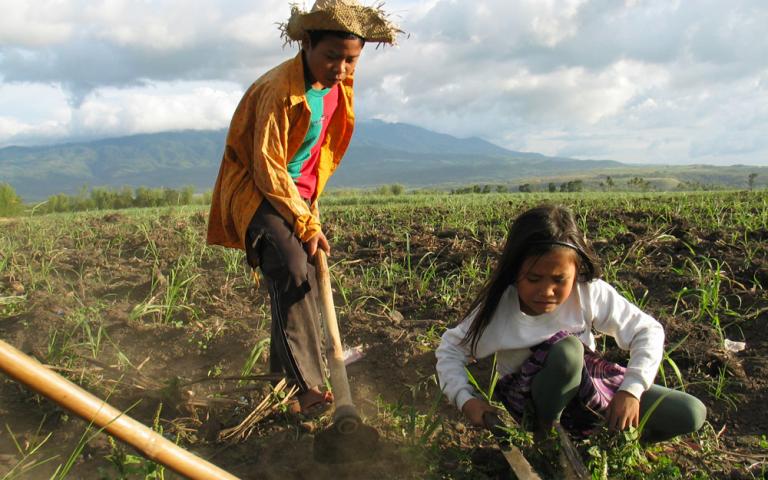
The four sisters continued to visit the village. At first, the only residents who acknowledged them were children. From very young to school aged, kids would approach the women in white with curiosity, asking questions and relishing the adult attention. Kuvira, Sabeena, Aamaal and Binita started teaching the village kids, most of whom worked in fields or roamed the streets instead of attending school. The sisters gave the children pens, pencils and notebooks so they could study on their own when the women were not there. After some time, the kids enjoyed learning and wanted to go to school, something they had always avoided before the sisters came. The parents in the village, amazed at the transformation, began to acknowledge the women who had helped their children so much.
Next Step: Literacy for Women
Motivated by the impact they had teaching the children to value education, the four Sisters of Compassion looked for a way to help the women in the village—most of whom were illiterate. The sisters decided to start a literacy class.
At first the villagers laughed at the sisters’ idea.
“What would we do by learning how to read and write?” the village women scoffed. “Our life is spent working in the fields and river, so if we join the class, it is not going to be beneficial for us, and we would be simply wasting our time.”
Undeterred, the Sisters of Compassion urged the women to join their class and explained the many ways literacy could impact their lives. The women in the village decided to talk it over. They had watched the sisters teaching their children and knew the team wanted to help them in society. They were grateful their kids started attending school and began to think that maybe they should learn too. They finally decided they would enroll in the literacy classes with the sisters.
Wife and Mother Perseveres in Learning
The first literacy class included six women from the village. Bodhi, a 45-year-old mother with four children, joined the first class. Bodhi had never gone to school herself and took up the challenge to learn to read and write. It was very difficult for Bodhi at first, and she wanted to quit many times, but the sisters kept encouraging her. Bodhi went to class every Saturday, leaving behind her work, and slowly grew in her abilities. Sometimes her husband would tease her when she studied and practiced at home, asking if she was going to become the village accountant. Bodhi retorted that she simply wanted to learn how to read and write.
As Bodhi progressed with the instruction and encouragement of the sisters, she began helping the other ladies. They would get together to study and spur on those who struggled. A community pride formed among the group of six in the literacy class.
Now when Bodhi goes to the market, she no longer relies on the color of the money to tell her how much change she received back from her purchase. Instead, she reads the price tag, counts out the proper money and checks that her change is correct. When her kids are working on homework, Bodhi helps them when they are stuck and corrects their pronunciation when they read. Even her husband is proud of her.
“I feel so happy and proud of my wife,” Bodhi’s husband says. “If a person decides to accomplish something, [she] can achieve it someday. The sisters are working for the development of the society, and we should take advantage of what is provided by the sisters of the church.”
Kuvira, Sabeena, Aamaal and Binita visit the village frequently and are now welcomed into the homes of grateful families and honored as guests. Having ministered to the practical needs of the villagers, such as Bodhi, the Gospel for Asia (GFA) Sisters of Compassion have become trusted confidants for the village’s mothers and children who seek the sisters out for prayer for life’s concerns. The four young women are now indispensable to this village and are shining lights of God’s love.
While the women in this village had to be convinced of the value of literacy, other women, like Habiba, dream of obtaining literacy. Read how Habiba’s dreams came true.
*Names of people and places may have been changed for privacy and security reasons. Images are Gospel for Asia stock photos used for representation purposes and are not the actual person/location, unless otherwise noted.
Last updated on: September 17, 2022 at 6:03 am By GFA Staff Writer
WILLS POINT, TX – Gospel for Asia (GFA) – Discussing the stories of families and people who struggle against poverty, the destitution that they experience, and the life-altering impact tangible gifts of generosity can bring to the marginalized.
I certainly wasn’t rich growing up, but I never knew poverty, either. I always had three meals a day, a roof over my head and A/C and heating (rarely needing heat because Texas winters are mostly mild). Poverty was never something I personally experienced, but having seen its effects on families and communities, I am familiar enough with it.
Absolute Poverty
Growing up at Gospel for Asia (GFA), I heard countless stories of the struggle against poverty. But I also heard how Gospel for Asia (GFA)-supported workers—both with the truth of God’s love and with income-generating gifts such as farm animals and tools—have brought hope to numerous impoverished families.
Compared to them, I have had nearly everything handed to me on a silver platter. My daily prayer is that I don’t take for granted the blessings around me. There are children starving, literally eating dirt to satiate their hunger. Dr. K.P. Yohannan, president and founder of Gospel for Asia (GFA), shared this story in his book No Longer a Slumdog:
“One of my most painful memories has to do with a little girl named Meena. Meena was a beautiful 5-year-old living in a slum. She had the biggest brown eyes. When social workers first saw her, she was standing in six inches of sewer water. … Later, I learned that she began eating the sewage-infested dirt off of the streets. Soon she went into a coma and died.”
Breaking the Cycle
Poverty encompasses millions within its grasp; whether abandoned street children, struggling farmers or mistreated widows, millions are trapped in destitution.
Yet in the face of such despair, countless Gospel for Asia (GFA)-supported workers and pastors toil joyfully among the struggling and hurting. It is their goal to see the impoverished and lowly lifted up—through gifts provided by our supporters and partners, they are doing just that.
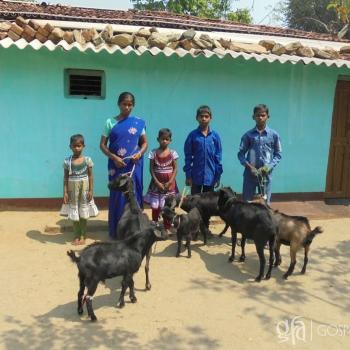
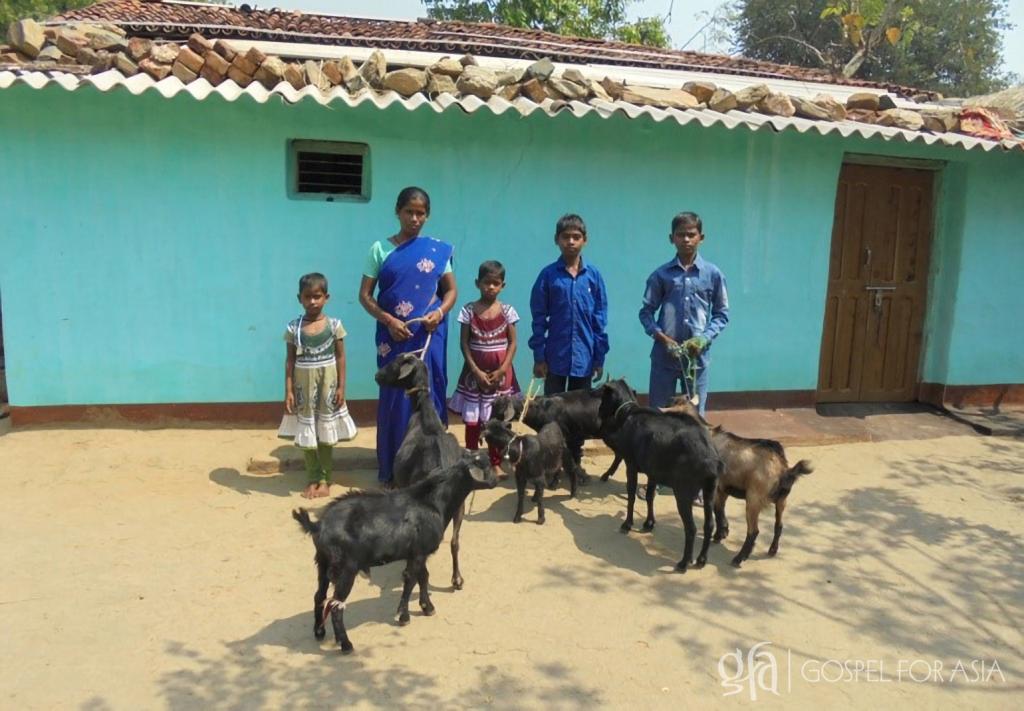
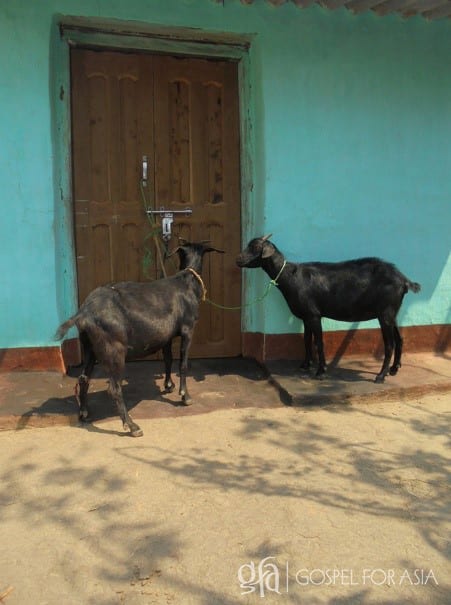
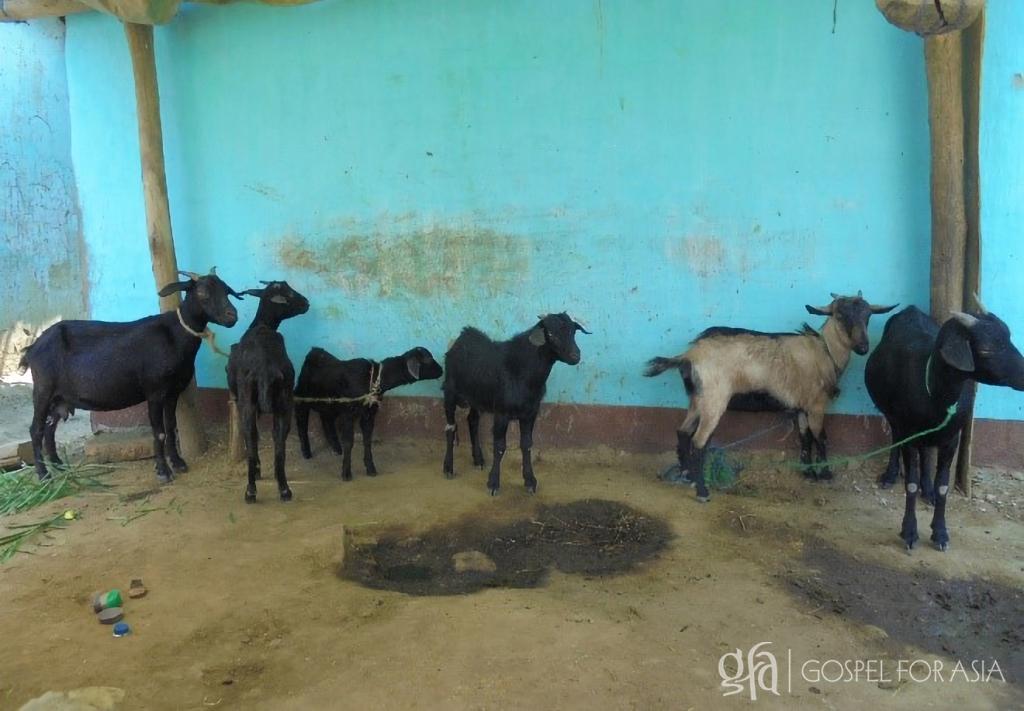
But, you may ask, what gifts exist that help those in poverty? Income-generating gifts include farm animals such as cows, goats or chickens; tools such as sewing machines and pull carts; and vocational training and literacy classes. Each gift brings help in some form to families in desperate need. Goats, for instance, provide nutritious milk to sell or consume, and their offspring can be sold for additional income. Kirpal and Bani are one couple helped through a pair of goats.
Provision Amongst Struggle
One day, a believer in Gospel for Asia (GFA)-supported pastor Taranga’s church informed him of a struggling family in the village. The believer asked if Pastor Taranga could go to the family and offer prayer and encouragement, because they were truly struggling, both financially and emotionally. Together with other members of the church, Pastor Taranga set out to see what help they could bring this struggling family.
The pastor met Kirpal and Bani who, together with their four children, had fallen on hard times. Bani had been struggling with an unidentifiable illness for quite some time. Her condition made it hard to eat. She became weakened to the point of being unable to walk.
All of Kirpal and Bani’s money had gone to finding a cure, but nothing had worked. Their money practically gone, the family had barely enough to survive. On top of it all, the roof of their house was flimsy, making worrying sounds in the night and leaking during rainy season.
After hearing the couple’s woes, the pastor was filled with compassion. He and the believers prayed for Kirpal and Bani, and before leaving, also promised to continue visiting. For the next several months, Pastor Taranga continued to visit Kirpal and Bani, always praying for the harried and hurting family. Through constant prayer, the illness afflicting Bani completely disappeared.
With one burden lifted off the family, Pastor Taranga began thinking of other ways to bless Kirpal and Bani. Then it came to him. Some months later, a Gospel for Asia (GFA)-supported gift distribution was organized—Kirpal and Bani were invited. There, they received a pair of goats.
One year found those two goats turning 12. Kirpal was able to sell six, taking the money to buy thin sheets of cement to finally fix their leaky roof. It was also enough to pay school fees for their four children and buy enough food.
Alleviating Poverty, One Family at a Time
All it can take is one gift to truly save a family from utter destitution. Through income-generating gifts, countless lives in Asia have been changed, and will continue to be changed.
Last updated on: September 17, 2022 at 6:18 am By GFA Staff Writer
WILLS POINT, TX – Gospel for Asia (GFA) – Discussing the poverty that hinders millions of women to have an education, and the missionaries who reach these women through literacy classes to be able to tackle life’s hurdles.
“Give a man a fish, feed him for a day. Teach a man to fish, feed him for a lifetime.”
Habiba poses for a picture as a student of the Sisters of Compassion literacy class.
While Gospel for Asia (GFA)-supported Sisters of Compassion don’t teach villagers how to fish, they do teach them something quite necessary to thrive in life: how to read and write.
For one mother, this old proverb stands true as the sisters’ lessons are satisfying her lifelong dream to learn to read and write.
Unfulfilled Dreams of an Education, Literacy
Habiba, 40, lives in a slum village with her husband, 10-year-old daughter and 7-year-old son. Growing up, Habiba had the desire to attend school and learn to read and write, but she never had the opportunity because of her family’s poverty. Still, it was a dream she clung to even after getting married.
When Habiba’s children were born, she desperately wanted them to receive an education. Unfortunately, her husband was also uneducated and, therefore, unable to teach the children, and school fees were too expensive for them to afford. Habiba grieved that her children would grow up illiterate like she did, but it seemed her dreams for their education were equally out of reach.
Hope Born
One day, Sister Tamanna and a few other Sisters of Compassion supported by Gospel for Asia (GFA) visited Habiba’s home and shared the Good News of Jesus’ love. They also explained to Habiba and her family they were starting a literacy class for the women and children of the village.
Not surprisingly, Habiba rejoiced to learn about the class and that the lessons would be offered for free. It renewed hope that her dreams of an education for herself and for her children could finally become a reality.
“I want to become an educated lady,” Habiba excitedly explained to Sister Tamanna, “and my desire will surely come true through this class.”
Starting School
Habiba practices writing with Tamanna during literacy class.
When the literacy class began in her village, Habiba and her children were among its students. One year after Habiba started her lessons, her hard work paid off. She learned to write and speak her local language’s alphabet and numbers. She was also able to write her name and the names of her husband and children.
Meanwhile, Habiba’s children found success in their literacy classes as well.
In addition to learning their A-B-Cs, some of their lessons include learning God’s Word and how to pray.
Though Habiba may not have realized it yet, this literacy class was just one demonstration of God’s love for her and her family. Through the Sisters of Compassion and their literacy ministry, God is the One making Habiba’s dreams come true.
Habiba isn’t the only mother for whom literacy is an important dream. Read Parmila’s story, and learn how attending Gospel for Asia (GFA)-supported literacy classes became an answer to her prayers.
*Names of people and places may have been changed for privacy and security reasons. Images are Gospel for Asia stock photos used for representation purposes and are not the actual person/location, unless otherwise noted.
Learn more about the Women’s Literacy Program. There are over 250 million women in Asia who are illiterate. Even if they want to read, there is no way to learn . . . until now. With your help, women in Asia can learn to read and will be equipped to tackle life’s hurdles.
Click here, to read more blogs on Patheos from Gospel for Asia.
Last updated on: September 29, 2022 at 6:21 pm By GFA Staff Writer
Dr. Leroy Pennell recently celebrated 40 years of pastoring Heritage Baptist Church in Barrie, Ontario, Canada. Someone asked him, “How can a man pastor the same church for 40 years?”
He replied with only three words: “Never, never quit.”
What did it take to get started? A calling and vision from the Lord to share the love of Jesus with millions of people halfway around the globe with.
What did it take for Gospel for Asia (GFA) to arrive at its 40th anniversary? It took 14,600 days of commitment to the call, 14,600 days of never quitting—all through the grace of God.
In 1952, John W. Peterson, the most prolific composer of Christian music at the time, wrote “It’s Not an Easy Road,” a song that describes 40 years of ministry.”
It’s not an easy road we are traveling to heaven,
For many are the thorns on the way.
It’s not an easy road, but the Savior is with us,
His presence gives us joy every day.
It’s not an easy road; there are trials and troubles,
And many are the dangers we meet.
But Jesus guards and keeps so that nothing can harm us.
And smooths the rugged path for our feet.
No, no, it’s not an easy road. But Jesus walks beside me and brightens the journey, And lightens every heavy load.
Dr. Yohannan was attempting to fulfill the Lord’s expectations when he and fellow believers mobilized Gospel for Asia (GFA) on July 3, 1979. Jesus was quite clear when He told potential disciples that “No one, having put his hand to the plow, and looking back, is fit for the kingdom of God.”
We cannot begin to imagine what the Lord has planned for the next 40 years as we continue to share the love of Christ in word and deed with people in Asia.
There would be no looking back. During the past 40 years, there have been days filled with difficulties, seasons of stress, and periods of predicaments. But, trusting the Lord who called us, we chose not to quit.
Gospel for Asia (GFA)-supported missionaries have served the Lord in places where no one had ever heard of Jesus, often because there was no one willing to go to the misery of the slums or leprosy colonies or the widows’ islands. No one was willing to trek to remote tribal villages where people lived, often in unreachable locations and in extreme poverty.
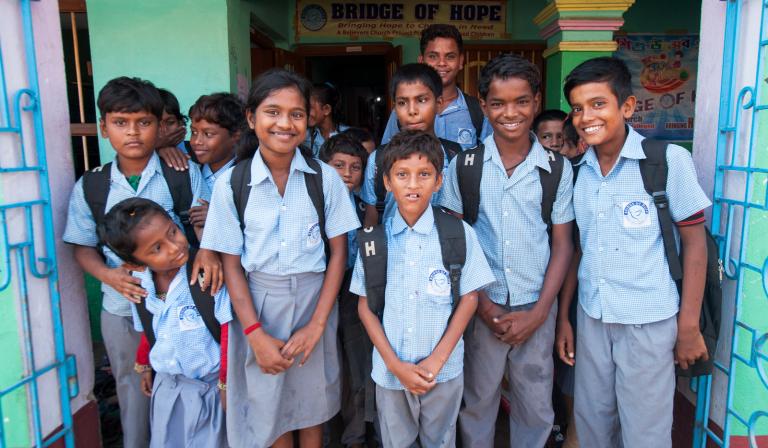
As Gospel for Asia (GFA) staff and the Gospel for Asia (GFA)-supported workers in Asia have refused to quit, tens of thousands have come to faith in Jesus Christ through national missionaries and pastors, compassion services, Bridge of Hope centers for school-age children, women’s ministries, Jesus Wells, and literacy classes, which transforms villages, and empowers men, women, and children to lead productive lives.
We could never have imagined what Gospel for Asia (GFA) would grow to be and how the Lord would use it as a tool to transform so many lives. The thousands of individuals God has brought together with the same passion and purpose of declaring His loving kindness, especially to those who have not yet heard, is a beautiful partnership. Each one is doing their part to serve the Lord – from donors and sponsors in the U.S. and other Western countries to the Mission Support Team serving behind the scenes to the thousands of workers on the field.
We look back only for a moment, out of thanksgiving for all the Lord has done. We commit to keeping our hand on the plow. We cannot begin to imagine what the Lord has planned for the next 40 years as we continue to share the love of Christ in word and deed with people in Asia.
To God be the glory; great things He has done! We look forward to the road ahead.
Click here, to read more blogs on Patheos from Gospel for Asia.