


Minneapolis currently stands at the center of political volatility. Tragic events no longer unfold; they detonate into whatever serves a chosen political narrative. Before truth can be established, sides demand either immediate condemnation or outright support. In such an environment, Christians face a real spiritual danger: the temptation to surrender prudence to passion.
The Church never teaches that anger should supplant moral reasoning or that urgency absolves us from seeking truth. Her constant witness affirms that prudence governs justice, especially when emotions run high and blood has been shed.
The shooting of Alex Pretti in South Minneapolis represents exactly this kind of moment. Pretti, shot and killed by federal immigration agents during an ICE operation, has ignited protests and sparked extreme political rhetoric, both in the streets and in my own comment section. The incident has driven demonstrations across the nation and intensified a broader debate over federal enforcement policies.
My concern here does not rest first in politics, but in the danger that a lack of prudence among Christians poses to others and how it may fuel even greater injustices.
Catholic Prudence as a Cardinal Virtue
If one loves righteousness, her labors are virtues; for she teaches moderation and prudence, righteousness and fortitude, and nothing in life is more useful than these. (Wisdom 8:7)
According to Catholic teaching, the moral life rests on the formation of virtues, which provide the foundation for stable, ordered conduct and rightly governed action. Virtues order the passions and “guide our conduct according to reason and faith.” Among them, the Church identifies four that hold a governing role, called the cardinal virtues, because all the others hinge upon them. As Scripture itself attests, these four are prudence, justice, fortitude, and temperance. Prudence stands first among them, because it directs the exercise of all the rest.
The Catechism defines prudence with precision:
Prudence is the virtue that disposes practical reason to discern our true good in every circumstance and to choose the right means of achieving it… It guides the other virtues by setting rule and measure. It is prudence that immediately guides the judgment of conscience. The prudent man determines and directs his conduct in accordance with this judgment. With the help of this virtue we apply moral principles to particular cases without error and overcome doubts about the good to achieve and the evil to avoid. (CCC 1806)
Prudence therefore does not suppress moral judgment; it makes it possible. It forms the habit of careful discernment, training the soul to seek truth before acting. For this reason, the Church teaches that prudence resists emotional domination and refuses manipulation, guarding the mind from being “surprised by deceit or trickery” (CCC 1809).
Imprudence on Display
Recently, two fellow Catholic bloggers addressed the situation in Minneapolis without regard for prudence. In one piece titled The Christian Responsibility To Resist Authoritarian Regimes, Henry Karlson uses ICE’s actions in Minneapolis to encourage more resistance and thereby generate even more chaos in an already volatile environment, which in turn fuels further violence.
Of even greater concern is Rebecca Hamilton’s article Alex & Renee: Where Was God When They Were Murdered? In that piece, the former Democratic Oklahoma state legislator interprets the deaths in theological and political terms that assume guilt and systemic villainy before all the facts are established. Hamilton describes the deaths of Alex Pretti and Renée Good as murders “by our government,” a claim rooted in political narrative rather than verified evidence.
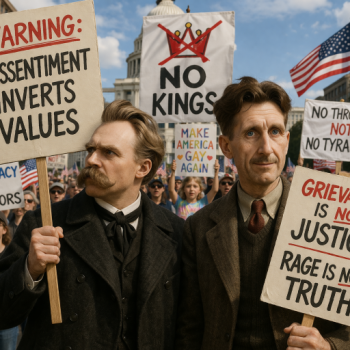
This kind of instant moralization illustrates the very danger I call Christians to resist: allowing passion to supplant careful judgment and letting theological reflection become indistinguishable from political grievance.
Prudent Dispositions for Christians in This Moment
As Christians, we must now resist the impulse to amplify unverified claims. This means refusing to share headlines or declare legal verdicts before facts are known. We must also refuse to dehumanize any party. This requires us to call every human being a neighbor, even when we strongly disagree.
We must also elevate questions rather than slogans. We should ask: What do we actually know? Where is the evidence? What is just? Prudence sometimes calls us to embrace silence. It refuses to speak before it understands.
By contrast, the easy—and deeply imprudent—path embraces outrage even at the expense of truth. Christians can fall into this temptation as readily as anyone else, and when they do, they weaken the Church’s moral voice. If the Church traffics in instant certainty, she forfeits moral authority.
The goal here is not quiet, but peace. Prudence orders the soul toward harmony informed by truth, not toward emotional release or ideological victory.
Final Thoughts… A Call to Calm, Truth, and Moral Clarity
In closing, I call on all Christians—and on all people of goodwill—to recognize that multiple realities can exist at the same time.
- First, we can grieve without rushing to verdicts.
- Second, we can seek justice without inflaming passion.
- Third, we can insist on truth before weaponizing tragedy.
In a world that seizes every wound for narrative gain, Christians must remember that prudence does not mean timidity. It names the discipline of the soul that seeks justice, embraces truth, and loves every neighbor even amid conflict.
Thank you!
Read The Latin Right’s other writing here.
Please visit my Facebook page and IM your questions (and follow my page) or topics for articles you would like covered.













 Ad-Free & Subscriber Log-In