
- Trending:
- Forgiveness
- |
- Marriage
- |
- Afterlife
- |
- Trump
- |
- Pentecost
- |
- Deconstruction
Patheos Lenses
Side by Side Comparison
The Side by Side Lens allows you to create an easy to read comparison chart for up to three differing religious traditions. Select your traditions from the drop down menus. You can click on the major sections on each chart you build, in order to see more detailed comparisons.
Quick Facts
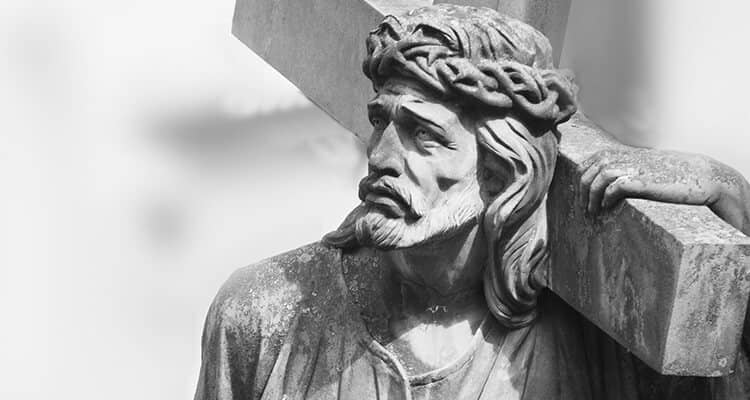
Christianity
adherents 2,100,000,000
Formed 33
Origin Palestine
Deity God (Trinity)
Sacred Texts Bible
Headquarters None
View Details
Formed 33
Origin Palestine
Deity God (Trinity)
Sacred Texts Bible
Headquarters None
View Details
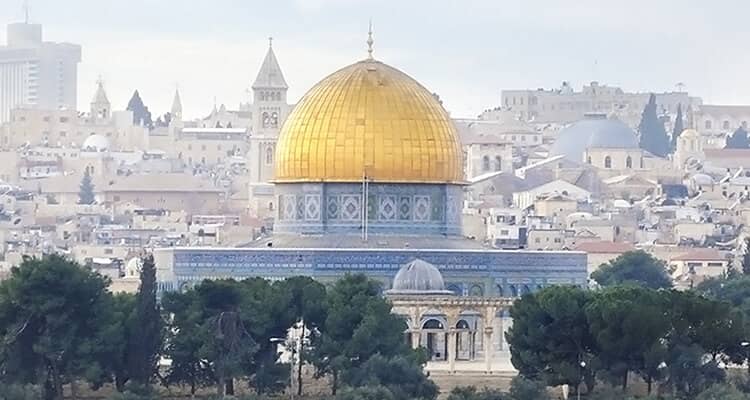
JUMP TO SECTION
Origins
| Christianity | Islam | |
|---|---|---|
| Beginnings | ||
|
Christianity
Christianity originated in the life and teachings of Jesus of Nazareth, who was born circa 4 B.C.E. in Roman-occupied Palestine, a Jewish province of the Roman Empire.
| read more »
|
Islam
Muhammad received and preached the message of Islam to the people of the Arabia in the early 7th century C.E.
| read more »
|
|
| Influences | ||
|
Christianity
The Jewish, Greek, and Roman cultures of the formative first two centuries of the Common Era had a deep and lasting influence on the new faith of Christianity.
| read more »
|
Islam
Islam emerged in the wealthy trading center of Mecca, and regards itself as the culmination of all previous monotheistic religions, including Judaism and Christianity.
| read more »
|
|
| Founders | ||
|
Christianity
Christianity is founded in the life and teachings of Jesus, and was established in Jerusalem and propagated throughout the Roman Empire in the 1st century C.E. by enthusiastic evangelists.
| read more »
|
Islam
The founder of Islam is the prophet Muhammad, who was born in Mecca in approximately 570 C.E.
| read more »
|
|
| Scriptures | ||
|
Christianity
Christian scriptures are gathered in the Christian Bible, which contains the Jewish scriptures in addition to the twenty-seven books of the New Testament.
| read more »
|
Islam
The Quran is the sacred scripture of Islam and is believed to be the unaltered word of God. The Sunna, in its written form hadith, while not scripture, is part of the Islamic canon.
| read more »
|
|
| Historical Perspectives | ||
|
Christianity
What scholars do and do not believe with regard to Christianity influences the ways in which they interpret its history, both past and present. There has been an increasing consciousness of the global diversity of Christianity.
| read more »
|
Islam
Scholars have just begun the important task of addressing the stereotyping of Islam and Muslims in the journalistic and entertainment media and in scholarship.
| read more »
|
|
History
| Christianity | Islam | |
|---|---|---|
| Early Developments | ||
|
Christianity
In the 2nd — 4th centuries of the Common Era, Christianity endured periods of intense persecution while working to define its identity and beliefs.
| read more »
|
Islam
Immediately following Muhammad's death, the community was ruled by a succession of close companions to the Prophet chosen by a consensus of community elders.
| read more »
|
|
| Schisms, Sects | ||
|
Christianity
Christianity permanently split twice. The first split occurred between the Byzantine Church (eastern) and the Roman Church (western). The Protestant Reformation further split the Roman or western Church.
| read more »
|
Islam
Islam is divided into two main groups, the Sunni and the Shi'a. Another expression of Islam is called Sufism and attracts Sunni and Shi'i Muslims as well as non-Muslims.
| read more »
|
|
| Missions, Spread, Changes, Regional adaptations | ||
|
Christianity
From the 5th–13th centuries, Christianity spread dynamically, while the disintegration of the Roman Empire in the West caused churches in the east and west to develop along separate paths.
| read more »
|
Islam
A thousand years after the death of the Prophet Muhammad, Islam had taken root in nearly every region of the globe and although varied in its theology, was not varied in practice.
| read more »
|
|
| Exploration, Conquest, Empire (incl. violence, persecution) | ||
|
Christianity
From the 15th–19th centuries, Christian missionary activity, often allied with European political expansion, carried Christianity to all parts of the globe.
| read more »
|
Islam
Over the centuries, Muslims built a number of empires across large territories. Until 1258, the Islamic world was ruled by a single ruler, called a caliph.
| read more »
|
|
| Modern Age | ||
|
Christianity
The 20th century presented Christianity with dizzying political and cultural challenges. A lively and articulate Christianity in former mission fields and dissatisfaction among American evangelicals produced new movements.
| read more »
|
Islam
The recent history of the Muslim world has been one of imperialism, war, and poverty. Islamic revival movements have emerged in various locales hoping to restore autonomy to their societies.
| read more »
|
|
Beliefs
| Christianity | Islam | |
|---|---|---|
| Sacred narratives | ||
|
Christianity
The Christian story of Jesus is sacred to Christians. The biblical stories of Jesus' life, death, and resurrection reveal God's plan for humanity, which includes salvation and eternal life.
| read more »
|
Islam
The sacred stories of Islam include an account of the creation of the world, and stories of the prophets, especially Muhammad.
| read more »
|
|
| Ultimate Reality and Divine Beings | ||
|
Christianity
Christians are monotheists who believe that the one God has an internal relationship of three persons, Father, Son, and Holy Spirit. Christians also believe in the existence of angels and demons.
| read more »
|
Islam
The foundation and core of Islam is Allah, the one and only God. God is the creator of all things, including supernatural beings like angels and jinn.
| read more »
|
|
| Human Nature and the Purpose of Existence | ||
|
Christianity
Christianity teaches that human beings were created good by a loving God. While being prone to sin and in need of grace, they are partners in accomplishing God's plan for existence.
| read more »
|
Islam
Islam teaches that the purpose of existence is to love and serve God through loving and serving others. People can forget this, but prophets bear God's revelation, which shows people the way.
| read more »
|
|
| Suffering and the Problem of Evil | ||
|
Christianity
Their belief in a good and powerful creator God has prompted Christians to search for an explanation for the existence of evil. There is no single authoritative Christian response.
| read more »
|
Islam
Suffering has purpose in Islam; it tests faith and corrects unbelief.
| read more »
|
|
| Afterlife and Salvation | ||
|
Christianity
At the center of the Christian religion is the story of how God achieved reconciliation with humanity through Christ.
| read more »
|
Islam
Muslims believe in the Day of Judgment and heaven and hell. Each person is responsible for the judgment he or she will receive. People are judged based on their intentions and their deeds.
| read more »
|
|
Rituals and Worship
| Christianity | Islam | |
|---|---|---|
| Sacred Time | ||
|
Christianity
Christians worship weekly and throughout the year. Although the worship styles of the churches differ, the weekly service, Christmas, and Easter have special meaning for all Christians.
| read more »
|
Islam
The Islamic religious calendar follows a lunar pattern punctuated by a number of significant public feasts and celebrations that have both historical and theological roots.
| read more »
|
|
| Sacred Space | ||
|
Christianity
Christians worship and pray together in churches built in a variety of shapes and styles. The use of art and decoration varies greatly according to denomination, but almost all churches feature a cross and a pulpit.
| read more »
|
Islam
Muslims gather for prayer and community in mosques, and seek blessings at shrines. The Grand Mosque in Mecca, which holds the Kaaba, is the most sacred place in the world.
| read more »
|
|
| Rites and Ceremonies | ||
|
Christianity
The sacred rituals of Christianity, called sacraments or ordinances, vary greatly between Christian denominations. Almost all Christians practice baptism and the Eucharist, which are ancient traditions connected to Jesus and the apostles.
| read more »
|
Islam
Various rites and ceremonies accompany such important transitions as marriage, birth, and death.
| read more »
|
|
| Worship and Devotion in Daily Life | ||
|
Christianity
Christians seek to sanctify their daily lives with prayer and scripture reading. These activities, performed in solitude or in groups, help Christians cultivate a close personal relationship with God.
| read more »
|
Islam
The heart of Islamic worship is found in the Five Pillars of bearing witness to the oneness of God, prayer, charity, fasting, and pilgrimage. Regular individual and group supplication is also core to Islamic worship.
| read more »
|
|
| Symbolism | ||
|
Christianity
Much of Christian life and practice is accompanied by symbols that reinforce the Christian's relationship with God. Of these, the most common and distinctive is the cross.
| read more »
|
Islam
The crescent moon and star is a widely-recognized symbol of Islam, while the colors green, white, black, red, and blue all have symbolic meaning.
| read more »
|
|
Ethics and Community
| Christianity | Islam | |
|---|---|---|
| Community Organization and Structure | ||
|
Christianity
Christians share worship and fellowship in communities called churches. Although divided into denominations differing in belief and practice, contemporary Christians share a common belief in the God of the Bible.
| read more »
|
Islam
Although Muslims view themselves as part of a worldwide community, called the ummah, united in submission to God, they are equally loyal to the nation states within which they live.
| read more »
|
|
| Leadership/Clergy | ||
|
Christianity
The early Church, influenced by the Roman Empire, developed a hierarchical form of leadership. Contemporary Christian churches have a number of different leadership styles.
| read more »
|
Islam
The different clerical functions within Islam are filled by a special religious class called the ulama, religious scholars with authority in law and doctrine.
| read more »
|
|
| Principles of Moral Thought and Action | ||
|
Christianity
Christians follow the principles of morality expressed by Jesus' command to love God and neighbor, and rely on the Ten Commandments and the Sermon on the Mount for basic guidance.
| read more »
|
Islam
Muslims' ethical and moral commitments regulating their daily lives derive from their understanding of the demands of revelation and are referred to as the shariah.
| read more »
|
|
| Vision for Society | ||
|
Christianity
Christians expect a final day of judgment when the Kingdom of God, a reign of perfect peace and justice, will begin.
| read more »
|
Islam
The ethical obligation to command the good and forbid the evil imposes upon Muslims the duty of realizing a just society.
| read more »
|
|
| Gender and Sexuality | ||
|
Christianity
Christians teach that sexual relations should be expressed within marriage. The roles of women and gay Christians are being debated within the Christian community.
| read more »
|
Islam
Muslim women and men are working for gender equality within broad limits prescribed by Islam.
| read more »
|
|
Editor's picks See all columnists







 Ad-Free & Subscriber Log-In
Copyright 2008-2026, Patheos. All rights reserved.