

Here are some thoughts on why literary timelines of history are a good thing.
I just told this to my wife who said “You wrote an entire thing about writing timelines?”

If you’re a writer and are looking for things to write about, History has plenty of people, places and things for you to choose from. There is an arsenal of ideas to choose from. There is always room for more Bards.
Time and space are intertwined concepts in human thought. They weave their metaphysical fingers around every soul. This is one of the reasons I find the study of history fascinating and intoxicating. For the last few years on my blog ‘The Catholic Bard‘, I have been researching and then constructing the knowledge found in that research into accessible timelines that assemble lots of trivial facts about a lot of historical events into a birds-eye view of history. Timelines help you learn a little about a lot. In my opinion Trivia isn’t Trivial, it’s informational and helps you gain an inkling of knowledge about our existence in this reality we live it.
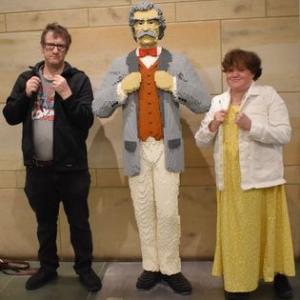
It’s intriguing to learn how long ago something in our world today was invented, discovered or done for the first time. It’s interesting to learn about what important historical events happen at the time of other great historical events. Creating a timeline is a challenge and stretches one’s mind and helps break you out of your ADHD mindset as you are then compelled to give up your indecisiveness as you then have to pick and choose what cultural and world events to include in your own take on history. This is the way of all writing and anything creative that one does whether it be writing, making a video, a podcast, a sculpture, a painting or anything you have to build with creativity. Here’s an example of genius creativity on display.
I hope my timelines are not just another fact sheet of useless information but an invitation into the annuals of history where you can find an easy list of events that you can dive into if a topic of history hits your sweet spot for learning and knowledge about that particular event.
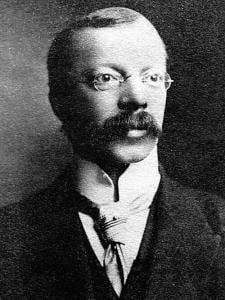
July 22, 1910 – A wireless telegraph sent from the SS Montrose results in the identification, arrest and execution of murderer Dr. Crippen. He was arrested for murder in 1910 while onboard a transatlantic liner the SS Montrose, becoming the first fugitive caught by using wireless telegraphy, he was found guilty and hanged.
If it wasn’t for the internet where I can access my friend in research and writing Wikipedia, I wouldn’t be able to assemble as easily timelines in a timely fashion. I can reprint portions of Wikipedia articles under the Creative Commons and Fair Use shareability.

By the way there is a whole treasure chest of public domain material out there for you to download and use for whatever creative projects you have cooking in your heart and head.
There are always things you could add and always things you could leave out. It could be much shorter, but then there would be captivating facts left standing out in the cold. But regardless, you will always fall short and will find that new bit of history that eluded you in your initial research. You can always add to what you already wrote or create a new document with the added information. History often repeats itself in what I write. Also, there are always mistakes made about dates and times and little grammar and spelling errors that sneak your way in and lie hidden in the length of what you have written.
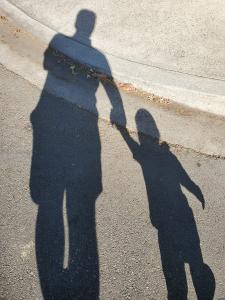
I don’t get much commentary or conversation about my timelines but feel a compulsion to write then anyway. Regardless of how people respond I started writing them about before the history of the world in eternity and creation up to the present.
Just think!
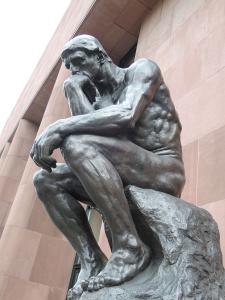
At some point the times we live in and read in the current papers on watch on the news will also be history to someone else either days, weeks, years, decades or centuries from the time you’re reading this.
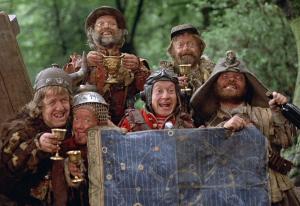
In my version of history, I like to focus in on everything that makes up life. The good, the bad and the ugly. The good, the true and the beautiful. Life, love and other mysteries.
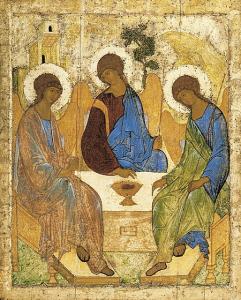
Because I’m an American and American history is easily accessible, I end up incorporating it into my history posts probably more than any other countries. I have found that European, Asian and Australian history tends to be easier to find than African and South American history
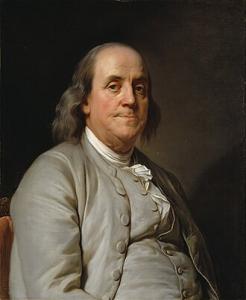
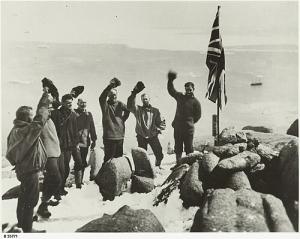
. But if you look long and hard enough you tend to find things that stick out about anyplace that exists on our planet. This would also include Antarctica which has become an important place in the last couple of centuries.
Because I’m Catholic and this blog post is called The Catholic Bard, I naturally tend to include lots of historical facts that include Catholic events and people, popes and saints.
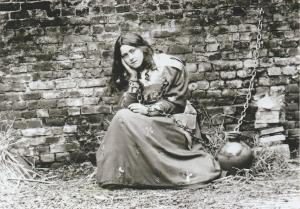
If this is a Catholic blog then why do I write about a lot of things that seem particularly non-Catholic. The answers are in these blog posts.
I also try to include other persons from every tribe and language and people and nation in whom Christ died for. We walk in this world with atheists, Jews, Muslims, Buddhists, Hindus, Protestants, Orthodox and many others of various religious and cultural beliefs. It is best to remember in the words of C.S. Lewis about those we interact with in this world.
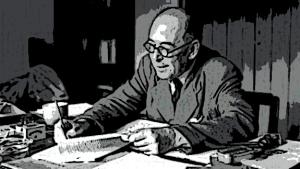
“It is a serious thing to live in a society of possible gods and goddesses, to remember that the dullest most uninteresting person you can talk to may one day be a creature which, if you saw it now, you would be strongly tempted to worship, or else a horror and a corruption such as you now meet, if at all, only in a nightmare.
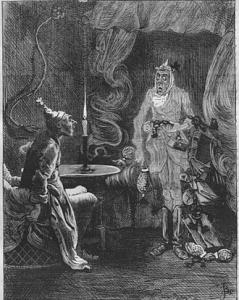
All day long we are, in some degree helping each other to one or the other of these destinations. It is in the light of these overwhelming possibilities, it is with the awe and the circumspection proper to them, that we should conduct all of our dealings with one another, all friendships, all loves, all play, all politics. There are no ordinary people. You have never talked to a mere mortal. Nations, cultures, arts, civilizations – these are mortal, and their life is to ours as the life of a gnat. But it is immortals whom we joke with, work with, marry, snub, and exploit – immortal horrors or everlasting splendors.”
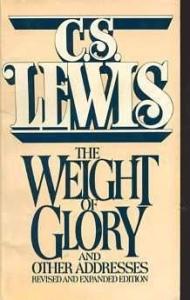
― C.S. Lewis, The Weight of Glory (1942)
I try to find unique out of the ordinary historical events. Every country in every period of history has more than their fair share of wars, natural disasters and people doing typical evil bad and good things. There is way too many of these to list in a shorten look at world history and events. I try to focus on the highlights both well known and unknown. I sometimes focus in on certain years where a lot of interesting stuff happen all at the same time. 1889, 1937, 1950, 1955, 1977 just to name a few.
I list major wars, battles and disasters that shaped the world but try to find that gem that consists of innovations in science, exploration, discovery, social change, culture and other related fields. I look for people who stand out for being different in how they lived their lives. Many of them stand as a reprehensive of other people.
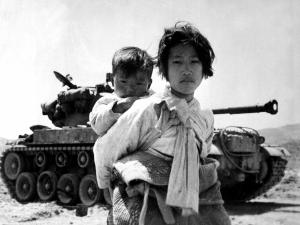
I suppose there are more unconceived or unorganized or unsaid thoughts I could add to this explanatory essay of my thoughts on why I like to write timelines, but like everything, sometimes, it’s time to end and move on to the next thing.
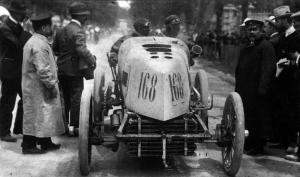
I hope you join me in learning about our world and the many, many varieties of people both good and bad who make it up. And if you feel compelled drop a comment about something that stood out to you and let’s have a conversation.
HOARATS
To Understand
What I love and How I Write About History
Hit the Link Above.
To understand about this particular series I’m writing about, please read
The Catholic Bard’s Guide To History Introduction
And to view a historical article click on










 Ad-Free & Subscriber Log-In