


Imagine receiving these words as a message written just for you today by your friend and pastor, a certain John Newton.
I can truly say, that I hold you in my heart and in my prayers. I rejoice to see the beginning of a good and gracious work in you. I have confidence in the Lord Jesus, that he will carry this work on and complete it, that you will be among those who will sing about redeeming love for eternity.
“I am certain that God, who began the good work within you, will continue his work until it is finally finished on the day when Christ Jesus returns” (Philippians 1:6, NLT).
Therefore, do not fear any of the things appointed for you to suffer along the way.
“So prepare your minds for action and exercise self-control. Put all your hope in the gracious salvation that will come to you when Jesus Christ is revealed to the world” (1 Peter 1:13, NLT).
Do not be impatient, but wait humbly on the Lord. You have one hard lesson to learn, that is, the evil of your own heart. You know something about it, but you must know more. The more we know about ourselves, the more we will prize and love Jesus and His salvation.
I hope that what you find in yourself by daily experience will humble you, but not discourage you. Humble you it should, and I believe it does. Are not you amazed sometimes that you should have as much as a hope, that, poor and needy like you are, the Lord thinks of you? But do not let what you feel discourage you. If our Physician is Almighty, our disease cannot be desperate. If he casts no one out that comes to Him (John 6:37), why should we fear?
Our sins are many, but His mercies are more. Our sins are great, but His righteousness is greater. We are weak, but he is powerful. Most of our complaints are due to unbelief, and the remainder of a legalistic spirit. These evils are not removed in a day.
Wait on the Lord, and he will help you to see more and more of the power and grace of our High Priest. The more you know Him, the better you will trust Him. The more you trust Him, the better you will love Him. The more you love Him, the better you will serve Him. This is God’s way. You are not called to buy, but to beg. Not to be strong in yourself, but in the grace that is in Christ Jesus.
He is teaching you these things, and I trust He will teach you to the end. Remember, the growth of a Christian is not like a mushroom which sprouts quickly, but like an oak tree, which grows very slowly indeed but steadily. Many suns, showers, and frosts, pass before it comes to maturity. In winter, when it seems dead, it is gathering strength in its roots.
Be humble, watchful, and diligent in taking part in the means of grace. Seek to look past everything, fix your eyes on Jesus, and all will be well. I entrust you to the care of the good Shepherd, and remain, for his sake,
Yours,
John Newton
Updated into modern English from Newton, J. and Cecil, R. (1824) The Works of John Newton. London: Hamilton, Adams & Co., pp. 140–141.
Letter to a friend dated March 18, 1797.
This letter, written so many years ago, is still very relevant to us today, and yet it sounds alien to modern eases that one of the chief lessons of our lives is to learn just how evil and deceptive our own hears are. But how true this is to our own experiences. We would do well to talk about these matters much more than we do.
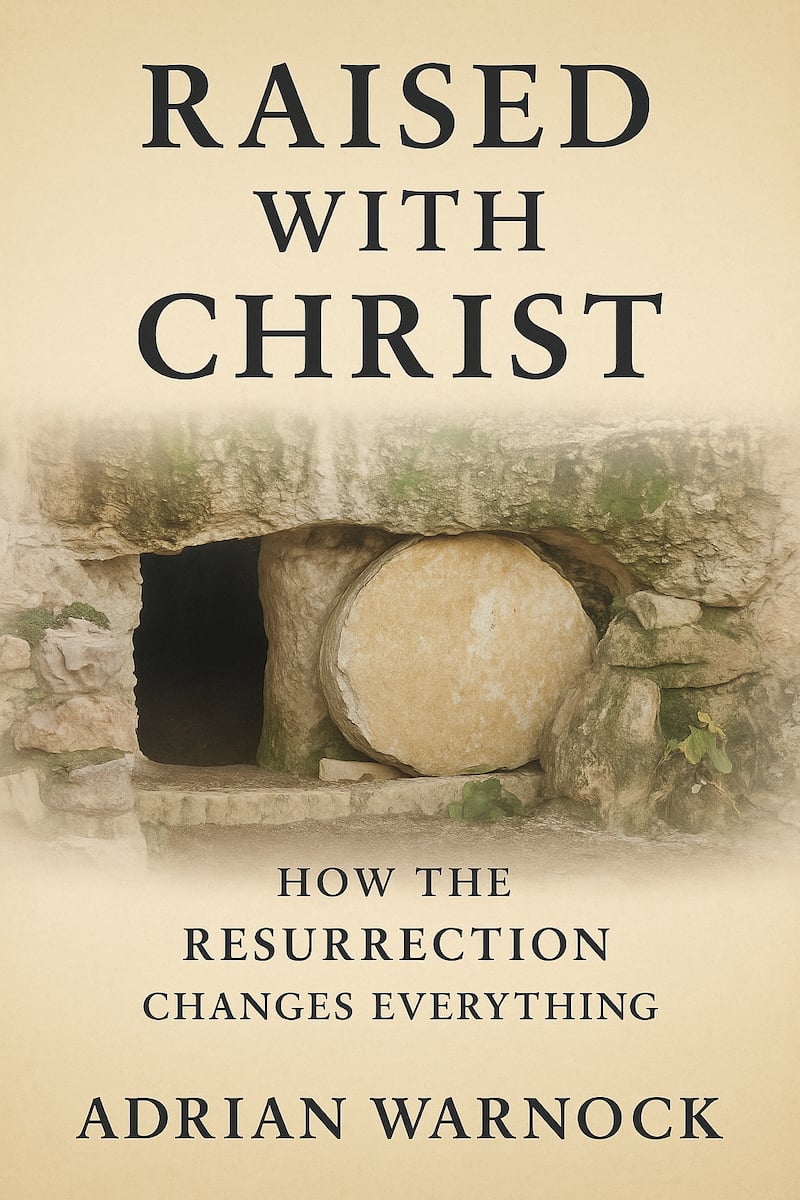
This letter could (and probably will) function as an introduction to both of the books I am currently still writing, but which I have released to the world in an “early access” form.
In many ways, this short letter contains the heartbeat of both books: the slow and painful discovery of what is really in each of our hearts, and the wonderful news that God’s grace is so much stronger than our sin, and gradually changes us over decades.
 The Traitor Within explores this idea that our own hearts, by lying to us, are actually our own worst enemies. It shows us how to understand ourselves and gives us tools to help us on our journey of healing.

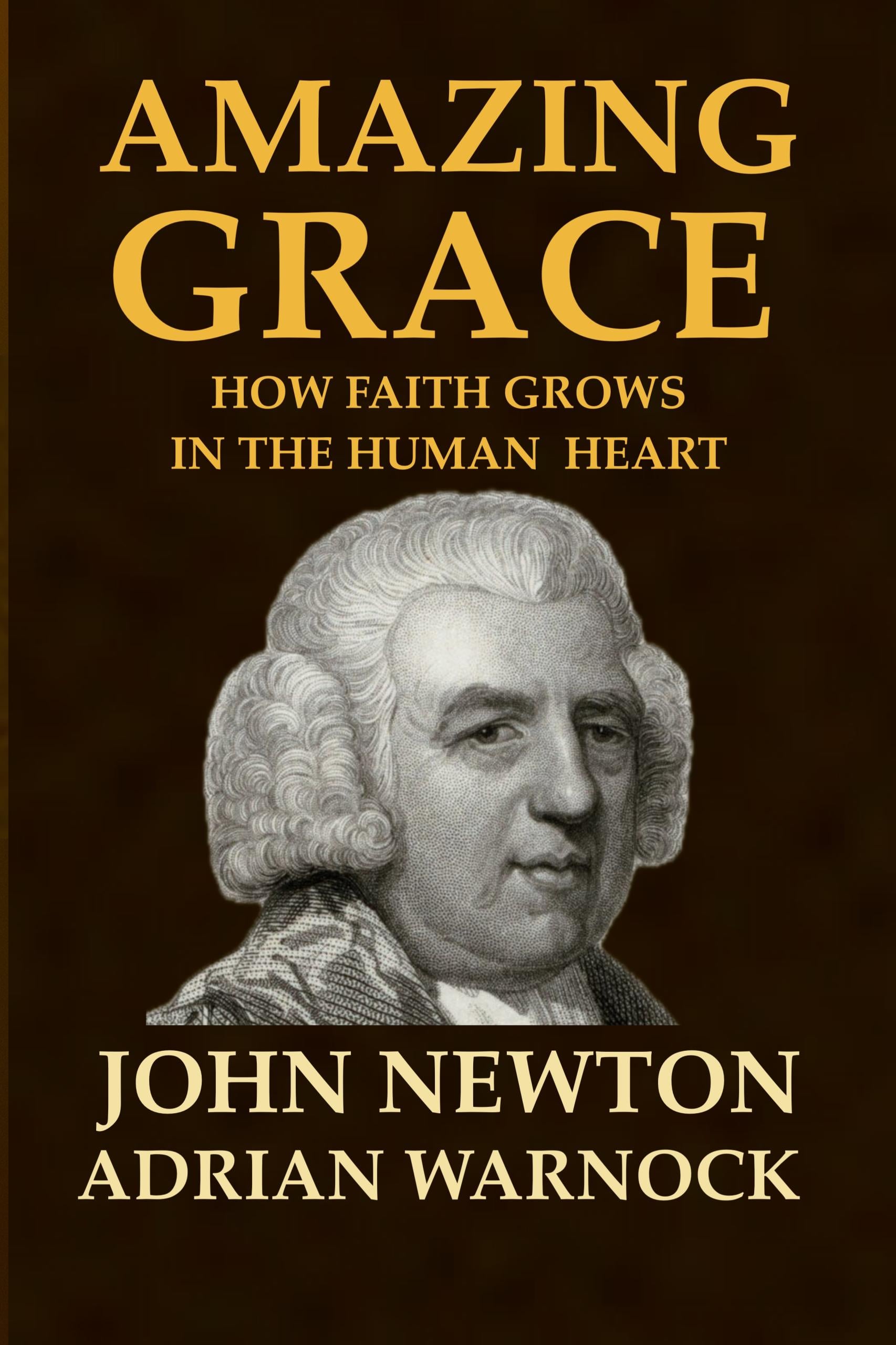
Amazing Grace updates Newton’s autobiography and a selection of his teachings into modern English. Our deceitful hearts are a major theme of his writings.


















 Ad-Free & Subscriber Log-In