


In this video I continue my review of Logos Bible Software by showing how you can incorporate some of the books you’ve just bought into Logos. The video will show you how to do this very simply:
Buy Logos Bible Software Here
This can also be found wherever you get your podcasts, and on social media sites.
I’m not going to assume that you know anything about Logos, so I’ll start with something very simple.
Let’s suppose you want to do a simple Bible study. You want to read the Bible, and you want to read a commentary. You can go to Layouts, click “Bible and Commentary,” and boom, up it comes. At the moment we’ve got the ESV version here, and we’ve got the Africa Bible Commentary there. That’s a default for some reason.
Obviously, I want to choose something different, so I’m just going to click the X there.
Now I’m going to go to my Library, and I’m going to choose the ESV. Where are we? Here we go — the ESV Expository Commentary. That’s one of the things we bought. Let’s just choose Ezra–Job. It doesn’t actually matter which volume we do. What we need to make sure is that we click “Link Set A” here, and this should already be on Set A.
Now, what you’ll notice is that because we’ve chosen this ESV Expository Commentary, which was one of the things we bought, if we click on a verse — let’s go to Jeremiah 17:9, as it’s one of my favorite verses at the moment — you’ll see that immediately it’s opened the other volume of that commentary set.
So here we go. We can now read, “The heart is deceitful above all things and desperately sick; who can understand it?” And we can look at what the commentary has to say. It talks here about the wretchedness of the heart, referring to self-deception. Hold on to that thought. We may well come back to it.
But right now, let me show you one other thing.
This is all well and good — one Bible verse, one commentary — but you might want to do something a little more complicated.
If you go onto Guides, then Workflows, and choose Passage Guide, here we go. Now we can type Jeremiah 17:9, and up it comes with a whole load of commentaries.
The defaults are selected by priority, and you can see I’ve got quite a few commentaries in here. As an example, that’s one of the ones included in the series we were talking about. There’s also, I think, the Tyndale one along here as well. Pulpit Commentary — yes, that was included, I believe.
Your commentaries that you’ve chosen in whatever series you’ve bought will automatically pop up there.
You can also scroll down and look at journals. I’ve got quite a lot of journals. As far as I can see, this verse only appears in one of the journals, so it’s obviously not very well published on. If I was into publishing, I could perhaps publish in a journal on that verse!
You can also see cross-references. These are examples of cross-references. You can see important words. That’s quite nice, it gives you the keywords. It gives you places, people, if that’s relevant. It tells you what type of literature it is, where it’s quoted in some of the ancient literature.
Then you can look at things like biblical theologies. Where does it come in biblical theologies? Again, not massively used — a few references there. Systematic theologies will talk to you a bit about that as well.
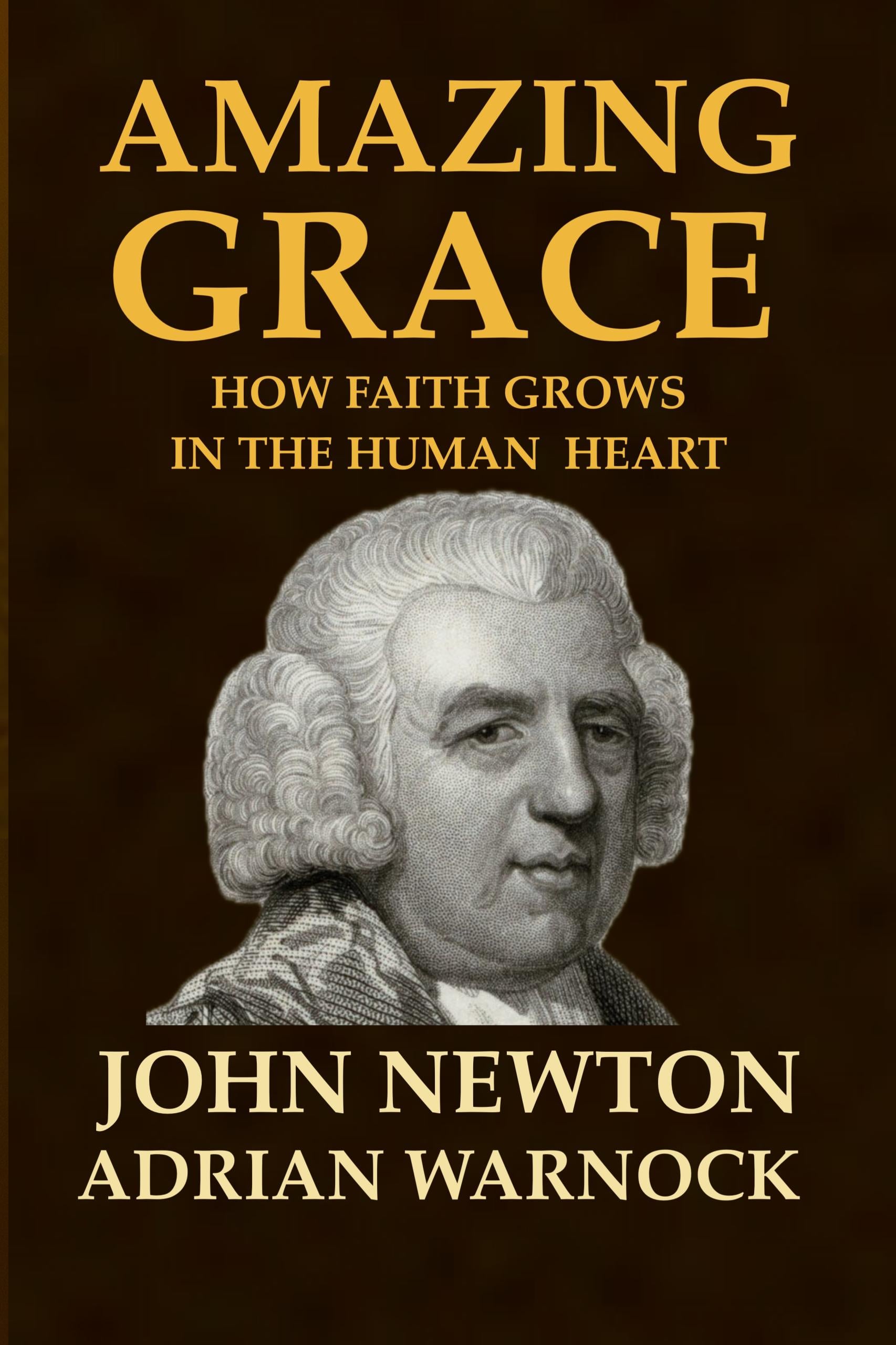
Then sermons. You can see here John Newton on the deceitfulness of the heart. This is a sermon that will be included in my John Newton Amazing Grace book. In fact, it’s already there if you want to have a look at it. You can see Tim Keller has preached on it. Steven W. Smith has preached on it. Robert Murray McCheyne and John Wesley as well. So it’s obviously been preached about more recently and in older contexts.
You can also use Collections. Here you can change your collections up here, or when you find the collection you can change it there. At the moment it’s showing all my top authors. That’s the collection. I’ll show you in another video how to look at collections and how to create your own.
It will show you here some of the most important, as far as I’m concerned, authors. If you click “More” it comes up with lots and lots, and you can click on whatever you want. Whatever you click on will open over here.
For example, if we click this one, up it comes — “Heart Trouble: The Heart Is Deceitful, Who Can Know It?” If you click on Tim Keller, up it comes. So here you have the opportunity to study lots of different books on the same passage in a very simple way.
Read More

















 Ad-Free & Subscriber Log-In