2015-03-13T22:50:24-04:00

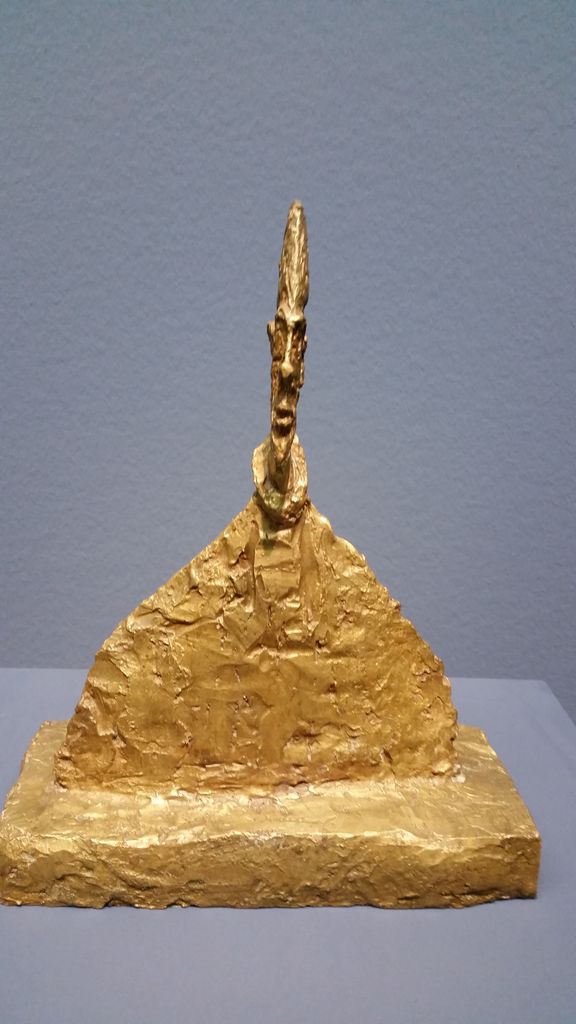
The thing about a good quality museum is that you can linger and appreciate it all, without the ‘glazed over’ effect of being in a huge museum where you simply can’t take it all in, and as a result you race from one room to the next looking for key items. This is not an issue at the Albertina. Impressionism was for the most part killed off by the First World War, and what replaced it was Cubism and Abstract... Read more
2015-03-13T22:50:25-04:00

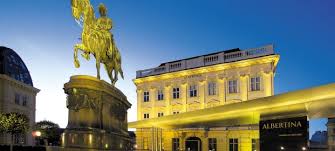
While there are many fine museums to be explored in Vienna, if you are a fan of the paintings of the Impressionists, then you will want to go to the Albertina across from the Mozart cafe and the Opera House in central Vienna. Here’s what you are looking for….. The museum is perhaps most famous for the most famous of all modern Austrian paintings— Gustav Klimmt’s The Kiss….. But it is the permanent loan exhibit of a private collection of... Read more

2015-03-13T22:50:25-04:00

 Read more

2015-03-13T22:50:25-04:00

Cut and Paste this mysterious link into your browser….. and prepare to try and identify certain Asbury faculty persons……in disguise…. http://www.jibjab.com/view/3-A59yttRqqIMzrMJyasdw?mt=1 Read more

2015-03-13T22:50:25-04:00

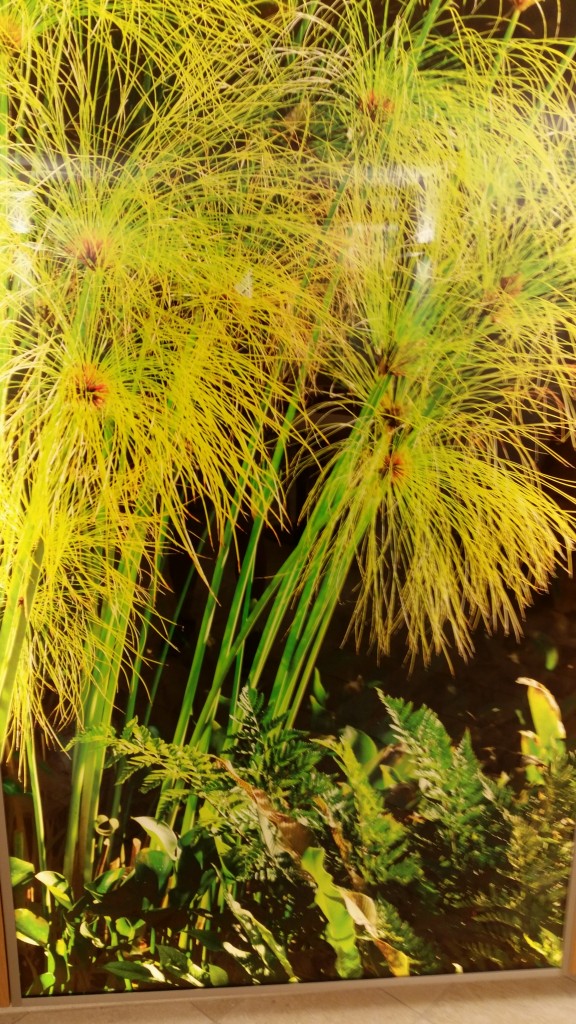
The only ancient description we have of the making of papyrus is that of Pliny the Elder in his Natural History Book XIII. He wrote in the latter half of the first century A.D., and while some scholars have questioned whether he had actually seen the process due to some of his remarks, even if he got it second hand, this is valuable first century information… Pliny, Natural History, 13.74-82 Paper is made from the papyrus plant by separating it... Read more

2015-03-13T22:50:26-04:00

Some of the most important early papyri of the NT are the Chester Beatty Papyri housed in Dublin Ireland, EXCEPT for one piece which can be found in the papyrus museum in the basement of the Österreichische Nationalbibliothek, Vienna. The small fragment which is found there is from the Gospel of Matthew containing Matt. 25:41-26:39 (Pap. Vindob. G. 31974). And sparing no expense, here it is….. This papyrus likely dates to the third century A.D. The Gospel of Matthew was... Read more

2015-03-13T22:50:26-04:00

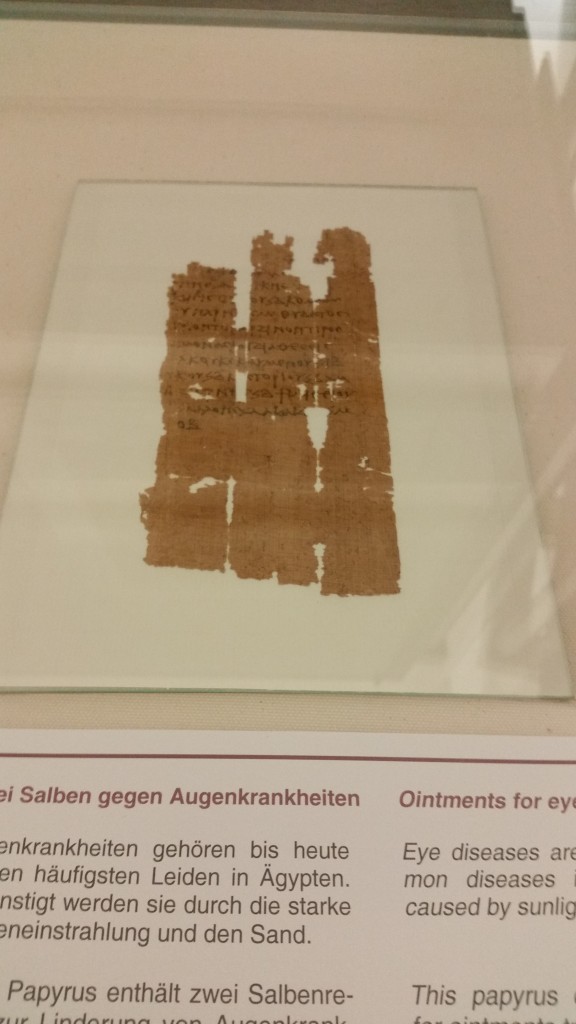
Medicine in antiquity was one part home remedy, one part common sense, and one part Hippocratic let the body heal itself. But the desperate also would go to the gods and the healers, and what passed for ancient doctors and medicine. Such treatments as listed above could be of relevance to NT studies, as it seems quite possible Paul had eye troubles (see Galatians 4.12-16 (why the metaphor about tearing out their eyes and giving them to Paul). Since the... Read more

2015-03-13T22:50:26-04:00

Joel Pett is our local pundit cum political cartoonist in the Lexington newspaper…… Read more

2015-03-13T22:51:08-04:00

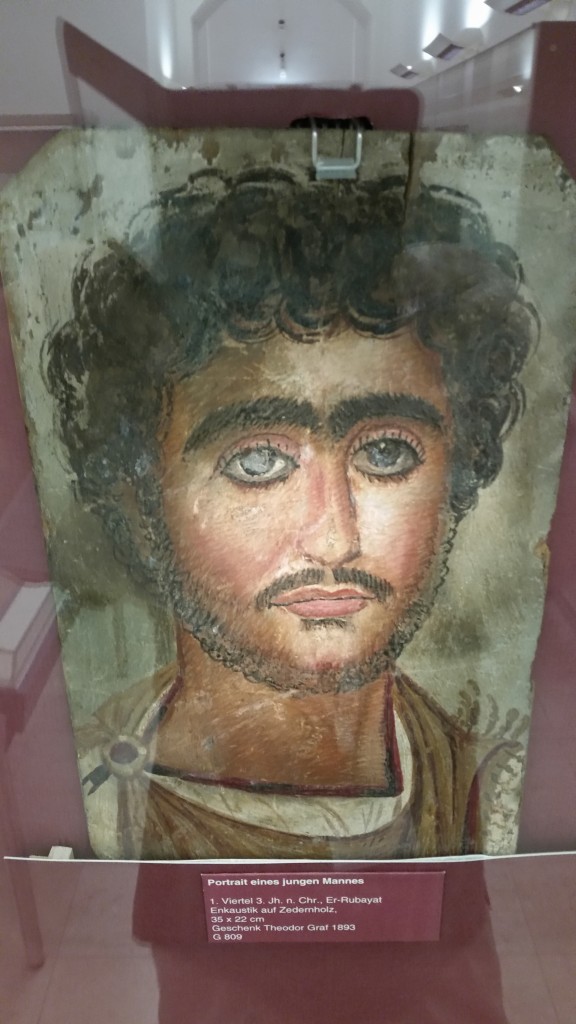
The Kunst Museum in Vienna in fact houses several museums, including the papyrus museum in a small room in the basement, and the Ephesos museum in one of the upstairs great halls. Despite both being rather small, there were some very important items in each, and we will begin, appropriately enough for the end of October, with paintings on top of mummy sarcophagi, and some mummy wrappings from the Greco-Roman period (yes, you are right, those folks don’t look very... Read more

2015-03-13T22:51:08-04:00

The last main chapter in Craig’s book deals with the subject of miracles, both ancient and modern. Craig relies not only on the various analyses of the Biblical miracles available in scholarly works, but also the recent large compilation of modern testimonies about miracles compiled by my Asbury colleague, Craig Keener. To this Craig adds some personal testimonies about miracles in his own life, or that of his close family. While reading this chapter I remembered a conversation I once... Read more

Follow Us!


TAKE THE
Religious Wisdom Quiz

What does the name "Elijah" mean?

Select your answer to see how you score.


Browse Our Archives