

Every year older movies and books that were written decades ago get released into the public domain. That means as an artist you can use the source material for your own creative endeavors without having to get permission to do so. You don’t have to pay any $$money to anyone or pay any licensing fees. It is part of the public domain and is yours to use for whatever your little heart wants to use it for.
As of 2025 all books, movies and art from the 1920s are in the public domain. 2026 marks entries from 1930 and sound recordings from 1925. There is somehow a 95-year window for movies, books, and art and a 100 year window for sound recordings. But before getting the gist on what newer materials are the sandbox for your creativity, here is a selection of what you can use, redistribute and just enjoy from
The 1920’s
Descriptions Below Are Taken from the Creative Commons Source Wikipedia.
Under the Copyright Term Extension Act of 1998 works made in 1923 or afterwards that were still protected by copyright in 1998 would not enter the public domain until January 1, 2019, or later.
This includes the years
Before the 1920’s
That includes
Literature
The first publication of Mark Twain‘s Adventures of Huckleberry Finn (1885) in the United States for the first time.

Catholic Bard’s Guide to Public Domain Literature
Film
The oldest surviving film Roundhay Garden Scene (1888)
Actors On Stage, Screen And Radio Alive In 1889
Art
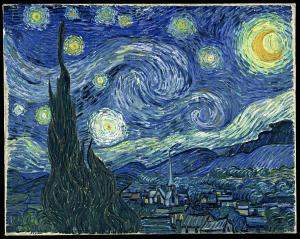
The Starry Night (1889) by Vincent van Gogh
Music
“Ta-ra-ra-boom-de-ay” w.m. Henry J. Sayers
In this first section I’m going to focus on
Public Domain Films before the 1920’s.
This is just a sampling of the many interesting and fascinating films structured and crafted by the early pioneers of cinema.
In 1895
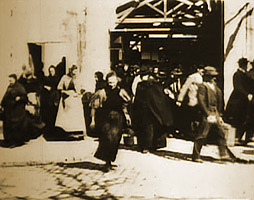
Auguste and Louis Lumière’s first presentation of a projected celluloid film moving picture, the 46-second Workers Leaving the Lumière Factory which is the first real motion picture ever made.
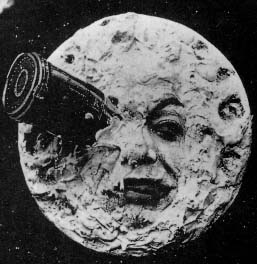
The first science fiction film, Georges Méliès‘s A Trip to the Moon (Le Voyage dans La Lune) (1902).
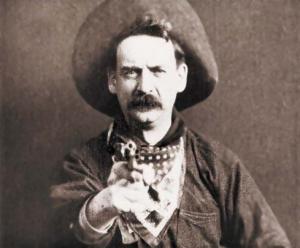
One of the greatest and most influential Westerns of all time The Great Train Robbery (1903).
Life and Passion of the Christ (1903) (Vie et Passion du Christ), directed by Lucien Nonguet and Ferdinand Zecca – (France)
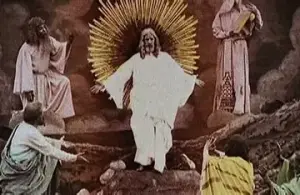
The world’s first feature film, The Story of the Kelly Gang (1906)
Mr. Flip (1909) the first film to feature someone being hit in the face with a pie directed by Gilbert M. ‘Broncho Billy’ Anderson and starring Ben Turpin.
In Old California (1910) It was the first film shot in Hollywood, California. It was directed by D. W. Griffith.
The Broken Oath (1910) starring the first “the first true movie star” Florence Lawrence.
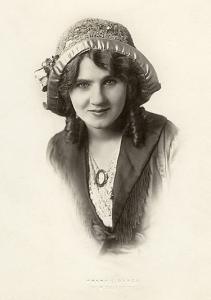
David Copperfield (1911) the oldest known film adaptation of the novel.
The Voyage of the Bourrichon Family (1912) pioneer film maker Georges Méliès‘s last film.
Traffic in Souls (1913) an early example of the narrative style in American films that was longer than most American films of the era.
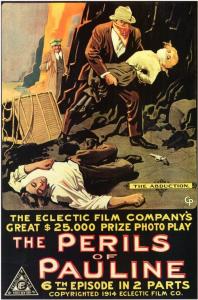
The Perils of Pauline (1914) is an early example of the damsel in distress in film. It is the prime example of what scholar Ben Singer has called the “serial-queen melodrama“.
Charlie Chaplin‘s first film, Making a Living (1914), is released.
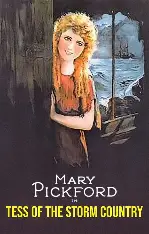
Tess of the Storm Country (1914) makes Mary Pickford an icon in the US and a celebrity around the world.
D.W Griffith‘s The Birth of a Nation (1915) premieres at Clune’s Auditorium Los Angeles and breaks both box office and film length records (running at a total length of over three hours). It has been called “the most controversial film ever made in the United States”, as well as “the most reprehensibly racist film in Hollywood history”.
20,000 Leagues Under the Sea, (1916) -Directed by Stuart Paton for Universal Pictures, starring Curtis Benton and Alan Holubar (as Capt. Nemo), based on the novel by Jules Verne
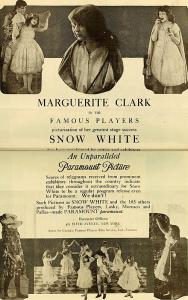
Snow White (1916)
Release in the United States of the short The Butcher Boy (1917) the first of Roscoe “Fatty” Arbuckle‘s series of films with the Comique Film Corporation, and Buster Keaton‘s film debut.
The first Tarzan film ever made and is based on Edgar Rice Burroughs‘ original 1912 novel Tarzan of the Apes (1918) directed by Scott Sidney for First National Pictures, starring Elmo Lincoln and Enid Markey.
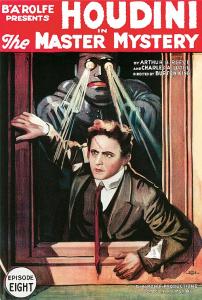
The Master Mystery (1919) (serial), starring Harry Houdini.
The 1920’s
1920
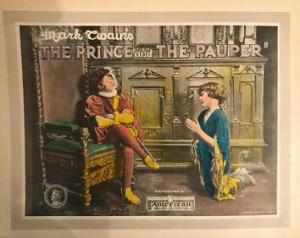
The Prince and the Pauper (From Austria) directed by Alexander Korda.
The Golem: How He Came into the World (Der Golem, Wie Er in die Welt Kam), directed by and starring Paul Wegener based on the old Jewish folktale, photographed by Karl Freund

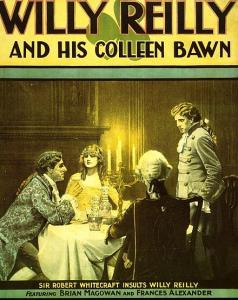
Willy Reilly and his Colleen Bawn, (From Ireland) directed by John MacDonagh, featuring Brian Magowan and Frances Alexander, based on the 1855 novel Willy Reilly and his dear Colleen Bawn by William Carleton
- Dr. Jekyll and Mr. Hyde, directed by J. Charles Haydon, starring Sheldon Lewis
- The Flapper, directed by Alan Crosland, starring Olive Thomas
- Huckleberry Finn, directed by William Desmond Taylor, starring Lewis Sargent
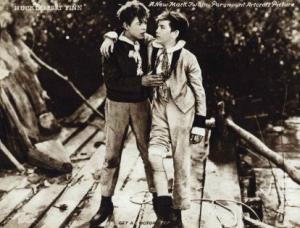
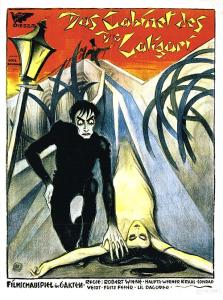
The Last of the Mohicans (1920)
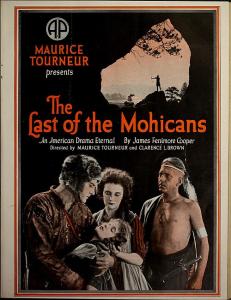
The Last of the Mohicans (1920 German film)
featuring Bela Lugosi
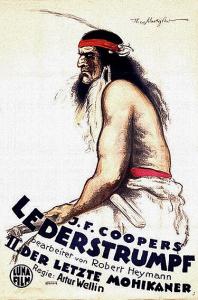
1921
- A Connecticut Yankee in King Arthur’s Court (lost), directed by Emmett J. Flynn
- The Haunted Castle (Schloß Vogelöd), directed by F. W. Murnau, based on the novel by Rudolf Stratz – (Germany)
- Humor Risk (unreleased), directed by Dick Smith, starring the Marx Brothers
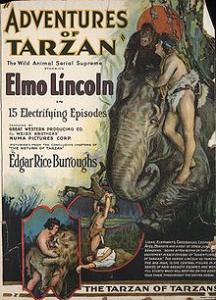
- The Adventures of Tarzan, 15-part serial directed by Robert F. Hill and Scott Sidney, starring Elmo Lincoln
1922
- The Headless Horseman, directed by Edward D. Venturini, starring Will Rogers, based of the 1820 short story The Legend of Sleepy Hollow by Washington Irving
- Nanook of the North, a documentary directed by Robert J. Flaherty
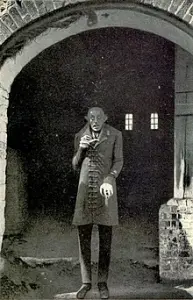
- Nosferatu – Eine Symphonie des Grauens (Nosferatu: A Symphony of Horror), directed by F. W. Murnau, starring Max Schreck, based on the 1897 novel Dracula by Bram Stoker without authorization – (Germany)
Films and books released in 1923 became public domain in 2019.
2019 was the first year since 1998 in which the majority of media from a previous year entered the public domain after the expiration of its copyright term. 2019 is also the first year in this annual process, where 1923 works become public domain that year, then 1924 works in 2020, and so on forward.
- The Covered Wagon, directed by James Cruze, starring J. Warren Kerrigan and Lois Wilson
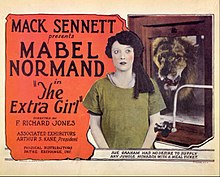
- The Extra Girl, directed by F. Richard Jones, starring Mabel Normand
Films and books released in 1924 became public domain in 2020.
- Captain January directed by Edward F. Cline, starring Baby Peggy and Hobart Bosworth
- Dante’s Inferno, directed by Henry Otto
- Greed, directed by Erich von Stroheim, starring Gibson Gowland and ZaSu Pitts
- The Last Laugh (Der Letzte Mann), directed by F. W. Murnau, starring Emil Jannings – (Germany)
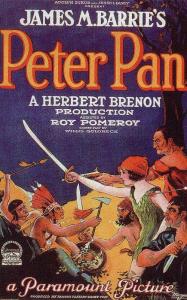
- Peter Pan, directed by Herbert Brenon, starring Betty Bronson and Ernest Torrence
- Quo Vadis, directed by Gabriellino D’Annunzio and Georg Jacoby, starring Emil Jannings – (Italy)
- The Sea Hawk, directed by Frank Lloyd, starring Milton Sills
- Wild Oranges, directed by King Vidor
Films and books released in 1925 became public domain in 2021.

- The Battleship Potemkin (Bronyenosyets Potyomkin), directed by Sergei Eisenstein – (U.S.S.R.)
- Ben-Hur: A Tale of the Christ, directed by Fred Niblo, starring Ramón Novarro, May McAvoy and Francis X. Bushman
- The Big Parade, directed by King Vidor, starring John Gilbert and Renée Adorée
- A Kiss For Cinderella, directed by Herbert Brenon, starring Esther Ralston
- The Lost World, directed by Harry O. Hoyt, starring Bessie Love, Lewis Stone and Wallace Beery, based on the 1912 novel by Arthur Conan Doyle
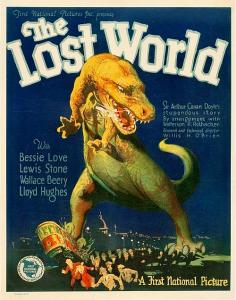
- Les Misérables, directed by Henri Fescourt – (France)
- Old Clothes, directed by Edward F. Cline, starring Jackie Coogan and Joan Crawford
- Too Many Kisses, directed by Paul Sloane, starring Richard Dix and William Powell
- Tumbleweeds, directed by King Baggot, starring William S. Hart
Films and books released in 1926 became public domain in 2022.
- The Adventures of Prince Achmed, (1926) It is the oldest surviving animated feature film.
- Faust (1926)
- The Great K & A Train Robbery (1926) directed by Lewis Seiler, starring Tom Mix
- Kid Boots, directed by Frank Tuttle, starring Eddie Cantor and Clara Bow
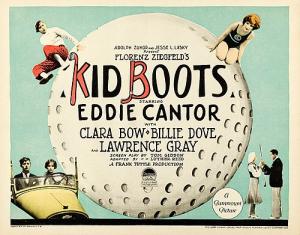
- The Last Days of Pompeii (1926)
- Up in Mabel’s Room (1926) starring Marie Prevost and Harrison Ford.
Films and books released in 1927 became public domain in 2023.
Chang: A Drama of the Wilderness (1927)
It (1927) starring Clara Bow.
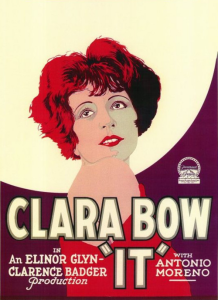
Napoléon (1927)
Tarzan and the Golden Lion (1927)
Films and books released in 1928 became public domain in 2023.
Films and books released in 1929 became public domain in 2025.
First Marx Brothers Movie
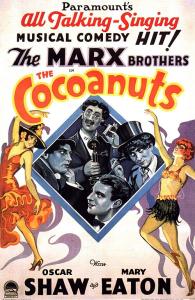
Films and books released in 1930 became public domain in 2026.
First Three Stooges Movie
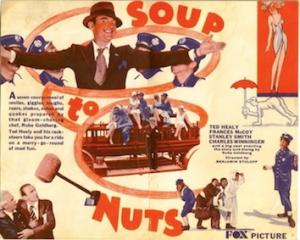
I have only selected a small amount of New Public Domain stuff
For more recommendations and other interesting stuff click on the links below.
Public Domain Day 2023 is Coming: Here’s What to Know | Copyright Lately
Public Domain Day 2024 is Coming: Here’s What to Know | Copyright Lately
Public Domain Day 2025 is Coming: Here’s What to Know | Copyright Lately
Movies
1st Academy Awards
Wings (1928)-Outstanding Picture @ 1st Academy Awards
7th Heaven (1927) Outstanding Picture Nominee @ 1st Academy Awards
Sunrise: A Song of Two Humans (1927) Best Unique and Artistic Picture
@ 1st Academy Awards
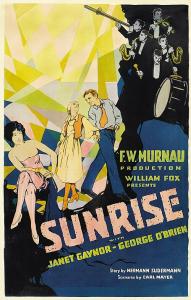
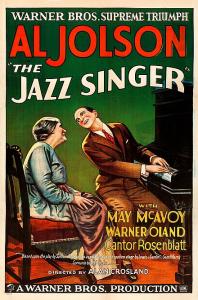
1st Talking Picture
The Jazz Singer (1927)
Special Award To Warner Bros. for producing The Jazz Singer,
the pioneer outstanding talking picture, which has revolutionized the industry.
Classic Directors
Cecil B. DeMille
(August 12, 1881 – January 21, 1959)
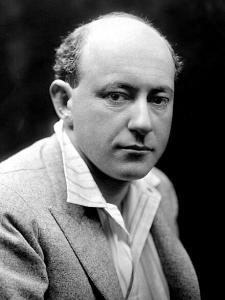
Cecil B. DeMille made 70 features. 52 of his features are silent films. The first 24 of his silent films were made in the first three years of his career (1913–1916). Eight of his films were “epics” with five of those classified as “Biblical”. Six of DeMille’s films—The Arab, The Wild Goose Chase, The Dream Girl, The Devil-Stone, We Can’t Have Everything, and The Squaw Man (1918)—were destroyed by nitrate decomposition, and are considered lost. The Ten Commandments is broadcast every Saturday at Passover in the United States on the ABC Television Network
The Squaw Man (1914) was an American silent Western film directed by Cecil B. DeMille and Oscar C. Apfel, and starring Dustin Farnum. It was DeMille’s directorial debut and the first feature-length film to be shot in what is now Hollywood.
Why Change Your Wife? (1920)
The Affairs of Anatol (1921)
Saturday Night (1922)
The Ten Commandments (1923)
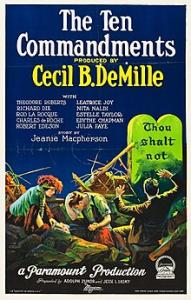
Triumph (1924)
The Road to Yesterday (1925)
The Volga Boatman (1926)
The King of Kings (1927)
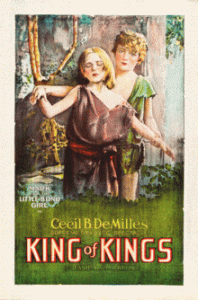
The Godless Girl (1928)
Dynamite (1929) was DeMille’s first full-length sound film (a silent version was also released simultaneously), and casting the right actors (with adequate voices) proved a difficult process.
Madam Satan (1930)
Walt Disney
(December 5, 1901 – December 15, 1966)
He was an American animator, film producer, voice actor, and entrepreneur. A pioneer of the American animation industry, he introduced several developments in the production of cartoons. As a film producer, he holds the record for most Academy Awards earned (22) and nominations (59) by an individual. With Ub Iwerks, he developed the character Mickey Mouse in 1928. He made the first animated feature film produced in the United States and the first cel animated feature film, Snow White and the Seven Dwarfs (1937 film). He created a media empire that is still alive and active today.
In 1921, Walt Disney was contracted by Milton Feld to animate twelve cartoons, which he called Newman’s Laugh-O-Grams.
Laugh-O-Gram Studio
11 Shorts From 1921 – 1923
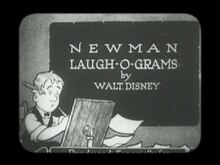
Walt Disney and Roy O. Disney founded Disney Brothers Cartoon Studio in Los Angeles in 1923 and got their start producing a series of silent Alice Comedies short films featuring a live-action child actress in an animated world.
57 Alice Comedies
# 1 –Alice’s Wonderland– October 16, 1923
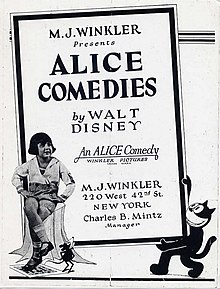
# 57 -Alice in the Big League -August 22, 1927
In 1927 he created
Oswald the Lucky Rabbit (1927) 9 Cartoons

He starred in several animated short films released to theaters from 1927 to 1938. Twenty-seven animated Oswald shorts were produced at the Walt Disney Studio. After Universal took control of Oswald’s character in 1928, Disney created a new character similar in appearance to Oswald as a replacement: Mickey Mouse, who went on to become one of the most famous cartoon characters in the world.
November 18, 1928
Disney‘s Steamboat Willie premieres, marking the official introduction of Mickey Mouse. This animated short is the first film to include a soundtrack completely created in post production, including sound effects, music and dialogue.
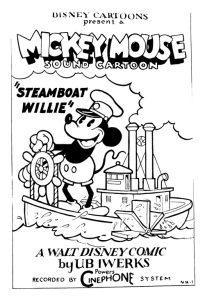
Mickey Mouse in The Gallopin’ Gaucho -December 30
1929 – 13 Mickey Mouse Cartoons
1929 – 5 Silly Symphony Cartoons including The Skeleton Dance
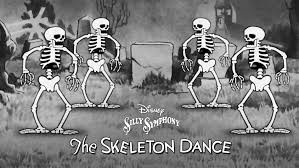
1930 – 9 Mickey Mouse Cartoons
1930 – 10 Silly Symphony Cartoons
John Ford
(February 1, 1894 – August 31, 1973)
The Tornado (1917) LOST
He was an American film director whose career spanned from 1913 to 1971.
During this time he directed more than 130 films; however, nearly all of his silent films are lost.
He received six Academy Awards including a record four wins for Best Director for The Informer (1935), The Grapes of Wrath (1940), How Green Was My Valley (1941), and The Quiet Man (1952).
Ford is renowned for his Westerns, such as Stagecoach (1939), My Darling Clementine (1946), Fort Apache (1948), The Searchers (1956), and The Man Who Shot Liberty Valance (1962); though he worked in many other genres, including comedies, period dramas, and documentaries. He made frequent use of location shooting and wide shots, in which his characters were framed against a vast, harsh, and rugged natural terrain. He is credited with launching the careers of some of Hollywood’s biggest stars during the 1930s, ’40s, and ’50s, including John Wayne, Henry Fonda, Maureen O’Hara and James Stewart.
First Film –Cameo Kirby (1923)
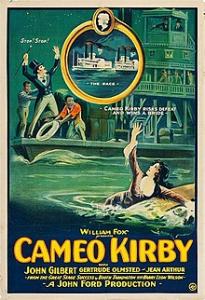
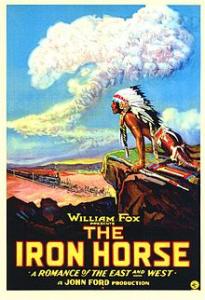
The Iron Horse (1924)
It was Ford’s first major film, in part because the hastily planned production went over budget, as Fox was making a hurried response to the success of another studio’s western. In 2011, this film was deemed “culturally, historically, or aesthetically significant” by the United States Library of Congress and selected for preservation in the National Film Registry.
Kentucky Pride (1925)
The Shamrock Handicap (1926)
3 Bad Men (1926)
Upstream (1927)
Mother Machree (1928)
Riley the Cop (1928)
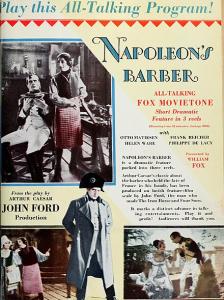
Napoleon’s Barber (1928) Lost
Strong Boy(1929)
The Black Watch (1929)
Salute (1929)
Men Without Women (1930)
Born Reckless (1930)
Up the River (1930)
With Spencer Tracy, Humphrey Bogart (both in their film debuts)
Seas Beneath (1930)
D. W. Griffith
(January 22, 1875 – July 23, 1948)
First Film –The Adventures of Dollie (1908)
Griffith has six films preserved on the United States National Film Registry deemed as being “culturally, historically, or aesthetically significant”: Lady Helen’s Escapade, A Corner in Wheat (both 1909), The Musketeers of Pig Alley (1912), The Birth of a Nation (1915), The Birth of a Nation (1916) and Broken Blossoms (1919).
Together with Charlie Chaplin, Mary Pickford, and Douglas Fairbanks, Griffith founded the studio United Artists in 1919 with the goal of enabling actors and directors to make films on their own terms, as opposed to the terms of commercial studios.
- The Idol Dancer (1920)
- Remodeling Her Husband (1920) (director disputed)
- The Love Flower (1920)
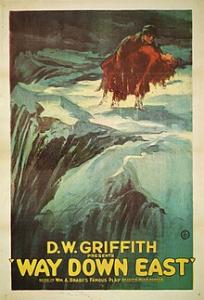
- Way Down East (1920)
- Dream Street (1921)
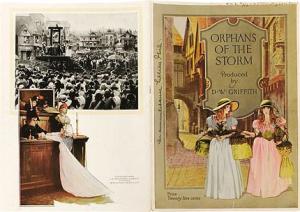
- Orphans of the Storm (1921)
- One Exciting Night (1922)
- Mammy’s Boy (1922) (never completed, remade as His Darker Self by another director in 1924)
- The White Rose (1923)
- America (1924)
- Isn’t Life Wonderful (1924)
- Sally of the Sawdust (1925)
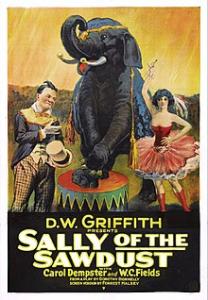
- That Royle Girl (1925)
- The Sorrows of Satan (1926)
- Topsy and Eva (1927)(co-director, uncredited)
- Drums of Love (1928)
- The Battle of the Sexes (1928)
- Lady of the Pavements (1929)
- Abraham Lincoln (1930) (first Griffith sound film)
- The Struggle (1931)(last film)
Alfred Hitchcock
(August 13, 1899 – April 29, 1980)
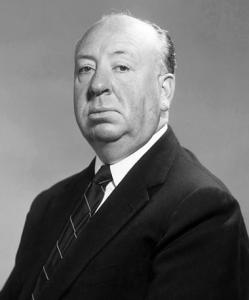
The master of thrillers
The Pleasure Garden (1925)
His feature film directorial debut.
The Lodger: A Story of the London Fog (1927)
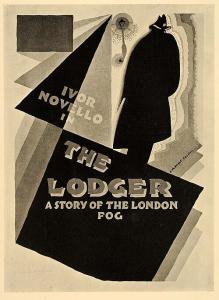
- The Ring (1927)
- Downhill (1927)
- The Farmer’s Wife (1928)
- Easy Virtue (1928)
- Champagne (1928)
- The Manxman (1929)
Sound films
Blackmail (1929)
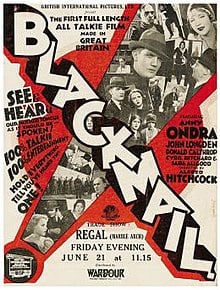
- An Elastic Affair (short) (1930) (lost)
- Juno and the Paycock (1930)
- Murder! (1930)
- Elstree Calling (1930)
Howard Hawks
(May 30, 1896 – December 26, 1977)
He was an American film director who made 40 films between 1926 and 1970. He is responsible for classic films in genres ranging from film noir, screwball comedy, crime, science fiction and Western.
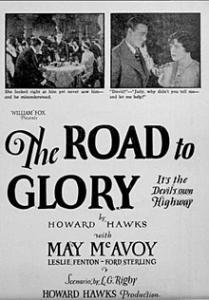
The Road to Glory (1926)
His First Film Now Lost
The Cradle Snatchers (1927)
Paid to Love (1927)
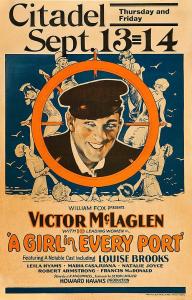
A Girl in Every Port (1928)
Fazil (1928)
Trent’s Last Case (1928)
Sound films
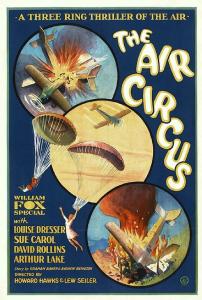
The Air Circus (1928)
The Dawn Patrol (1930)
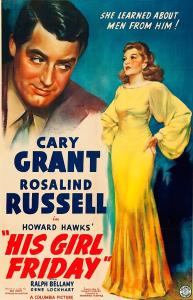
His Girl Friday (1940)
Copyright not renewed.
Fritz Lang
(December 5, 1890 – August 2, 1976)
He was an Austrian film director, producer and screenwriter. In Lang’s early career he worked primarily as a screenwriter, finishing film scripts in four to five days. Lang directed major German films of the silent and early sound eras.
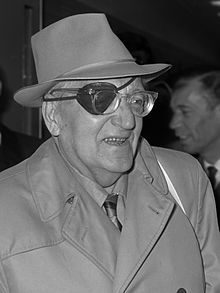
1st Film – Halbblut (1919)
The Wandering Image (1920)
Destiny (1921)
Dr. Mabuse, the Gambler – Part 1: The Great Gambler (1922)
Followed By Part 2
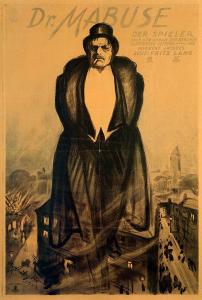
Die Nibelungen – Part 1: Siegfried (1924)
Followed By Part 2
Metropolis (1927)
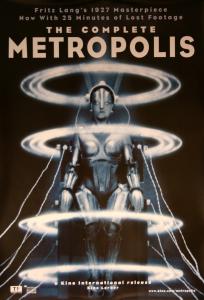
Spies (1928)
Woman in the Moon (1929)
Classic Director and Comedy Legend
Frank Capra and Harry Langdon
Frank Capra (May 5, 1897 – September 3, 1991) was an Italian-American film director, producer and writer who became the creative force behind some of the major award-winning films of the 1930s and 1940s. Capra directed a total of 36 feature-length films (34 of which are known to survive) and 16 documentary films during his lifetime. His movies It’s a Wonderful Life, Mr. Smith Goes to Washington, and It Happened One Night are often cited among the greatest films ever made. Between 1927 – 1929 he made 12 films including…
Fultah Fisher’s Boarding House (1922)
First Film directed by Frank Capra.
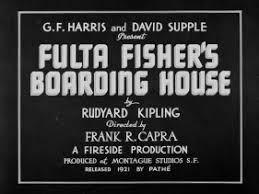
- For the Love of Mike (1927) LOST
- That Certain Thing (1928)
- So This Is Love? (1928)
- The Matinee Idol (1928)
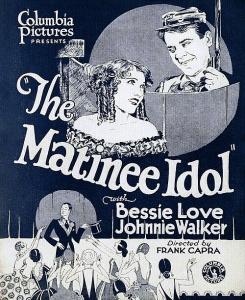
- The Way of the Strong (1928)
- Say It with Sables (1928) LOST
- Submarine (1928)
- The Power of the Press (1928)
Sound Films
- The Younger Generation (1929) partially silent
- The Donovan Affair (1929)lost soundtrack
- Flight (1929)
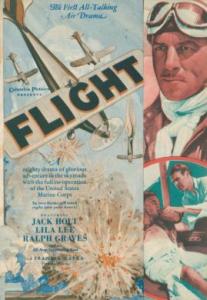
- Ladies of Leisure (1930)
- Rain or Shine (1930)
Meet John Doe (1941)
Copyright not renewed
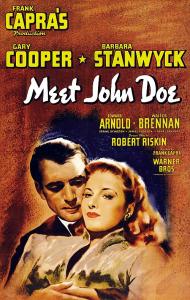
It’s a Wonderful Life (1946)
While the film images are public domain, under rulings of Stewart v. Abend, the film text (script) is based on the copyrighted short story “The Greatest Gift” by Philip Van Doren Stern. Republic also purchased the exclusive rights to the film’s copyrighted music to further shore up its rights.

Henry “Harry” Philmore Langdon (June 15, 1884 – December 22, 1944) was an American comedian who appeared in vaudeville, silent films (where he had his greatest fame), and talkies.
Partial Filmography
Smile Please (Short 1924)
starring Harry Langdon in his 2nd Movie
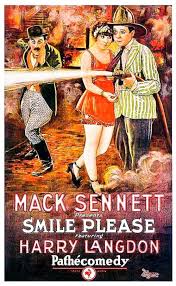
Boobs in the Wood (1925)
starring Harry Langdon
The Strong Man,(1926)
directed by Frank Capra and starring Harry Langdon
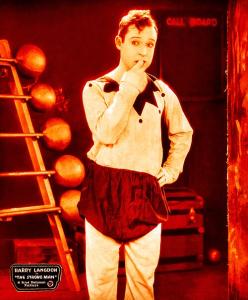
Tramp, Tramp, Tramp (1926)
starring Harry Langdon and Joan Crawford
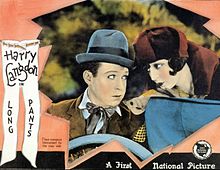
Long Pants (1927)
Directed Frank Capra and starring Harry Langdon
His First Flame (1927) Harry Langdon
Three’s a Crowd (1927) Harry Langdon
Fiddlesticks (1927, Short) Harry Langdon
Heart Trouble (1928, director) as Harry Van Housen
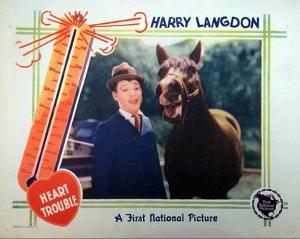
Harry Langdon’s first sound films
Hotter Than Hot (1929) produced by the Hal Roach studios.
Sky Boy (1929) produced by the Hal Roach studios.
A Soldier’s Plaything (1930) First sound feature film
Comedy Legends
Chaplin
(April 16, 1889 – December 25, 1977)
1st Movie – Making a Living (1914)
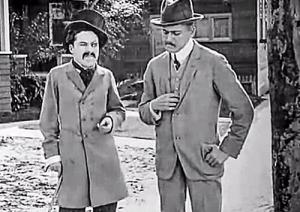
Chaplin appeared in 36 films for Keystone Studios, all produced by Mack Sennett.
Some Highlights Before the 1920’s
Chaplin wrote, directed, and starred in 15 films for the Essanay Film Manufacturing Company
The Tramp (1915)
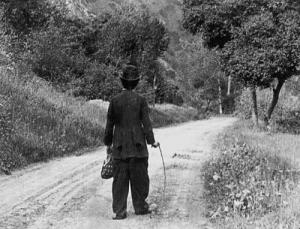
Chaplin wrote, produced, directed, and starred in 12 films for the Mutual Film Corporation, which formed Lone Star Studios solely for Chaplin’s films.
The Rink (1916)
Easy Street (1917)
The Immigrant (1917)
The Adventurer (1917)
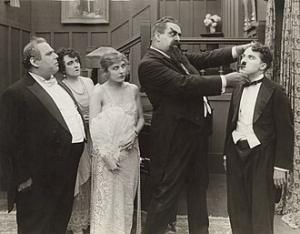
Chaplin wrote, produced, directed, and starred in 9 films for his own production company between 1918 and 1923. These films were distributed by First National.
A Dog’s Life (1918)
Shoulder Arms (1918)
A Day’s Pleasure (1919)
1920’s
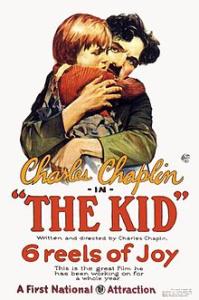
The Kid (1921)
The Idle Class (1921)
Pay Day (1922)
The Pilgrim (1923)
Chaplin began releasing his films through United Artists in 1923. From this point on all of his films were of feature length. He produced, directed, and wrote these eight films and starred in all but the first. Beginning with City Lights Chaplin wrote the musical scores for his films as well.
A Woman of Paris (1923)
Director Only
The Gold Rush (1925)
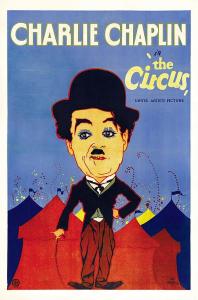
The Circus (1928) Special Academy Award
for acting, writing, directing and producing The Circus.
Buster Keaton
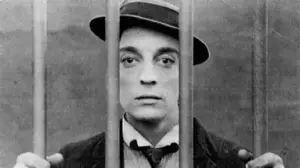
He is best known for his silent film work, in which his trademark was physical comedy accompanied by a stoic, deadpan expression that earned him the nickname “The Great Stone Face”. Critic Roger Ebert wrote of Keaton’s “extraordinary period from 1920 to 1929” when he “worked without interruption” as having made him “the greatest actor-director in the history of the movies”
First Film – The Butcher Boy (1917)
with Roscoe Arbuckle
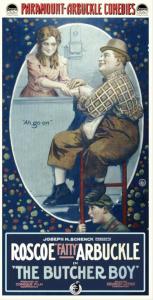
Some Highlights Before the 1920’s
The Bell Boy (1918)
with Roscoe Arbuckle
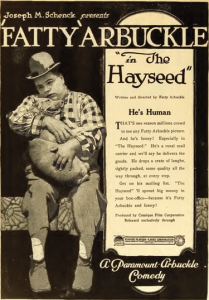
The Hayseed (1919)
with Roscoe Arbuckle
1920’s
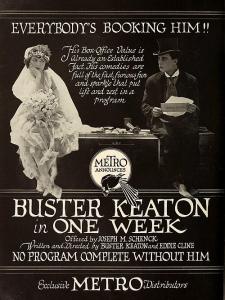
One Week (1920)
- The Saphead (1920)
- Neighbors (1920)
- The Scarecrow (1920)
- Hard Luck (1921)
- The High Sign (1921)
- The Playhouse (1921)
- The Haunted House (1921)
- The Boat (1921)
- The Paleface (1922)
Cops (1922)
- My Wife’s Relations (1922)
- The Blacksmith (1922)
- The Frozen North (1922)
- The Electric House (1922)
- Day Dreams (1922)
Seeing Stars (1922) It is notable for a scene shared by Charlie Chaplin and Buster Keaton. Seeing Stars was one of just two times the great silent comedians appeared together onscreen; 30 years later, Limelight (1952) was the second occasion.
- The Balloonatic (1923)
- Love Nest (1923)
- Three Ages (1923)
- Our Hospitality (1923)
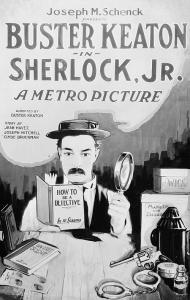
- Sherlock Jr. (1924)
- The Navigator (1924)
- Seven Chances (1925)
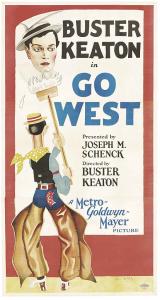
- Go West (1925)
- Battling Butler (1926)
- The General (1926)
- College (1927)
- Steamboat Bill, Jr.(1928)
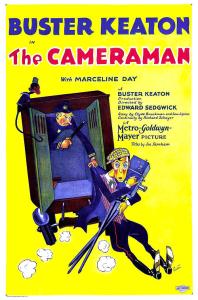
- The Cameraman (1929)
- Spite Marriage (1929)
- Free and Easy (1930) It was Keaton’s first leading role in a talking motion picture.
- Estrellados (1930)
- Doughboys (1930)
Laurel and Hardy
Before Abbott and Costello there was Englishman Stan Laurel (1890–1965) and American Oliver Hardy (1892–1957). They are one of the most successful comedy teams of all time. Starting their career as a duo in the silent film era, they later successfully transitioned to “talkies“. From the late 1920s to the mid-1950s, they were internationally famous for their slapstick comedy, with Laurel playing the clumsy, childlike friend to Hardy’s pompous bully. Their signature theme song, known as “The Cuckoo Song”, “Ku-Ku”, or “The Dance of the Cuckoos” (by Hollywood composer T. Marvin Hatley) was heard over their films’ opening credits, and became as emblematic of them as their bowler hats.
Partial Filmography
Outwitting Dad (1914) Oliver Hardy’s First Film
Nuts in May (1917) Stan Laurel’s First Film
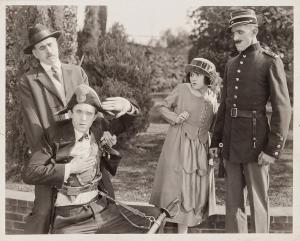
Married to Order (1920)
Featuring Oliver Hardy and Charley Chase.
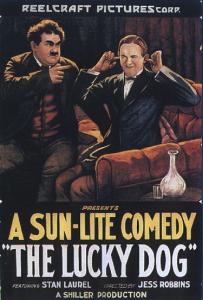
The Lucky Dog (1921)
Although they appear in scenes together, Laurel and Hardy play independently. Laurel is the star as the hero of the film and Hardy plays the main villain opposite him.
The Bakery (1921)
Featuring Oliver Hardy that was directed by Larry Semon
Mud and Sand (1922)
starring Stan Laurel.
Golf (1922)
Starring Larry Semon and featuring Oliver Hardy.
The Pest (1922)
starring Stan Laurel.
The Sawmill (1922)
Starring Larry Semon and featuring Oliver Hardy.
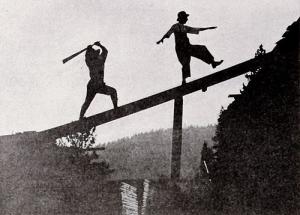
Oranges and Lemons (1923)
Starring Stan Laurel
Kid Speed (1924)
directed by Larry Semon and featuring Oliver Hardy.
Dr. Pyckle and Mr. Pryde (1925)
Starring Stan Laurel
Wizard of Oz (1925)
With Oliver Hardy and Larry Semon
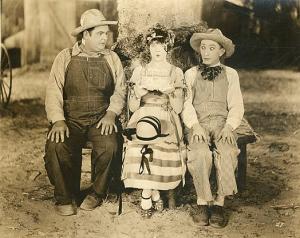
Madame Mystery (1926)
starring Theda Bara, Oliver Hardy, and James Finlayson,
Directed by Richard Wallace and Stan Laurel, co-written by Laurel, and produced by Hal Roach. Footage from this film was reused in the Hal Roach two-reeler 45 Minutes From Hollywood (released December 26, 1926).
From 1927 – 1929 they appeared in 44 films. Some highlights from 1927 include
Do Detectives Think? (1927)
First film in which the duo appear in their standard costumes
Putting Pants on Philip (1927)
Their first “official” film together as a team.
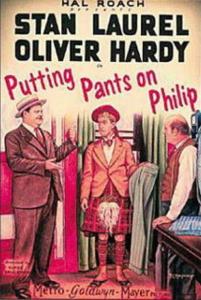
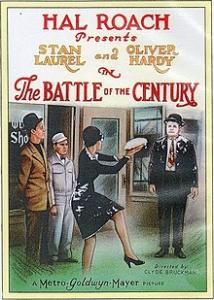
The Battle of the Century (1927)
The film is famous for its use of more than 3,000 cream pies (although the Guinness Book of Records claims that as many as 10,000 may have been used) in the film’s climactic pie fight. For many years only three minutes from the film’s second reel, containing the pie fight, was thought to have survived, as the footage had been included in Robert Youngson‘s 1950s film documentaries. However, the complete reel was rediscovered in 2015. It was released to the public on DVD and Blu-ray disc on June 16, 2020, as part of the Laurel & Hardy: The Definitive Restorations compilation of remastered films. Also in 2020, The Battle of the Century was selected for preservation in the United States National Film Registry by the Library of Congress as being “culturally, historically, or aesthetically significant.”
Two Tars (1928)
Big Business (1929)
Unaccustomed As We Are (1929) First sound film as well as the first all talkie short film by Hal Roach.
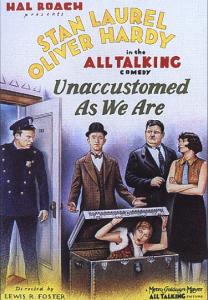
Brats (1930)
Max Linder
- First Movie First Night Out (Short 1905)
Some Highlights Before the 1920’s
Max Learns to Skate (Short 1907) Linder’s first appearance as “Max” was in The Skater’s Debut in 1907. Lake Daumesnil in Paris had frozen over and director Louis Gasnier filmed Linder in his new attire, with Linder improvising the rest. In the film, “Max” falls about and does a rendition of “the windmill routine” by spinning his cane around, predating Charlie Chaplin‘s version in The Rink by nine years.
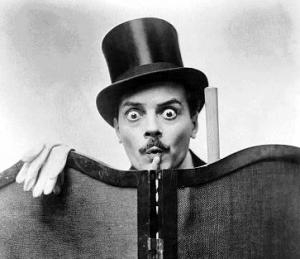
- Max Takes Tonics (1911)
- The Romance of Max (1912)
- Max and His Mother-in-Law (1914)
- Max Wants a Divorce (1917)
- Max and His Taxi (1917)
1920’s
- Seven Years Bad Luck (1921)
- Be My Wife (1921)
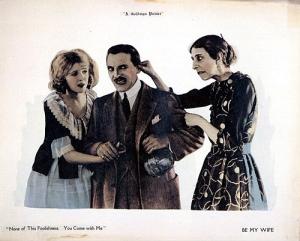
- The Three Must-Get-Theres (1922)
- Au Secours! (1924)
- The King of the Circus (1925)
- The Porter from Maxim’s (1927, screenplay)
Harold Lloyd
One of the most influential film comedians of the silent era, Lloyd made nearly 200 comedy films, both silent and talkies, from 1914 to 1947. His bespectacled “glasses character” was a resourceful, ambitious go-getter who matched the zeitgeist of the 1920s-era United States.
1st Film The Old Monk’s Tale (1913)
Some Highlights Before the 1920’s
Miss Fatty’s Seaside Lovers (1915) with Roscoe Arbuckle
A Submarine Pirate (1915) with Syd Chaplin
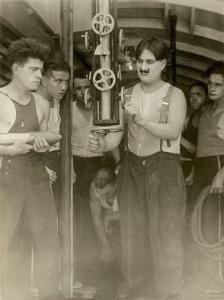
Giving Them Fits (1915) Lonesome Luke # 6 It was the first film to team up Lloyd with Snub Pollard and Bebe Daniels.
Luke’s Movie Muddle (1916) Lonesome Luke # 44
Over the Fence (1917) The film is notable as the debut of Lloyd’s “Glasses” or “Boy” character.
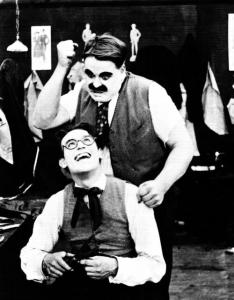
Fireman Save My Child (1918)
Bumping into Broadway (1919) This film is notable as Lloyd’s first two-reeler featuring his “glasses” character.
From this point onward, all of Lloyd’s films exist in the archives.
1920’s
Haunted Spooks (1920) The film began shooting on August 9, 1919 and halted on the 23rd of that month due to an accident. Lloyd was posing for publicity photos, and a prop bomb exploded in his hand. He lost two fingers, his face was badly burned and he was temporarily blinded. In subsequent films, he wore a prosthetic glove fitted with artificial fingers.
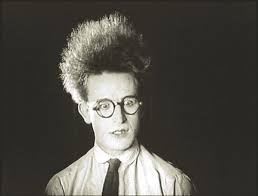
- A Sailor-Made Man (1921)
- Grandma’s Boy (1922)
- Dr. Jack (1922)
Safety Last! (1923) It includes one of the most famous images from the silent-film era: Lloyd clutching the hands of a large clock as he dangles from the outside of a skyscraper above moving traffic. The film was highly successful and critically hailed, and it cemented Lloyd’s status as a major figure in early motion pictures. It is still popular at revivals, and it is viewed today as one of the great film comedies.
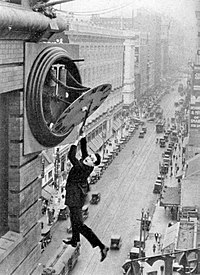
- Why Worry? (1923)
- Girl Shy (1924)
- Hot Water (1924)
The Freshman (1925) In 1990, The Freshman was selected for preservation in the United States National Film Registry by the Library of Congress as being “culturally, historically, or aesthetically significant,” added in the second year of voting and one of the first 50 films to receive the honor.
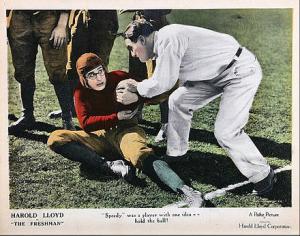
For Heaven’s Sake, (1926) It was one of Lloyd’s most successful films and the 12th-highest-grossing film of the silent era, earning $2,600,000.
The Kid Brother (1927)This is considered by critics and fans to be one of Lloyd’s best films, integrating elements of comedy, romance, drama, and character development.
Speedy (1928)
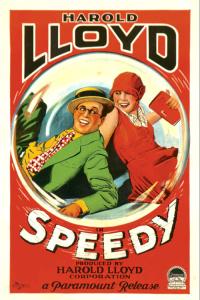
Welcome Danger (1929) Lloyd had already completed Welcome Danger as a silent feature when his distributor, Paramount Pictures, was heavily promoting talking pictures. Lloyd decided to remake Welcome Danger with sound, going so far as to recast some of the supporting roles with stage-trained actors familiar with dialogue.
Feet First (1930)
Our Gang
Our Gang # 1 One Terrible Day (1922)
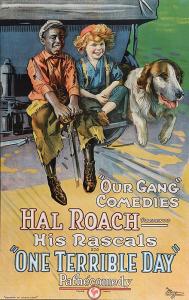
Our Gang # 14 Dogs of War! (1923) With Harold Lloyd, Jobyna Ralston.
Our Gang #27 Jubilo, Jr. With Will Rogers and Charley Chase
Our Gang #39 Ask Grandma (1925)
Our Gang #52 Shivering Spooks (1926)
Our Gang #57 Seeing the World (1927) with Stan Laurel
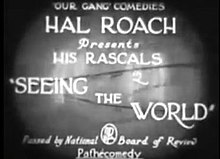
Our Gang #64 Yale vs. Harvard (1927) LOST First of the The Roach/MGM silents
Our Gang # 72 The Smile Wins (1928) – It is the final Our Gang short released through Pathé Exchange.
Our Gang # 74 Barnum & Ringling, Inc. (1928) With Oliver Hardy
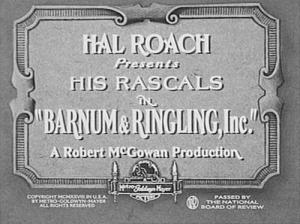
Our Gang # 86 Small Talk (1929) First sound film; release dates of first five sound shorts overlap with those of final three silents shorts
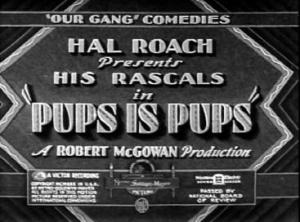
Our Gang # 100 Pups Is Pups (1930) Selected for preservation in the United States National Film Registry by the Library of Congress.
Various 20’s Slapstick Comedians
This is but just a sample of at least one of their many films
- The Round-Up (1920) starring Roscoe “Fatty” Arbuckle and featuring Wallace Beery.
- The Pickaninny (1921) Sunshine Sammy Morrison
- The Old Sea Dog (1922) Snub Pollard
- It’s a Gift (1923) Snub Pollard
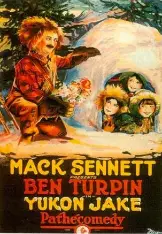
- Yukon Jake (1924) Ben Turpin
- Big Moments from Little Pictures (1924) Will Rogers
- The Movies (1925) starring Lloyd Hamilton and directed by Roscoe Arbuckle
- The Crackerjack (1925) tarring Johnny Hines
- Circus Today (1926) Billy Bevan, Andy Clyde, Madeline Hurlock
- Movieland (1926) Lupino Lane
- Heavy Love (1926) Ton of Fun
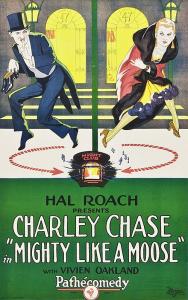
- Mighty Like a Moose (1926) Charley Chase
- Now You Tell One (1926) Charles Bowers
- Hands Up! (1926) Raymond Griffith
- Play Safe (1927) Monty Banks
- Running Wild (1927) W. C. Fields
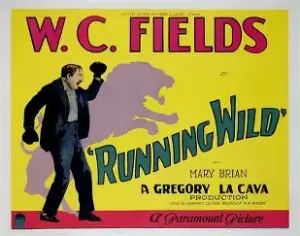
- The Doll with Millions (1928) A Russian film by Sergei Komarov starring Igor Ilyinsky.
- My Grandmother (1929) A Russian film directed by Konstantine Mikaberidze.
Leading Men
Barrymore
Fighting Blood (1911) Lionel Barrymore’s first film.
An American Citizen (1914) John Barrymore’s first film.
The Nightingale (1914) LOST Ethel Barrymore ‘s first film.
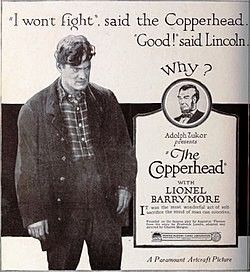
The Copperhead (1920) Lionel Barrymore
Dr. Jekyll and Mr. Hyde, directed by John S. Robertson, starring John Barrymore
Sherlock Holmes (1922) starring John Barrymore
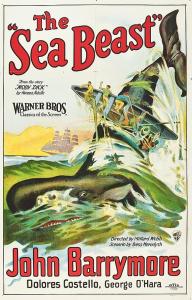
The Sea Beast (1926) starring John Barrymore
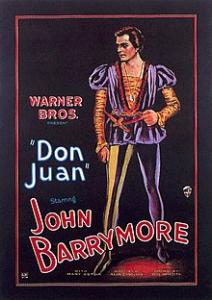
Don Juan (1926) starring John Barrymore
It is the first feature-length film to utilize the Vitaphone sound-on-disc sound system with a synchronized musical score and sound effects, though it has no spoken dialogue.
The Beloved Rogue (1927) starring John Barrymore
The Show (1927) with Lionel Barrymore
Tempest (1928) starring John Barrymore
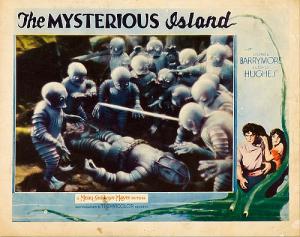
The Mysterious Island (1929) with Lionel Barrymore
Moby Dick (1930) starring John Barrymore
Lon Chaney
1st Movie Poor Jake’s Demise (1913)
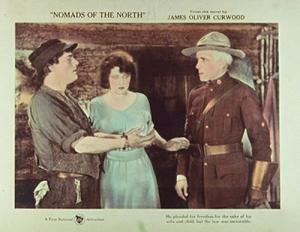
Nomads of the North (1920)
The Ace of Hearts (1921)
Flesh and Blood (1922)
Oliver Twist (1922)
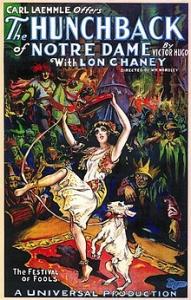
The Hunchback of Notre Dame (1923)
He Who Gets Slapped (1924)
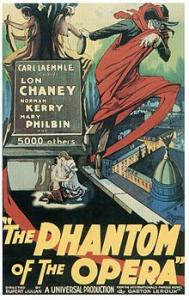
The Phantom of the Opera (1925)
Tell It to the Marines (1926)
The Unknown (1927)
Laugh, Clown, Laugh (1928)
Where East Is East (1929)
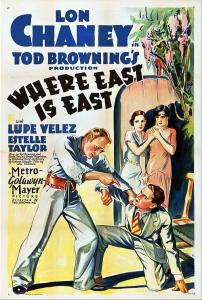
The Unholy Three (1930) (Sound Remake) This film is notable for the fact that it was Chaney’s last film, as well as his only talkie. Chaney died from throat cancer one month after the film’s release.
Douglas Fairbanks
1st Movie The Lamb (1915)
Some Highlights Before the 1920’s
The Mystery of the Leaping Fish (1916)
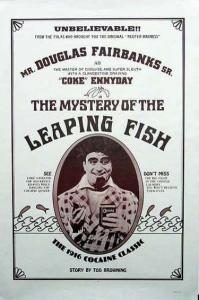
When the Clouds Roll by (1919)
The Knickerbocker Buckaroo (1919) Lost
1920’s
The Mollycoddle (1920)
The Mark of Zorro (1920)
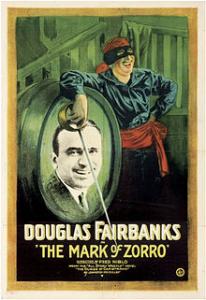
The Nut (1921)
The Three Musketeers (1921)
Robin Hood (1922)
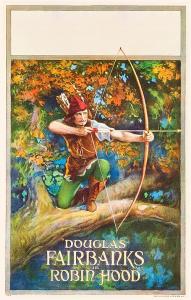
The Thief of Bagdad (1924)
Don Q, Son of Zorro (1925)
The Black Pirate, (1926)
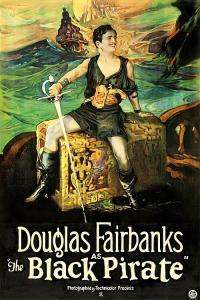
The Gaucho (1927)
Show People (1928) As Himself
The Iron Mask (1929)
The Taming of the Shrew (1929)
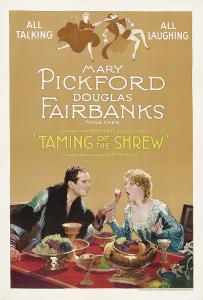
Reaching for the Moon (1930)
Rudolph Valentino
1st Film My Official Wife (1914) Lost
An Adventuress (1920)
The Four Horsemen of the Apocalypse (1921)
The Sheik (1921)
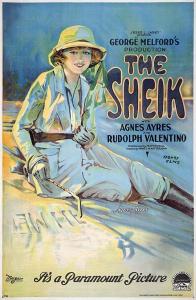
Blood and Sand (1922)
Monsieur Beaucaire (1924)
The Eagle (1925)
The Son of the Sheik (1926)
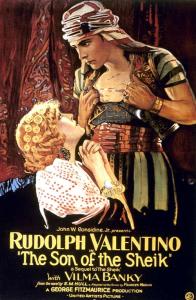
Animals
Rin Tin Tin
The Man from Hell’s River (1922)
Where the North Begins (1923)
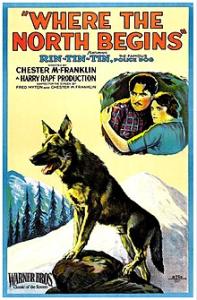
The Lighthouse by the Sea (1924)
The Clash of the Wolves (1925)
The Night Cry (1926)
Jaws of Steel (1927)
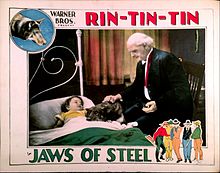
A Race for Life (1928)
The Show of Shows (1929)
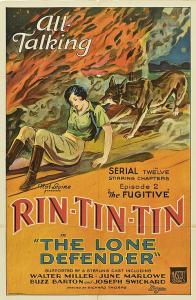
The Lone Defender (1930)
Leading Ladies
Greta Garbo
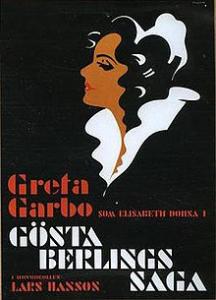
The Saga of Gosta Berling (1924)
Garbo’s first leading part in a feature-length film; Swedish, dir. Mauritz Stiller.
The Joyless Street (1925)
Flesh and the Devil (1926)
The first of seven Garbo films directed by Clarence Brown, and first of four movies with co-star John Gilbert
Love (1927) ‘Adapted from the novel Anna Karenina by Tolstoy
The Mysterious Lady (1928)
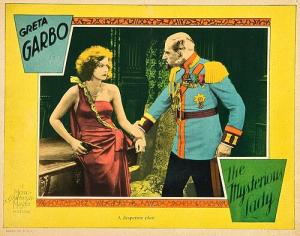
A Woman of Affairs (1928)
The first of seven Garbo films with actor Lewis Stone, who, with the exception of Wild Orchids, played secondary roles.
Wild Orchids (1929)
The Kiss (1929) Garbo’s, and MGM’s, last silent picture
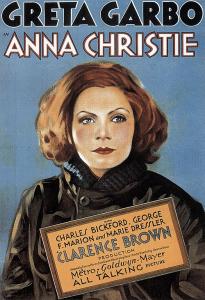
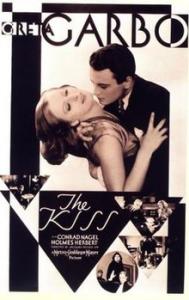 Anna Christie (1930) Nominated – Academy Award for Best Actress
Romance (1930) Nominated – Academy Award for Best Actress
Anna Christie (1930) MGM’s German version of Anna Christie was also released in 1930
Mary Pickford
1st Movie Two Memories (1909) Directed by D. W. Griffith
Some Highlights Before the 1920’s
Ramona (1910) directed by D. W. Griffith,
Cinderella (1914)
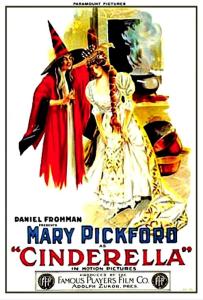
Madame Butterfly (1915)
Poor Little Peppina (1916)
The Poor Little Rich Girl (1917)
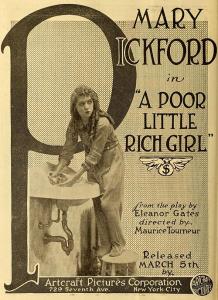
A Romance of the Redwoods (1917)
The Little American (1917)
Rebecca of Sunnybrook Farm (1917)
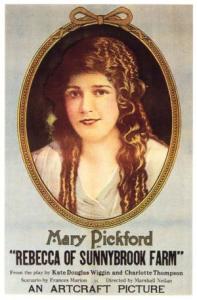
A Little Princess (1917)
Stella Maris (1918)
Daddy-Long-Legs (1919)
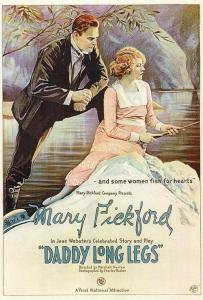
1920’s
Pollyanna (1920)
Suds (1920)
Little Lord Fauntleroy (1921)
Tess of the Storm Country (1922)
Rosita (1923)
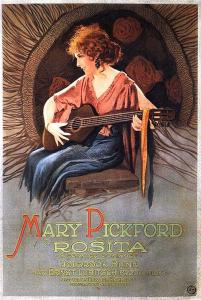
Dorothy Vernon of Haddon Hall (1924)
Little Annie Rooney (1925)
Sparrows (1926)
My Best Girl (1927)
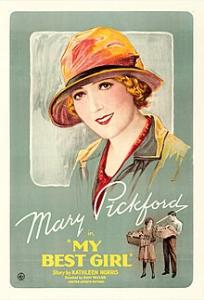
Coquette (1929) Best Actress
@ 1st Academy Awards
Books
For a Complete List of Books Please Consult
Catholic Bard’s Guide To Public Domain Literature
A List Of Books Available In The Public Domain
Children’s Books
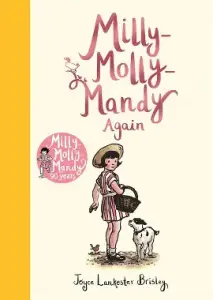
Milly-Molly-Mandy
Milly-Molly-Mandy Stories (1928)
Milly-Molly-Mandy Again (1929)
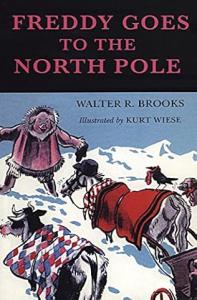
1. Freddy Goes to Florida, (To and Again)(1927)
2. Freddy Goes to the North Pole (More To and Again) (1930)
Old Mother West Wind (1910) First Children’s Book
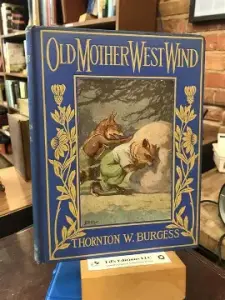
Partial Bibliography
- The Burgess Animal Book for Children (1920)
- The Adventures of Lightfoot the Deer (1921)
- Whitefoot the Wood Mouse (1922)
- Buster Bear’s Twins (1923)
- Billy Mink (1924)
- Little Joe Otter (1925)
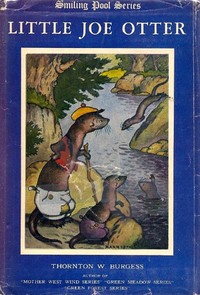
- “Jerry Muskrat at Home” (1926)
- Longlegs the Heron (1927)
- Bobby Coon Has a Good Time (1928)
- The Burgess Seashore Book for Children (1929)
- Betty Bear’s Lesson (1930)
William Brown books
1. Just William (1922)
2. More William (1922)
3. William Again (1923)
4. William The Fourth (1924)
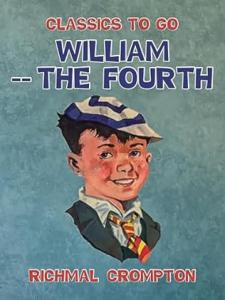
5. Still William (1925)
6. William The Conqueror (1926)
7. William The Outlaw (1927)
8. William In Trouble (1927)
9. William The Good (1928)
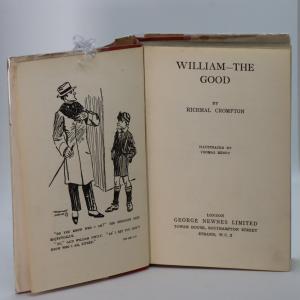
10. William (1929)
11. William The Bad (1930)
12. William’s Happy Days (1930)
Chalet School
1. The School At the Chalet (1925)
2. Jo of the Chalet School (1926)
3. The Princess of the Chalet School (1927)
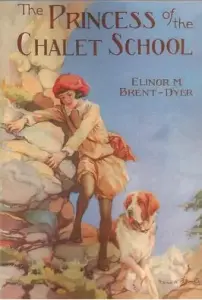
4. The Head Girl of the Chalet School (1928)
5. The Rivals of the Chalet School (1929)
6. Eustacia Goes to the Chalet School (1930)
Written and illustrated by Gruelle
- Raggedy Ann Stories (1918)
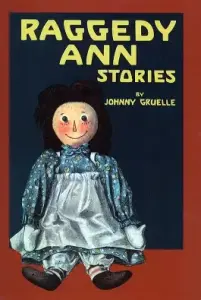
- Friendly Fairies (1919)
- Little Sunny Stories (1919)
- Raggedy Andy Stories (1920)
- The Little Brown Bear (1920)
- Orphant Annie Story Book (1921)
- Eddie Elephant (1921)
- Johnny Mouse and the Wishing Stick (1922),
- The Magical Land of Noom (1922)
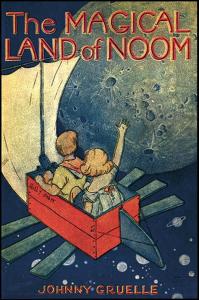
- Raggedy Ann and Andy and the Camel with the Wrinkled Knees (1924)
- Raggedy Andy’s Number Book (1924)
- Raggedy Ann’s Wishing Pebble (1925)
- Raggedy Ann’s Alphabet Book (1925)
- Beloved Belindy (1926)
- The Paper Dragon: A Raggedy Ann Adventure (1926)
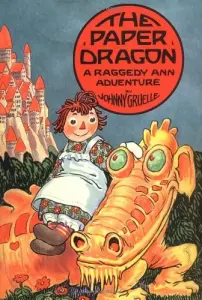
- Wooden Willie (1927)
- Raggedy Ann’s Magical Wishes (1928)
- Marcella: A Raggedy Ann Story (1929)
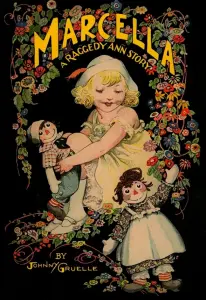
- The Cheery Scarecrow (1929)
- Raggedy Ann in the Deep Deep Woods (1930)
- Raggedy Ann’s Sunny Songs (1930), words and illustrations by Johnny Gruelle, music by Will Woodin
Hugh John Lofting
(January 14, 1886 – September 26, 1947)
Doctor Dolittle
1. The Story of Doctor Dolittle (1920)
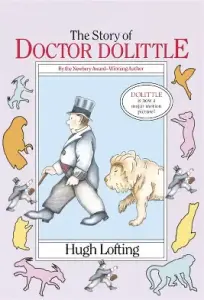
2. The Voyages of Doctor Dolittle (1922)
3. Doctor Dolittle’s Post Office (1923)
4. Doctor Dolittle’s Circus (1924)
5. Doctor Dolittle’s Zoo (1925)
6. Doctor Dolittle’s Caravan (1926)
7. Doctor Dolittle’s Garden (1927)
8. Doctor Dolittle in the Moon (1928)
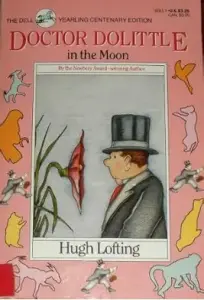
The Twilight of Magic (1930)
A. A. Milne
( January 18, 1882 – January 31, 1956)
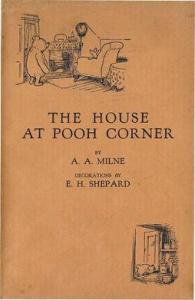
Winnie-the-Pooh
1. When We Were Very Young (1924)
2. Winnie-the-Pooh (1926)
3. Now We Are Six (1927)
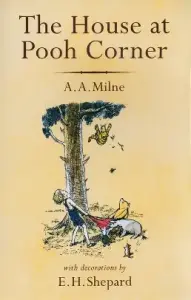
4 The House at Pooh Corner (1928)
If I May (1920)
The Red House Mystery (1922)
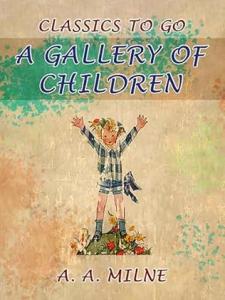
A Gallery of Children (1925)
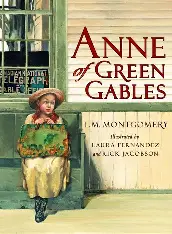
# 1 Anne of Green Gables (1908)
Further Chronicles of Avonlea (1920)
Anne of Green Gables # 8. Rilla of Ingleside (1921)
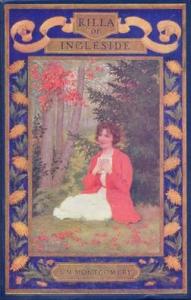
Emily trilogy
1. Emily of New Moon (1923)
2. Emily Climbs (1925)
3.Emily’s Quest (1927)
The Blue Castle (1926)
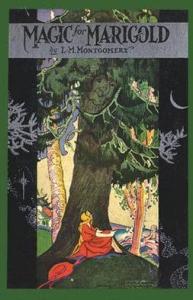
Magic for Marigold (1929)
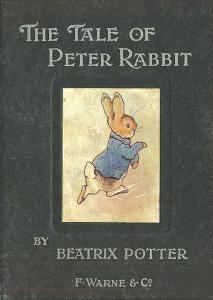
1. The Tale of Peter Rabbit (privately printed, 250 copies, 1901; printed in a trade edition by Frederick Warne & Co. in 1902)
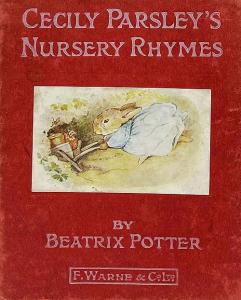
22. Cecily Parsley’s Nursery Rhymes (1922)
The Fairy Caravan (1929)
23. The Tale of Little Pig Robinson (1930)
Sunnybank
1. Lad: A Dog (1919)
2. Bruce (1920)
3. Buff (1921)
4. His Dog (1922)
5. Further Adventures of Lad (1922)
aka Dog Stories Every Child Should Know
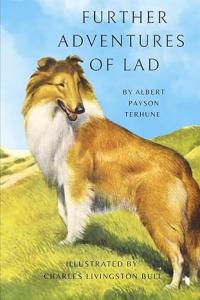
6. A Book of Famous Dogs (1922)
aka Famous Dog Stories Every Child Should Know
7. Treve (1924)
8. The Heart Of A Dog (1921)
9. Wolf (1924)
10. Treasure (1926)
aka The Faith of a Collie
11. My Friend the Dog (1922)
12. Gray Dawn (1927)
13. The Luck of the Laird (1926)
aka A Highland Collie
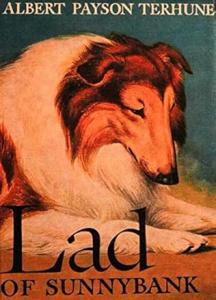
14. Lad of Sunnybank (1929)
Ruth Plumly Thompson
(July 27, 1891 –April 6, 1976)
The Princess of Cozytown (1922) (illustrated by Janet Laura Scott)
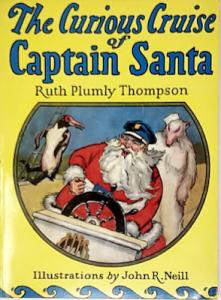
The Curious Cruise of Captain Santa (1926)
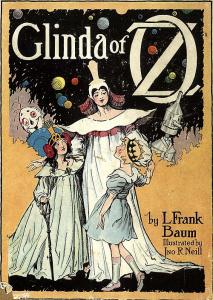
14. Glinda of Oz (1920) L. Frank Baum
It is the last book of the original Oz series, which, following Baum’s death.
15. The Royal Book of Oz (1921)
16. Kabumpo in Oz (1922)
17. The Cowardly Lion of Oz (1923)
18. Grampa in Oz (1924)
19. The Lost King of Oz (1925)
20. The Hungry Tiger of Oz (1926)
21. The Gnome King of Oz (1927)
22. The Giant Horse of Oz (1928)
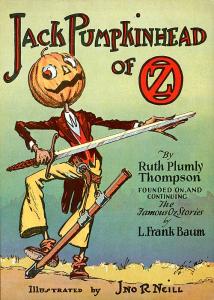
23. Jack Pumpkinhead of Oz (1929)
24. The Yellow Knight of Oz (1930)
29. The Wishing Horse of Oz (1935)
30. Captain Salt in Oz (1936)
31. Handy Mandy in Oz (1937)
32. The Silver Princess in Oz (1938)
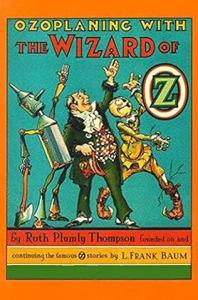
33. Ozoplaning With the Wizard of Oz (1939)
Other Oz Books
The Magical Mimics in Oz (1946) by Jack Snow
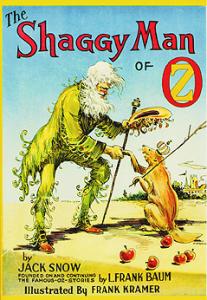
The Shaggy Man of Oz (1949) by Jack Snow
Bobbsey Twins
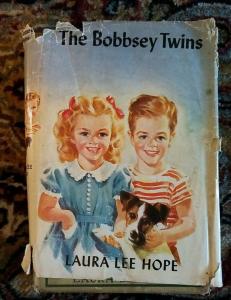
1. The Bobbsey Twins (1904)
aka The Bobbsey Twins of Lakeport
13. The Bobbsey Twins in the Great West (1920)
aka Visit to the Great West
14. The Bobbsey Twins At Cedar Camp (1921)
aka The Cedar Camp Mystery
15. The Bobbsey Twins At the County Fair (1922)
aka The County Fair Mystery
16. The Bobbsey Twins Camping Out (1923)
17. The Bobbsey Twins and Baby May (1924)
aka Adventures With Baby May
18. The Bobbsey Twins Keeping House (1925)
aka The Play House Secret
19. The Bobbsey Twins at Cloverbank (1926)
aka The Four-Leaf Clover Mystery
20. The Bobbsey Twins at Cherry Corners (1927)
aka The Mystery at Cherry Corners
21. The Bobbsey Twins and their Schoolmates (1928)
22. The Bobbsey Twins Treasure Hunting (1929)
23. The Bobbsey Twins at Spruce Lake (1930)
Other Classic Children’s Books
World of Pure Imagination
The Story of Opal (1920) by Opal Whiteley
The Story of Mankind (1921) It won the Newbery Medal for an outstanding contribution to children’s literature.
Margery Williams – The Velveteen Rabbit or How Toys Become Real (1922)
- Carl Sandburg – Rootabaga Stories (1922)
- Felix Salten – Bambi, A Life in the Woods (1923) (Bambi. Eine Lebensgeschichte aus dem Walde)
- Anne Parrish – The Dream Coach (1924)
- Arthur Bowie Chrisman– Shen of the Sea (1925)
- Will James – Smoky the Cowhorse (1926)
- John Masefield The Midnight Folk (1927)
- Edward Wyke Smith – The Marvellous Land of Snergs (proto-Hobbits) (1927)
- Wanda Gág – Millions of Cats (1928)
- Eric P. Kelly – The Trumpeter of Krakow (1929)
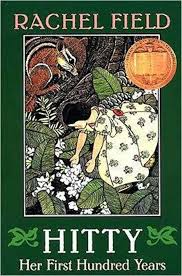
- Rachel Field – Hitty, Her First Hundred Years (1929)
- Erich Kästner – Emil and the Detectives (Emil und die Detektive) (1929)
- Watty Piper – The Little Engine That Could (1930)
Classic Adventure and Westerns
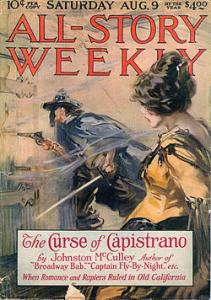
1. The Curse of Capistrano, All-Story Weekly Vol. 100 No. 2 – Vol. 101 No. 2, August 9 1919 – September 6 1919, serial segment – novella The Curse of Capistrano published by Grosset & Dunlap in 1919
2. The Further Adventures of Zorro, Argosy Vol. 142 No. 4 – Vol. 143 No. 3, May 6 1922 – June 10 1922, serial segment – novella reissued by Grosset & Dunlap as The Mark of Zorro in 1924
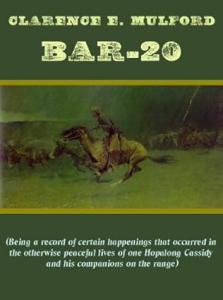
From Wikipedia: Hopalong Cassidy is a fictional cowboy hero created in 1904 by the author Clarence E. Mulford, who wrote a series of short stories and novels based on the character. The first novel was Bar-20 (1906) and the last novel was # 28 Hopalong Cassidy Serves a Writ (1941)
1. Bar-20 (1906)
8. Johnny Nelson (1920)
9. The Bar-20 Three (1921)
aka Hopalong Cassidy Sees Red
10. Tex (1922)
11. Bring Me His Ears (1922)
12. Black Buttes (1923)
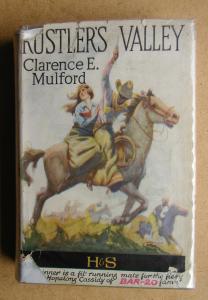
13. Rustlers’ Valley (1924)
14. Hopalong Cassidy Returns (1924)
15. Cottonwood Gulch (1925)
16. Hopalong Cassidy’s Protege (1926)
17. Bar-20 Rides Again (1926)
18. Corson of the J.C. (1927)
19. Mesquite Jenkins (1928)
20. Me and Shorty (1929)
21. Deputy Sheriff (1930)
Baroness Orczy
The Scarlet Pimpernel (1905) (The Scarlet Pimpernel)
The Triumph of the Scarlet Pimpernel (1922)
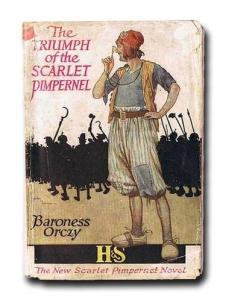
Sir Percy Hits Back (1927)
Bull-Dog Drummond
Bull-Dog Drummond (1920)
The Black Gang (1922)
The Dinner Club (1923)
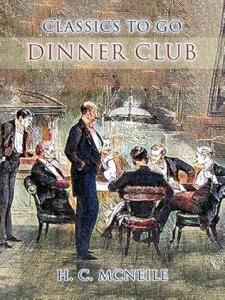
The Third Round (1924)
The Final Count (1926)
The Female of the Species (1928)
Four Rounds of Bull-Dog Drummond (1929)
Temple Tower (1929)
Classic Mystery Books
Margery Allingham
Albert Campion.
# 1 The Crime at Black Dudley (1929)
# 2 Mystery Mile (1930)
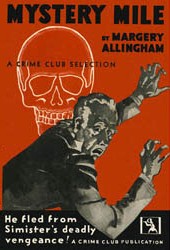
1 The Layton Court Mystery (1925)
2 The Wychford Poisoning Case (1926)
3 Roger Sheringham and the Vane Mystery (1927)
aka The Mystery At Lovers’ Cave
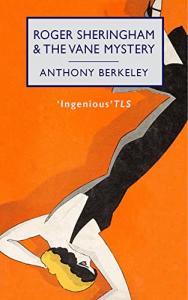
4 The Silk Stocking Murders (1928)
5 The Poisoned Chocolates Case (1929)
The Second Shot (1930)
Leslie Charteris
Meet the Tiger (1928)
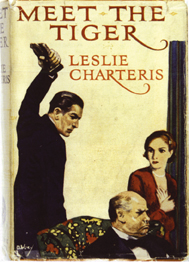
Enter the Saint (1930)
The Last Hero (1930)
Knight Templar (1930)
Dame Agatha Christie
( September 15, 1890 – 12 January 12,1976)

Hercule Poirot
1. The Mysterious Affair at Styles (1920)
2. The Murder on the Links (1923)
3. Poirot Investigates (1924)
4. The Murder of Roger Ackroyd (1926)
5. The Big Four (1927)
6. The Mystery of the Blue Train (1928)
7. Black Coffee (1930)
Tommy and Tuppence
1. The Secret Adversary (1922)
2. Partners in Crime (1929)
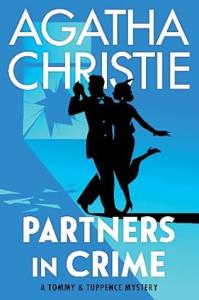
Superintendent Battle
1. The Secret of Chimneys (1925)
2. The Seven Dials Mystery (1929)
Miss Marple
The Tuesday Night Club (1927)
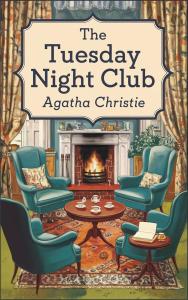
1. The Murder at the Vicarage (1930)
Quin and Satterthwaite
The Mysterious Mr Quin (1930)
Giant’s Bread (1930)
(as by Mary Westmacott)
The House Without a Key (1925)
The Chinese Parrot (1926)
Behind That Curtain (1928)
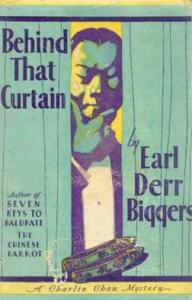
The Black Camel (1929)
Charlie Chan Carries On (1930)
Keeper of the Keys (1932) Last One not in PD
S S van Dine
Philo Vance Murder Cases
Philo Vance Murder Cases
1. The Benson Murder Case (1926)
2. The Canary Murder Case (1927)
3. The Greene Murder Case (1928)
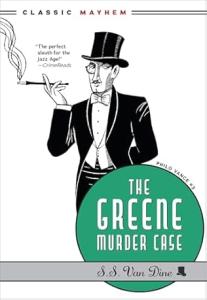
4. The Bishop Murder Case (1928)
5. The Scarab Murder Case (1930)
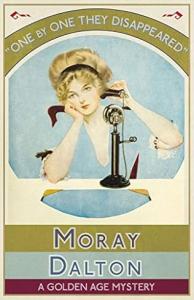
One By One They Disappeared (1929)
Sir Arthur Conan Doyle
(May 22, 1859 – July 7, 1930)
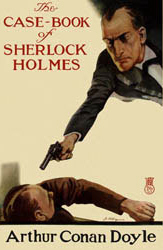
4 “The Disintegration Machine“(1929)
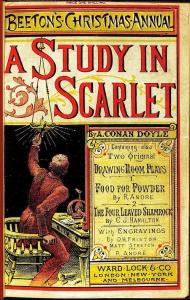
A Study in Scarlet (1887) The story marks the first appearance of Sherlock Holmes and Dr. Watson, who would go on to become one of the most well-known detective duos in literature.
“A Scandal in Bohemia” (July 1891) This is the first short story, and the third overall work, featuring Arthur Conan Doyle‘s fictional detective Sherlock Holmes. It is the first of the 56 Holmes short stories written by Doyle and the first of 38 Sherlock Holmes works illustrated by Sidney Paget. The story is notable for introducing the character of Irene Adler, who is one of the most notable female characters in the Sherlock Holmes series, despite appearing in only one story.
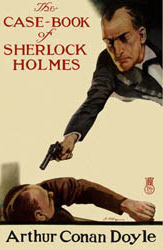
The Case-Book of Sherlock Holmes(1927)
Contains 12 stories published 1921–1927.
Hardy Boys

1. The Tower Treasure (1927)
2. The House on the Cliff (1927)
3. The Secret of the Old Mill (1927)
4. The Missing Chums (1928)
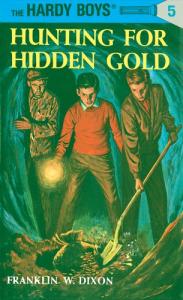
5. Hunting for Hidden Gold (1928)
6. The Shore Road Mystery (1928)
7. The Secret of the Caves (1929)
8. The Mystery of Cabin Island (1929)
9. Great Airport Mystery (1930)
Dr. Paul Vivanti
1. The Mystery of No. 1 (1925)
aka The Order of the Octopus
2. Vivanti (1927)
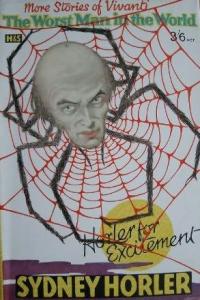
3. The Worst Man in the World (1929)
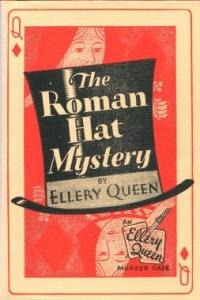
# 1 The Roman Hat Mystery (1929)
# 2 The French Powder Mystery (1930)
Talbot Mundy
Jimgrim
Jimgrim and the Devil At Ludd (1922)
Jimgrim and the Lost Trooper (1922)
Jimgrim and the Seventeen Thieves of El-Kalil (1922)
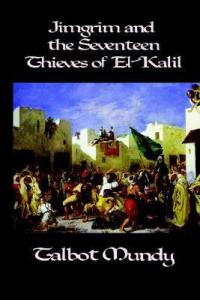
The Nine Unknown (1923)
The Devil’s Guard (1926) aka Ramsden
The Hundred Days (1930)
The Marriage of Meldrun Strange (1930)
The Woman Ayisha (1930)
Dorothy L . Sayers
( June 13, 1893 – December 17, 1957)
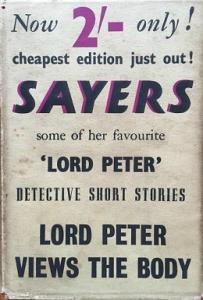
Peter Wimsey
1. Whose Body? (1923)
2. Clouds of Witness (1926)
3. Unnatural Death (1927)
4. Lord Peter Views the Body (1928)
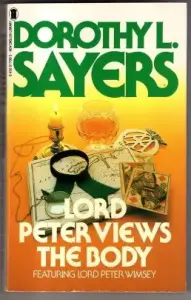
5. The Unpleasantness at the Bellona Club (1928)
6. Strong Poison (1930)
The Documents in the Case (1930)
1 Grey Mask (1928)
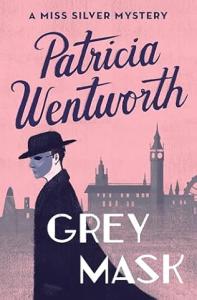
Classic Speculative Fiction Books
Edgar Rice Burroughs
(September 1, 1875 – March 19, 1950)
1. Tarzan of the Apes (1912)
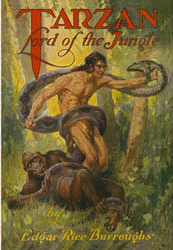
7. Tarzan the Untamed (1920)
8. Tarzan the Terrible (1921)
9. Tarzan and the Golden Lion (1923)
10. Tarzan and the Ant Men (1924)
11. The Tarzan Twins (1926)
12. Tarzan and the Lost Empire (1928)
13. Tarzan at the Earth’s Core (1929)
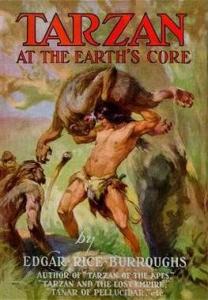
14. Tarzan the Invincible (1930)
1. A Princess of Mars (1912)
4. Thuvia, Maid of Mars (1920)
5. The Chessmen of Mars (1922)
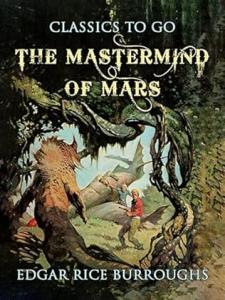
6. The Master Mind of Mars (1927)
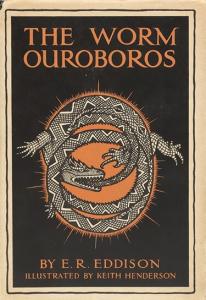
The Worm Ouroboros (1922)
Norse # 1 Styrbiorn the Strong (1926)
Norse # 2 Egil’s Saga(1930)
First book publications
- A Warning to the Curious and Other Ghost Stories. 1925. 6 stories.
- Wailing Well. 1928 (tale), Mill House Press, Stanford Dingley.
First magazine publication of uncollected tales
- “After Dark in the Playing Fields“, in College Days (Eton ephemeral magazine), no. 10 (28 June 1924), pp. 311–312, 314
- “There Was a Man Dwelt by a Churchyard“, in Snapdragon (Eton ephemeral magazine), 6 December 1924, pp. 4–5
- “Rats“, in At Random (Eton ephemeral magazine), 23 March 1929, pp. 12–14
Tom Swift
1. Tom Swift and His Motor Cycle (1910)
aka Fun and Adventure on the Road
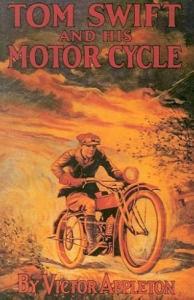
23. Tom Swift and His Undersea Search (1920)
aka The Treasure on the Floor of the Atlantic
24. Tom Swift Among the Fire Fighters (1921)
aka Battling with Flames in the Air
25. Tom Swift and His Electric Locomotive (1922)
aka Two Miles a minute on the Rails
26. Tom Swift and His Flying Boat (1923)
aka Castaways of the Giant Iceberg
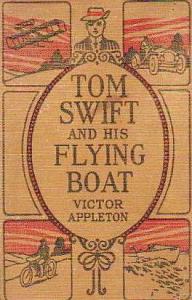
27. Tom Swift and His Great Oil Gusher (1924)
aka The Treasure of Goby Farm
28. Tom Swift and His Chest of Secrets (1925)
aka Tracing the Stolen Inventions
29. Tom Swift and His Airline Express (1926)
aka From Ocean to Ocean by Daylight
30. Tom Swift Circling the Globe (1927)
aka The Daring Cruise of the Air Monarch
31. Tom Swift and His Talking Pictures (1928)
aka The Greatest Invention on Record
32. Tom Swift and His House On Wheels (1929)
aka A Trip around the Mountain of Mystery
33. Tom Swift and His Big Dirigible (1930)
aka Adventures Over the Forest of Fire
39. Tom Swift and His Giant Telescope (1939)
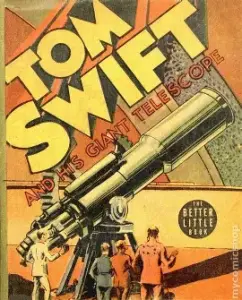
Victor Appleton II (House Name)
Tom Swift Jr
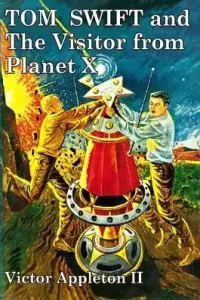
17. Tom Swift and the Visitor from Planet X (1961)
18. Tom Swift and the Electronic Hydrolung (1961)
Jack Williamson
One of several called the “Dean of Science Fiction”.
He is also credited with one of the first uses of the term genetic engineering.
-
-
- The Metal Man (1928)
- The Alien Intelligence (1929)
- The Second Shell (1929)
- The Girl from Mars (1929) with Miles J. Breuer, M.D.
-
Various Sci-Fi/Fantasy/Adventure Authors
- The Metal Monster (Argosy All-Story Weekly, August 1920) A. Merritt
- The Mad Planet (Argosy, June 1920) Murray Leinster
- The Red Dust
 (Argosy All-Story Weekly, April 1921) Murray Leinster
 - The Curious Case of Benjamin Button • (1922) • novelette by F. Scott Fitzgerald
- The Girl in the Golden Atom, novel (1922) Ray Cummings
- The Bamboo Trap • (1923) • short fiction by Robert S. Lemmon
- The Most Dangerous Game • non-genre • (1924) • novelette by Richard Edward Connell
- The Pearl of Love • (1925) • short story by H. G. Wells
- The Monster-God of Mamurth (1926) Edmond Hamilton
- The Colour Out of Space • [Cthulhu Mythos (Lovecraft originals)] • (1927) • novelette by H. P. Lovecraft
- Armageddon 2419 A.D. (Amazing, August 1928) The original “Buck Rogers”. By Philip Francis Nowlan
- The Skylark of Space (1928) Lee Hawkins Garby and Edward Elmer Smith
- Action • (1928) • short fiction by C. E. Montague
- The Maracot Deep • (1929) • novel by Arthur Conan Doyle
- Marooned in Andromeda • [Captain Volmar • 1] (1930)• novelette by Clark Ashton Smith
Classic Authors
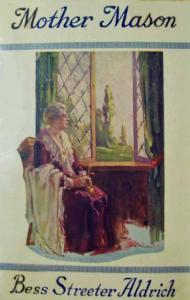
Mother Mason (1924)
The Rim of the Prairie (1925)
The Cutters (1926)
A Lantern in Her Hand (1928)
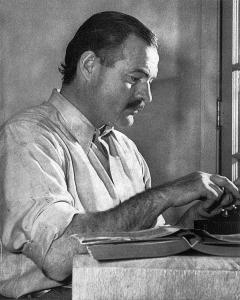
Ernest Hemingway
(July 21, 1899 – July 2, 1961)
- Three Stories and Ten Poems (1923)
- Big Two-Hearted River (1925)
- In Our Time (1925)
- The Torrents of Spring (1925)
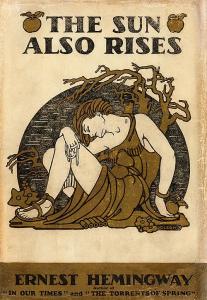
- The Sun Also Rises (1926)
- Men Without Women(1927)
- In Another Country (1927)
- A Farewell to Arms (1929)
The Sound and the Fury (1929)
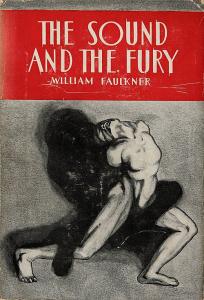
“A Rose for Emily” (1930)
As I Lay Dying (1930)
“Extricating Young Gussie” – The first appearances of Jeeves and Bertie, originally published 1915-09-18 in the Saturday Evening Post.
1. My Man Jeeves (1919)
2. The Inimitable Jeeves (1923) aka Jeeves
3. Carry on, Jeeves (1925)
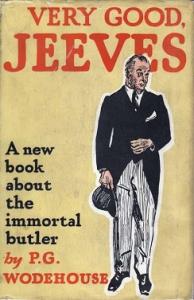
4. Very Good, Jeeves (1930)
Various Authors
The Age of Innocence (1920) –Edith Wharton (1862–1937) Pulitzer Prize for Fiction
Alice Adams (1921)-Booth Tarkington( 1869–1949) Pulitzer Prize for Fiction
One of Ours (1922) – Willa Cather (1873–1947) Pulitzer Prize for Fiction
Ulysses (1922) James Joyce
The Able McLaughlins (1923) – Margaret Wilson (1882–1973) Pulitzer Prize for Fiction
So Big – Edna Ferber (1924) (1885–1968) Pulitzer Prize for Fiction
Arrowsmith (1925)- Sinclair Lewis (1885–1951) Pulitzer Prize for Fiction
Mrs Dalloway (1925) Virginia Woolf
Early Autumn (1926)- Louis Bromfield (1896–1956) Pulitzer Prize for Fiction
Willa Cather (December 7, 1873 – April 24, 1947) Death Comes for the Archbishop (1927)
Caroling Dusk (1927) edited by Countee Cullen includes her poem I HAVE A RENDEZVOUS WITH LIFE
Barbara Newhall Follett (March 4, 1914 – disappeared December 7, 1939)
The House Without Windows, (1927) Published when was twelve years old.
To the Lighthouse (1927) Virginia Woolf
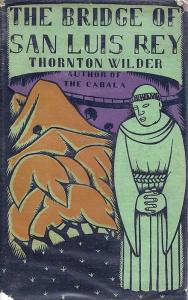
Thornton Wilder (April 17, 1897 – December 7, 1975) The Bridge of San Luis Rey (1927)—won the Pulitzer Prize for the Novel (1928)
Barbara Newhall Follett – The Voyage of the Norman D (1928) Received critical acclaim when she was fourteen.
E. M. Forster – The Eternal Moment and Other Stories (1928)
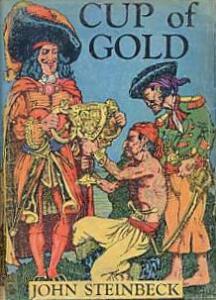
Cup of Gold (1929) John Steinbeck
Pearl S. Buck – East Wind: West Wind (1930)
Inklings and Christian Authors
G. K. Chesterton
(May 20, 1874 –June 15, 1936)
The New Jerusalem. (1920)
The Man Who Knew Too Much (stories). (1922)
St. Francis of Assisi. (1923)
(stories). (1925)
The Everlasting Man. (1925)
Father Brown Stories
- “The Blue Cross”, The Story-Teller, September 1910; first published as “Valentin Follows a Curious Trail”, The Saturday Evening Post, 23 July 1910 and was published in the first Father Brown collection 1. The Innocence of Father Brown (1911).
3. The Incredulity Of Father Brown (1926)
4. The Secret Of Father Brown (1927)
The Outline of Sanity. (1926)
The Catholic Church and Conversion. (1926)
The Return of Don Quixote (1927)
Ronald Knox
(February 17, 1888 – August 24, 1957)
The Viaduct Murder (1925)
The Belief of Catholics (1927)
Miles Bredon
1. The Three Taps (1927)
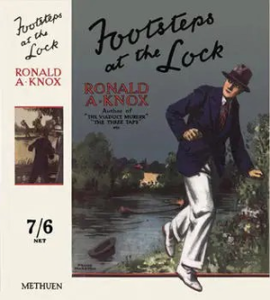
The Footsteps at the Lock (1928)
Collaborative works by the Detection Club
Behind the Screen (1930) (six contributors including Knox)
- God and Intelligence. London: Longmans-Green, 1925.
- Religion Without God. London: Longmans-Green, 1928.
- The Life of All Living: The Philosophy of Life. New York: The Century Co., 1929
- The Divine Romance. New York: The Century Co., 1930.
Classic Non-Fiction Books
- H. G. Wells – The Outline of History (1920)
- Zitkala-Sa – American Indian Stories (1921)
- E. E. Cummings – The Enormous Room (1922)
- Sigmund Freud – The Ego and the Id (1923)
- D. H. Lawrence – Studies in Classic American Literature (1923)
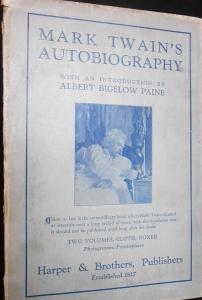
- Mark Twain – The Autobiography of Mark Twain (1924)
- H. G. Wells – A Year of Prophesying (1925)
- H. Rider Haggard – The Days of My Life (1926)
- T. E. Lawrence – Seven Pillars of Wisdom (1926)
- J. W. Dunne – An Experiment with Time (1927)
- Charles Augustus Lindbergh – “WE” (1927 )
- E. M. Forster – Aspects of the Novel (1927)
- Margaret Mead – Coming of Age in Samoa (1928)
- Virginia Woolf – A Room of One’s Own (1929)
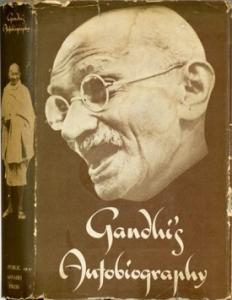
- Mahatma Gandhi – The Story of My Experiments with Truth (1929)
- Robert Graves – Good-Bye to All That (1929)
Poetry
- T. S. Eliot – Poems (Twelve poems including “Lune de Miel” and “The Hippopotamus”) (1920)
- Robert Frost – Miscellaneous Poems (1920)
- William Carlos Williams – Sour Grapes (1921)
- T. S. Eliot – The Waste Land (1922)
- E. E. Cummings – Tulips and Chimneys (1923)
- Robert Frost – New Hampshire (including “Stopping by Woods on a Snowy Evening“) (1923)
- Muhammad Iqbal – Bang-i-Dara (1924)
- T. S. Eliot – The Hollow Men (1925)
- Langston Hughes – The Weary Blues (1926)
- James Joyce – Pomes Penyeach (1927)
- Stephen Vincent Benét – John Brown’s Body (1928)
- T. H. White, Loved Helen, and Other Poems (1929)
- T. S. Eliot – Ash Wednesday (1930)
Drama
- Karel Čapek – R.U.R. (Rossum’s Universal Robots) (1920)
- Luigi Pirandello – Six Characters in Search of an Author (1921)
- Eugene O’Neill – The Hairy Ape (1922)
- George Bernard Shaw – Saint Joan (1923)
- Maxwell Anderson and Laurence Stallings – What Price Glory? (1924)
- Patrick Hastings – The River (1925)
- Seán O’Casey – The Plough and the Stars (1926)
- Oscar Hammerstein II (book & lyrics) – Show Boat (musical play adaptation) (1927)
- Bertolt Brecht – The Threepenny Opera (1928)
- Elmer Rice – Street Scene (1929)
- Fred Duprez – My Wife’s Family (1930)
Comics
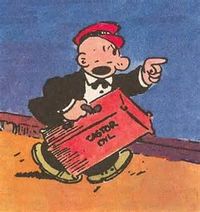
1920 – In E.C. Segar‘s Thimble Theatre, Castor Oyl makes his debut.
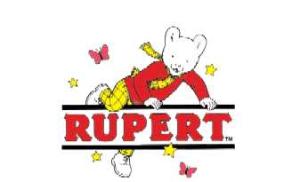
Rupert Bear makes its debut. Her husband Herbert Tourtel writes the texts, while she illustrates.
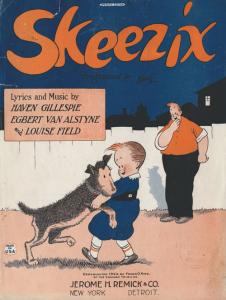
1921 – In Frank King‘s Gasoline Alley Walt Wallet discovers a baby at his doorstep, who will later be named Skeezix and adopted as his own son.
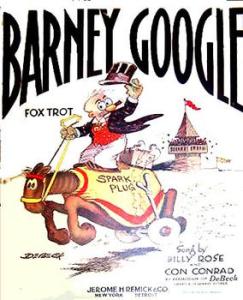
1922 – In Billy DeBeck‘s Barney Google Spark Plug the horse makes its debut, leading to an eventual title change as Barney Google and Sparky Plug.
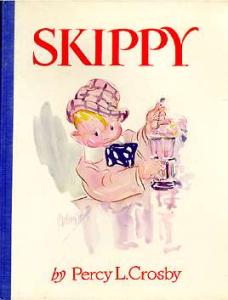
1923 – Percy Crosby‘s Skippy makes its debut.
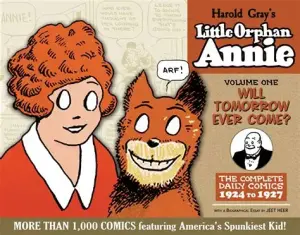
1924 – Harold Gray‘s Little Orphan Annie makes its debut.
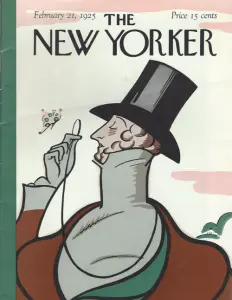
1925 – The first issue of the American humor and cartoons magazine The New Yorker is published. On its cover their mascot, Eustace Tilley, designed by Rea Irvin, makes his debut.
1926 – Hergé publishes his first actual comic strip, The Adventures of Totor in the Belgian scouting magazine Le Boy Scout Belge. It will run until July 1929.
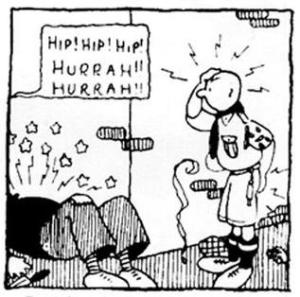
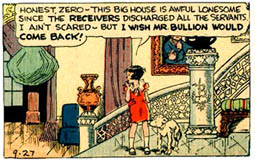
1927 – Ed Verdier’s Little Annie Rooney makes its debut. He will draw it for the first two years.
1928 – Dante Quinterno‘s Patoruzú makes its debut.
1929
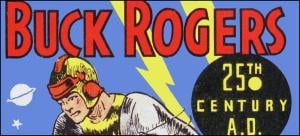
Dick Calkins‘ comic strip Buck Rogers, based on the novels of Philip Francis Nowlan, makes its debut.
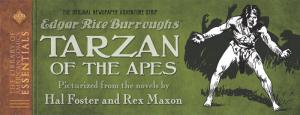
Hal Foster‘s comic strip Tarzan of the Apes, loosely based on Edgar Rice Burroughs‘s novels, makes its debut.
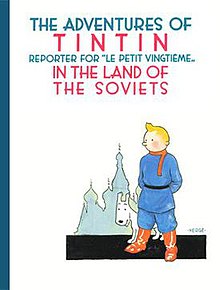
Hergé‘s The Adventures of Tintin debuts in the children’s supplement Le Petit Vingtième of the newspaper Le Vingtième Siècle, with the story Tintin in the Land of the Soviets.[95] This also marks the debut of Tintin and his dog Snowy.
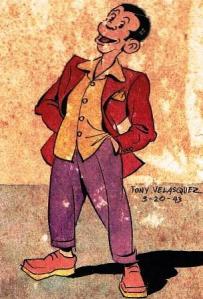
Tony Velasquez‘ Kenkoy makes its debut.
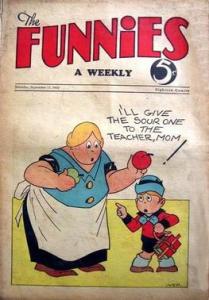
Dell Comics publishes the American comics magazine The Funnies #1, which is the first American newsstand comic book of all-original material. It lacked covers, and was in that way more like a newspaper insert, but was sold independently.
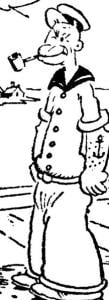
In E.C. Segar‘s Thimble Theatre Popeye the Sailor makes his debut. He will quickly become the new protagonist of the series.
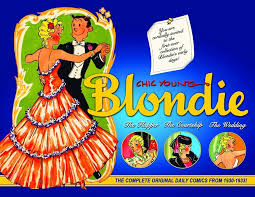
1930 – Blondie by Chic Young makes its debut.
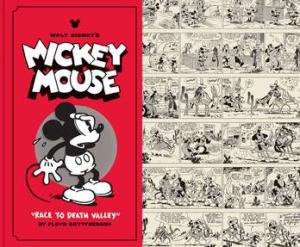
The first Mickey Mouse comic strip, written by Walt Disney, drawn by Ub Iwerks, is published.
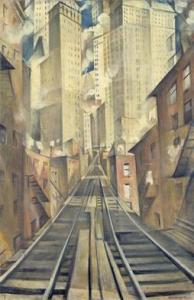
Art
The Soul of the Soulless City (1920)
C. R. W. Nevinson
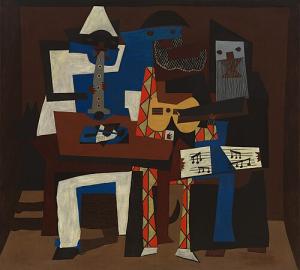
Three Musicians (two versions) (1921)
Pablo Picasso
The House Seen from the Rose Garden (1922)
Claude Monet

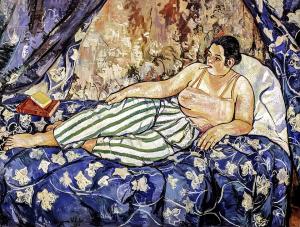
Blue Room (1923) – Suzanne Valadon
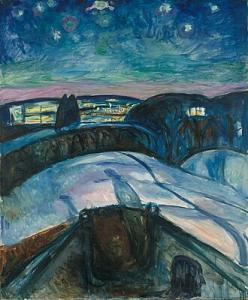
Starry Night, 1922–1924 –Edvard Munch
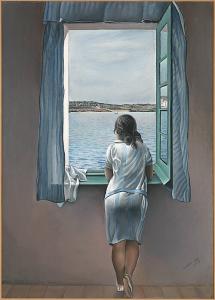
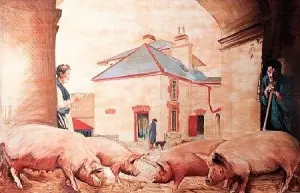
Young Woman at a Window (1925)- Salvador Dali
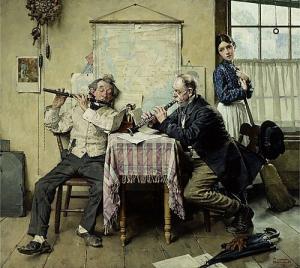
The Love Song (1926) Norman Rockwell
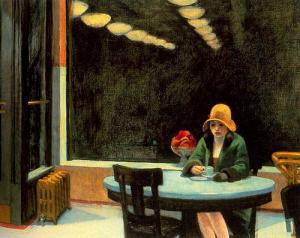
Automat (1927) Edward Hopper
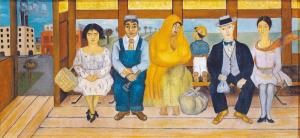
The Bus –(1929) –Frida Kahlo
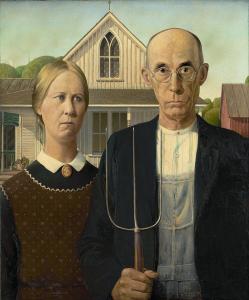
1930 – American Gothic – Grant Wood
Music
Trying to determine the public domain status of music can present another trap for the unwary. As I’ve explained before, every piece of recorded music is comprised of two different copyrights. There’s a copyright in the underlying composition, which protects a song’s lyrics and musical arrangement. There’s also a separate copyright in a particular sound recording of that composition as performed by a recording artist. When you listen to music on the radio or a streaming service, you’re technically hearing both the composition and the sound recording of the composition.
The distinction between compositions and recordings is important to remember because these two types of copyrighted works won’t enter the public domain at the same time.
Sound recordings first published in 1928 are protected for an additional five years, so they won’t fall into the public domain until 2029 (95 years + additional 5 years = 100 years total). But don’t fret: sound recordings first published in 1923 will enter the public domain on January 1, 2024, as they pass the 100-year mark. Public Domain Day 2024 is Coming: Here’s What to Know | Copyright Lately
Published Music
1920
- Blue Jeans w. Harry D. Kerr, m. Lou Traveller
- “Crazy Blues” w.m. Percy Bradford
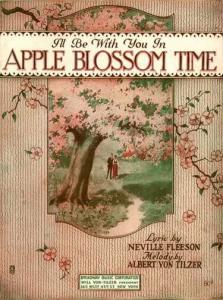
- “I’ll Be With You In Apple Blossom Time” w. Neville Fleason m. Albert Von Tilzer
- “The Japanese Sandman” w. Raymond B. Egan m. Richard A. Whiting
- “Jellybean” by Jimmie Dupre, Sam Rosen, and Joe Verges
1921
- “I’m Just Wild About Harry” w.m. Noble Sissle & Eubie Blake
- “Ma! He’s Making Eyes at Me” w. Sidney Clare m. Con Conrad
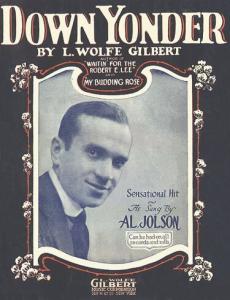
- “Down Yonder” w.m. L. Wolfe Gilbert
1922
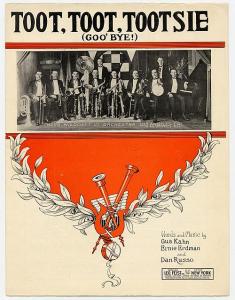
- “Toot, Toot, Tootsie (Goo’ Bye!)” w.m. Dan Russo, Ted Fio Rito, Gus Kahn & Ernie Erdman
- “Trees” w. Joyce Kilmer m. Oscar Rasbach
- “My Word You Do Look Queer” w.m. R. P. Weston & Bert Lee
- “My Buddy” w. Gus Kahn m. Walter Donaldson
1923
- “Nobody Knows You When You’re Down and Out” w.m. Jimmy Cox
- “Mexicali Rose” w. Helen Stone m. Jack B. Tenney
- “King Porter Stomp” m. Ferdinand “Jelly Roll” Morton
1924
- “Big Bad Bill (Is Sweet William Now)” w. Jack Yellen m. Milton Ager
- “Does The Spearmint Lose Its Flavour On The Bedpost Over Night” w. Billy Rose & Marty Bloom m. Ernest Breuer
- “Drinking Song (Drink! Drink! Drink!)” w. Dorothy Donnelly m. Sigmund Romberg
- “It Had To Be You” w. Gus Kahn m. Isham Jones
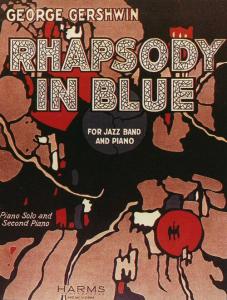
- “Rhapsody in Blue” m. George Gershwin
- “Tea for Two” w. Irving Caesar m. Vincent Youmans
1925
- “Cecilia” w. Herman Ruby m. Dave Dreyer
- “Dinah” w. Sam M. Lewis & Joe Young m. Harry Akst
- “A Cup of Coffee, a Sandwich and You” w. Billy Rose & Al Dubin m. Joseph Meyer
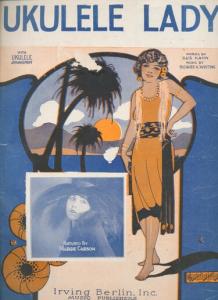
- “Ukulele Lady” w. Gus Kahn m. Richard Whiting
1926
- “Baby Face” w. Benny Davis m. Harry Akst
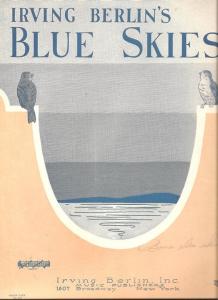
- “Blue Skies” w&m Irving Berlin from Broadway musical “Betsy,” published 1926. Written to commemorate the birth of Berlin’s first born, Mary Ellin Barrett
- “Heebie Jeebies” w.m. Boyd Atkins
- “When the Red, Red Robin (Comes Bob, Bob, Bobbin’ Along)” w.m. Harry M. Woods
1927
- “Ain’t She Sweet” w. Jack Yellen m. Milton Ager
- “Are You Lonesome Tonight?” w. Roy Turk m. Lou Handman
- “The Best Things In Life Are Free” w. B. G. De Sylva & Lew Brown m. Ray Henderson
- “Blue Skies” w.m. Irving Berlin
- “(I Scream You Scream, We All Scream for) Ice Cream” w.m. Robert King, Howard Johnson & Billy Moll
- “I’m Looking Over A Four Leaf Clover” w. Mort Dixon m. Harry Woods
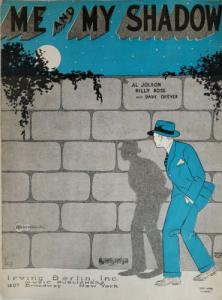
- “Me And My Shadow” w.m. Dave Dreyer, Billy Rose & Al Jolson
- “My Blue Heaven” w. George A. Whiting m. Walter Donaldson
- Sometimes I’m Happy” w. Irving Caesar m. Vincent Youmans from the musical Hit the Deck
1928
- The Big Rock Candy Mountains” Harry McClintock
- “Hooray for Captain Spaulding” w. Bert Kalmar m. Harry Ruby. Introduced by Zeppo Marx, Robert Greig, Margaret Dumont and Groucho Marx in the musical Animal Crackers and also performed by them in the 1930 film version.
- “Let’s Do It” w.m. Cole Porter. Introduced by Irene Bordoni and Arthur Margetson in the musical Paris.
- “Make Believe” w. Oscar Hammerstein II m. Jerome Kern
- There’s a Rainbow ‘Round My Shoulder” w.m. Dave Dreyer, Billy Rose & Al Jolson
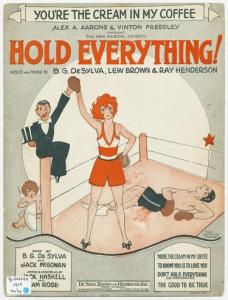
- You’re The Cream In My Coffee” w. B.G. DeSylva & Lew Brown m. Ray Henderson
1929
- “Ain’t Misbehavin’” w. Andy Razaf m. Thomas “Fats” Waller & Harry Brooks
- “Barnacle Bill The Sailor” w.m. Carson Robison & Frank Luther
- “Can’t We Be Friends?” w. Paul James m. Kay Swift
- “Happy Days Are Here Again” w. Jack Yellen m. Milton Ager
- “Honeysuckle Rose” w. Andy Razaf m. Thomas “Fats” Waller
- “Painting the Clouds with Sunshine” w. Al Dubin m. Joe Burke. Introduced by Nick Lucas in the film Gold Diggers of Broadway.
- “Puttin’ on the Ritz” w.m. Irving Berlin
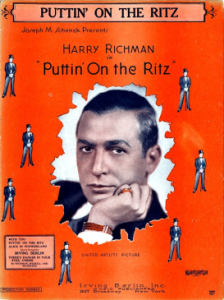
- “Rock Island Line” w.m. Clarence Wilson (written)
- “Star Dust” w. Mitchell Parish m. Hoagy Carmichael Music 1927.
- “Why Was I Born?” w. Oscar Hammerstein II m. Jerome Kern
- “With A Song in My Heart” w. Lorenz Hart m. Richard Rodgers
- “Without A Song” w. Edward Eliscu & Billy Rose m. Vincent Youmans
1920 Sound Recordings
- “Dardanella” Selvin’s Novelty Orchestra
- “Whispering” Paul Whiteman and His Ambassador Orchestra
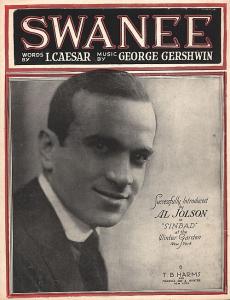
- “Swanee” Al Jolson
1921 Sound Recordings
- Wabash Blues Isham Jones Orchestra
- April Showers – Al Jolson
- Say It with Music” Paul Whiteman and His Ambassador Orchestra
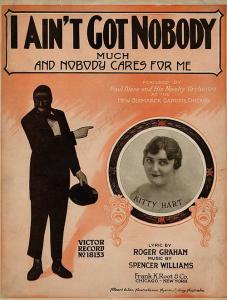
- “I Ain’t Got Nobody” Marion Harris
1922 Sound Recordings
- Three O’Clock in the Morning – Paul Whiteman and His Ambassador Orchestra
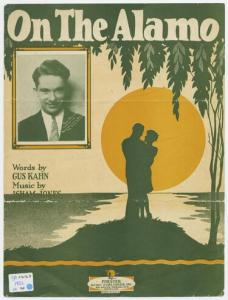
- “On the Alamo” Isham Jones Orchestra
- “My Man” Fanny Brice (Orchestra conducted by Rosario Bourdon)
- “The World Is Waiting for the Sunrise” Isham Jones Orchestra
1923 Sound Recordings
- “Parade of the Wooden Soldiers” – Paul Whiteman and His Orchestra
- “That Old Gang of Mine” –Billy Murray & Ed Smalle
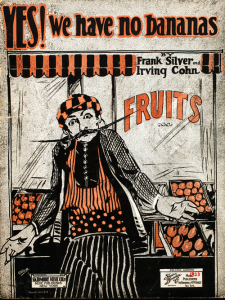
- Yes! We Have No Bananas” –Billy Jones
1924 Sound Recordings
- “California, Here I Come” – Al Jolson with Isham Jones Orchestra
- “Rhapsody in Blue, Parts 1 & 2 – Paul Whiteman and His Concert Orchestra (The Composer at the piano)
- “It Had to be You” – Isham Jones Orchestra
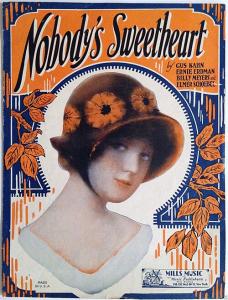
- “Nobody’s Sweetheart – – Isham Jones Orchestra













 Ad-Free & Subscriber Log-In