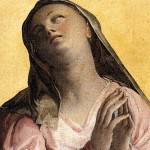
Laura is in her 30s, stunningly beautiful, and not yet married (although she would like to be). To reward her hard work, she once won tickets from her employer to go to a night club with live music. Such clubs are frequented by tourists to Cuba, but the entrance fees are out of the reach of most Cubans, even those like Laura with good jobs. When leaving the club, Laura’s beauty caught the attention of the police, who accused her of having gone to that club to work as a prostitute for foreigners. She sobbed and pleaded with them, but under Cuba’s “ley de la peligrosidad” (law of dangerousness), you can be accused of loitering, working as a prostitute, or other offenses with no evidence. If you are stopped three times for the same offense (or in Laura’s case, unfounded accusation) you can go to jail. Unable to persuade the police that night she had just been with friends at the club, Laura went back to the police station the next day with her father so that he could give testimony that she is not a prostitute. Known by her friends as “The Black Virgin” because of her beauty and purity, I can only imagine how humiliated both she and her father felt that she was accused of being a prostitute.
Imagine that. The government empowers its agents to arrest you and accuse you just because they suspect you. Because you’re too good-looking to be where the rich people are unless you’re a whore.
This beautiful “black virgin” also took some risks to help a man who was languishing in prison for the crime of trying to sell a few packets of soy on the black market; the government of Cuba promotes soy, as it is cheaper than beef.
We learn about Laura, and about Cuba, and the Virgin of Charity, and also about why Pope Benedict’s visit was important to that tiny island in this great piece by Margarita A. Mooney. You’ll want to read it all.
In his general audience today, Pope Benedict said that his recent trips to Mexico and Cuba was “etched on my heart”:
The next day I celebrated Mass in Havana’s main square, crowded with people. I reminded them all that Cuba and the world needed change, but this will only happen if everyone is open to the integral truth about man, which is essential for achieving freedom, and if everyone decides to sow the seeds of reconciliation and brotherhood around them, founding the their lives on Jesus Christ: He alone can dispel the darkness of error, helping to defeat the evil and all that oppresses us. I also wanted to reiterate that the Church does not demand privileges, but also to be able to proclaim and celebrate the faith publicly, bringing the Gospel message of hope and peace to every area of society. While appreciating the steps taken by the Cuban authorities so far in this direction, I stressed the need to continue on this path of ever greater religious freedom.
In Cuba this Good Friday, Catholics will be able to observe the day as a recognized holiday. As we enter the Triduum, let us remember the Christians throughout the world who do not enjoy an unemcumbered ability to worship, and do not enjoy freedom of religion in either ministry, mission or practice!
UPDATE: Apparently, hanging around the giant crowds surrounding the pope will get you arrested, too
Related:
Cuba, Bush and the Lives of Others
Caridad Nos Une


Join the Discussions of the Year of Faith


Follow Patheos
Catholic: