


I hope you have been enjoying our series of Modern English versions of Newton’s timeless pastoral letters. The former slave-trader turned pastor has so much more to offer us than simply the most well loved hymn in the history of the English language.
In the last installment Newton dissected the inner evidence for salvation. The next three letters expand on Christian experience by looking at three phases of faith in our hearts. For many of us we are a bit remote from the way crops grow. But the Bible is full of agricultural images. Who would have thought that watching Clarkson’s Farm might help us understand the Bible?
After a long winter of worry and no signs of life on the farm, hope springs in the farmer’s heart when they see those first few blades of wheat as they break through the soil. Looking little different from grass, they nonetheless have just as much life in them as even the fully ripened ear of corn. Join Newton as he expertly explains how this age-old image relates to the way faith grows in our hearts.
“The earth produces the crops on its own. First a leaf blade pushes through, then the heads of wheat are formed, and finally the grain ripens” (Mark 4:28, NLT).
Dear Friend,
You asked me to explain how God’s work of grace progressively grows in a believer’s life. I will identify three phases, based on how Jesus compares this to the growth of wheat and other grains: the blade, the heads of wheat, and finally the ripened grain.
The Lord draws all Christians effectively to save them by bringing them to know the same essential truths. But He works in wonderfully varied ways so I will set aside, as much as possible, the individual’s experiences. I will discuss instead only those experiences which are to a greater or lesser degree common to everyone. My purpose is not to tell my own story but to outline what the Bible teaches us about the pattern of a work of grace, so that this letter will apply to all who are truly born of God.
From Death to Life
By nature, you were “dead because of your disobedience and your many sins” (Ephesians 2:1, NLT). We were not only strangers to God, but we were His enemies and we were opposed to His will and His grace. However moral our character or however educated we may have appeared, none of us were able to receive or accept God’s truth:
“People who aren’t spiritual can’t receive these truths from God’s Spirit. It all sounds foolish to them and they can’t understand it, for only those who are spiritual can understand what the Spirit means” (1 Corinthians 2:14, NLT).
Therefore the Lord Jesus declared, “For no one can come to me unless the Father who sent me draws them to me, and at the last day I will raise them up.” (John 6:44, NLT). Though the term Father usually refers to God the Father, I think that perhaps Jesus sometimes uses it to represent God in distinction to his human nature. Another example of this might be when Jesus says “Anyone who has seen me has seen the Father!” (John 14:9, NLT). I think then that Jesus is saying, “No one can come to me unless he is taught by God and divine power works in them.” The actual working of this power is credited not to the Father but to the Holy Spirit:
“It is best for you that I go away, because if I don’t, the Advocate won’t come. If I do go away, then I will send him to you. And when he comes, he will convict the world of its sin, and of God’s righteousness, and of the coming judgment. The world’s sin is that it refuses to believe in me. Righteousness is available because I go to the Father, and you will see me no more. Judgment will come because the ruler of this world has already been judged” (John 16:7-11, NLT).
And yet this power is indeed the power of God himself and it is therefore attributed to God the Father, God the Son and God the Holy Spirit:
“Just as the Father gives life to those he raises from the dead, so the Son gives life to anyone he wants” (John 5:21, NLT).
“For no one can come to me unless the Father who sent me draws them to me, and at the last day I will raise them up” (John 6:44, NLT).
“The Spirit alone gives eternal life. Human effort accomplishes nothing. And the very words I have spoken to you are spirit and life.” (John 6:63, NLT).
“But whenever someone turns to the Lord, the veil is taken away. For the Lord is the Spirit, and wherever the Spirit of the Lord is, there is freedom.So all of us who have had that veil removed can see and reflect the glory of the Lord. And the Lord—who is the Spirit—makes us more and more like him as we are changed into his glorious image” (2 Corinthians 3:16-18, NLT).
“May the Lord lead your hearts into a full understanding and expression of the love of God and the patient endurance that comes from Christ” (2 Thessalonians 3:5, NLT)
Conviction is not Enough
Today we are looking at the experience of a person at the beginning of this divine work, which will always lead them to Jesus for life and salvation. The work is instantaneous. Light is given to the soul, which it had never known before. The eyes of the mind are opened and revelation is given. At first, this light is faint like the first light of dawn, and yet once it has begun it will surely spread to the brightness of full day.
We often speak as if conviction of sin were the first work God performs in a soul He intends to draw to Himself. But that is not quite right. Conviction is only a part, or rather an effect of that first work. In fact some strong conviction does not arise from this act of saving grace at all. Such false conviction is temporary and external, stirred by fear or emotion, although it may trouble a person for a while and move them to many outward efforts.
For genuine conviction of sin, we must first have a real perception of God. Without this sin may indeed be feared as dangerous, but not hated as evil. Sin’s real cost can only be understood when it is contrasted with who it is committed against: God in all his holiness, majesty, goodness, and truth.
No outward means of grace, no mercies, judgments, or religious rituals, can produce this discovery of God. It can only come by divine light and power working in the soul.
The natural conscience and human emotions may be stirred for a time by outward events, creating a kind of moral anxiety, even resolutions to change. Yet unless this is grounded in a spiritual grasp of God’s perfection as revealed in His Word, sooner or later it will come to nothing. The person who was once affected in this way may drift back to their former ways:
“They are worse off at the end than they were at the beginning. It would have been better for them not to have known the way of righteousness, than to have known it and then to turn their backs on the sacred command that was passed on to them. Of them the proverbs are true: ‘A dog returns to its vomit,’ and, ‘A sow that is washed returns to her wallowing in the mud’” (2 Peter 2:20-22, NIV).
Such a person may instead sink into a self-righteous form of religion, “they will act religious, but they will reject the power that could make them godly” (2 Timothy 3:5, NLT).
They may be outwardly respectable but inwardly powerless, just like the Pharisee who “stood by himself and prayed this prayer: ‘I thank you, God, that I am not like other people—cheaters, sinners, adulterers” (Luke 18:11, NLT).
Because the message of the Gospel can appeal strongly to human emotion, it is sadly no surprise that many people seem to respond and even claim to be Christians at first, but later fall away. The seed might spring up and look green for a while. But if there is no depth in the heart for it to take root, it will surely wither away.
“The seed on the rocky soil represents those who hear the message and immediately receive it with joy. But since they don’t have deep roots, they don’t last long. They fall away as soon as they have problems or are persecuted for believing God’s word.” (Mark 4:16-17, NLT).
The Signs of True Faith
We may be unable to determine, when someone first claims they have faith, whether the work in them is truly deep and spiritual. But “the Lord knows those who are his” (2 Timothy 2:19, NLT); and wherever His work is genuine, it is an infallible sign of salvation.
Since God reveals Himself only through the truth of the Bible, the light that first awakens the soul naturally leads it back to the Word from which that light has sprung. Soon all the great truths of the Bible begin to be seen and believed. The evil of sin is recognised, the evil of the heart is felt.
At first, the person may make efforts to win God’s approval by prayer, repentance, or moral reform. But typically these are seen to be vain and ineffective, like the woman who had suffered for many years and spent all she had on physicians “but had gotten no better” (Mark 5:26, NLT). The soul grows weary of all human efforts to please God and begins to see the need for the Gospel and that God alone is able to save us.
At this point, a person may be very close to becoming a Christian in this sense: they believe God’s Word, see and feel things to be as the Bible describes them, they hate and avoid sin because they know it displeases God and opposes his goodness. They receive the testimony God has given concerning His Son. Their heart is moved and drawn toward Jesus by glimpses of His glory and His love for sinners. They trust in Christ’s name and promises as their only encouragement to approach the Throne of Grace. They diligently use the means God has appointed to impart grace and cause it to grow. They love God’s people, agreeing with the psalmist, “How excellent are the LORD‘s faithful people! My greatest pleasure is to be with them” (Psalm 16:3, GNB). They are longing, waiting, and praying for a share of the blessings true Christians enjoy, and can be satisfied with nothing less.
Such a person is convinced that Jesus has the power to save them. But through remaining ignorance and legalism, their memory of past sin and the awareness of their own inner sinful nature, they often doubt whether Jesus is willing. Because they do not yet grasp the abundance of grace and the security of God’s promises, they fear that the compassionate Saviour might reject him and turn him away from His feet.
At this stage, someone who is young in knowing the Gospel remains burdened with sin and may be buffeted by Satan’s temptations. But the Lord, “will feed his flock like a shepherd. He will carry the lambs in his arms, holding them close to his heart (Isaiah 40:1, NLT).
Jesus will at times revive them with moments of deep comfort, so they won’t be swallowed up in sorrow. These moments might include the heart being caught up in prayer, or deeply moved by a sermon, or a specific promise might be brought home to the mind and applied with great power and sweetness. They may mistake the nature and purpose of such comforts, which are not intended to be relied on, but rather to encourage them to press forward. They think that they must be safe because of such comforts and fondly hopes to remain in the same state forever.
Because of such comforts someone can feel that their mountain stands strong. But before long, there is a change. The comforts are withdrawn. They no longer find the motivation to pray. They can’t focus when listening to sermons. Indwelling sin revives with new strength, and Satan returns with more anger. Now they are at their wits’ end, believing their hope was presumption, and their comforts were delusions. They want to feel something that will give them a reason to trust in the free promises of Christ Jesus.
At this stage, the person’s view of the Redeemer’s grace is still very narrow. They do not yet see the full harmony and glory of God’s attributes in the salvation of a sinner. They sigh for mercy but fear that justice stands against them. Yet through all these changing experiences, the Lord is gently training them and leading them onward.
They receive grace from Jesus that enables them to fight against sin. Their conscience is tender, and their main troubles are spiritual. They think “if I could only gain a firm and lasting sense of my acceptance in the Beloved, hardly any external trial would be able to greatly disturb me.”
But despite the weakness of their faith and the lingering power of a legalistic spirit, which greatly hurts them, there are aspects of their current experience that they may look back on with regret later. When their hope and knowledge are more established, they may miss the sensitivity of their heart eagerly longing for the means of grace, desiring God’s Word with earnestness and eagerness.
“Like newborn babies, you must crave pure spiritual milk so that you will grow into a full experience of salvation. Cry out for this nourishment, now that you have had a taste of the Lord’s kindness” (1 Peter 2:2, NLT).
At this early stage they count the hours from one opportunity to hear God’s Word to the next. Eagerness and attention is written on their faces when listening. Their zeal is strong, though perhaps, for lack of experience, sometimes too impulsive or intense. They love souls and care deeply for the glory of God. This can sometimes get them into trouble, and may be mixed with pride, but its root is sincere and commendable. This is similar to when Simon Peter “drew a sword and slashed off the right ear of Malchus” (John 18:10).
The grace of God influences both the understanding and the heart’s deepest desires or affections. Warm feelings without knowledge cannot rise any higher than superstition. But knowledge which does not influence the heart and its deepest longings only creates a hypocrite. The true believer is blessed with both. Yet this early stage is often more remarkable for the warmth and a burning heart. On the other hand, as God’s work advances, although the heart is not left out, it seems to be carried on mainly in the understanding.
The mature Christian has a solid, refined, and broad view of the Lord Jesus Christ, and the glories of his person and his saving love. Hope is more established, dependence more simple, and all other things being equal, peace and strength will be more stable and enduring than in a young convert. But typically the new Christian will have more heartfelt fervency.
A tree is most valuable when it is heavy with ripe fruit, but has a special beauty when it is covered in blossom. At the beginning of our spiritual journey, it is like springtime. We are in bloom, and by the grace and blessing of the Gardener we will bear fruit in old age. Our faith may be weak, but our hearts are warm.
At this stage, someone may rarely dare to think of themselves as a Christian, yet they see, feel, and do things which no one could, unless God was with them. The soul’s deepest desire is towards God and the Word of His grace. Knowledge is still small but is growing every day. They may not yet be a father in the faith, or even a young man, but they are surely a dear child.
“I am writing to you, dear children,
because your sins have been forgiven on account of his name.
I am writing to you, fathers,
because you know him who is from the beginning.
I am writing to you, young men,
because you have overcome the evil one.
I write to you, dear children,
because you know the Father.
I write to you, fathers,
because you know him who is from the beginning.
I write to you, young men,
because you are strong,
and the word of God lives in you,
and you have overcome the evil one” (1 John 2:12-14, NIV).
Even at this early stage, the Lord has visited the heart, freed it from the love of sin, and fixed its desires supremely upon Jesus Christ. The spirit of fear and bondage is slowly leaving, and the longed-for hour of liberty is drawing near. A clearer discovery of the glorious Gospel will enable us to know we are accepted and to rest fully on the Lord’s finished salvation. When that time comes, we could be described as having developed the “head of wheat.” We will look at that stage in another letter.
Yours in Christ,
John Newton
Adapted into Modern English by Adrian Warnock from Newton, J. (1824) The works of the John Newton. London: Hamilton, Adams & Co., pp. 197–203.
Read More
COMING IN 2026: PREVIEW CONTENT NOW ON ADRIAN’S PATHEOS BLOG
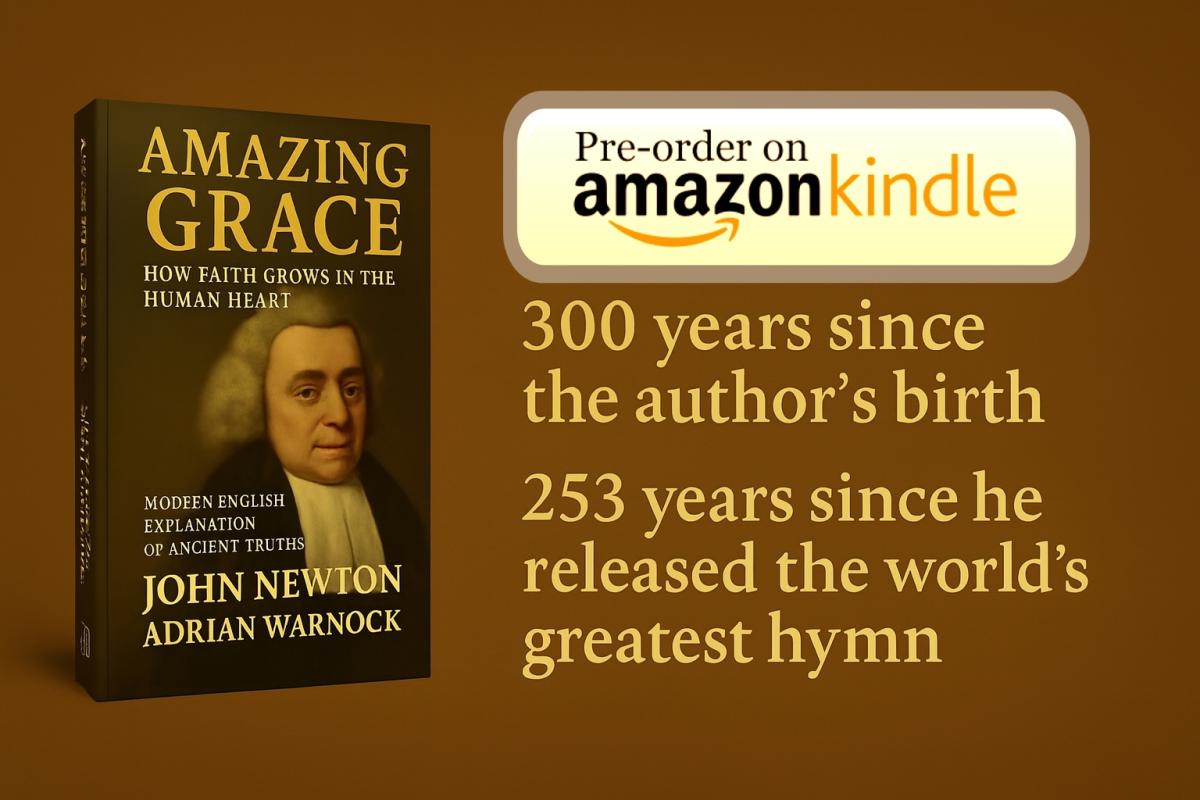
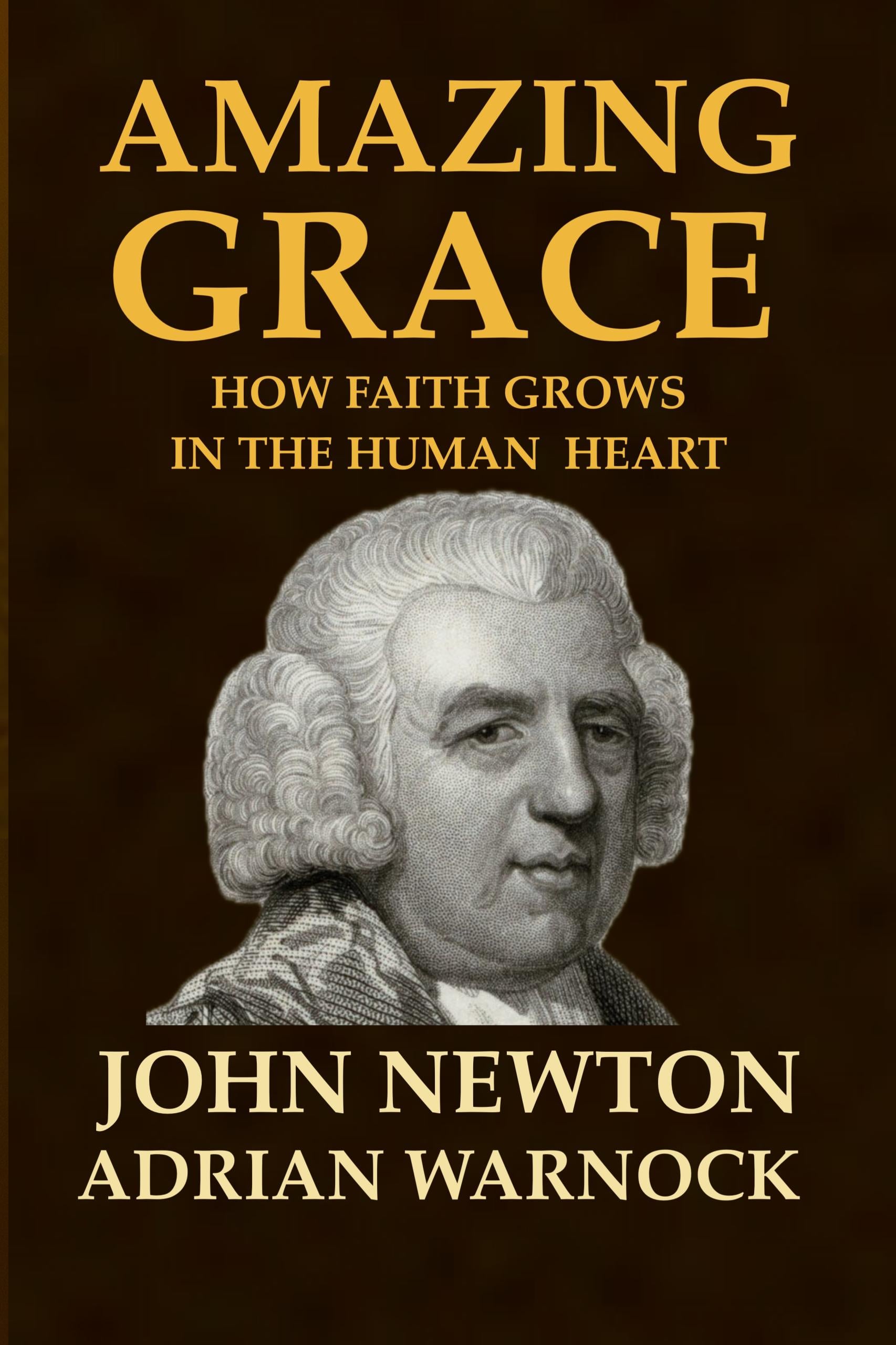
Amazing Grace: How Faith Grows in the Human Heart
Modern English Explanation of Ancient Truths. By John Newton and Adrian WarnockPre-order here
Classic writings updated and a new biography. 300 years after the author’s birth 253 years after he released the world’s greatest hymn, Amazing Grace This hymn has been recorded more often than any other song of any genre. In the same thirty-six hours which changed the world forever, his close friend William Cowper also wrote God Moves in a Mysterious Way, but then had a crushing mental breakdown from which he never fully recovered. Such powerful grace of God, but marked by terrible suffering. The echoes still reverberate today. About Adrian Warnock“Adrian is a first-rate communicator”—Albert Mohler JrAbout John Newton
”I look forward to meeting John Newton” — R. T. Kendall ”One of my heroes”—Tim Keller “He says it all perfectly”— Martyn Lloyd-Jones ”The memory of his own gracious change of heart and life gave him tenderness in dealing with sinners, and it gave him hope for their restoration” — C. H. Spurgeon ”Why am I interested in this man? Because one of my great desires is to see Christians be as strong and durable as redwood trees, and as tender and fragrant as a field of clover. Oh, how rare are the Christians who speak with a tender heart and have a theological backbone of steel.” — John Piper ”If William Cowper could speak, he’d thank God for not only John Newton, but any friend who prays for and walks beside those with mental illness.” — Joni Eareckson Tada
Preview the content here:
→ I once was blind but now I see → Grace Within: The Inner Evidence of Faith → How Grace enters the Human Heart → Growing in Grace: When Shoots Take Root → A modern parable: The Traitors: Spellbound by LiesMore coming soon: subscribe by email or follow on social media
→ The 36 hours that changed the wordand much more…
Adrian Warnock presents a modern English edition of the 18th century classic writings of John Newton (1725-1807), author of Amazing Grace, the world’s greatest hymn and the most recorded song of any genre.
Think of this book as John Newton’s own explanation of his hymn Amazing Grace. His updated autobiography and devotional writings contained in this book form the perfect commentary on his lyrics, demonstrating what really is so amazing about grace.Modern self-help is no help at all in an existential crisis. These pages contain the secret to genuine personal growth and spiritual transformation. They are simple and yet profoundly deep.
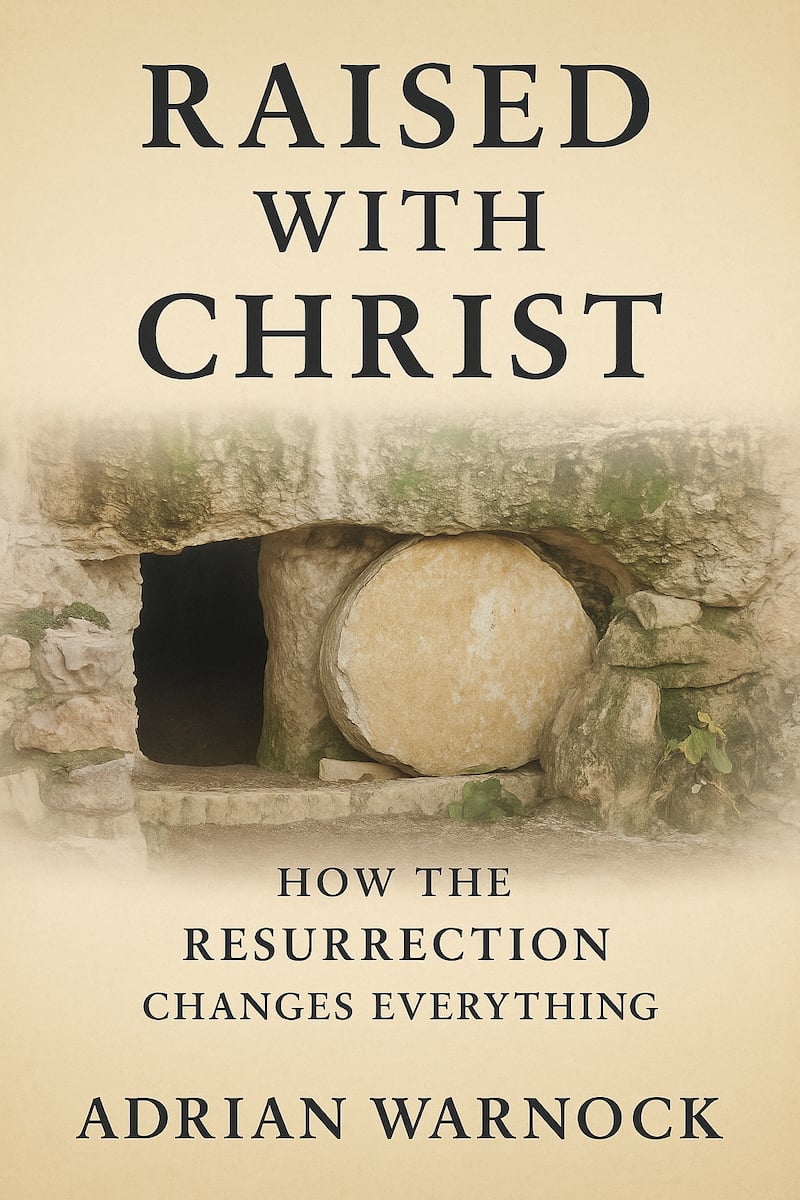
Amazing Grace appears 300 years after John Newton was born, and 253 years after he released his most famous hymn. The result is a seamless blend of Newton’s timeless wisdom with the clarity of thought and plain English that have marked Adrian Warnock’s Patheos blog for more than twenty years, and shapes his other books Raised with Christ, Hope Reborn, and The Traitor Within. Some chapters in this book are modern commentary written by Adrian.John Newton, the former slave trader turned pastor, wrote letters that still speak to the deepest struggles of our spiritual journeys. In these pastoral devotions, Newton traces how divine grace takes root, grows, and matures in the human heart through three phases: conviction, conflict, and mature contemplation of God’s glory.
The letters in this book are chosen from the thousands preserved from Newton’s vast correspondence, a treasury mined for pastoral wisdom for more than two centuries. A skillful soul physician, Newton describes how grace changes every aspect of a Christian’s life over a lifetime of faith.
Amazing Grace also contains an updated autobiography of this great pastor, with a living interpretation of how significant his extraordinary life still is today. This material and his thoughts on entering Christian Ministry are not included in standard editions of his Works.
Newton becomes for us a vivid example of how God’s grace changes people gradually over time.We meet the rebellious and violent youth, the slave trader who oppressed thousands of innocents, was made a slave himself, and who was found by God’s grace during a storm that nearly sank his ship. This unruly man was pursued, rescued, and transformed by grace.
We learn how over time Newton became a pastor known for his compassion and kindness, most notably demonstrated by his deeply committed care towards the poet William Cowper during his mental illness. Read about how Newton was also a pastor of a whole nation, working for the abolition of the slave trade, and mentoring William Wilberforce for decades.
Newton bridged the gap between the warring denominational movements of his time, a friend of both George Whitefield and John Wesley. He turned his fervor not into the pamphlet flame wars or revival preaching, but into the tenderhearted soul care of the distressed and depressed as they struggled to find greater spiritual freedom and transformation. These pages invite readers not only to understand Newton’s insights, but to experience the living reality of grace in their own lives.
If this book makes you want to read more John Newton, and you do not mind the old English, buy the Logos Bible Software Edition of his Works or a paper version.


The Traitor Within: Understanding and Healing Our Deceitful Hearts
By Adrian Warnock with a chapter by John NewtonPre-order here
“The human heart is the most deceitful of all things, and desperately wicked. Who really knows how bad it is?” (Jeremiah 17:9, NLT).And yet our culture tells us to “follow your heart”. No wonder it too is now desperately sick and beyond cure. This book will explore the cultural phenomenon The Traitors as a modern parable as it unmasks the human heart. Adrian blends his medical insights gained from his work as a doctor and psychiatrist with pastoral wisdom gathered from twenty-five years serving as part of a church leadership team. He witnessed a period of church growth from less than twenty members to thousands. In recent years Adrian has also experienced chronic illness following his diagnosis with blood cancer, and this book reflects his passion to help others face all kinds of suffering with hope and compassion.
Preview the content here:
→ TV’s The Traitors: Spellbound by Lies → How Suffering Revealed What Was in My Heart → When Your Body Lies to You: False Messages and Appetites → Help when Life Hurts: dealing with specific challengesMore coming in 2026: subscribe or follow on social media
→ Healing Your Body: Practical Tools → Follow Your Heart? Not When Your Mind Is Lying to You → Healing Your Mind: Taking Every Thought Captive → How Lies Create Our Desperately Sick Society → Healing Our Broken Society: Work, Friends, and Family → Our Deceitful Spirits: Without Hope and without God → Healing Your Spirit – Meaning and Religion → Forgiven in a Moment. Renewed Over a Lifetime. Glorified for Eternity.Help When Life Hurts
This article is part of a growing collection, drawing from Adrian Warnock’s medical and psychological expertise, lived experience, and Christian faith.
Click the type of pain you or a loved one are experiencing right now
General suffering & disappointment Financial difficulties Feeling disqualified Chronic illness & disability Divorce & family pain Depression & mental health Bereavement & end-of-life
John Newton’s Amazing Grace: I once was blind but now I see
Amazing Grace Within: Newton on the Inner Evidence of Faith
How Suffering Revealed What was in my Heart
Real Love has Christian Roots and Without them it is Doomed
Tozer: Sinful People May Now Become One With God


















 Ad-Free & Subscriber Log-In