

As a history educator for over thirty years, the reasons for studying history are never far from my consciousness. When I taught in high school, I knew that virtually every day I went into the classroom I needed to be able to articulate why my students needed what I was teaching. Earning a PhD in history and teaching at the university level has only deepened and broadened my understanding of what history is, and its value. Above all, history is a discipline. It is a disciplined way of thinking about the past that must be learned, and is not “natural.” As a professional historian, I understand that there is a very real distinction between history and “the past.” History helps us understand our present lived reality. A shared history is essential to what makes a nation a nation, or a people group a people group.
Recently I was introduced to yet another way to think about the study of history, namely, history as discipleship. Catalyst for Harmony is a Minneapolis-based nonprofit that guides church leaders through a cohort discipleship model with an emphasis on producing racial harmony. Their website says their program is for “A pastor, staff, or catalytic lay leader who desires to increase racial harmony in their congregation and community through scripturally rooted, gospel-congruent, culturally expansive, and hope-aimed discipleship.”
Andy Gray, Catalyst’s founder and executive director, created a unique Seven H’s discipleship model based on his own previous pastoral experiences related to racial harmony: Heart, Humility, History, Hearing, Healing, Harness, Hope.
Andy leads cohorts of church leaders through a four-phase program:
1. Studying Fuller Seminary’s “First Things for Flourishing” Curriculum,
2. Participating in cultural agility training
3. Participating in a Sankofa trip
4. Participating in racial harmony training that deep dives into the Seven Hs.
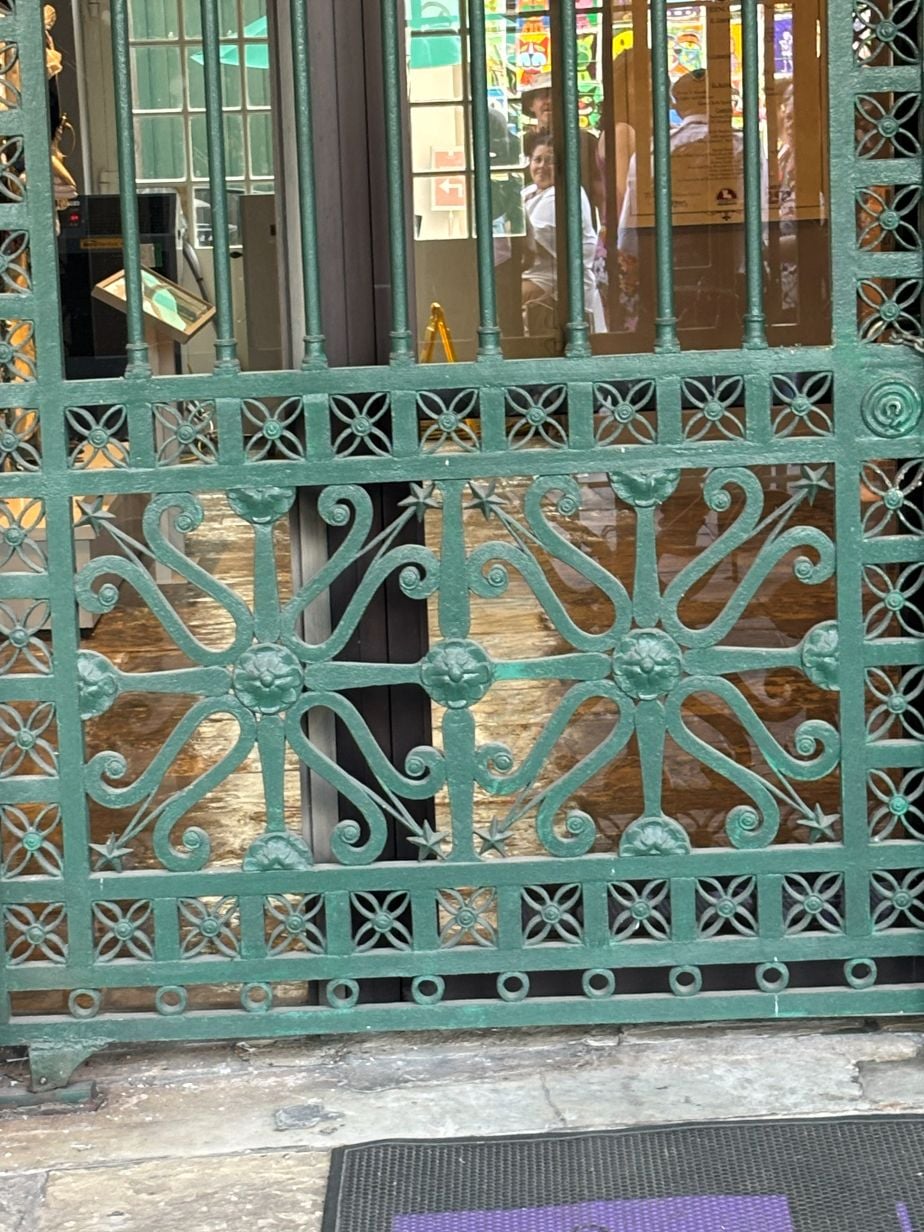
Andy led a Sankoa trip in April that I was able to join even though I am not part of a Catalyst cohort. Sankofa is a concept from the Akan language of West Africa that means “Go back and get it.” Or, to go a little deeper, the concept derives from an Akan proverb best translated “If you forget and you go back to get it, there is nothing wrong with it.” The concept is usually portrayed by a bird whose feet face forward, but whose head faces backwards. This speaks to the importance of learning history that you never knew — or forgot — so that it can help you make better decisions as you move forward. Really, this is what all history teaching should be accomplishing for students.
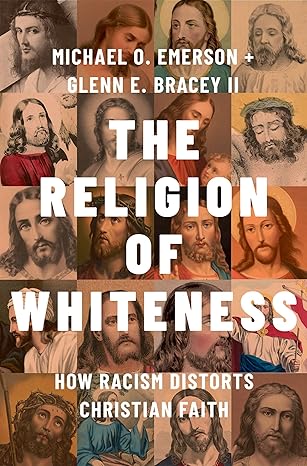
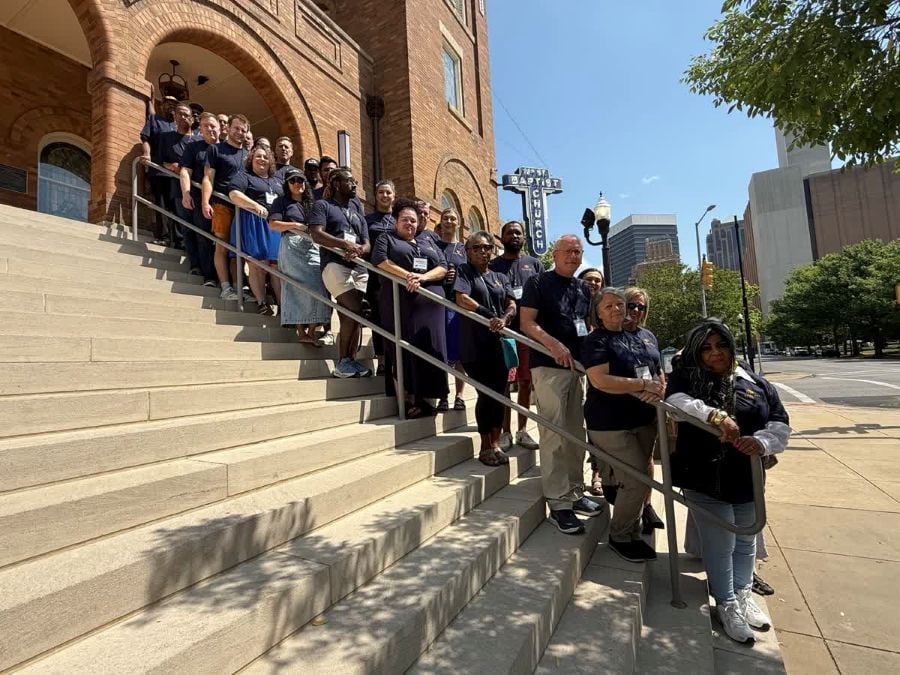
Sankofa trips can occur in any number of historical/cultural contexts, but the ones that Catalyst mostly organizes are trips in the South that focus on African American history that is too often downplayed in American K-12 education and popular culture. We began by touring the Whitney Plantation on the Mississippi River that had descendants of slaves living in its “quarters” into the 1970s (as was true of some other southern plantations). Today Whitney Plantation is interpreted solely from the perspective of the enslaved people who lived and labored there. From there we went on to the French Quarter of New Orleans, Biloxi (civil rights era “wade-ins” marker), Mobile (Africatown), Selma (Edmund Pettis Bridge), Montgomery (Three of the Equal Justice Initiative’s “legacy sites” – The Legacy Museum, The National Memorial for Peace and Justice, and the Freedom Monument Sculpture Park), Birmingham (16th Street Baptist Church), Tuscaloosa (Stillman College), and Memphis (Mason Temple and the National Civil Rights Museum). The trip was enriched by the inclusion of two sociologists, Michael Emerson and Glenn Bracey II, who each made brief but impactful presentations about race in America. Emerson and Bracy co-authored the very insightful book The Religion of Whiteness: How Racism Distorts Christian Faith. The trip lasted from Monday through Friday.
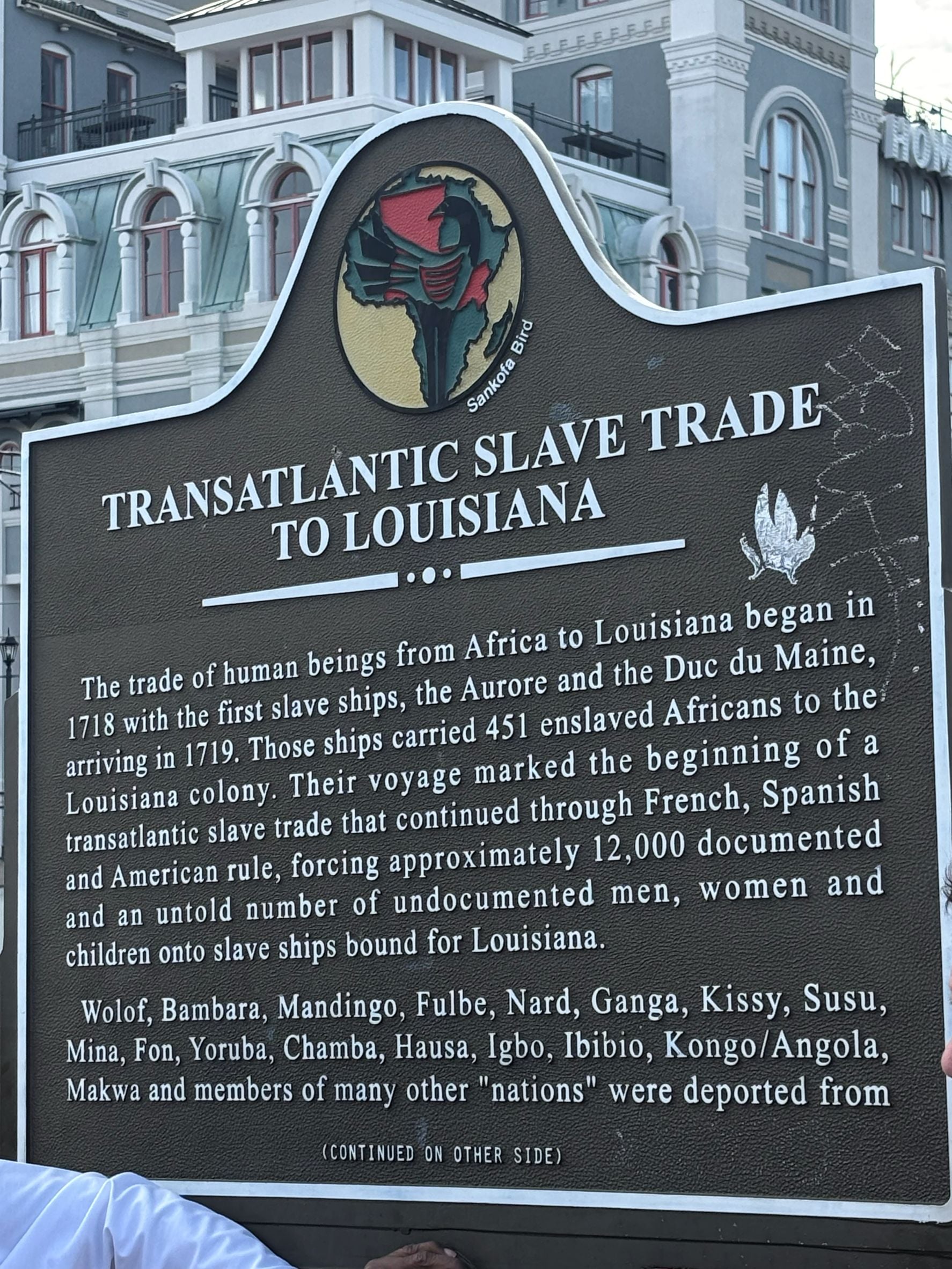
 There is more I could say about the trip, but we wrapped up our experience with each of us verbally processing our emotions and thoughts, with several of us breaking down in tears as we tried to come to terms with the weight of this history. One caucasion woman said that after learning this history she was overwhelmed by the realization about how incredibly optimistic African Americans have to be to continue living in this country. She is right, but truth be told, I told her that the more I know about our history and the more I see current social-political trends, the more I personally struggle with maintaining my optimism.
Part of the design brilliance of the trip was that Andy repeatedly challenged us to intentionally frame our experiences according to the following points:
- The need to proceed from a posture of humility that is simultaneously individual, institutional, and cultural, because pride is the enemy of harmony. Instead, humility “opens the floodgates of grace.”
- Look for examples of resistance.
- Who is telling the story and follow the money.
- Where do we see people’s affections (feelings), conscience (thinking), and will (actions) being impacted or changed, and in what ways?
I have previously visited a couple of the sites on this trip, and this past semester I taught “African American History to 1877,” and for years I have taught our “Africa & The Slave Trade” course, so very little of what we experienced was “news” to me. But it was striking to witness the powerful emotional impact these experiences had on my fellow Americans, who clearly had not previously learned much of this information. Although several Sankofa travelers were not part of the current Catalyst cohort, each person was clearly navigating a “teachable moment” in their lives relative to our nation’s painful, yet inspiring, African American (hi)story.
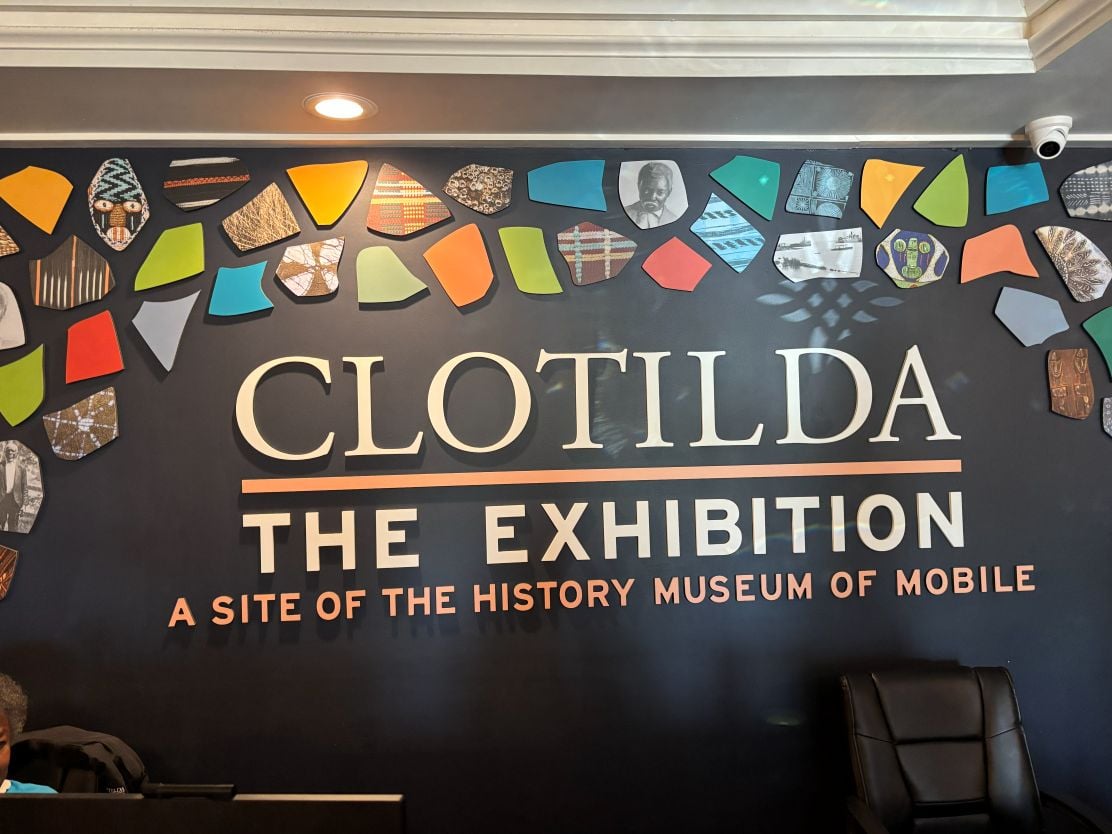
“African American history” is, in fact, “American History.” The pain, the struggle, the persistence, the resistance, and the aspirations of African Americans are vital, non-negotiable parts of the American story.
At the Edmund Pettis Bridge, I came to terms with the price paid by so many to secure voting rights for African Americans, and specifically the 1965 Voting Rights Act. That place became hallowed ground to me. It was a cruel and sickening irony for our reflection at that bridge to be so soon followed up by yet one more SCOTUS decision gutting that seminal law. As our ongoing GroupMe conversations revealed, many on our trip found the April 29 Louisiana v. Callais decision deeply disturbing. It’s very telling how one’s historical understanding affects how they see and respond to current events.
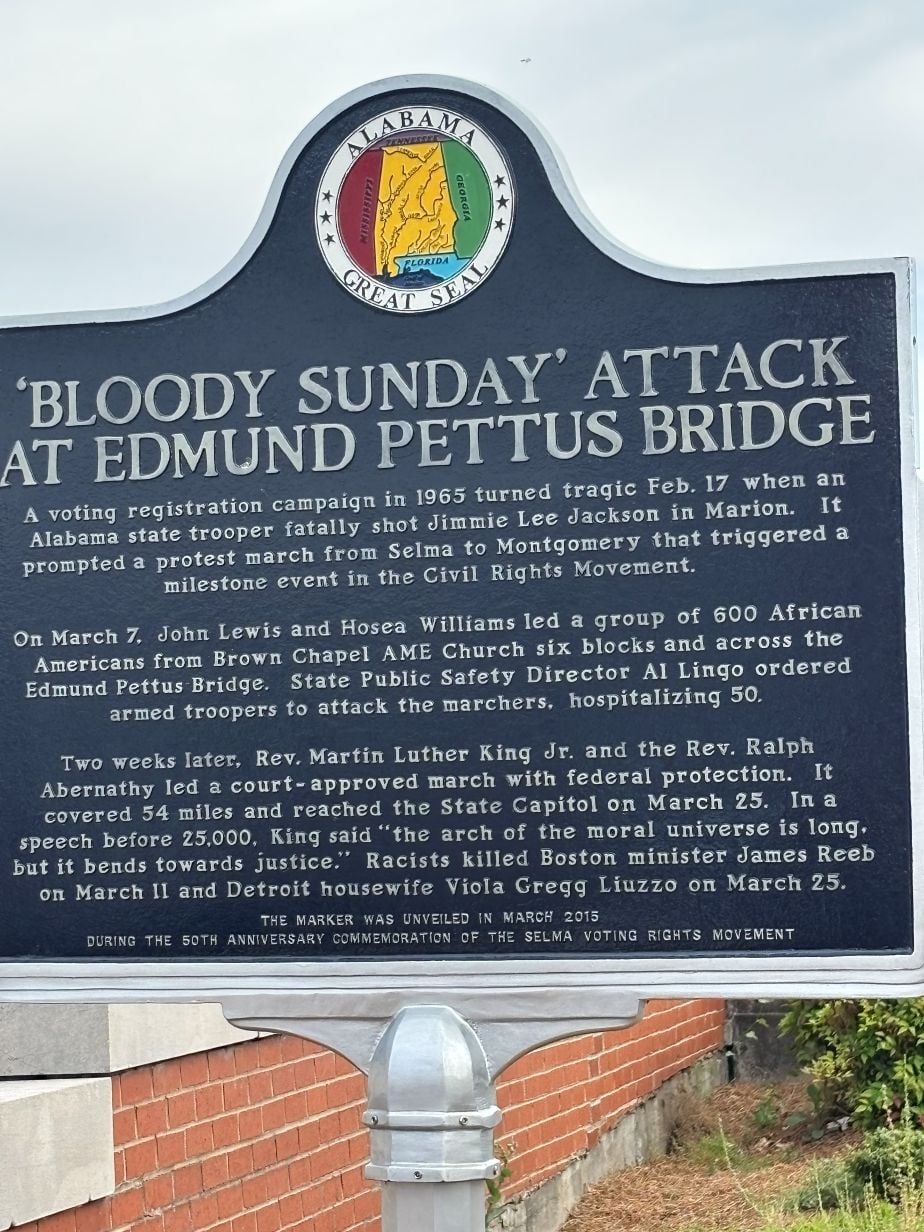
I wish I lived in Minneapolis so I could join the next Catalyst cohort and intentionally walk through all four stages of this process. But regardless, this trip has demonstrated that understanding previously obscured aspects of our nation’s history can be a vital step in “scripturally rooted, gospel-congruent, culturally expansive, and hope-aimed discipleship.” Hope is the Seventh H, and it is what our discipleship journey this side of eternity should, and arguably, must lead us to. For though the arc of the moral universe is long, our great hope as Christians is that it bends toward justice because since Jesus rose from the dead anything is possible! As Abraham rhetorically asked, “Shall not the Judge of all the earth do right?” (Genesis 18:25) And we dare not forget that the apostle Peter admonished his readers: “But in your hearts revere Christ as Lord. Always be prepared to give an answer to everyone who asks you to give the reason for the hope that you have. But do this with gentleness and respect” (I Peter 3:15)






 Ad-Free & Subscriber Log-In