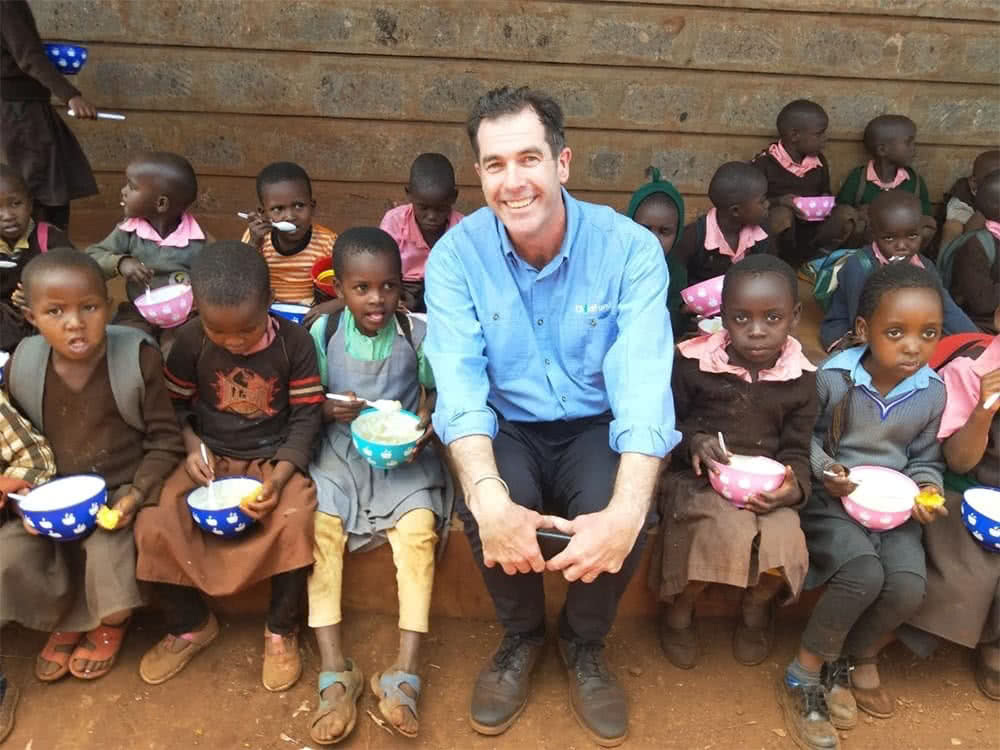
“Africa is bursting with possibilities,” said Bishop Daniel Timotheos Yohannan, the organization’s new president. “Roughly 40 percent of the population of Liberia, for example, is under the age of 15.”
NEW WAVE OF HOPE ACROSS AFRICA: Texas-based GFA World (www.gfa.org) has launched a new mission base in Liberia, in addition to the construction of a large-scale multi-specialty hospital and training complex in Kigali, Rwanda — a “springboard” for ministry across Africa.
The organization is also launching projects and missionary training in Liberia.
Training and equipping nationals — or locals — to do missionary work is nothing new to GFA World. In the 1980s, its founder, K.P. Yohannan, launched what was described as a “revolution in world missions,” sending thousands of trained national missionaries on foot and bicycles to “share the love of God” in communities across Asia, bringing hope and healing to places where there was no previous exposure to the Gospel.
‘Never Met a Christian’
Many people in isolated villages have never heard the Gospel message — or even met a Christian — while millions live and die without ever hearing the name of Jesus Christ, the missions organization says.
“National missionaries know the local customs, languages, and beliefs, and don’t face travel or visa restrictions that cross-cultural workers have,” said Timotheos Yohannan, adding that local missionaries “can easily connect with their own people.”
Meanwhile, the organization’s ministry base in Kigali, Rwanda, continues to expand. With one of the highest-density populations in Africa, there is only one doctor for every 8,300 people. The organization is constructing a large-scale multi-specialty hospital and medical training complex that is modelled on its state-of-the-art facility in Asia that helps nearly 2,000 patients every day and trains hundreds of medical students.
The Rwanda-based hospital complex will train medical professionals from across Africa, as well as help set up a network of permanent health clinics.
Plans are underway for new projects in Liberia, mirroring the work in Rwanda — including educational opportunities for children, clean water projects known as “Jesus Wells,” and medical camps where the most at risk families can get free healthcare.
“One-third of the world’s communities are still waiting to experience Christ’s love for the first time,” said Timotheos Yohannan. “No one should die without knowing the love of Christ.”
About GFA World (formerly Gospel for Asia)
GFA World is a leading faith-based global mission agency, helping thousands of national missionaries bring vital assistance and spiritual hope to millions across the world, especially in Africa and Asia, and sharing the love of God. In a typical year, this includes thousands of community development projects that benefit downtrodden families and their children, free medical camps conducted in hundreds of villages and remote communities, and helping more than 150,000 families break the cycle of poverty through income-generating gifts. More than 40,000 freshwater wells have been drilled since 2007, hundreds of thousands of women are now empowered through literacy training, and Christ-motivated ministry takes place every day throughout 18 nations. GFA World has launched programs in Africa, starting with compassion projects in Rwanda. For all the latest news, visit the Press Room at https://gfanews.org/news.
WILLS POINT, TX — Can a chicken really change someone’s life? It’s happening all around the globe, according to mission agency GFA World (www.gfa.org).
The Texas-based organization has launched its annual Christmas “Chickens & Goats” campaign on WAY-FM Radio — an opportunity for people to buy life-changing gifts, such as chickens and goats, for families living in extreme poverty in Africa and Asia this festive season.
The campaign includes a “Chicken Challenge” to donate a pair of chickens every month for a year, for the cost of two lattes per month. Chickens multiply quickly and produce fresh eggs almost every day, a life-changer for families battling hunger, the mission agency says.
HATCHING HOPE: ‘CHRISTMAS CRITTER’ CAMPAIGN BACKED BY TOP CHRISTIAN BAND: Hit-making Christian band We Are Messengers is supporting mission agency GFA World’s annual “Chickens & Goats” Christmas campaign — an opportunity for people to buy life-changing gifts, including chickens and goats, for families in Africa and Asia living in extreme poverty. (Photo Courtesy of We Are Messengers)
The Christmas campaign is being supported by top Christian band We Are Messengers and its lead singer Darren Mulligan. The award-winning band has had 11 Top-10 radio hits, including the multi-week/multi-chart #1 radio single “Come What May” and the Gold-Certified “Maybe It’s OK.” You can find out more info and tour dates from the band at www.wearemessengersmusic.com.
Hatching Hope
“We see time and time again how the simple gift of a pair of chickens completely transforms the life of someone living in deepest poverty and gives them hope,” said GFA World founder K.P. Yohannan (Metropolitan Yohan).
Mayra, a widow who received two chickens that helped her out of hunger, told the organization’s workers, “I’m so happy because of your love and concern for me.”
“Our aim is not only to help people like Mayra and their communities escape hunger and poverty, but also to show them the love of Christ — the one who’s able to give them hope for eternity,” Yohannan said.
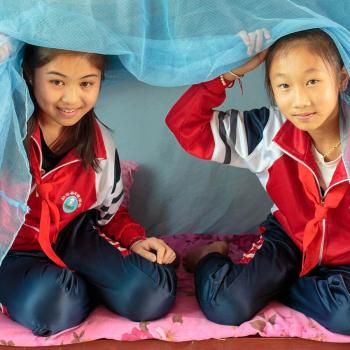
Other livestock gifts include pigs and water buffalo. Alternative gifts include mosquito nets that prevent malaria and other diseases, income-generating sewing machines, clean water, blankets, and Bibles.
Challenge to Impact Eternity
GFA World national missionaries share with people who’ve never heard about Jesus that they’re “created in the image of God.” They often trek many miles on foot or bicycle to some of the remotest places on earth to provide practical help and “show God’s love to the forgotten and abandoned,” such as outcast widows and those living with leprosy.
“This is the challenge to us all — where will we be in 100 years’ time?” Yohannan said. “The only thing that will matter is what we did to impact eternity.”
About GFA World (formerly Gospel for Asia)
GFA World is a leading faith-based global mission agency, helping national missionaries bring vital assistance and spiritual hope to millions across the world, especially in Africa and Asia, and sharing the love of God. In a typical year, this includes thousands of community development projects that benefit downtrodden families and their children, free medical camps conducted in hundreds of villages and remote communities, over 40,000 clean water wells drilled since 2007, income-generating Christmas gifts for more than 150,000 needy families, and teaching to provide hope and encouragement in 110 languages in 14 nations through broadcast ministry. GFA World has launched programs in Africa, starting with compassion projects in Rwanda. For all the latest news, visit the Press Room at https://gfanews.org/news.
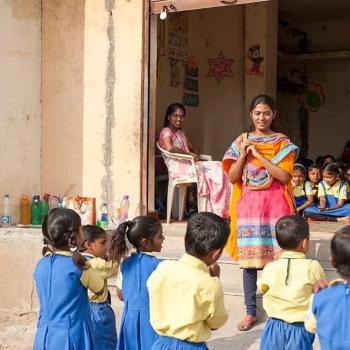
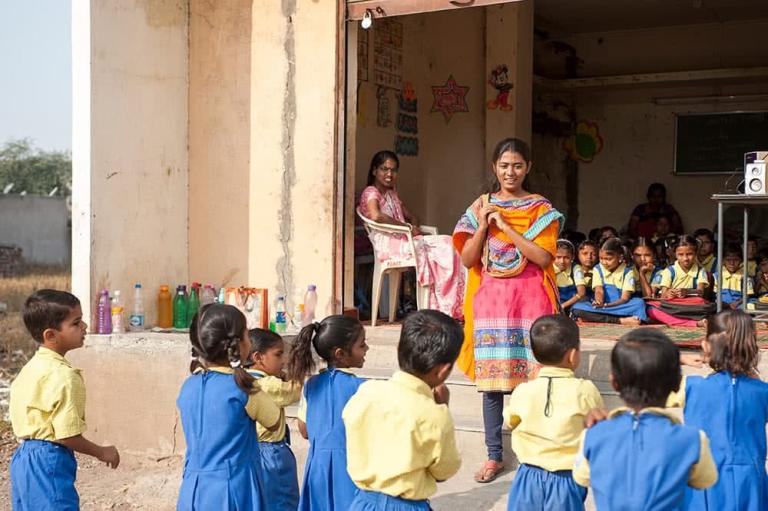
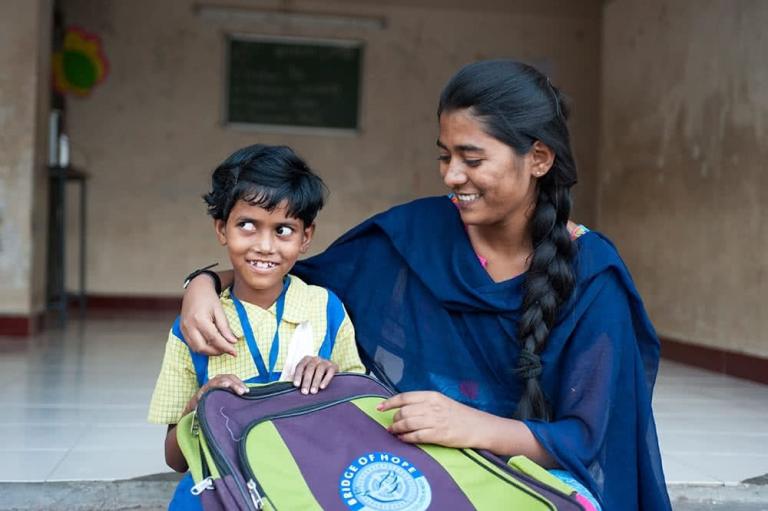
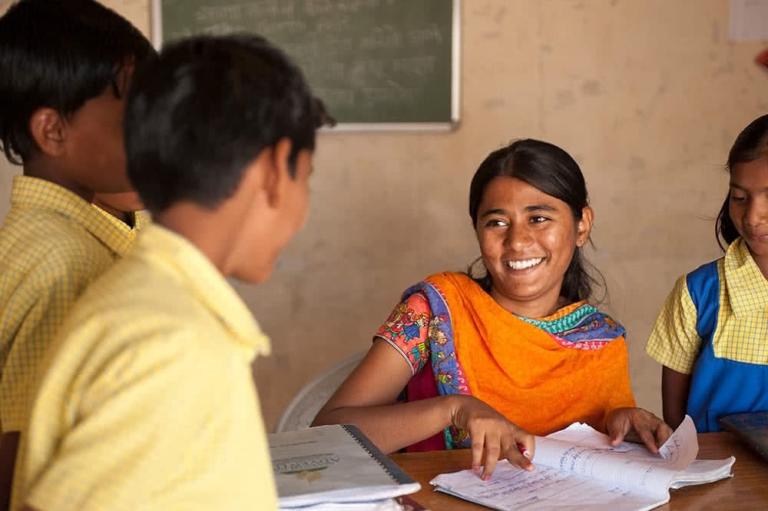
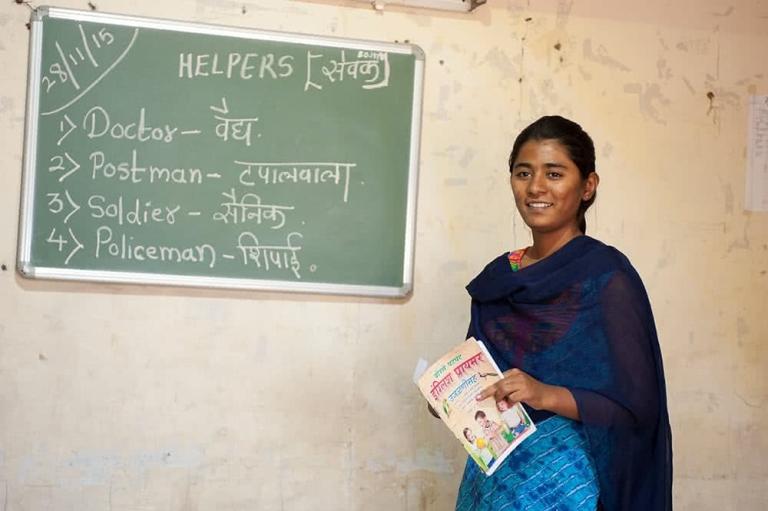
Dhitha was once a Gospel for Asia (GFA World) sponsor child herself. After finishing high school and attending college, she returned to become a teacher for other sponsored children. She is able to be a unique help as she was once in the exact situation many of these children are in right now. Dhitha, like the other teachers and social workers she serves with, loves the children in her care deeply and they are thriving as a result.
Conducted over two years, the research analyzed data from six countries (Bolivia, Guatemala, India, Kenya, the Philippines and Uganda) for children sponsored by Compassion International. In an abstract, Wydick, University of Minnesota professor Paul Glewwe and USF graduate student Laine Rutledge wrote, “Early evidence suggests that these impacts are due, in part, to increases in children’s aspirations.”21
One media report said about the study:
To give you some specific statistics, it was found that formerly sponsored children stayed in school…
were 27 to 40 percent more likely to finish secondary school than those who were not enrolled in the Child Sponsorship Program;
were 50 to 80 percent more likely to complete a university education than non-sponsored children.22
In some respects, the ministry’s projects are similar to government and international programs that promote education, Wydick and his associates wrote in their 2013 paper, published in the Journal of Political Economy. Sponsors pay for children’s school tuition and program, nutritious meals, health care and tutoring. However, they added, what distinguishes Compassion from most government, international, and some other sponsorship programs is children spending at least eight hours a week in an intensive after-school program that emphasizes spiritual, physical and socioemotional development23.
“In the sample, the average duration of sponsorship was 9.3 years,” they wrote. “So … by the end of their childhood, sponsored children have participated in about 4,000 hours of Compassion programming, including extra activities such as retreats and camps. A primary objective of this extended contact is to raise the child’s self-esteem, aspirations, and self-expectations.”24
“Locally-run child sponsorship [programs] that invest in the lives of children over a number of years ensure that these children do not fall through the cracks. They grow up better educated, healthier, more confident and spiritually connected.”
Ian McInnes, former CEO of Tearfund—a charity that partners with churches in 50 of the world’s poorest countries—said the study was a particularly heartening one that illustrated why the London-based group and Compassion choose to work directly with children in need.27
Paul Brown spent over 15 years serving as CEO for ChildFund New Zealand and helping to grow it into one of the country’s leading international aid agencies. Photo by ChildFund.org.nz
It wasn’t just sponsorship organizations that lauded the study. BBC News interviewed a former Compassion sponsoree named Peace Ruharuza, who grew up in Uganda and later moved to the United Kingdom before returning to her homeland to raise her three children.29 The charity she founded, Fountain of Peace Children’s Foundation, is still in operation. Based in the UK, it provides support for children across the Kyenjojo region of western Uganda. One of 14 children, Peace spent much of her childhood passed around between family members and experienced considerable neglect and abuse. Sponsored by a Canadian family at the age of nine, she told BBC that sponsorship gave her the boost she needed: “It gave a new lease in life, helped me become what I am and to change a generation.”30
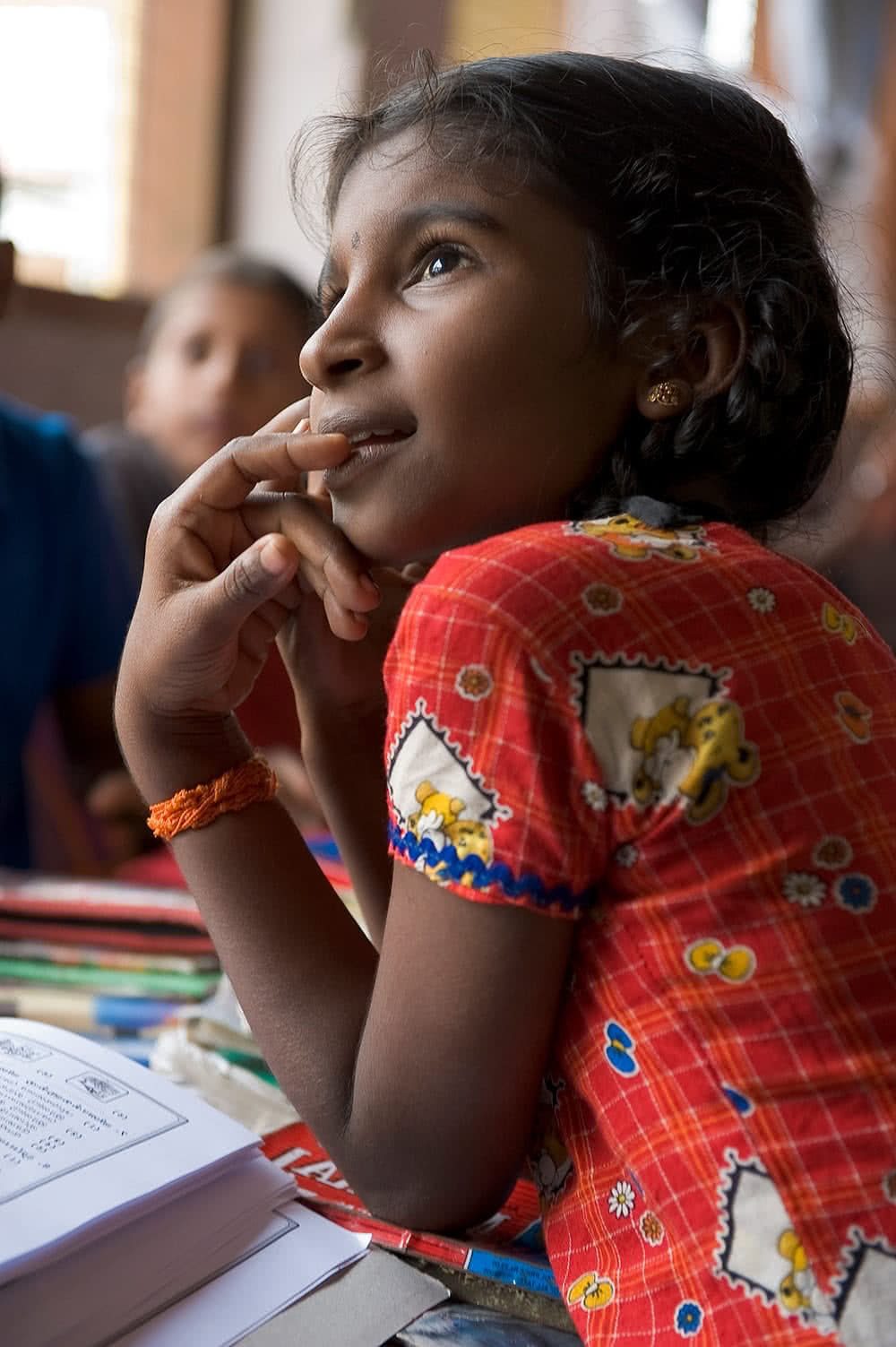
A tsunami hit Sir Lanka at the end of 2004 leaving devastation and refugees in its wake throughout the country. The slum area where this girl lives was no different. Gospel for Asia (GFA World) began their sponsorship program here shortly after the disaster and it became a long-lasting benefit and blessing to the community.
Another abstract by Wydick, Rutledge and USF graduate student Joanna Chu outlined how child sponsorship programs have been in existence since the 1930s. Over the next 75 years, they grew to the extent that nearly 3.5 million children in developing countries are now sponsored through the eight largest sponsorship programs.31
They said this means that a conservative estimate would put the current flow of funds to sponsored children from developed countries at $1.6 billion US per year, with total international transfers over the past two decades at $30 billion US. Given this “non-trivial” flow of resources, Wydick’s group said it was surprising that so little had been done to evaluate the impact of sponsorship programs.32
The exception: a randomized field experiment looking at the impacts of a Dutch program that funded new classroom construction. The program also gave students in randomly selected schools a $6 uniform and $3.44 in textbooks. That study found that even low-cost interventions resulted in beneficiaries attending school half a year longer than in the control group and advancing a third of a grade further in their education.33
In their study focused on Uganda, Wydick’s group found that
child sponsorship increased formal education by 2.9 years over a base of 8.4 years,
increased the probability of formal employment to 72.1 percent from a base of 55.15 percent,
and increased the probability of white collar employment to 37.1 percent from 19.1 percent.
They also found modest evidence that sponsored children lived in higher-quality homes as adults, were more likely to use mosquito nets (a simple tool to prevent mosquito borne illnesses), and were less likely to smoke or drink alcohol.34
Ironically, even though sponsorship has been around for so long, it isn’t necessarily understood, according to a 2017 study of 1,000 American charitable donors. The study was completed by Grey Matter Research Consulting of Phoenix and Opinions 4 Good, a philanthropic online market research firm based in Portsmouth, New Hampshire. It found that while 87 percent of American donors were aware of child sponsorship, only 24 percent felt very familiar with it.35
The Donor Mindset Study found that, overall, 74 percent of all donors believe child sponsorship is a legitimate, credible way of helping children in need, yet only 26 percent believe that strongly. Among people who were currently sponsoring a child, 98 percent believed that sponsorship is legitimate and credible, but only 68 percent felt that strongly. The other 30 percent had some doubts.36
“Most donors are aware of sponsorship and are generally positive toward it, but there is not a lot of real familiarity with how it works,” Sellers said. “It’s notable that most donors don’t hold any of their positive or negative perceptions about sponsorship strongly, but only somewhat. That shows a lot of donors aren’t entirely sure of their position on child sponsorship. … The interest is there but so are doubts or concerns. It would be wise for sponsorship organizations to explore deeply what these obstacles are and how they can effectively overcome them.”38
“I have seen these meetings take place dozens of times and I can tell you it is powerful every single time. There’s nothing like watching a sponsor hug his/her sponsored child for the first time.”
Despite such ambivalence, researchers found mechanisms that allow donors to be able to visit their child (offered by major sponsor organizations) serve as a “sort of warranty” for donors. Eighty-one percent of donors say the ability to visit their sponsored child makes sponsorship more legitimate and believable.39
Indeed, a national magazine story about the Donor Mindset Study quoted Compassion International spokesperson Tim Glenn about the difference this option makes: “I have seen these meetings take place dozens of times and I can tell you it is powerful every single time. There’s nothing like watching a sponsor hug his/her sponsored child for the first time. Sponsors can walk into the classrooms at the Compassion child development center and see the very desk where their child sits. They can meet the volunteers who cook hot meals for the child or chat with the teachers who give their time to tutor and mentor each child. It’s a life-changing experience for everyone involved.”40
Gospel for Asia (GFA World) is a leading faith-based global mission agency, helping national workers bring vital assistance and spiritual hope to millions across the world, especially in Asia and Africa, and sharing the love of God. In a typical year, this includes thousands of community development projects that benefit downtrodden families and their children, free medical camps conducted in more than 880 villages and remote communities, over 4,800 clean water wells drilled, over 12,000 water filters installed, income-generating Christmas gifts for more than 163,000 needy families, and teaching to provide hope and encouragement in 110 languages in 14 nations through broadcast ministry. GFA World has launched programs in Africa, starting with compassion projects in Rwanda. For all the latest news, visit the Press Room at https://gfanews.org/news.
Read the rest of this GFA World Special Report: Child Sponsorship — Does it Lift the Young Out of Poverty?—Part 1, Part 3
Wydick, Bruce; Glewwe, Paul; and Rutledge, Laine. “Does international child sponsorship work? A six-country study of impacts on adult life outcomes.” Journal of Political Economy. https://www.journals.uchicago.edu/doi/full/10.1086/670138. April 2013.
Wydick, Bruce; Glewwe, Paul; and Rutledge, Laine. “Does international child sponsorship work? A six-country study of impacts on adult life outcomes.” Journal of Political Economy. https://www.journals.uchicago.edu/doi/full/10.1086/670138. April 2013.
Wydick, Bruce; Glewwe, Paul; and Rutledge, Laine. “Does international child sponsorship work? A six-country study of impacts on adult life outcomes.” Journal of Political Economy. https://www.journals.uchicago.edu/doi/full/10.1086/670138. April 2013.
Wydick, Bruce; Rutledge, Laine; and Chu, Joanna. “Does child sponsorship work? Evidence from Uganda using a regression continuity design,” (pg. 1). University of California. http://eml.berkeley.edu/~webfac/bardhan/wydick.pdf. May 2009.
Ibid.
Ibid.
Wydick, Bruce; Rutledge, Laine; and Chu, Joanna. “Does child sponsorship work? Evidence from Uganda using a regression continuity design,” (cover pg.). University of California. http://eml.berkeley.edu/~webfac/bardhan/wydick.pdf. May 2009.
Last updated on: February 15, 2023 at 9:58 am By GFA Staff Writer
WILLS POINT, TX – Gospel for Asia (GFA World) founded by K.P. Yohannan, whose heart to love and help the poor has inspired numerous charities like Gospel for Asia Canada, to serve the deprived and downcast worldwide, discussing Madock, the challenges of poverty, and the alleviation a bicycle from Gospel for Asia (GFA World) gift distribution brings.
Madock was a busy man. A daily laborer by trade, the 32-year-old father of three walked three miles to work every day. Every morning, he awoke early, hauling his tired body out of bed to ensure he made it to work on time. The long hours and constant journeys back and forth to provide for his family drained him of all energy. With each passing day, Madock found it more and more difficult to keep up with the demands of his labor.
The Encroaching Exhaustion
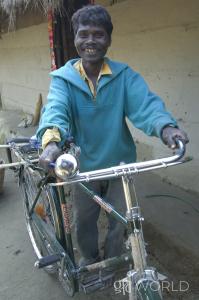
Like this man pictured, Madock can more easily make a living for his family through the gift of a bicycle, which staved off the exhaustion suffered from constantly walking.
A year prior, Madock’s mother had been sick with an unknown ailment, and multiple doctors could not discern what was wrong. Eventually, Madock heard about a church led by Gospel for Asia (GFA) pastor Rafferty and asked for his help.
By God’s grace, Madock’s mother was completely healed, which led to Madock and his entire family embracing God’s love. The family began attending Pastor Rafferty’s church, wanting to grow in that love. Or at least, they tried to attend.
In the following months, the hard labor Madock performed, combined with the journey he made day and night, took its toll. The fatigue never truly left, and Madock often found it difficult to make it to work.
Sometimes, Madock and his family couldn’t make it to church, despite his desires and best efforts. He wanted to worship the Lord with other believers and grow in his faith, but his tired body would not let him. He also needed to save what little energy he could muster for his job. No matter how much Madock wanted to do both, he couldn’t.
Blessing on Wheels
Pastor Rafferty, seeing the conflict in Madock’s life, decided to alleviate both concerns. There was an upcoming gift distribution, where those in need could come and receive tools to help them in their lives. After consulting with his leadership for approval, Pastor Rafferty added Madock’s name to the list of recipients.
Riding his bicycle to work every morning brought great joy to Madock, for the ability to save his energy for work meant he could effectively provide for his family and faithfully grow in God’s love and joy.
*Names of people and places may have been changed for privacy and security reasons. Images are Gospel for Asia World stock photos used for representation purposes and are not the actual person/location, unless otherwise noted.
WILLS POINT, TX – Gospel for Asia (GFA World) founded by K.P. Yohannan, whose heart to love and help the poor has inspired numerous charities like Gospel for Asia Canada, to serve the deprived and downcast worldwide, discussing how a gift of a bicycle from GFA World gift distribution helped a girl gain an education for a better future.
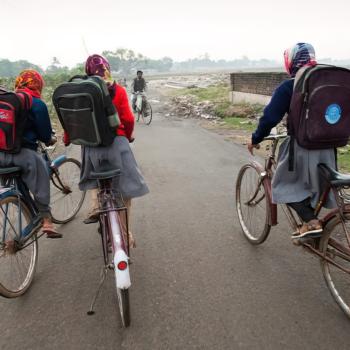
Like these girls, Karrah (not pictured) can now easily reach school because of her bicycle.
A girl on a bicycle zipped past Karrah as she walked to school. Karrah likely sighed enviously as she trudged the remaining steps of her three-mile journey. Already weary by the time she arrived at school, Karrah had to dig into her energy reserves to somehow focus on her studies.
There were times Karrah wondered if school was worth the difficulty to get there. Maybe she should just quit? If she did, she wouldn’t have to waste three hours a day walking, the heat zapping her energy in the summer and darkness beating her home in the winter.
Yes, perhaps quitting was the answer.
Looking for a Solution
Though Karrah’s parents worked hard as farmers, they barely managed to provide for teenaged Karrah and her three younger siblings. They wanted a better life for their children; that’s why they sent Karrah to school. But they worried about their daughter trekking more than three hours on foot by herself to and from school every day. A bicycle would help her tremendously, but Karrah’s parents could not afford one on their meager wages.
When Gospel for Asia (GFA) pastor Maddock learned of Karrah’s plight, his heart filled with compassion. It was a common problem for girls in his community. When students must walk long distances to school, the hardship can take a toll on their physical and mental capacity, as well as their enthusiasm, to learn and can lead many to drop out.[1]
Pastor Maddock didn’t want that to be the case for Karrah or others in their community. He organized a gift distribution in which 50 girls, including Karrah, received bicycles.
“Now, I hardly take 20 minutes ride to reach the school and do not get tired,” Karrah said. “I also accompany my friends to school by riding [my] bicycle along with them. Before, I used to go alone to school, but now I got friends who like to come with me on my bicycle.”
A burden has lifted for Karrah’s parents as well. Now, their daughter can reach school with ease and journey on toward reaching her full potential.
*Names of people and places may have been changed for privacy and security reasons. Images are Gospel for Asia World stock photos used for representation purposes and are not the actual person/location, unless otherwise noted.
Last updated on: September 21, 2022 at 5:10 am By GFA Staff Writer
WILLS POINT, TX – Gospel for Asia (GFA World) founded by K.P. Yohannan, whose heart to love and help the poor has inspired numerous charities like Gospel for Asia Canada, to serve the deprived and downcast worldwide, discussing Nelia, a widow, her family in poverty, and the alleviation brought about by GFA World gift distribution of income generating gifts.
Nelia was stunned; Her husband had died without warning. He had been carried to the hospital, where Nelia and their children learned the dreadful news: He had blood cancer. Just a few days later, Nelia was a widow.
Widow Fears for Her Children’s Future
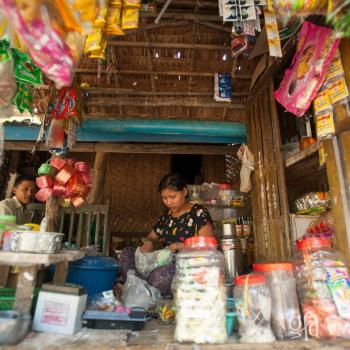
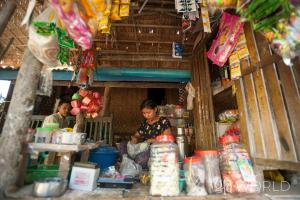
A small shop like this one enabled Nelia (not pictured) to provide for her family after her husband’s passing.
Nelia’s husband had been the only breadwinner for the family, going out every day to work. After his passing, Nelia shouldered the responsibility of providing for her children. Thankfully, relatives helped for a time, providing what supplies they could—but they could only do so much.
When her relatives were no longer able to help, Nelia’s eldest son began working in a motorbike shop. But the money he made barely fed them; their home fell into disrepair and Nelia’s daughter had to stop going to school—the fees were too expensive. Nelia wondered if her youngest son would be able to finish his education; it didn’t seem likely.
The looming threat of abject poverty grew larger and larger. What was to become of them? Would they even have a future? Nelia’s fears for her and her children’s future intensified—but they would not last.
To her joy, Nelia received provisions to start a small shop. She could now sell grocery items that otherwise would have been difficult for Nelia’s fellow villagers to purchase—a beneficial gift for all. On the first day of the shop’s opening, Nelia made enough money to buy more items she could sell—a sign that things were turning around.
A year later, Nelia’s business had grown to the point where she could earn a stable income that enabled her to fix her home, send her younger son through school and feed all her children. The shadow of poverty that had darkened her household had lifted, thanks to Pastor Vaclav’s timely intervention.
“We shall never forget the aid provided to us,” the family said. “We are grateful to the church.”
*Names of people and places may have been changed for privacy and security reasons. Images are Gospel for Asia World stock photos used for representation purposes and are not the actual person/location, unless otherwise noted.
WILLS POINT, TX – GFA World (Gospel for Asia) founded by K.P. Yohannan, has been the model for numerous charities like GFA World Canada, to help the poor and deprived worldwide, issued this second part of a Special Report on Malaria – new vaccine heralds a game-changing development.
Tricking Mosquitoes With … ‘Toxic’ Beetroot Juice?
In the seemingly never-ending quest to wipe out malaria—responsible in 2019 for the deaths of more than 400,000 people worldwide, roughly equivalent to wiping out the entire population of Miami, Florida—scientists are experimenting continually with new ideas to combat “the enemy” … the pesky mosquito.[17]
Perhaps one of the most unusual ideas involves “toxic” beetroot juice.
Researchers at Sweden’s Stockholm University have been preying on mosquitoes searching for their next tasty blood meal. They’ve shown that it’s possible to mimic a blood feast using beetroot juice laced with a “toxic” plant-based solution that kills mosquitoes but doesn’t harm other species, such as bees.[18]
Until the malaria vaccine usage is widespread, there are still a number of simple but highly effective solutions to combat malaria. One is mosquito bed nets. Another in process, is toxic beetroot, which kills the female carriers.
Beetroot is part of a simple “pink juice” mixture which mimics mosquito’s food drawing in the pest and safely dispatching of it without harming other organisms.
According to an October 2021 report in ScienceDaily, the Swedish team tested four different ingredients in a beetroot juice cocktail. All the mosquitoes feeding on the “fake blood” died within a few hours.[19]
“This mixture, [which] we call ‘pink juice,’ is a harmless … eco-friendly solution, but it is naturally toxic for female mosquitoes,” said Noushin Emami, a professor in the university’s Department of Molecular Biosciences.[20] The Stockholm researchers hope to see their “feeding trap” tested in the field and eventually used alongside other effective mosquito control measures.
“There are a number of … approaches targeting mosquitoes … but I believe that there is a lot of potential in developing very simple but highly effective solutions,” Emami said. “We used beetroot in this study to demonstrate exactly this point.”[21]
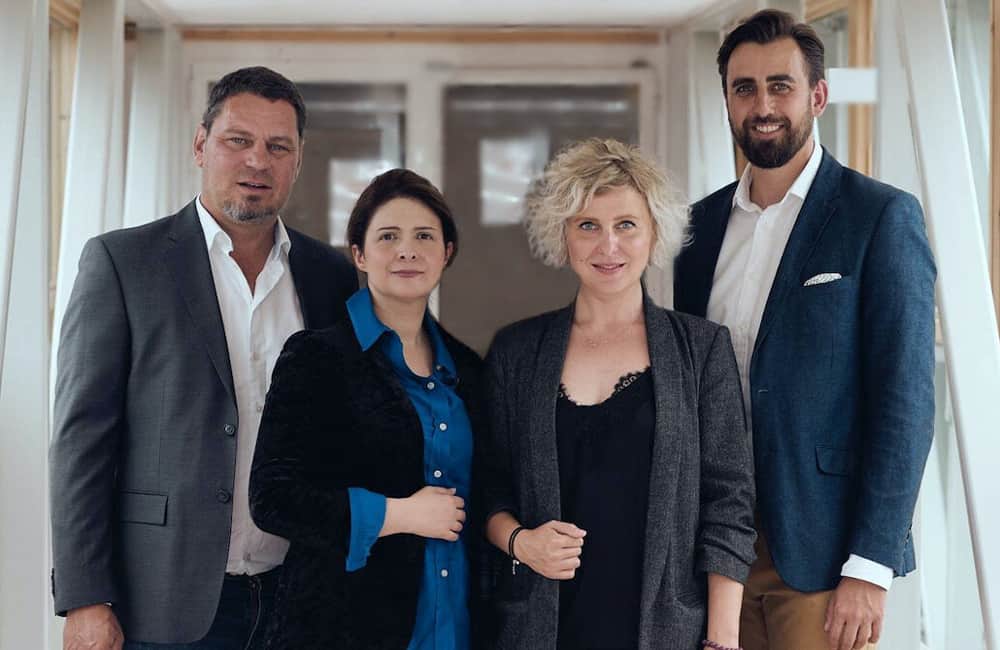
Molecular Attraction team. From left: Johan Paleovrachas, Co-founder and Chairman, Noushin Emami, PhD, Co-founder and CSO, Aleksandra Gromnicka, Project Manager, Lech Ignatowicz, PhD, Co-founder and CEO. Photo by Molecular AttractionPeople typically get malaria after being bitten by an infective female Anopheles mosquito.
Facing a Global Emergency
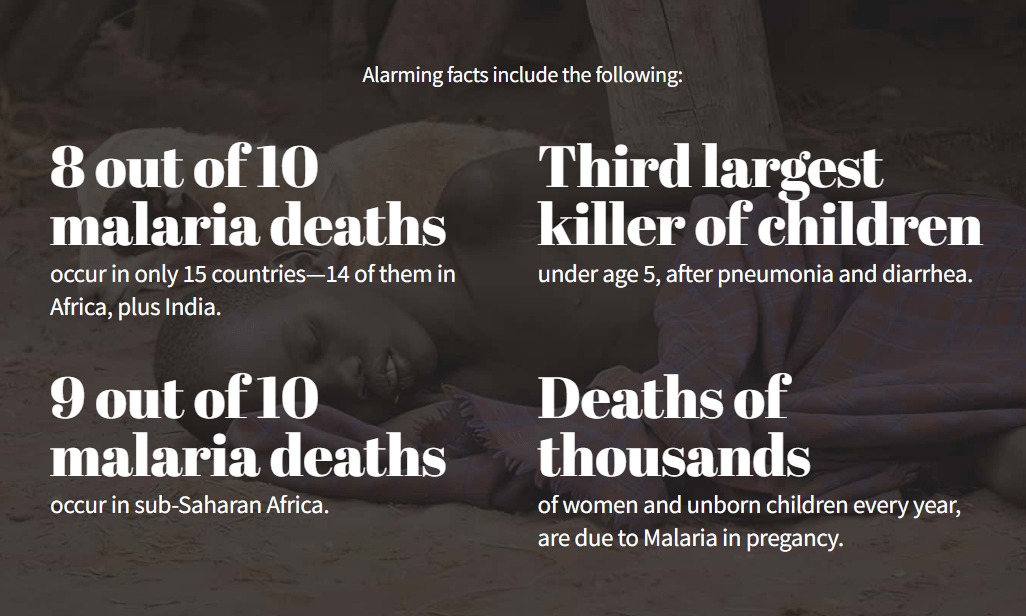
Despite recent breakthroughs and progress, malaria remains one of the biggest threats to children’s lives on the global stage. “Every two minutes, a child dies of malaria,” said UNICEF’s Stefan Swartling Peterson.[22] According to the agency, nearly half of the world’s population is at risk. The U.S. Centers for Disease Control (CDC) says the mosquito is the most deadly creature in the world—killing more people each year than sharks, wolves, lions, crocodiles and snakes combined.[23]
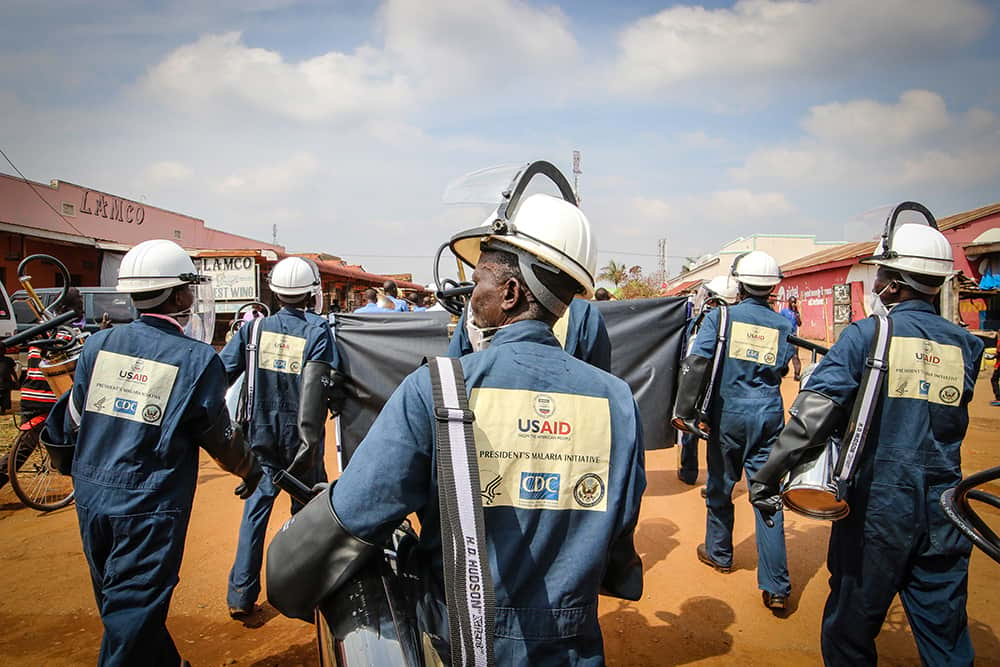
USAID’s indoor residual spraying activity has protected almost 7 million Ugandans from malaria, and contributed to reducing malaria infection rates in targeted districts by 55 percent.
In a June 30, 2021 news release from the World Health Organization, it was stated that “Globally, 40 countries and territories have been granted a malaria-free certification from WHO—including, most recently, El Salvador (2021), Algeria (2019), Argentina (2019), Paraguay (2018), and Uzbekistan (2018).”[25]
In June 2021—following a 70-year battle against malaria—China joined the coveted list of malaria-free countries. WHO described it as a “notable feat” for the world’s most populous nation.[26]
In the 1940s, China reported 30 million cases of malaria each year.[27] According to a CNN report, during the Vietnam War, more Chinese soldiers died from malaria than bullets in the mosquito-ridden jungles.[28] China is the first country in more than 30 years in the Western Pacific region to rid itself of the disease.[29]
Many nonprofits are on the frontlines, operating health clinics, providing medicine, and distributing lifesaving bed nets in even the most isolated places.
WHO credits China’s success in eradicating malaria to aggressive government action to wipe out mosquito breeding grounds, develop better antimalarial drugs and pioneer preventive measures. In the 1980s, China was one of the first countries to test insecticide-treated bed nets on a large scale—showing that widespread use of bed nets at night could significantly reduce mosquito bites and malaria cases.[30]
China has a long history of malaria, but it has now maintained zero indigenous malaria cases for four years running, down from an estimated 30 million cases and 300,000 deaths per year in the 1940s. This malaria free certification by WHO in 2021 is a significant life-saving achievement for China, showing the potential for real progress in the fight against malaria. Photo by WHO/C.McNab
The Battle On the Frontlines: Mosquito Nets
Science and facts tell part of the story. But the real-life impact of malaria is unfolding right now in the rural villages of sub-Saharan Africa, the teeming cities of Asia and the Amazon rainforests of South America.
Many global nonprofit organizations—including World Vision, Save the Children and GFA World—are on the frontlines, operating health clinics, providing medicine, and distributing lifesaving bed nets in even the most isolated places.
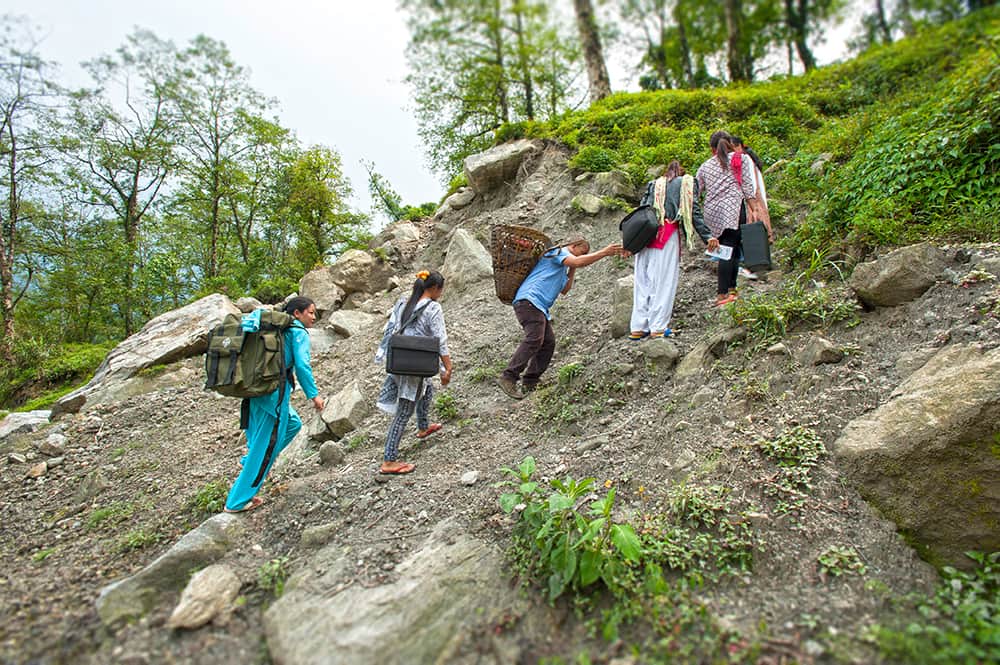
“Some of their communities are in such deep trouble fighting this disease, our workers were dealing with thousands of cases,” said Gospel for Asia (GFA World) founder K.P. Yohannan. In one malaria-prone area of Asia, workers climbed a mountain on foot to reach a remote, mountaintop community caught in a malaria death cycle, Yohannan said. “The people of this community, extremely isolated … didn’t know how to prevent or treat malaria.”
Sikkim: Because of mountainous terrain in many parts of India, Gospel for Asia (GFA World) teams often hand carry critical provisions, like mosquito nets, on their backs while climbing mountains to reach the villages in need of supplies.
Gospel for Asia (GFA World) missionaries—driven by the belief that every human life is precious to God—distributed some 200 mosquito bed nets they’d carried up the mountain, as well as malaria medicine, and showed the local people how to protect themselves and halt the deadly wave.
“From the day they brought the medicine and nets, not a single person in that community died of malaria,” Yohannan said. “What does this tell us? In remote, malaria-ridden places across Asia, a mosquito net can change an entire community.”
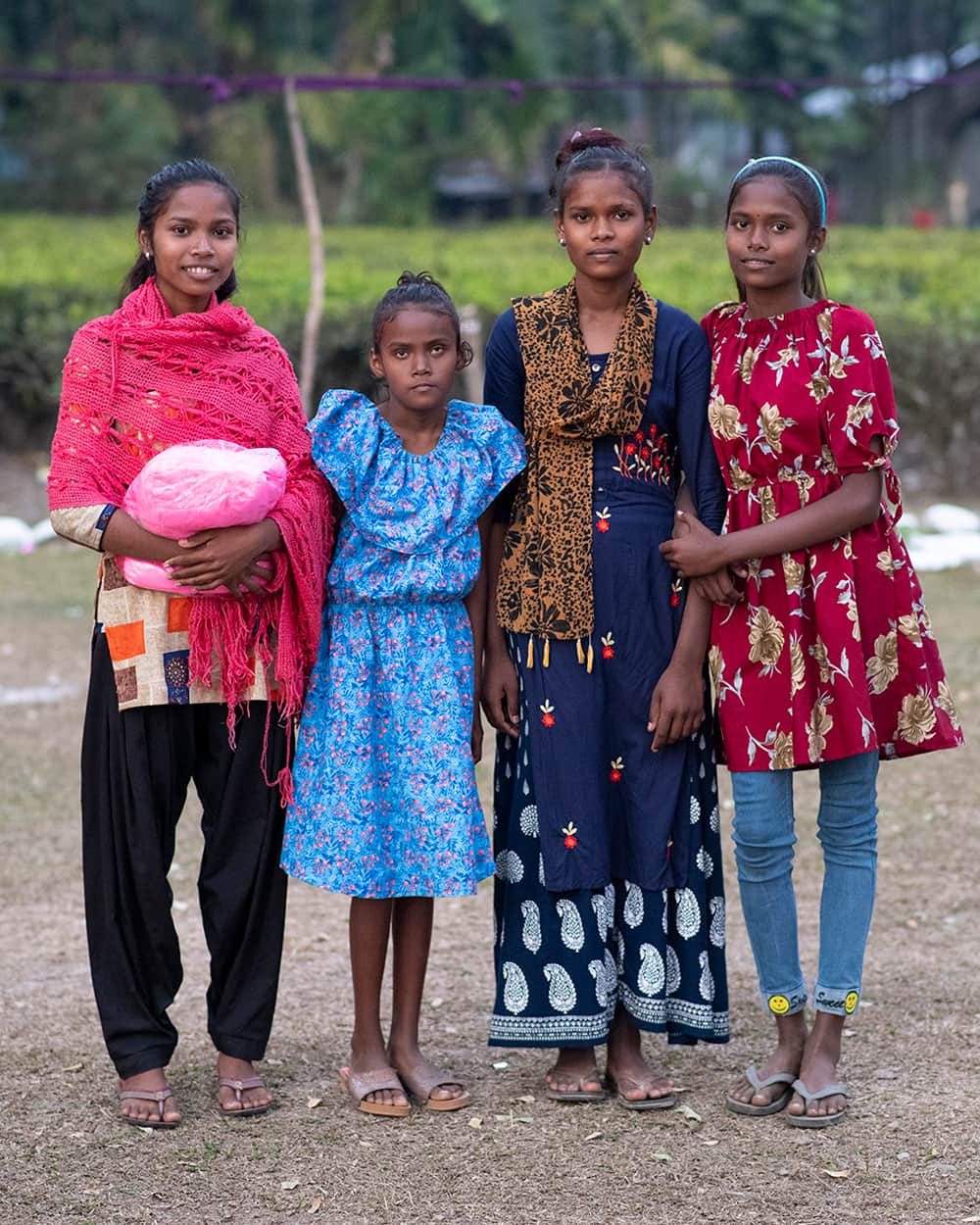
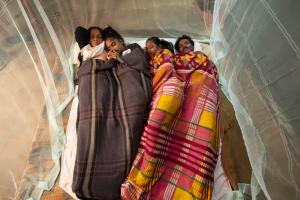
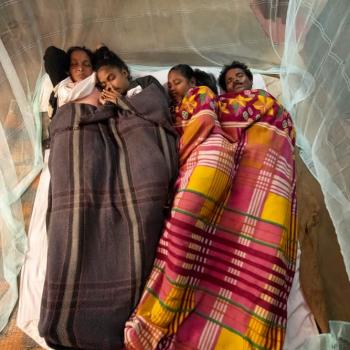
West Bengal 1-4-22: These four motherless sisters were very happy to receive a bed net for their family to keep them safe from mosquito bites and other insects. The oldest daughter works to make ends meet, but earns less than 100 rupees a day.
One Less Thing to Fear
Living in an area with high rates of malaria, Bahman and his wife, Salli, were terrified they’d lose their two young daughters to the disease. They knew a mosquito net—costing about $10—would be a potential lifesaver. But they were too poor to afford one.
Increasing their fear, one of their daughters had been paralyzed for three years. If she contracted malaria, would she survive?
That’s when a local Gospel for Asia (GFA) missionary realized the dilemma facing the couple and their neighbors. He took action—and 100 families, including Bahman’s, were given bed nets. “You helped us by providing a piece of mosquito net in our lives, though you never knew us before,” Bahman said. “We are touched with your love.”
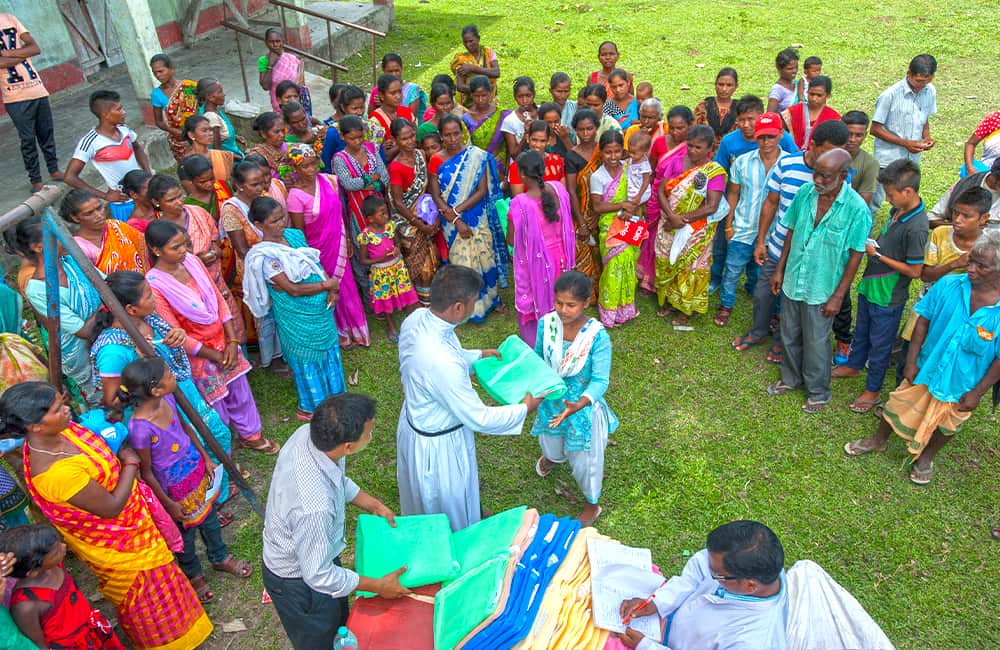
West Bengal 8-17-16: Gospel for Asia (GFA World) national missionary, and helpers, and the local village head, distributed some eight hundred mosquito nets to local villagers from economically poor and underprivileged backgrounds.
Making It Personal Makes a Difference
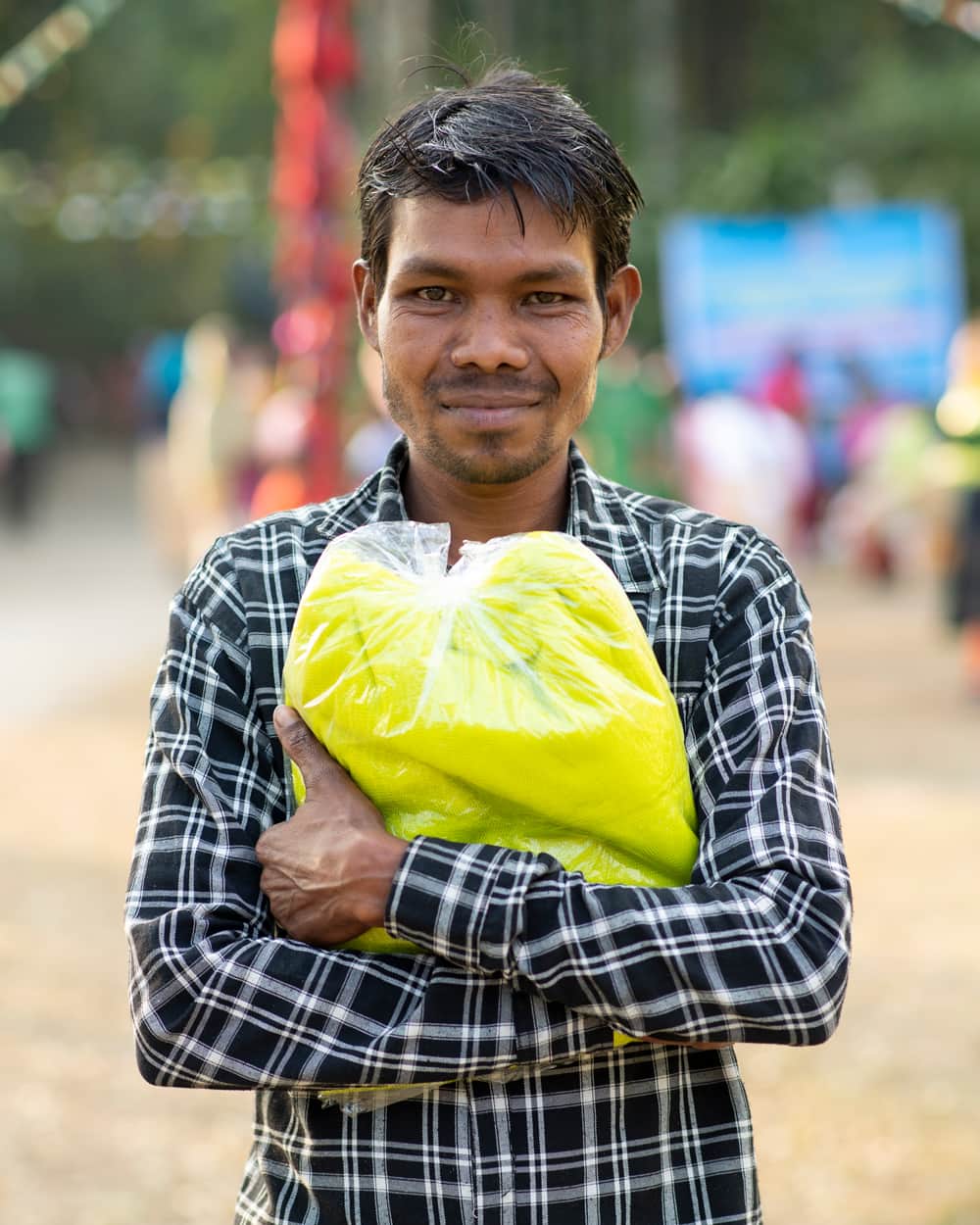
For $10, about the cost of morning coffee, you can gift a life-saving mosquito net to an Asian parent, like this father in West Bengal, India, who earns just $3/day, and cannot afford to buy one himself. He can then safeguard his loved ones from harmful mosquito bites that carry vector-borne diseases like malaria. His family will be forever grateful to you.
For many of us born and raised in a malaria-free country, malaria is not something we worry about. It’s a “tropical disease” that’s a long way from affecting our lives. Mosquito bites are an itchy annoyance—that’s all.
This was certainly true for me—until the day I watched malaria’s deadly fever grip my African friends in Uganda. That’s when it became personal for me. They were suffering on the edge of death because they couldn’t afford a basic bed net or antimalarial tablets that cost just a few dollars—things that were readily available, and that I took for granted.
For $10, you can place a life-saving bed net into the hands of a family at risk, a family—like Bahman’s—who will be forever grateful. So far, GFA World’s national missionaries have given out more than 1.3 million mosquito nets. They’d love to hand out millions more.
China has shown us it’s possible to obliterate malaria from the world’s most populated country. And now—with an effective vaccine—the end is finally in sight around the globe. If we all work together, we can see malaria eradicated everywhere.
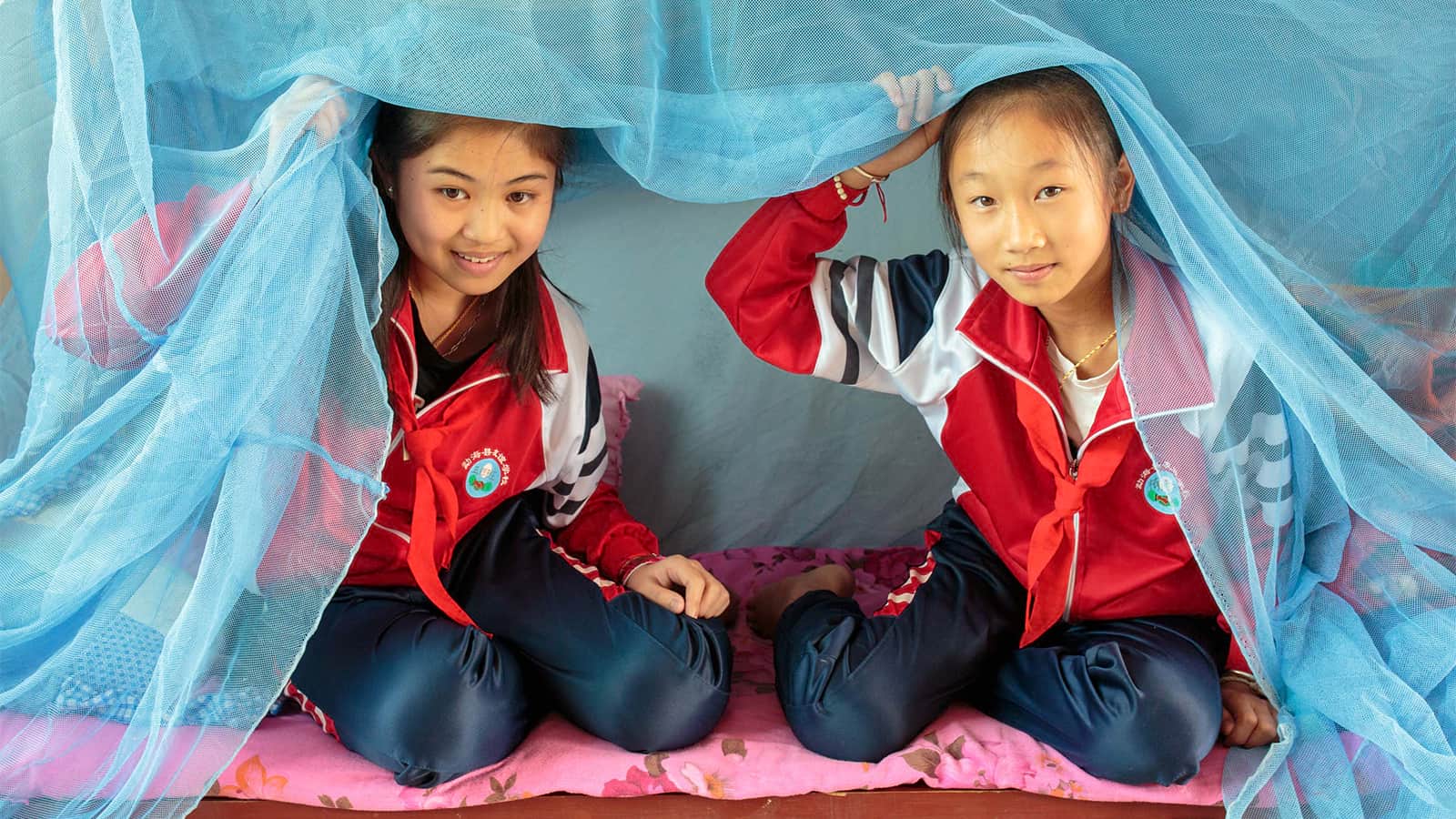
One simple way to fight mosquito-borne diseases like malaria, is to consider giving a needy family a simple Mosquito Net. For only $10, Gospel for Asia’s field partners can distribute one of these effective nets to an at-risk family in Asia and provide them with safety from insects during the day and at night.
About GFA World
Gospel for Asia (GFA World) is a leading faith-based global mission agency, helping national workers bring vital assistance and spiritual hope to millions across the world, especially in Asia and Africa, and sharing the love of God. In a typical year, this includes thousands of community development projects that benefit downtrodden families and their children, free medical camps conducted in more than 1,200 villages and remote communities, over 4,800 clean water wells drilled, over 12,000 water filters installed, income-generating Christmas gifts for more than 260,000 needy families, and teaching to provide hope and encouragement in 110 languages in 14 nations through radio ministry. GFA World has launched programs in Africa, starting with compassion projects in Rwanda. For all the latest news, visit the Press Room at https://gfanews.org/news.
Read the rest of this GFA World Special Report: Malaria – It’s Time to Buzz Off!New Vaccine Heralds a Game-Changing Development—Part 1
Learn more how to save families from the sickening agony or death from malaria through the gift of Mosquito Nets that offer protection from the sting of an infected mosquito and help to give their owner a restful nights sleep.
WILLS POINT, TX – GFA World (Gospel for Asia) founded by K.P. Yohannan, has been the model for numerous charities like GFA World Canada, to help the poor and deprived worldwide, issued this first part of a Special Report on Malaria – new vaccine heralds a game-changing development.
It’s the “buzz” millions around the world have been waiting to hear—the news of a mosquito-busting breakthrough decades in the making.
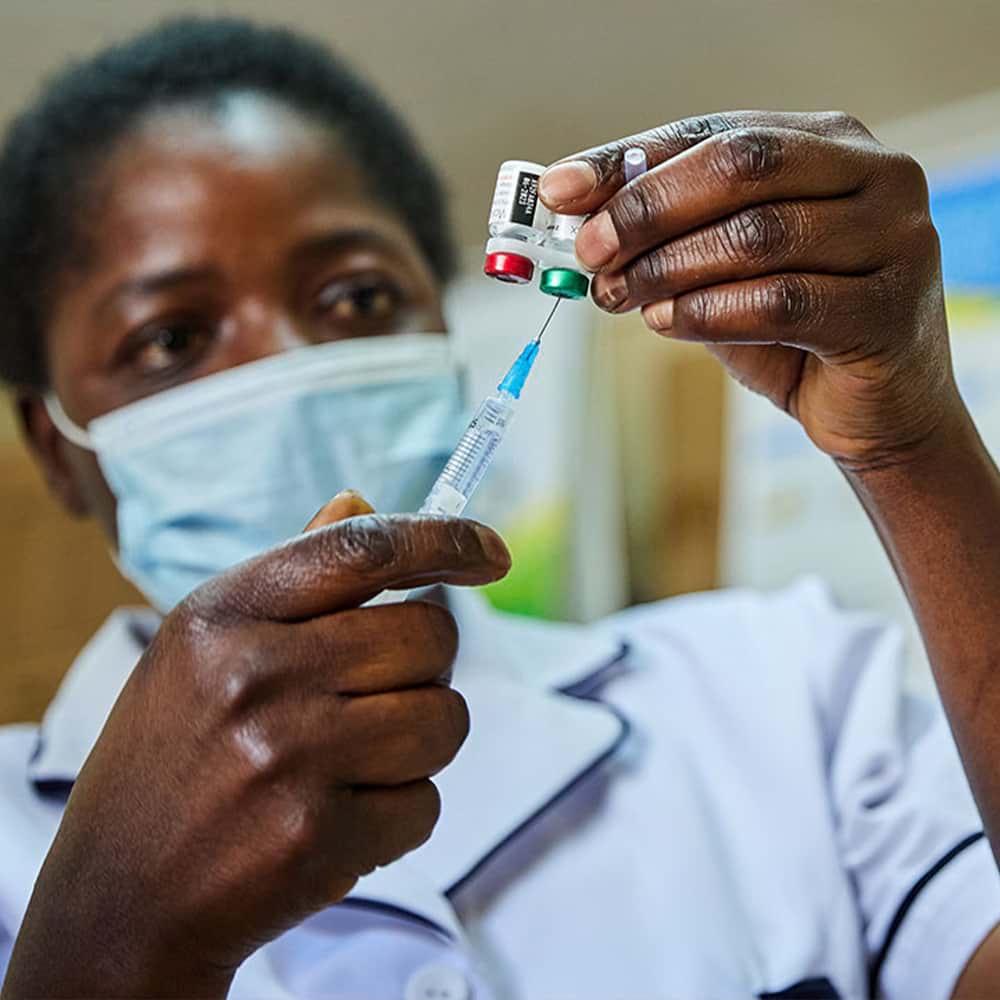
Nurse Janet Wanyama prepares to vaccinate a child against malaria at the Malava County Hospital, Kakamega, Kenya. Photo by Gavi/2021/White Rhino Films-Lameck Orina
On Oct. 6, 2021, the World Health Organization (WHO) announced that for the first time ever it was recommending the widespread use of a vaccine to protect children at risk of mosquito-borne malaria—one of the biggest killers of children under 5 in sub-Saharan Africa.[1]
In a news universe saturated by COVID-19 recently, this “historic” announcement struggled to make a splash in the mainstream media. But in the ongoing worldwide battle against life-threatening mosquito bites, this vaccine heralds a game-changing development in the fight against malaria.
“This is a historic moment,” said WHO Director-General Dr. Tedros Adhanom Ghebreyesus. “Using this vaccine on top of existing tools to prevent malaria could save tens of thousands of young lives each year.”[2] Every year, more than 260,000 children under the age of 5 in sub-Saharan Africa die from the effects of malaria, according to WHO.[3]
After years of stagnated progress in the fight against the disease in nations such as Ghana, Kenya and Malawi, the breakthrough finally came with a trial vaccine known as RTS, S/AS01—not exactly a memorable name for such a landmark moment.
WHO endorsed widespread use of the four-dose vaccine in areas with “moderate to high P. falciparum malaria transmission,” following a pilot program that’s involved giving the shot to more than 900,000 children since 2019.[4] P. falciparum is also the most prevalent strain in Africa.
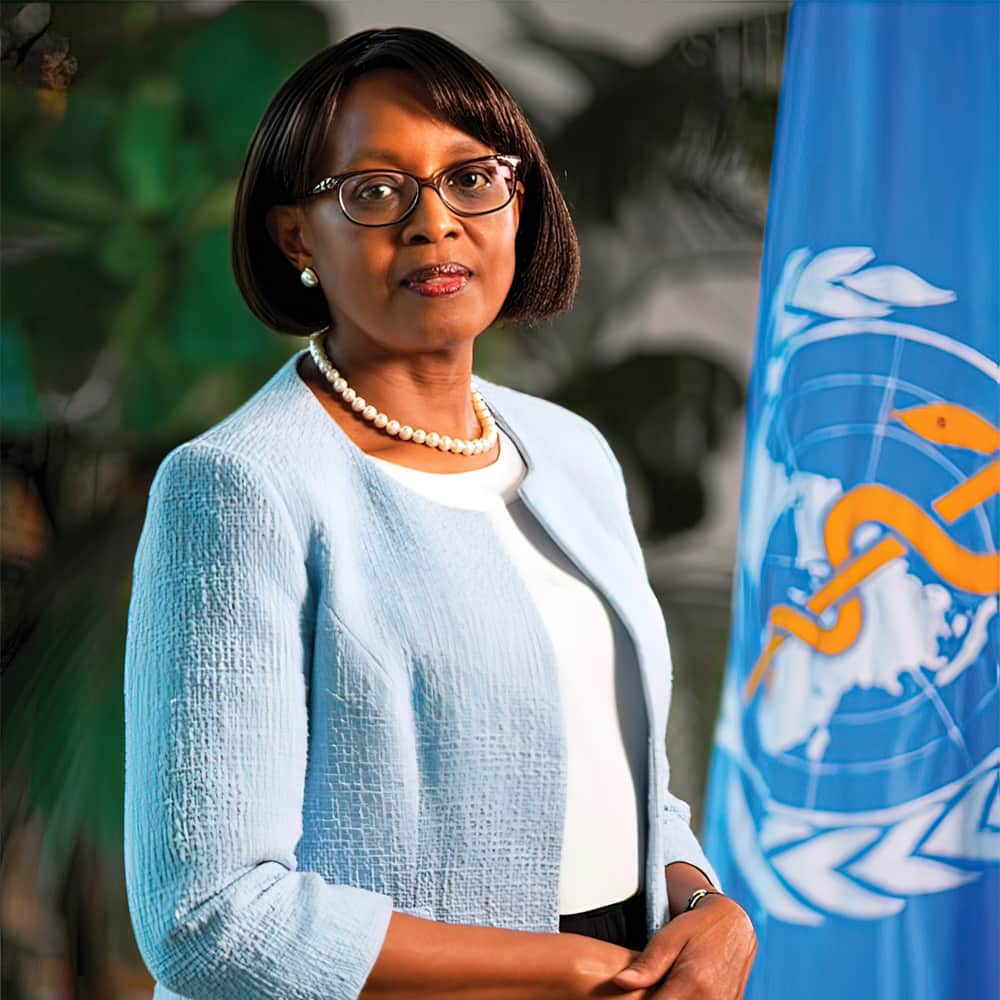
“For centuries, malaria has stalked sub-Saharan Africa, causing immense personal suffering,” said Dr. Matshidiso Moeti, WHO’s Africa Regional Director. “We have long hoped for an effective malaria vaccine, and now for the first time ever, we have such a vaccine.”[5]
The breakthrough offers “a glimmer of hope” for the continent that “shoulders the heaviest burden of the disease,” Moeti said.[6]
As of October 2021, more than 2.3 million shots-in-arms had been administered to children in the three-nation pilot program, covering parts of Ghana, Kenya and Malawi. Initial results indicated that more than two-thirds of children who were not sleeping under insecticide-treated bed nets were protected by the vaccine. And the shot—more than 30 years in the making—reduced cases of severe and deadly malaria by 30 percent.[7]
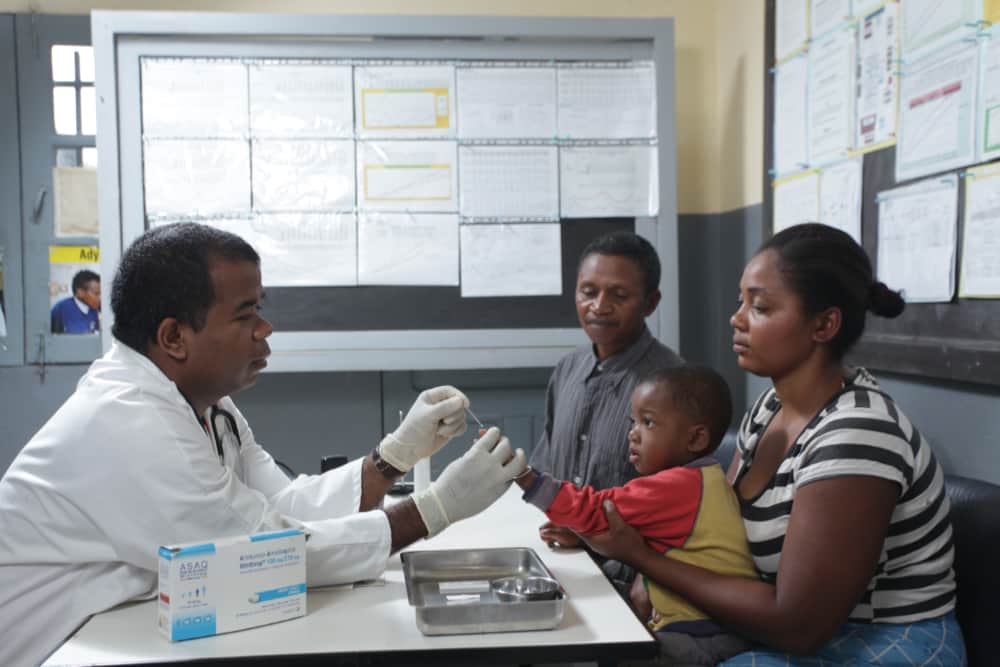
U.S.A. government via the President’s Malaria Initiative and USAID, donated $1.8 million in malaria commodities to the Ministry of Public Health that oversees Madagascar’s annual malaria campaign, including over 2 million rapid diagnostic tests and nearly 2 million doses of treatment for both normal and severe forms of malaria. The supplies were timely because Madagascar had seen a spike in malaria — in the first six months of 2020, over 1 million people there had been diagnosed with malaria and over 600 people died from the disease.
Malaria and Changing Temperatures
The encouraging news, at long last, of an effective vaccine against malaria comes just months after a study by the London School of Hygiene & Tropical Medicine suggested rising worldwide temperatures could cause a dramatic increase in malaria cases.[8]
Malaria and dengue fever may start having an even broader reach worldwide if temperatures continue to rise and extend the disease’s transmission season. Transferal will also happen faster as population density increases causing many more to become ill.
According to a report in The Lancet Planetary Health, the European study estimates 8.4 billion people could be at risk from malaria and dengue fever by the end of the century if rising temperatures were to go unchecked and the world’s population continues to ramp up.[9]
While the year 2100 seems a long way off, the European researchers base their dire predictions on “worst-case scenario” effects of greenhouse gas emissions and population density producing warming temperatures of 3.7 degrees Celsius—about 6.6 degrees Fahrenheit.[10]
Malaria could “gradually increase as a consequence of a warming climate in most tropical regions, especially highland areas,” said the report, citing countries potentially at risk as including Ethiopia, Kenya, South Africa, Somalia, Saudi Arabia, Peru, Mexico and Venezuela.[11]
Encouraging news of an effective vaccine against malaria comes just months after a study suggests rising worldwide temperatures could cause a dramatic increase in malaria cases.
What’s more, researchers also predict changes to weather patterns could cause a “northward shift” of the malaria-epidemic belt into North America, northern and central Europe and northern Asia if temperatures heat up, placing populations in the developed and largely malaria-free nations of the West at risk.[12]
But researchers also acknowledge their study faces limitations because they’re unable to predict advances in vaccines and drugs, or future mutations in malaria parasites.[13]
Malaria ‘Cat and Mouse’
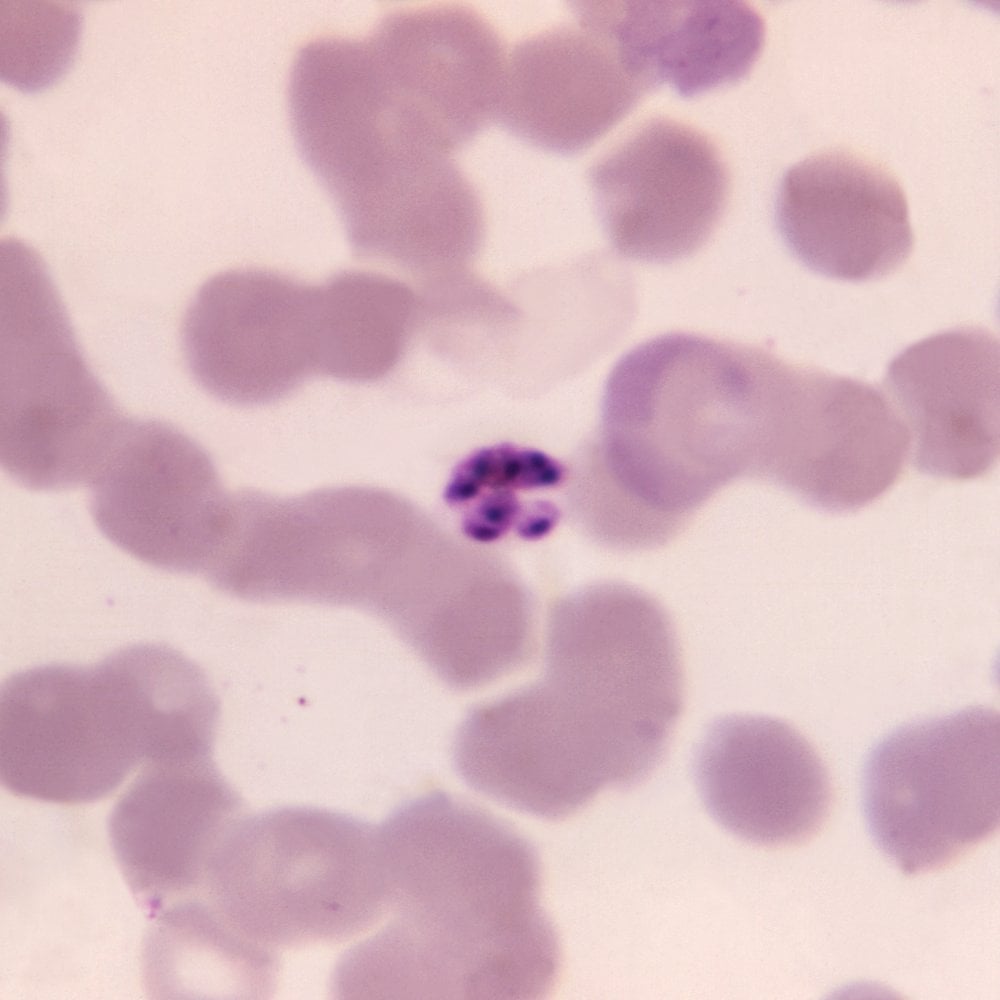
A 1125X photomicrograph magnification of a Giemsa stained, thin film blood smear, revealing a mature, Plasmodium malariae schizont.
Meanwhile, researchers at Texas Biomedical Research Institute are playing a game of “cat and mouse” with malaria parasites—trying to catch parasites in the act of mutating into different strains.[14]
Scientists at the San Antonio facility have been studying five different malaria parasite species that infect people, probing how certain parasites mutate as they hide in the liver, where they can lie dormant for months—only to strike later with a vengeance.[15] While such studies of new mutations are in the early stages, it’s hoped they’ll eventually help researchers understand how malaria parasites develop resistance to drugs and evade the body’s immune system. It could also pave the way for new malaria treatments in the future.[16]
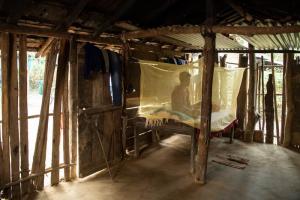
Although this man’s house in West Bengal is not properly protected, at least he has a mosquito net that will protect him from harm while sleeping at night, since most of the people in this area suffer from malaria caused by mosquito bites.
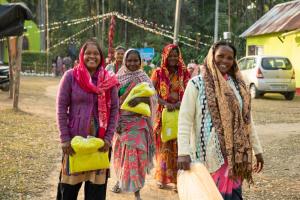
These mosquito net recipients were very glad that GFA World distributed bed nets to them as most are from very poor families, working the tea gardens to make less than two hundred rupees a day.
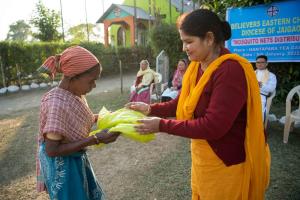
A primary health care center volunteer from Hantapara Tea Garden in West Bengal hands over a mosquito net to an elderly lady in need, during a GFA World bed net distrubution.
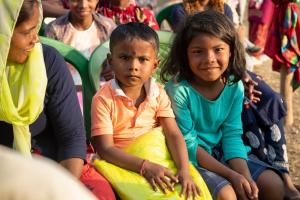
These children from West Bengal are happy as their family received a mosquito net from GFA World. Most kids in this region come from families whose parents are daily-wage laborers living on very limited incomes which preclude them from being able to buy things like mosquito nets.
Now this entire family of four can safely sleep inside the large-sized mosquito net they were provided by GFA World in West Bengal, India.
One simple way to fight mosquito-borne diseases like malaria, is to consider giving a needy family a simple Mosquito Net. For only $10, Gospel for Asia’s field partners can distribute one of these effective nets to an at-risk family in Asia and provide them with safety from insects during the day and at night.
About GFA World
Gospel for Asia (GFA World) is a leading faith-based global mission agency, helping national workers bring vital assistance and spiritual hope to millions across the world, especially in Asia and Africa, and sharing the love of God. In a typical year, this includes thousands of community development projects that benefit downtrodden families and their children, free medical camps conducted in more than 1,200 villages and remote communities, over 4,800 clean water wells drilled, over 12,000 water filters installed, income-generating Christmas gifts for more than 260,000 needy families, and teaching to provide hope and encouragement in 110 languages in 14 nations through radio ministry. GFA World has launched programs in Africa, starting with compassion projects in Rwanda. For all the latest news, visit the Press Room at https://gfanews.org/news.
Read the rest of this GFA World Special Report: Malaria – It’s Time to Buzz Off!New Vaccine Heralds a Game-Changing Development—Part 2
Learn more how to save families from the sickening agony or death from malaria through the gift of Mosquito Nets that offer protection from the sting of an infected mosquito and help to give their owner a restful nights sleep.
WILLS POINT, TX – Global humanitarian agency GFA World (Gospel for Asia) founded by KP Yohannan, has been the model for numerous charities like Gospel for Asia Canada, to help the poor and deprived worldwide, suggests in a new report, a long-anticipated vaccine breakthrough could mean the end is in sight for one of the world’s most deadly disease.Mosquito-borne malaria is responsible for more than 400,000 deaths worldwide annually, roughly equivalent to wiping out the population of Miami every year, says the report Malaria, It’s Time to Buzz Off! (https://www.gfa.org/press/malaria/)
TIME FOR MALARIA TO BUZZ OFF: Mosquito-borne malaria kills a child somewhere every 2 minutes. GFA World’s (www.gfa.org) new report Malaria, It’s Time to Buzz Off! (https://www.gfa.org/press/malaria/) – released for World Malaria Day, April 25 – spotlights the new vaccine that could help finally eradicate the disease worldwide.
The report – coinciding with World Malaria Day, April 25 – says the disease that’s rampant in sub-Saharan Africa and South Asia kills a child somewhere every 2 minutes, making the tiny mosquito more deadly than “sharks, wolves, lions, crocodiles and snakes combined.”
But now that could change with the first-ever approval of a vaccine for widespread use by the World Health Organization (WHO). Calling it “the ‘buzz’ millions around the world have been waiting to hear,” the report describes the new 4-dose vaccine as a “game-changing development.”
By last October, 2.3 million shots-in-arms were administered to children in the 3-nation vaccine trial covering parts of Ghana, Kenya and Malawi in Africa. The vaccine – 30-plus years in the making – reduced cases of severe and deadly malaria by 30%, notes the report.
Malaria and Changing Climate
The encouraging news, at long last, of an effective vaccine comes after a study by the London School of Hygiene & Tropical Medicine suggested changing temperatures could eventually cause a dramatic increase in malaria cases.
A staggering 8.4 billion people could be at risk from malaria and dengue fever by the end of the century if rising temperatures “were to go unchecked and the world’s population continues to ramp up,” the report cites scientists as predicting.
Changes to weather patterns “could cause a northward shift of the malaria-epidemic belt into North America, northern and central Europe, and northern Asia if temperatures heat up,” the report goes on, “placing populations in the developed and largely malaria-free nations of the West at risk.”
Malaria Missionaries
Organizations like Gospel for Asia (GFA World) fight malaria in even the most remote locations, such as the mountains of South Asia. Driven by their belief that “every life is precious to God,” the agency’s local missionaries climbed a mountain on foot to deliver lifesaving mosquito bed nets and malaria medicine to isolated villagers.
“From the day they brought the medicine and nets, not a single person in that community died of malaria,” said Gospel for Asia (GFA World) founder K.P. Yohannan (Metropolitan Yohan), whose organization’s local missionaries have given out more than 1.3 million mosquito nets in communities across Asia. “This truly shows people that God cares about them.”
China: A Malaria Success Story
Last year, after a 70-year battle against the disease, China was declared malaria-free – the first country in the Western Pacific region in more than 3 decades to rid itself of the disease. During the Vietnam War, “more Chinese soldiers died from malaria than bullets in the mosquito-ridden jungles,” the report says.
“China has shown us it’s possible to obliterate malaria from the world’s most populated country,” the report continues. “And now, with an effective vaccine, the end is finally in sight around the globe.”
About GFA World
Gospel for Asia (GFA World) is a leading faith-based global mission agency, helping national workers bring vital assistance and spiritual hope to millions across the world, especially in Asia and Africa, and sharing the love of God. In a typical year, this includes thousands of community development projects that benefit downtrodden families and their children, free medical camps conducted in more than 1,200 villages and remote communities, over 4,800 clean water wells drilled, over 12,000 water filters installed, income-generating Christmas gifts for more than 260,000 needy families, and teaching to provide hope and encouragement in 110 languages in 14 nations through radio ministry. GFA World has launched programs in Africa, starting with compassion projects in Rwanda. For all the latest news, visit the Press Room at https://gfanews.org/news.
Learn more how to save families from the sickening agony or death from malaria through the gift of Mosquito Nets that offer protection from the sting of an infected mosquito and help to give their owner a restful nights sleep.
WILLS POINT, TX – Gospel for Asia (GFA World and affiliates like Gospel for Asia Canada) founded by KP Yohannan, issued this 1st part of a Special Report update on winning the ancient conflict against the mosquito and vector-borne diseases.
It’s small, this little welt on my hand or the bump behind my ear. The welts come and go and are a minor annoyance during the spring, summer and fall when I am gardening or when my husband and I host outside gatherings or when the grandchildren come to play and explore the path through the woods their grandfather cut for them. These seasons are when mosquitoes buzz in the air and wait to strike humans for the blood the females need to nourish their eggs.
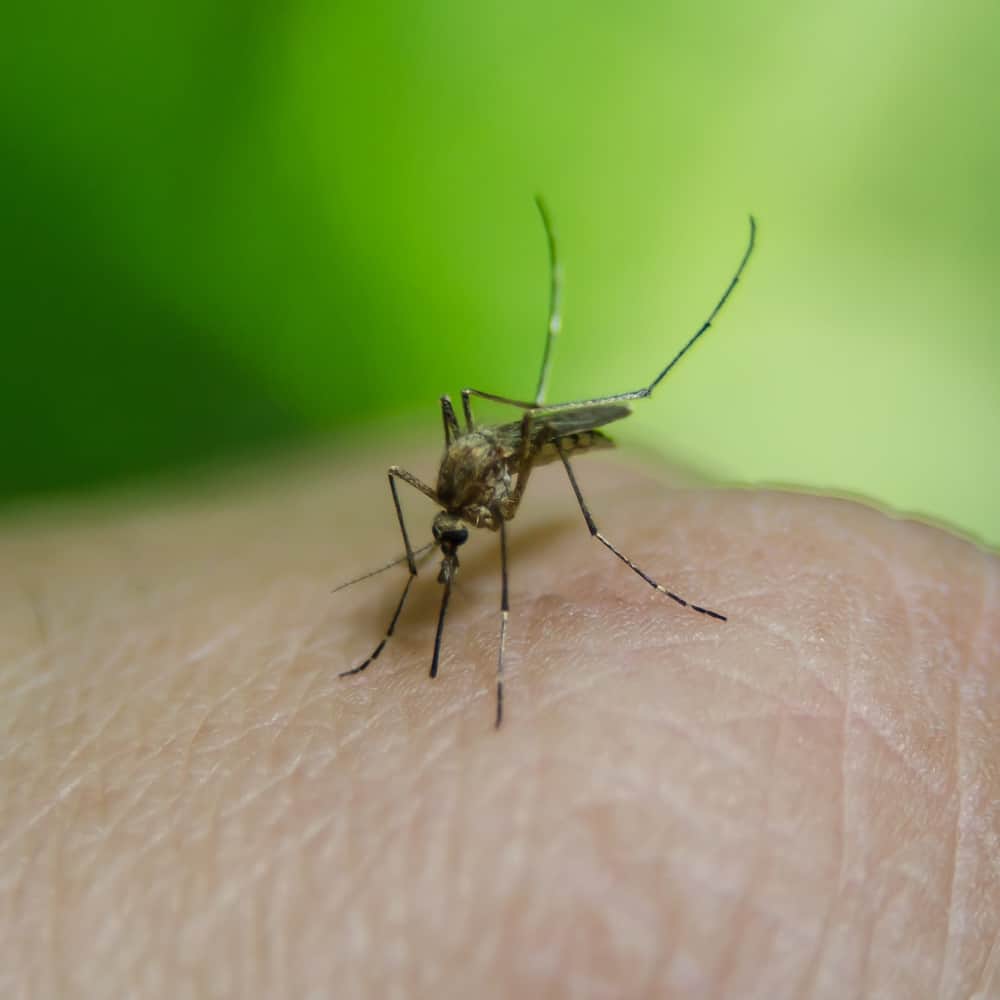
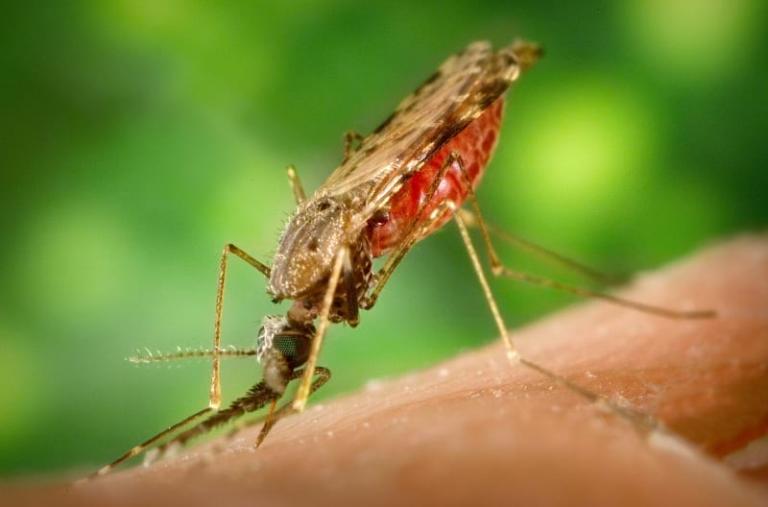
Feeding on a human arm, this Anopheles albimanus mosquito is a vector of malaria, so mosquito control is critically important for reducing the incidence of malaria. Photo by James Gathany, Centers for Disease Control and Prevention
It is a little distraction; I bat away the pesky critter or slap it when it sucks my blood, causing a splat on my own skin. The bump caused by this bite swells and itches, but I’ve learned the more I scratch, the itchier the welt becomes.
When a mosquito bite breaks the skin, my immune system sets off a warning; the mini-wound is instantly flushed with increased blood flow and my white-blood-cell count elevates slightly. This reaction causes the swelling; it is really an allergic reaction. On the micro-scale of things, this physiological response is instantaneous. For most of us, a mosquito bite, or multiple bites, is an annoyance causing us to itch, then scratch, and finally, if the bites continue to annoy, seek some kind of salve to soothe and a repellant to prevent.
In some places in the world, however, a mosquito is no small thing. It can bring on fevers, illnesses, work displacement and even death—causing thousands of families sorrow.
In my original special report for Gospel for Asia titled It Takes Only One Mosquito, I explored the impact of faith based organizations on modern medical approaches. This update explores the ancient and ongoing battle between man and mosquitos which transmit vector-borne diseases.
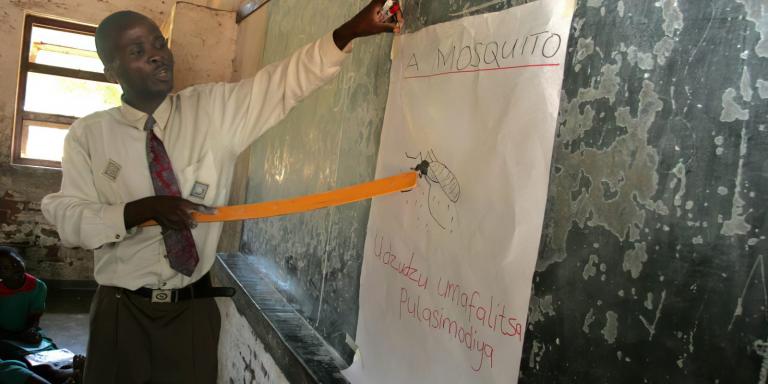
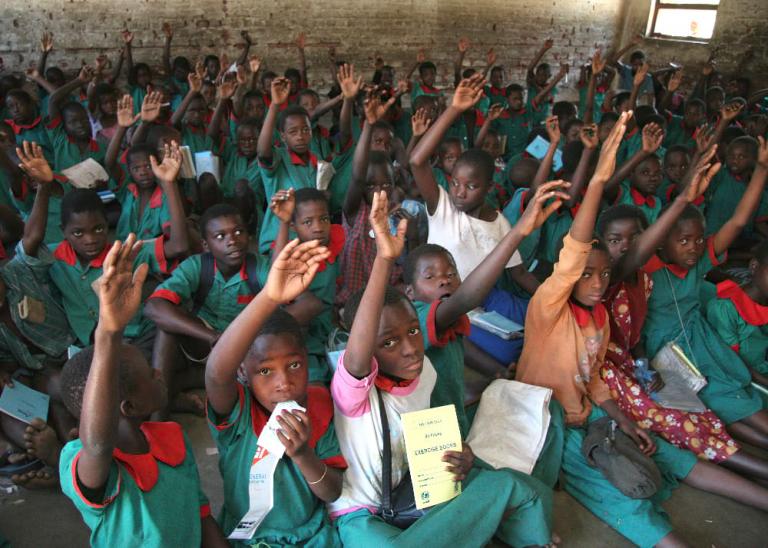
Malawi: Education on malaria prevention can be taught in schools as children participate in a class on malaria and how to protect themselves. Photo by WHO / S. Hollyman
Know Your Enemy or Yield to Vector-borne Diseases
Knowing your enemy is well-known advice attributed to Sun Tzu’s ancient Asian manual The Art of War, which is part of a syllabus for potential military-service candidates. Its recommendation for warriors is certainly appropriate for the equally ancient conflict that exists in many parts of the world between Man and Mosquito. In reality, where I live the welt on my hand may be small and annoying but for whole population sectors around the world, the negative impact of mosquitoes and the diseases they may transmit is overwhelmingly huge.
So let’s take Sun Tzu’s advice and get to know our enemy:
Mosquitoes can live in almost any environment, with the exception of extreme cold. They favor forests, marshes, tall-grass and locales, and ground that is wet at least part of the year. Incredibly, Arctic tundra is a great breeding-place for mosquitoes—the soil that has been frozen all winter thaws in the warming weather, rendering these vast acres huge mosquito incubators. These insects must have water to survive (breeding can occur in as little as one inch of standing water), so areas that border ponds, lakes or puddles are essential to their spread and survival.
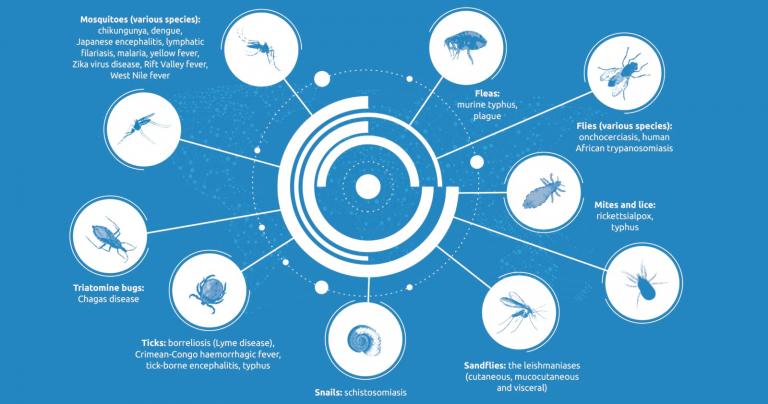
Categorized among the group known as “blood-feeding arthropods” which also includes ticks and fleas, mosquitoes are responsible for a wide range of diseases that result in various symptoms such as fevers, rashes, aches and pains, vomiting and death. The World Health Organization classifies such illnesses as “vector-borne diseases,” which are “human illnesses caused by parasites, viruses and bacteria that are transmitted by vectors.”
The WHO’s report on vector-borne diseases
includes these stunning facts:
Vector-borne diseases account for more than 17 percent of all infectious diseases, causing more than 700,000 deaths annually.
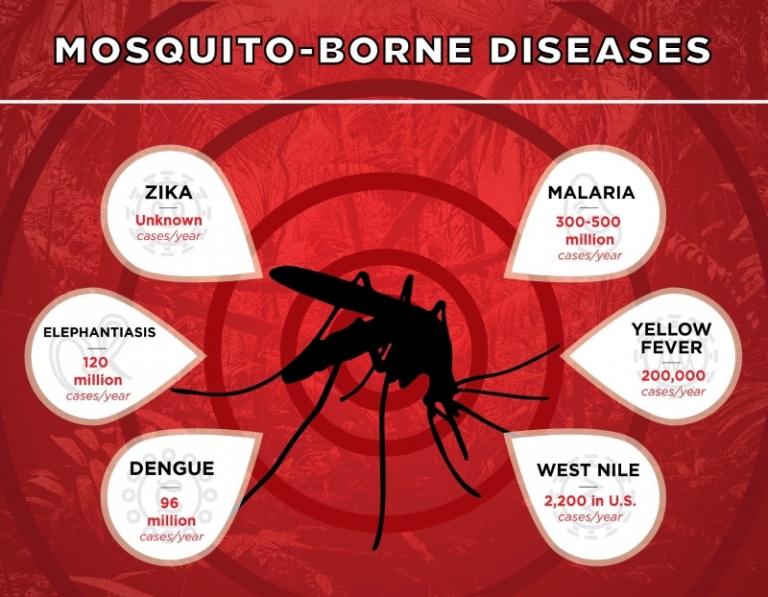
Malaria is a parasitic infection transmitted by Anopheline It causes an estimated 219 million cases globally and results in more than 400,000 deaths every year. Most of the deaths occur in children under the age of 5 years.
Dengue is the most prevalent viral infection transmitted by Aedes More than 3.9 billion people in more than 129 countries are at risk of contracting dengue, with an estimated 96 million symptomatic cases and an estimated 40,000 deaths every year.
“Other diseases transmitted by vectors include chikungunya, Zika, yellow fever, West Nile virus, Japanese encephalitis (all transmitted by mosquitoes) and tick-borne encephalitis (transmitted by ticks).”
Other Odd Facts in the War on Mosquitoes
Zika virus, which has caused thousands of infants in Brazil alone to be born with abnormally small heads and neurological problems, joins a suite of emerging and long-established diseases transmitted throughout the world by mosquitoes. The actual disease-causing agents are the viruses, bacteria or parasites that the mosquitoes pick up when they feed on the blood of an infected person or animal. Photo by UC Davis
These vectors can transmit infectious pathogens between humans, or from animal to humans. Mosquitoes, as mentioned, are blood-sucking insects; when doing so, they can ingest pathogens from a host and transfer it to another host once that pathogen begins to replicate. Often, once a vector becomes infected, it is capable of transmitting the pathogen for the rest of its life, becoming a flying, one-insect, disease-delivery machine.
According to the WHO, 700,000 people die each year from malaria, dengue, Japanese encephalitis and other vector-borne diseases.
“The burden of these diseases is highest in tropical and subtropical areas, and they disproportionately affect the poorest populations,” writes the WHO.
“Since 2014, major outbreaks of dengue, malaria, chikungunya, yellow fever and Zika have afflicted populations, claimed lives, and overwhelmed health systems in many other countries. Other [vector-borne] diseases … cause chronic suffering, life-long morbidity, disability and occasional stigmatization.”
Perhaps that little bump growing on my hand after a summer mosquito attack is not such a little thing after all.
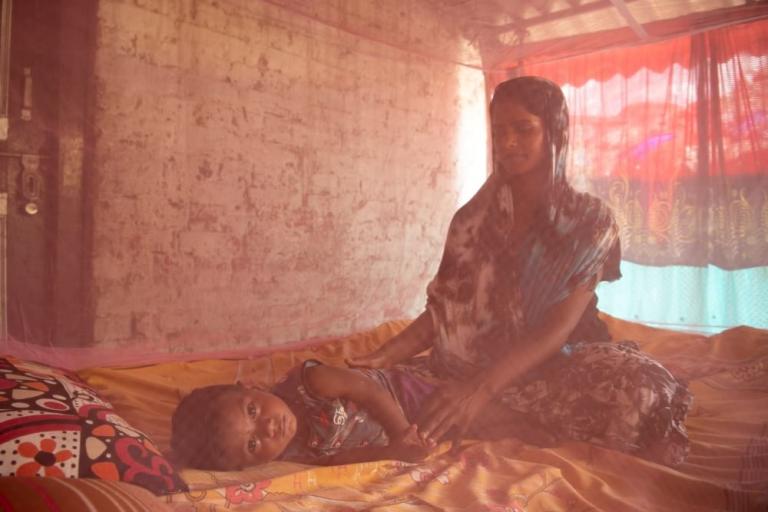
This woman and her child in Uttar Pradesh, India, can function without fear of insect bites during the day, as well as sleep safely each night, due to the protective mosquito net they received as a Christmas gift from GFA World.
Mosquito Abatement: Part of Caring for the Least of These
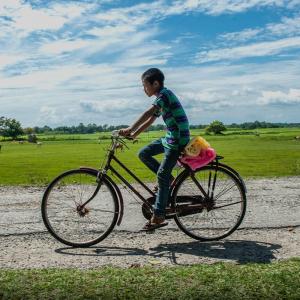
Mosquitos are so dangerous because a single bite can transmit malaria or other parasitic diseases. This boy in South Asia is seen riding home with a new mosquito nets that he was given through a Gospel for Asia (GFA World) gift distribution. These nets are simple, cost-effective solutions to keep families safe from malaria-carrying mosquitoes.
In light of what we know now about that enemy, the mosquito, is it any wonder that mosquito-abatement programs sponsored by faith-based organizations like Gospel for Asia (GFA World) are one of the evidences that fulfill this Gospel imperative: “Love your neighbor as yourself”?
I love the story on GFA’s website reporting how Gospel for Asia (GFA) workers distributed some 9,000 mosquito nets to students living in hostels, now away from their families. Two nets were given to each student, one for them to use and one to send back home.
“I am thankful for the mosquito net,” said Marcus, a ninth-grade student. “I am from a poor family, and there is no one to meet my needs.”
On a broader scale, GFA World has delivered nets to thousands of families in need and held awareness training and awareness programs in many affected areas. In Odisha, a state greatly affected by various vector-borne , Gospel for Asia (GFA) workers led mosquito awareness programs and gave nets to 2,050 impoverished families, including people at a district medical hospital. In the tea-growing state of Assam, Gospel for Asia (GFA) workers conducted awareness training about the need for prevention, distributing 2,000 nets to tea-garden employees.
To date, Gospel for Asia (GFA World) has distributed more than 1,300,000 mosquito nets in malaria-prone areas of South Asia to protect people from life-ending vector-borne diseases.
In some places in the world, a mosquito is no small thing. It can bring on fevers, illnesses, work displacement and even death—causing thousands of families sorrow.
The world’s largest grassroots campaign to protect people from malaria is the United Nations Foundation’s Nothing But Nets campaign. Aiming to be the generation that defeats malaria, Nothing But Nets brings together UN partners, advocates and organizations worldwide to raise awareness, funds and voices to protect vulnerable families from malaria, given that every two minutes a child dies from malaria.
Mosquito nets, as part of a general abatement program in many countries of the world, overcome one of the major deterrents to all of the above: the small, seemingly innocuous welt on the hand, behind the ear, on the ankle or calf. A mosquito bite.
Read the rest of Gospel for Asia’s Special Report: Winning the Ancient Conflict Between Man and Mosquito: Know Your Enemy or Succumb to Vector-borne Diseases —Part 2





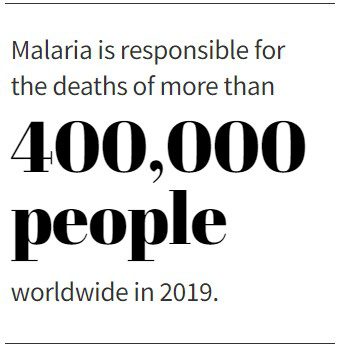 In the seemingly never-ending quest to wipe out malaria—responsible in 2019 for the deaths of more than 400,000 people worldwide, roughly equivalent to wiping out the entire population of Miami, Florida—scientists are experimenting continually with new ideas to combat “the enemy” … the pesky mosquito.[













 Ad-Free & Subscriber Log-In