

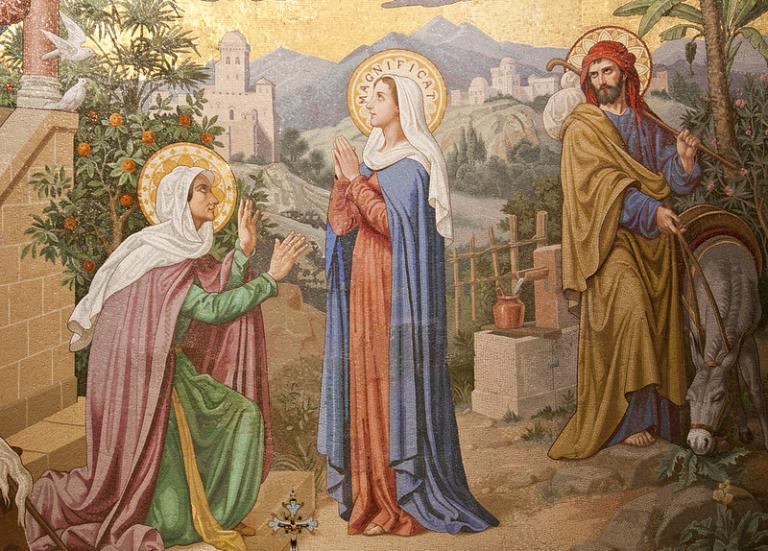
Mary’s song of praise, the Magnificat (Luke 1:46–55), bursts with themes of honor and shame that resonate deeply with the cultural world of first-century Palestine. In an honor-shame society like the one Mary inhabited, identity and relationships revolved around communal expectations and the avoidance of disgrace.
Yet in this famous hymn, Mary reveals a God who overturns human standards of honor, elevating the humble and bringing down the proud. Her words proclaim a vision of justice rooted in God’s mercy and faithfulness. This post examines how the themes of honor and shame shape the Magnificat, revealing God’s surprising and transformative work in the lives of individuals and communities.
Mary’s Honor Amid Social Shame
Mary’s situation, at first glance, carries the shadow of shame. A young, unwed woman—betrothed yet pregnant—risked severe judgment in her community. In a culture where a woman’s honor depended heavily on her chastity and conformity to social norms, Mary’s pregnancy would appear scandalous.
Yet her response is remarkable: she doesn’t dwell on the potential for disgrace. Instead, she declares, “My soul magnifies the Lord, and my spirit rejoices in God my Savior” (Luke 1:46–47). Her trust in God’s vindication transforms what the world sees as shame into a profound source of honor.
By choosing Mary, an ordinary girl from an unremarkable village, God flips social expectations on their head. The angel Gabriel calls her “highly favored” and “blessed among women” (Luke 1:28), language that confers a divine honor surpassing any human disgrace. Mary embraces this calling, proclaiming that “from now on all generations will call me blessed” (Luke 1:48).
Her honor doesn’t come from status or power but from God’s redemptive purpose. Mary’s song reminds us that God often works through those the world overlooks, granting them lasting significance in His kingdom.
Reversal of Honor and Shame
The Magnificat is a song of dramatic reversals. Mary proclaims, “He has brought down rulers from their thrones but has lifted up the humble” (Luke 1:52). This isn’t a polite reordering of priorities; it’s a radical upheaval.
In Mary’s world, honor often belonged to the wealthy and powerful, while the poor and humble bore the weight of social shame. But in God’s economy, these distinctions collapse. The proud are scattered, rulers dethroned, and the lowly exalted.
This theme runs throughout Luke’s Gospel. Jesus, like his mother, champions the marginalized: the poor, the outcast, and the sinner.
Mary’s song foreshadows his teachings, particularly the beatitudes (Luke 6:20–26), where the hungry are blessed and the rich warned of coming woes. Her words also echo the Old Testament, particularly Hannah’s song in 1 Samuel 2:1–10, which celebrates God’s justice in raising the lowly. In both cases, the message is clear: God’s honor is rooted not in human hierarchies but in His unwavering justice and mercy.
God’s Honor as the Basis for Reversal
Central to Mary’s Magnificat is her recognition of God’s character as the ultimate source of honor. She declares, “Holy is his name. His mercy extends to those who fear him, from generation to generation” (Luke 1:49–50). In these words, Mary points to a vision of honor that transcends human achievements. God’s holiness and faithfulness provide the foundation for the dramatic reversals she celebrates.
Mary concludes by situating her personal story within the larger narrative of God’s covenantal promises. “He has helped his servant Israel, remembering to be merciful to Abraham and his descendants forever” (Luke 1:54–55).
These lines root the reversals of honor and shame in God’s ongoing faithfulness to His people. The Magnificat isn’t just a personal testimony; it’s a declaration of God’s overarching plan to restore His creation and honor those who align themselves with His purposes.
Honor for the Lowly and Hungry
Mary’s song doesn’t stop at personal praise; it also reveals God’s concern for the disenfranchised. “He has filled the hungry with good things but has sent the rich away empty” (Luke 1:53). In the ancient world, hunger wasn’t just a physical condition—it was a marker of social shame. Yet Mary celebrates a God who feeds the hungry and leaves the self-satisfied without.
This theme resonates throughout Luke-Acts, where God’s grace consistently reaches the marginalized: women, Gentiles, the poor, etc. Mary’s song sets the stage for the Gospel’s emphasis on inclusion and justice. It’s a powerful reminder that in God’s kingdom, the powerless are not forgotten; they are cherished, dignified, and filled with good things.
A Theological Reflection on Honor and Shame
The Magnificat challenges us to rethink honor and shame in light of God’s kingdom. In Mary’s song, true honor isn’t earned by status or power but given by God to those who trust Him. In a world obsessed with reputation and achievement, the Magnificat invites us to embrace humility and align ourselves with God’s vision of justice and mercy.
Mary’s response to her calling also inspires. Faced with potential shame, she rejoices in God’s promises, trusting that His purposes will bring vindication. For modern believers, her example is a challenge and a comfort. Like Mary, we are called to trust God’s honor even when human eyes see only disgrace.
Conclusion
Mary’s Magnificat is far more than a personal hymn of praise; it’s a bold declaration of God’s justice and faithfulness. By elevating the humble and casting down the proud, God reveals a kingdom where honor belongs to the lowly and shame has no lasting power.
Mary’s song invites us to see the world differently, to hope in God’s promises, and to embrace the values of His kingdom. Through her voice, Luke’s Gospel proclaims the transformative power of God’s justice—a justice that lifts the shamed, humbles the mighty, and offers hope to all who trust in Him.














 Ad-Free & Subscriber Log-In