


Scandal: Adultery Finally Confessed After Eight Year Extramarital Affair
Another year begins. Another Christian celebrity scandal emerges. Generally, I refuse to comment on these, although my heart sinks a little more with each of them. I do not need to express an opinion about every Christian breaking news story. But there is something powerful for us to learn about shame from Philip Yancey’s admission of guilt. The full press release is included below.
Podcast Version
Also available wherever you get your podcasts.
Shame separates people, because, unlike guilt, we generally do not understand how to deal with it. Shame often leads to secrecy out of fear of being discovered.
Real relationships require openness and vulnerability. As PJ Smyth mentioned in our interview, the voice of shame tells us that other people will reject us if they know what we really are like.
What’s the difference between shame and guilt? Clip from my interview with @PJ_Smyth Shame is slippery. pic.twitter.com/aj5qpt55Fl
— Adrian Warnock (@adrianwarnock) December 19, 2025
Profound shame is associated with a real or feared loss of dignity and reputation. Honor is hard to gain but easy to lose. It is no surprise that we see many huge public moral collapses in people who have felt for years that they couldn’t tell anyone about their struggles.
Sin itself can grow ever stronger in this atmosphere of hidden fears and putting on an outer face to persuade other people that we are not as bad as we think we are.
Philip Yancey, who has previously blogged here on Patheos, has been one of the most famous Christian authors in my lifetime. His books, which include What’s So Amazing About Grace, have sold more than fifteen million copies and been translated into forty languages. He also wrote the foreword for Jonathan Aitken’s masterful biography of John Newton. In August 2020, he wrote this on his blog,
“I’ve been writing a memoir and, like most memoirs, it deals with family secrets. Unplanned pregnancies, abortions, suicides, addictions, extramarital affairs, prison time—often families don’t speak of such events because of shame.
However . . . repressed secrets exert a dark power even if they never get exposed. Perhaps that’s one reason the Bible treats human failings with such unflinching honesty?”[1]
Unknown to his many readers, by this time Yancey was nursing a secret of his own for fear of the shame of exposure.
Unlike in Bible times, significant failure today typically means the end of your career as a Christian leader or minister, and there is usually no way back no matter how remorseful you might be.
Many even conclude that the person caught out in a public sin could not have been a Christian at all. John Newton did not agree, and taught clearly that even true Christians, due to the deceit in their own hearts, are more than capable of committing the most blatant sins.
In January 2026, like a host of other Christian celebrities before him, Philip Yancey finally faced his own moment of public shame.[2] Little is known of the circumstances, but he released this statement:
“To my great shame, I confess that for eight years I willfully engaged in a sinful affair with a married woman.
My conduct defied everything that I believe about marriage. It was also totally inconsistent with my faith and my writings and caused deep pain for her husband and both of our families. I will not share further details out of respect for the other family.
I have confessed my sin before God and my wife, and have committed myself to a professional counseling and accountability program.
I have failed morally and spiritually, and I grieve over the devastation I have caused. I realize that my actions will disillusion readers who have previously trusted in my writing.
Worst of all, my sin has brought dishonor to God. I am filled with remorse and repentance, and I have nothing to stand on except God’s mercy and grace.
I am now focused on rebuilding trust and restoring my marriage of 55 years. Having disqualified myself from Christian ministry, I am therefore retiring from writing, speaking, and social media. Instead, I need to spend my remaining years living up to the words I have already written.
I pray for God’s grace and forgiveness—as well as yours—and for healing in the lives of those I’ve wounded.”
His wife, Janet Yancey added,
“I, Janet Yancey, am speaking from a place of trauma and devastation that only people who have lived through betrayal can understand.
Yet I made a sacred and binding marriage vow 55 ½ years ago, and I will not break that promise.
I accept and understand that God through Jesus has paid for and forgiven the sins of the world, including Philip’s.
God grant me the grace to forgive also, despite my unfathomable trauma. Please pray for us.”
When yet another major scandal such as this breaks, many will sit in judgment on the precise wording of the confession. Are the words “good enough”?
Have they shown enough remorse? Do we think they were ever truly a Christian? Could they have lost their salvation? Are their writings, sermons, or worship songs now suspect?
Others may question whether his wife can really be expected to stay in the marriage, or whether divorce is inevitable. And, given previous exposés, there are inevitable questions about what else may possibly come out, and how matters will proceed from here. At the time of writing this remains raw and we do not have the salacious details. I hope, if nothing else for Janet Yancey’s sake, that remains the case.
It is obviously appropriate in a case involving a ministry leader for at least some details of such a scandal to be made known. But a desire for details is nothing more than gossip.
The circle of knowledge need only be as wide as the circle of harm.
A private person need not be shamed online. A minister of a local congregation may need to be shamed only in his church. A prominent Evangelical leader like Yancey should be exposed to everyone who may have read his books for them to be aware of his actions that are not consistent with his teachings. But in any of these situations there is absolutely no need for us all to know the gruesome details.
There is currently no indication of a power-imbalance or any hint of abuse in this situation. This is about sex outside of marriage we assume between two consenting, if deceived by sin, adults.
If abuse is, however, involved in whatever the latest scandal is, then a deeper knowledge may help all Christians to build a deeper picture of how we can better prevent similar things from happening. That is why I encouraged you to watch my interview with PJ Smyth and the documentary he and his family appeared in.
Sadly, in modern culture significant shame is usually seen as permanent. Unlike guilt there is no clear way out. If someone is publicly outed, and in modern language cancelled, often there seems to be nothing they can do to ever redeem themselves.
People should always see a way to be restored, even if their platform may be permanently withheld from them.
We must avoid both offering cheap grace, which says, “nothing matters,” and permanent exile which says, “you are finished forever.”
Bonhoeffer defines cheap grace as forgiveness without repentance, discipline or transformation (Bonhoeffer, 1959). Volf argues believing forgiveness can never co-exist with excluding someone from roles or relationships is naïve. But exclusion without the possibility of a future embrace is dehumanizing.(Volf, 1996)
Jonathan Aitken and Chuck Colson are both good examples of how in the past there could be a way back to usefulness after a public scandal, which in both cases involved prison time. Aitken did not become a powerful politician again, but he retrained in theology, was ordained as an Anglican minister and wrote biographies (Aitken, 2005). Colson started a prison ministry and spoke with personal knowledge about repentance and restoration (Colson, 1979). It’s not clear that either of them would have had similar opportunities for redemption if their crimes had been more recent.
Christian restoration has historically meant neither the denial of consequences nor permanent banishment. It involves a recognition that even after severe sin someone can be returned to usefulness, without being returned to a position of power. All this is grounded in repentance, accountability, and grace.
Shame causes a fear of public disgrace. Is it any wonder there is a strong temptation to hide sin for as long as possible, meanwhile it may be growing from something small and insignificant to something large and dramatic in its consequences.
How can we make sure our churches are safe places for people to share their struggles early? How can we make sure we are safe people for others to confide in?
And let’s humbly remind ourselves “there but for the grace of God go I”
Has this article raised painful issues for you?
Help When Life Hurts
This article is part of a growing collection, drawing from Adrian Warnock’s medical and psychological expertise, lived experience, and Christian faith.
Click the type of pain you or a loved one are experiencing right now
General suffering & disappointment
Financial difficulties
Feeling disqualified
Chronic illness & disability
Divorce, abuse, & family pain
Depression & mental health
Bereavement & end-of-life
Read More from Other Christian Media Sites
Christian Today: Why I will still read Philip Yancey’s books
“Seamands’ and Yancey’s personal choices do not change the truth of what they wrote. I will not remove their books from my shelf simply because they fell themselves. Their books are a monument that remind me of how God saved me”
Woman Alive: Philip Yancey and the ache of disillusionment with Christian heroes
“So often our heroes fail us. Some spectacularly. We could become cynical and jaded, but God calls us to hope . . . we know that Jesus is the ultimate hero in whom we can trust. He, after all, is the only human without sin. But there are some good and faithful servants of God who pour themselves out in love for him.”
Premier Christianity: Disqualified but still forgiven: Lessons from Philip Yancey’s shocking confession
“Even adulterers like Philip Yancey can be forgiven. That’s what’s so amazing about grace. Yet his unexpected confession of marital infidelity also confronts the Church with searching questions about our obsession with platform over character”
More from Adrian Warnock
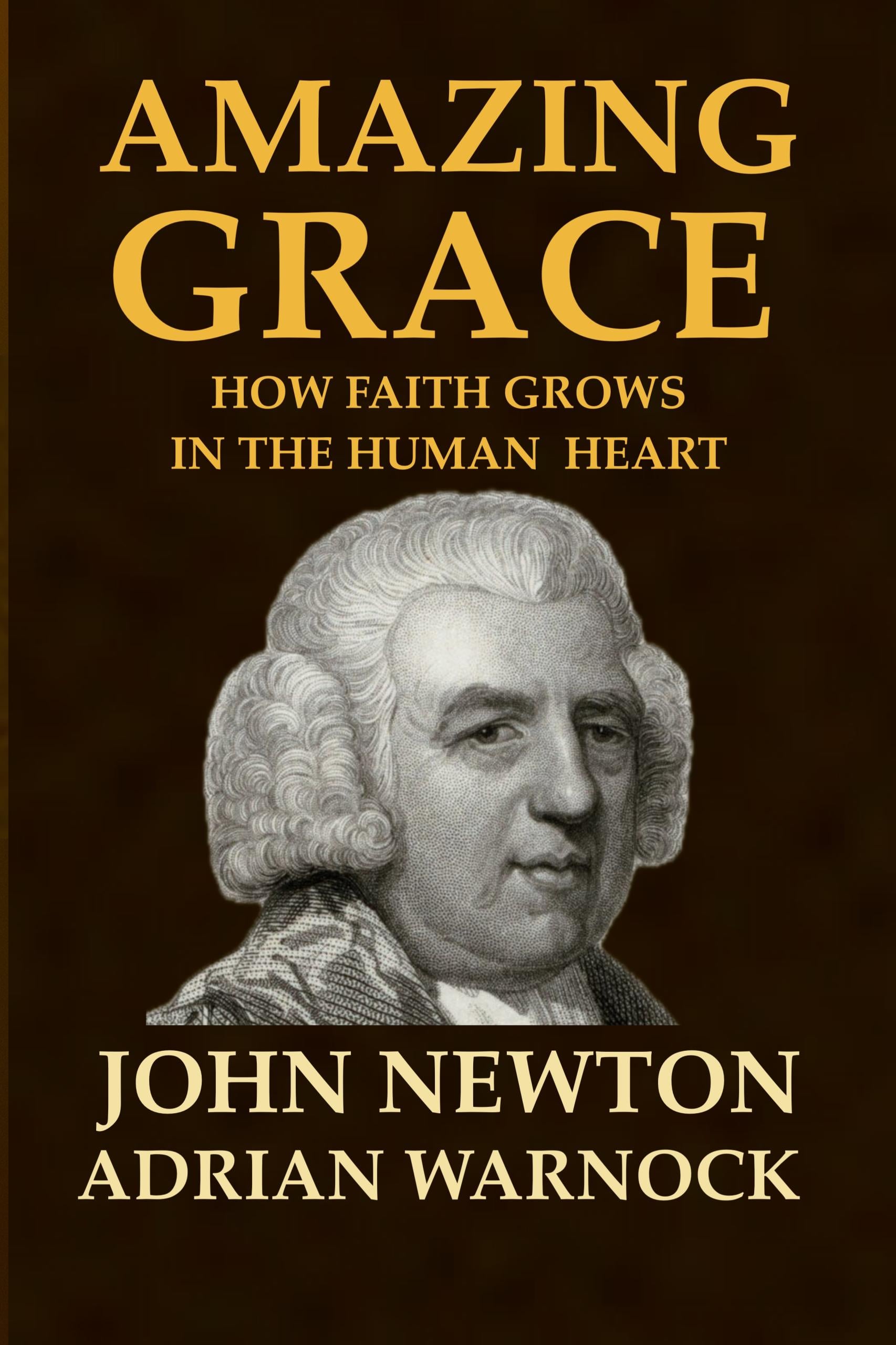
Read about Adrian’s Books which address this subject
Am I the Worst Sinner in the World?
PJ Smyth Interview: See No Evil
John Newton on Christian Maturity and Sin’s Deceitfulness
Can a Christian Lose Their Salvation?
How To Survive The Anointing Like Billy Graham

Buy the early access preview version here
FREE on Kindle Unlimited
References
[1] https://philipyancey.com/family-secrets/
[2] https://churchleaders.com/news/2211627-philip-yancey-confesses-to-8-year-extramarital-affair.html
[3] Bonhoeffer, D. (1959) The Cost of Discipleship. 2nd edn. London: SCM Press.
[4] Volf, M. (1996) Exclusion and Embrace: A Theological Exploration of Identity, Otherness, and Reconciliation. Nashville: Abingdon Press.
[5] Aitken, J. (2005) Pride and Perjury: An Autobiography. London: HarperCollins.
[6] Colson, C. (1976) Born Again. Old Tappan, NJ: Revell.

















 Ad-Free & Subscriber Log-In