

This summer I picked up the book Who is Government? The Untold Story of Public Service. Each chapter features someone who works in a department of the federal government and while delving into their particular story and interests author Michael Lewis also reveals the lesser-known services provided by our tax dollars. I finished the book just in time for the government shutdown, but I unexpectedly got to have my own round of introductions to the human face of the public service.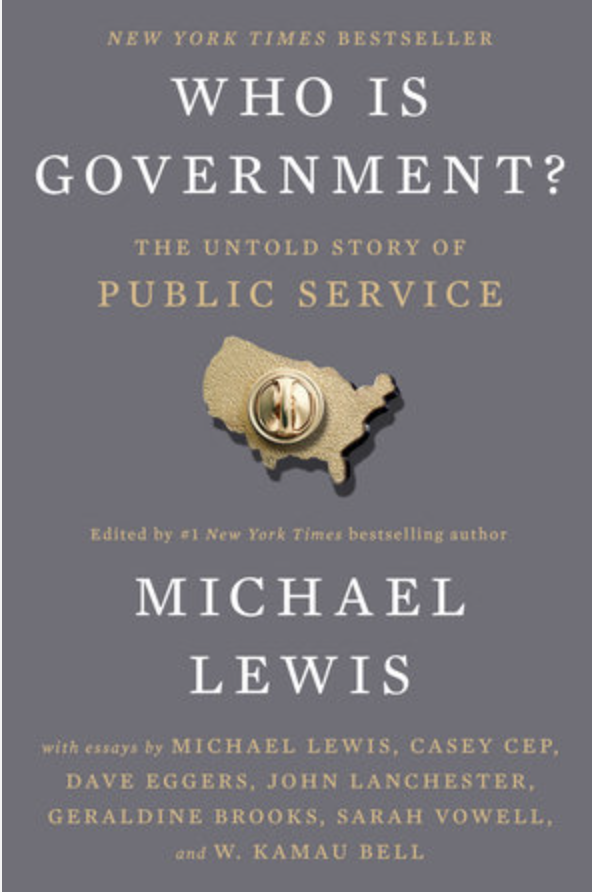
Each year one of my colleagues and I take our department’s sophomores to Washington, DC. We do some of the traditional tours, but our main point is to introduce our students to alumni working in government, non-profit, and public history jobs. We want to demystify some of the process of getting internships and making the transition into the workforce. This year, the prospect of a government shutdown coincided with the exact week we had booked our trip.
I definitely had some moments of panic thinking about the tour of the Capitol we had booked with a congressional staffer, the Library of Congress activities I had planned, and whether or not the Smithsonian museums would be open. But it turns out, D.C. has become all too used to congressional gridlock and there are websites giving visitors all the options for what do “in case of a government shutdown.”
For my students, however, the timing of our trip, in the first 3 days of the shutdown, was a godsend. The Smithsonians were open for the first few days as a result of their reserve funds, which allowed my students to make good use of a couple of free afternoons. But more importantly, the alumni and friends of alumni who work in the federal government and who I try to tap for some quick face time with my students suddenly had more space in their schedule. We got to spend time with employees at the Federal Trade Commission, the Federal Reserve Bank, the State Department, and the Inspector General’s Office. They were generous with their time, and they had. . . . thoughts. Our students really benefitted from the longer conversations and reflections of these smart and talented people.
Our good luck began when the 24-year-old press secretary of one of Tennessee’s congressmen invited us into the empty office building to meet with him and the other very young staffers to talk about how to get internships on the Hill and what it’s like to work in Congress. Because he couldn’t give us a tour of the Capitol, the entire hour with him was spent in question and answer time, with lots of candid advice and explication of what the jobs are really like. For many of my students, the most important take-away from the trip was how young the folks working for Congress are. (This is a lesson I had learned in my own sophomore year internship on the Hill, and one I keep reminding myself of when I find myself wondering about who in the world is in charge.)
The friend of an alum who worked for the Inspector General was able to talk about how waste and fraud are prosecuted and why sometimes it seems like the government is less efficient—its job isn’t the same as that of a corporation. The State Department professional who spent over two hours with our students, including eating lunch with us, was incredibly generous about the skills needed for jobs in the foreign service and what he does and doesn’t enjoy about his work. There was a great deal of candor about the changes he’s seen and how the current administration makes things very difficult for folks in diplomacy. The government shutdown made this sort of insight and explication possible.
Many of these professionals are people of deep faith and were able to share how their desire to serve God and humanity overlaps with their careers. They talked about the ups and downs of life after graduation and trying to find discernment in moving from job to job or dealing with the unexpected difficulties at work. In spite of the really hard time government employees in Washington, D.C. are having right now, these devout and devoted public servants are proud to stick to their work, to keep showing up (once they are allowed to) and to keep doing the work of the people in a non-partisan manner. The government shutdown won’t last forever, they said, and they want to keep resisting the pressure to just quit in order to make sure that the services they provide continue.
For my students, the government shutdown was a big blessing. It’s only a small sliver of a silver lining in a pretty bad moment in our civic togetherness, but I’m choosing to latch on to it. These public servants chose to spend their free time talking to undergraduates, almost as a continuation of their altruism and sense of civic duty. The fact that they aren’t all buckling, that they still love their jobs, and that they see light at the end of the tunnel helped give me perspective. And their faith and faithfulness inspired me along with my students.
It even makes me a little bit happy to pay my taxes.











 Ad-Free & Subscriber Log-In